Can Bonsai Trees Live Outside In The Winter: Winter Care Tips
Yes, many hardy bonsai trees can live outside in winter with the right protection and seasonal care.
The answer to “can bonsai trees live outside in the winter” depends on the tree species, your climate, and how well you protect the roots. Hardy outdoor bonsai often need winter dormancy, while tropical bonsai need warmth indoors. This guide explains how to protect your tree from freezing weather, wind, ice, and sudden temperature changes.
Can Bonsai Trees Live Outside in the Winter?
Yes, many bonsai trees can live outside in the winter. In fact, outdoor bonsai trees often need to experience cold weather to follow their natural growth cycle.
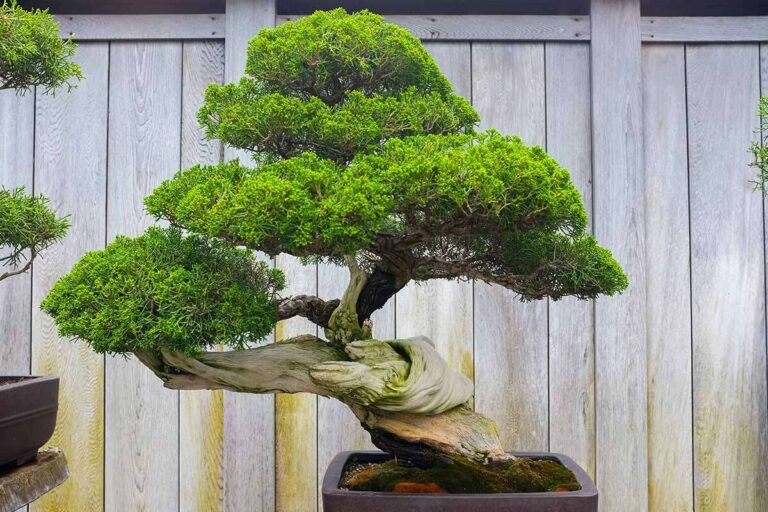
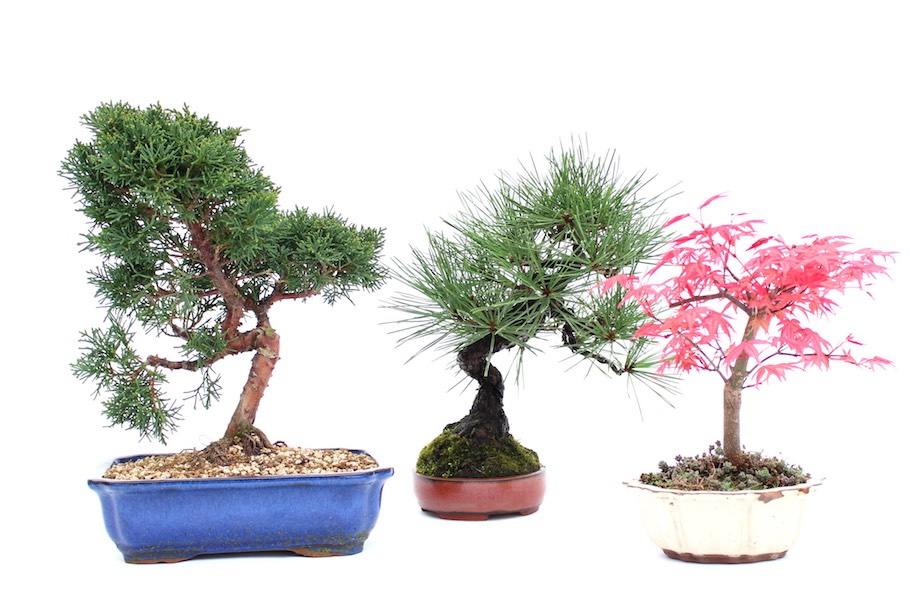
Trees such as juniper, pine, spruce, fir, maple, elm, and larch usually handle winter well. These species enter dormancy when days shorten and temperatures fall. Dormancy is a rest period that helps the tree save energy until spring.
However, a bonsai tree is not the same as a full-size tree growing in the ground. Its roots sit in a small, shallow pot. They have less soil for insulation, so they can freeze much faster.
When asking, “can bonsai trees live outside in the winter,” always consider these factors:
• Tree species and cold tolerance
• Your local winter temperature
• The size and material of the pot
• Wind exposure
• Moisture levels in the soil
• Whether the tree was grown outdoors or indoors
A bonsai that survives 10°F in the ground may suffer serious root damage in a small pot at the same temperature.
Which Bonsai Trees Can Stay Outside in Winter?
Hardy outdoor bonsai trees are the best choice for winter. They are adapted to seasonal cold and usually need a period of dormancy.
Common outdoor bonsai species include:
• Juniper bonsai
• Japanese black pine
• Scots pine
• Spruce bonsai
• Larch bonsai
• Bald cypress
• Trident maple
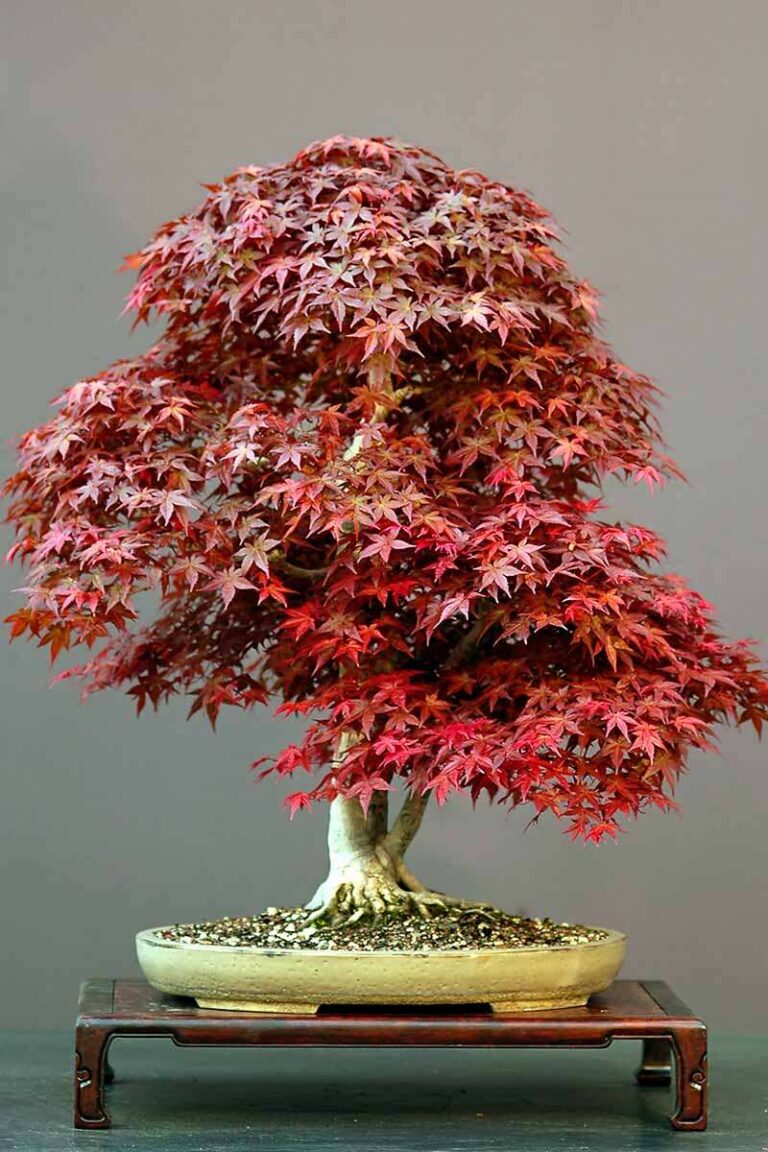
• Japanese maple
• Chinese elm
• Beech bonsai
• Crabapple bonsai
• Boxwood bonsai
Junipers and pines are often forgiving choices for beginners. They can handle cold weather well when their roots are protected. Japanese maple bonsai can also live outside, but its fine branches and shallow roots need shelter from harsh wind and rapid temperature changes.
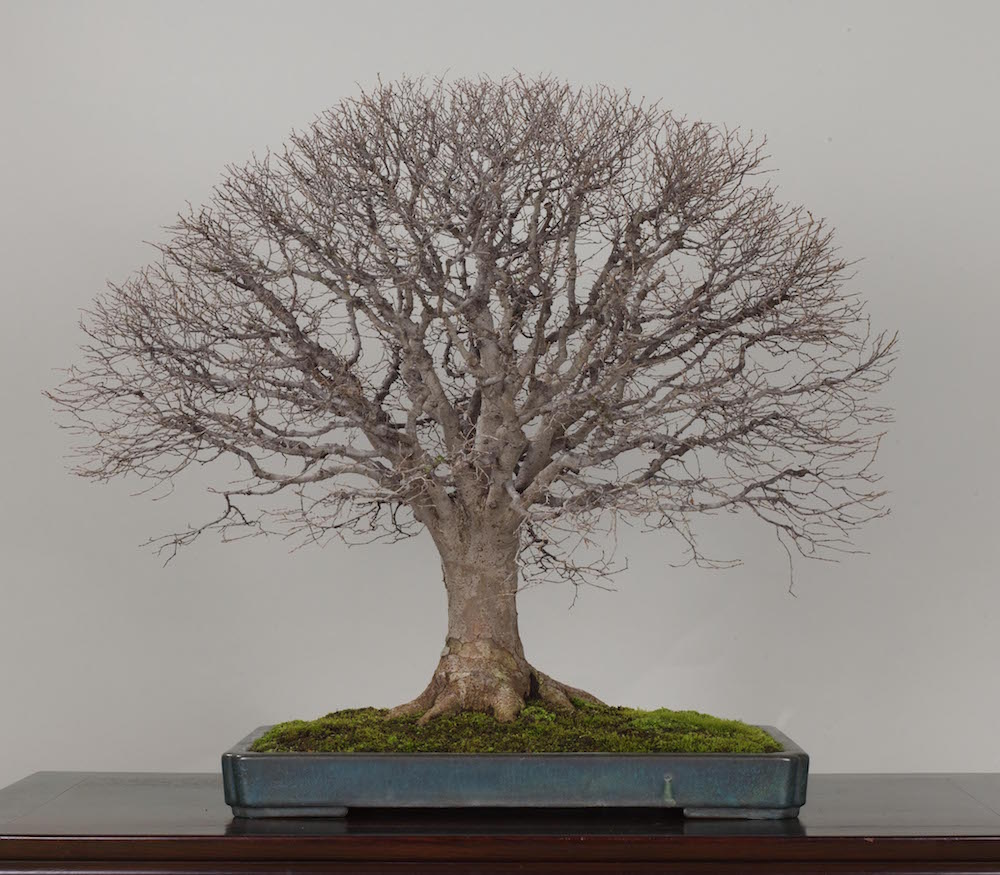
Chinese elm needs special attention. Some Chinese elms remain semi-evergreen in mild climates, while others lose their leaves in colder areas. In USDA hardiness zones 5 and colder, protection is often needed.
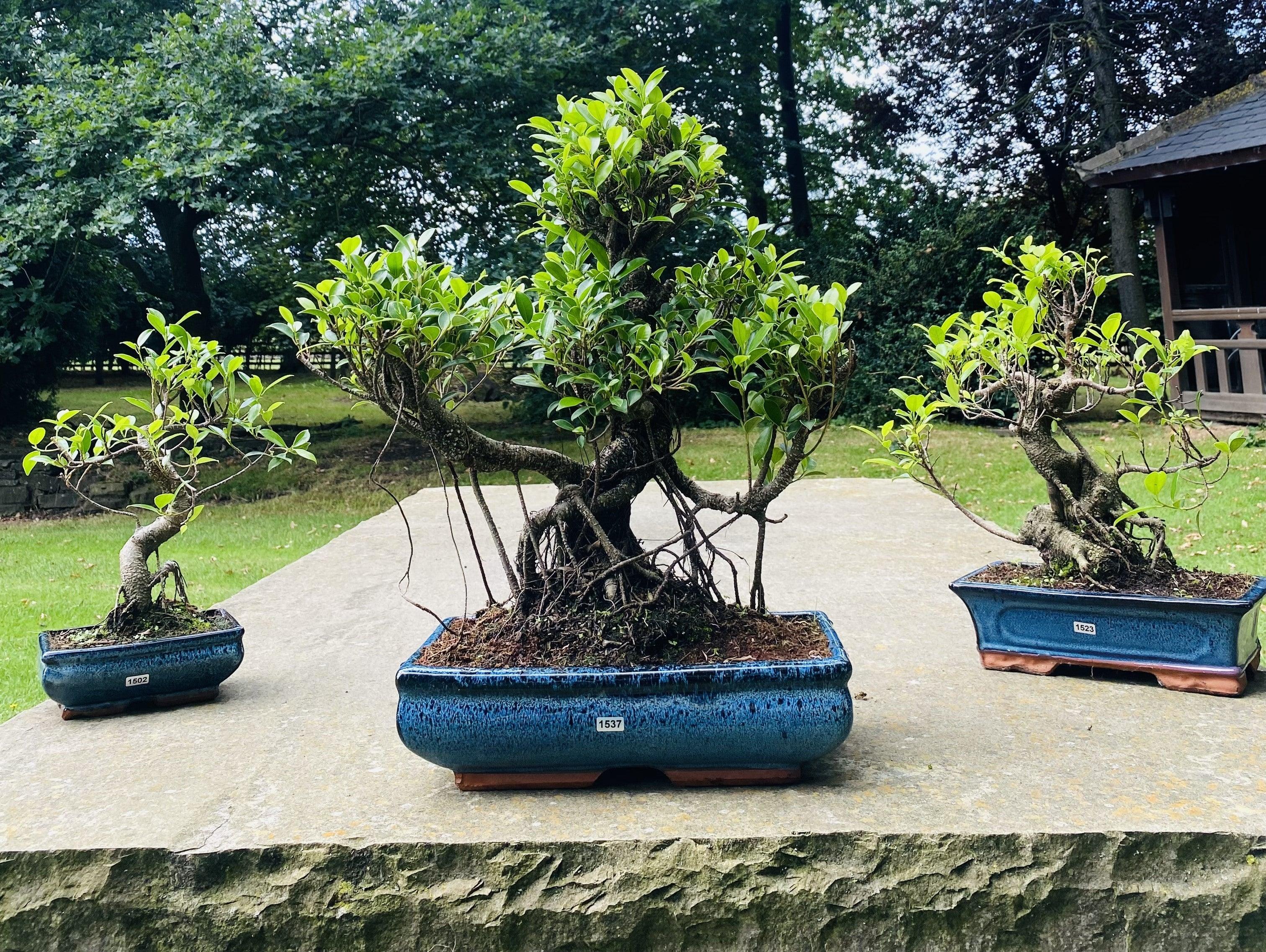
Tropical and subtropical bonsai trees are different. Ficus, jade, bougainvillea, serissa, Fukien tea, and most tropical schefflera bonsai should not remain outside during freezing weather.
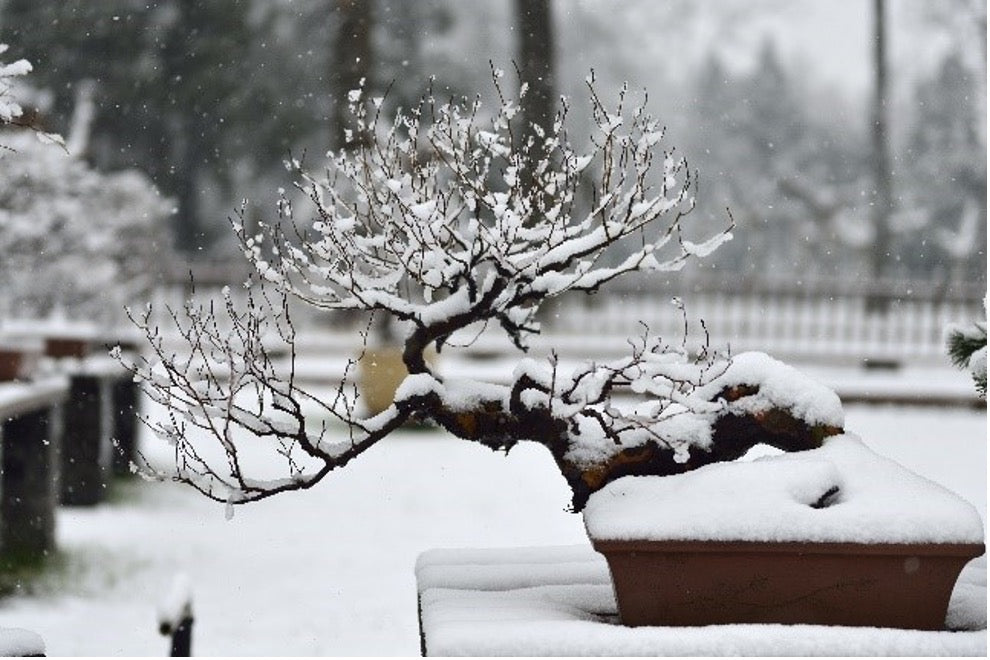
Which Bonsai Trees Should Come Indoors?
Tropical bonsai trees can suffer damage before the air reaches 32°F. Their leaves, stems, and roots are not designed for frost.
Bring tropical bonsai indoors before nighttime temperatures fall below about 50°F. A short cold spell may cause leaf drop, but freezing temperatures can kill the tree.
Trees that usually need indoor winter care include:
• Ficus bonsai
• Jade bonsai
• Fukien tea bonsai
• Serissa bonsai
• Bougainvillea bonsai
• Tropical schefflera
• Carmona bonsai
• Desert rose bonsai
Place indoor bonsai near a bright window. South or east-facing windows often provide good light, but winter sunlight may still be weak. A simple grow light can help.
Keep the tree away from heaters, fireplaces, and cold drafts. Dry furnace air can stress the foliage, while hot air can dry the soil too quickly.
This is why the answer to “can bonsai trees live outside in the winter” is not the same for every tree. A tropical bonsai needs warmth, but a hardy bonsai often needs outdoor dormancy.
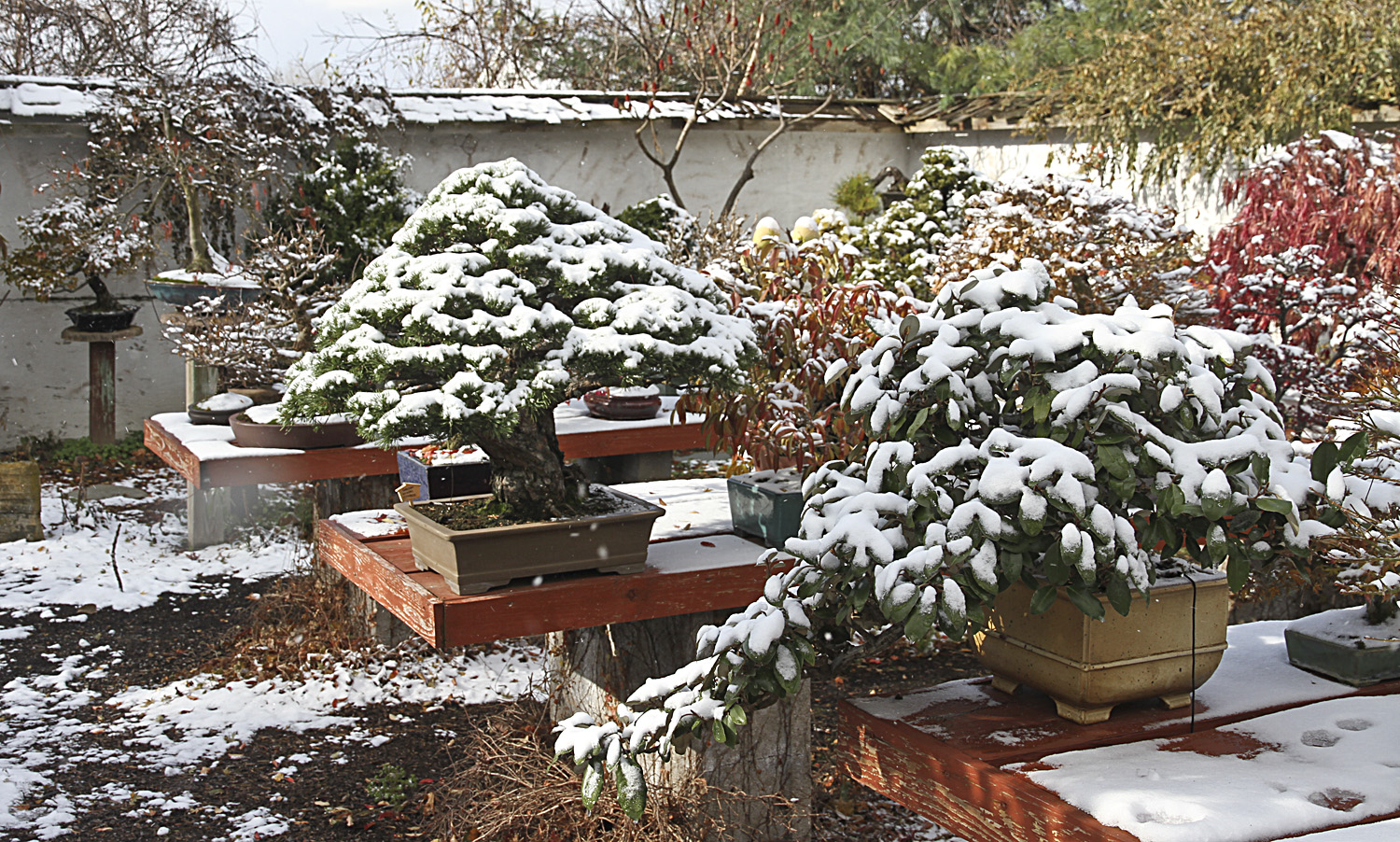
How Cold Weather Affects Bonsai Trees
Cold weather affects different parts of a bonsai in different ways. The roots are often the most vulnerable part.
A mature tree in the ground has a deep layer of soil around its roots. That soil acts like a blanket. A bonsai pot has little soil, so the root ball may freeze from every side.
Winter damage may come from more than cold alone. Common causes include:
• Frozen roots
• Drying winter wind
• Sudden thaw and refreeze cycles
• Ice buildup
• Wet soil that stays frozen
• Sunscald on trunks and branches
• Early spring growth followed by a hard freeze
Winter wind can pull moisture from needles and leaves. This process is called desiccation. The tree may look healthy in January but show brown foliage in late winter.
Bright winter sun can also warm the bark during the day. A sharp temperature drop at night may split the bark, especially on thin-barked trees.
A bonsai can tolerate cold better when its temperature changes slowly. Stable cold is often safer than repeated freezing and thawing.
How to Prepare Outdoor Bonsai for Winter
Good winter care begins before the first hard freeze. Do not wait until the pot is already frozen.
Follow these steps:
-
Stop heavy pruning in late summer or early fall. Fresh cuts may heal slowly before winter.
-
Reduce fertilizer as growth slows. Avoid high-nitrogen fertilizer late in the season because it can encourage soft new growth.
-
Check the tree for insects and disease. Pests can become harder to control once the tree enters winter shelter.
-
Remove dead leaves and debris from the soil surface. This reduces hiding places for pests and fungal problems.
-
Water the tree deeply before a hard freeze if the soil is dry. Do not water if the soil is already saturated or frozen.
-
Move the pot to a protected place before severe weather arrives. A sheltered corner near a building often works well.
-
Inspect the tree after storms. Remove heavy snow from fragile branches before it causes breaks.
I once saw a healthy juniper suffer after being placed beside an open garage door. The air temperature was not extreme, but cold wind moved through the space all night. The tree survived, yet several branches dried out by spring. That experience reinforced a simple lesson: shelter from wind matters as much as the thermometer reading.
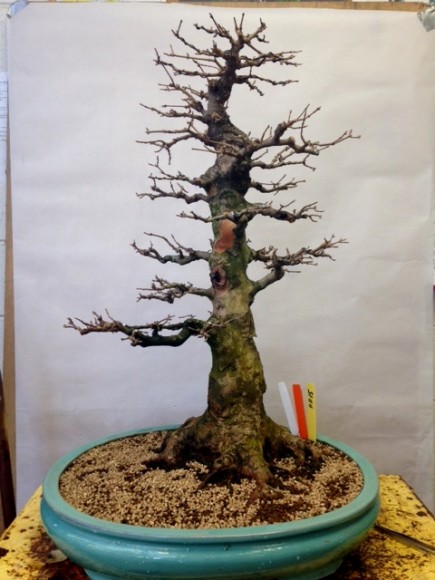
The Best Winter Location for an Outdoor Bonsai
The best winter location is protected but not warm. A tree that needs dormancy should not spend the entire winter in a heated room.
Good locations include:
• An unheated garage
• A cold frame
• An unheated greenhouse
• A covered porch
• A sheltered spot beside a house
• A protected garden bed
An outdoor bonsai can often remain on a porch or patio in mild areas. In colder regions, place the entire pot on the ground and surround it with mulch, bark, or loose soil.
Keep the tree away from strong wind. A wall can block wind, but avoid placing the tree where melting snow falls from a roof.
An unheated garage is useful for severe cold. However, the tree still needs some ventilation and occasional light during warmer winter days. Do not move a dormant tree into a heated living room and then return it to freezing conditions. That sudden shift can cause stress and early growth.
If you are still wondering, “can bonsai trees live outside in the winter,” location is one of the most important parts of the answer. The right site can add several degrees of protection.
How to Protect Bonsai Roots From Freezing
Protecting the roots is usually more important than protecting the branches. A hardy bonsai may tolerate freezing top growth, but frozen roots can cause lasting damage.
The simplest method is to place the pot directly on the ground. Then cover the pot up to its rim with mulch, pine bark, leaves, or loose soil.
Do not pack wet mulch tightly around the trunk. Keep the trunk base clear so air can circulate and moisture does not remain against the bark.
You can also use these methods:
• Group several bonsai pots together for shared warmth.
• Wrap pots with burlap or foam, not airtight plastic.
• Place pots inside a larger box filled with dry leaves.
• Use a cold frame for extra protection.
• Set pots on the ground instead of on a raised bench.
• Add a wind screen made from burlap or garden fabric.
Avoid bringing outdoor bonsai into a heated room for short cold spells. Warm indoor air may wake the tree from dormancy. When it returns outdoors, tender new growth can freeze.
Never use a household heating pad without careful temperature control. Excess heat can dry or cook the roots. Root protection should reduce temperature swings, not create a warm environment.
Winter Watering for Bonsai Trees
Bonsai trees still need water in winter, even when they are dormant. Their water use is lower, but their roots must not remain completely dry.
Check the soil every few days during dry weather. Water when the soil is slightly dry below the surface. Use a gentle stream and let excess water drain fully.
Watering needs depend on the weather:
• Cold and wet conditions require little or no water.
• Dry, windy conditions may require more frequent checks.
• Frozen soil cannot absorb water well.
• Indoor tropical bonsai may need water more often than dormant outdoor bonsai.
Do not follow a fixed calendar. Feel the soil instead.
Overwatering is a common winter mistake. Cold, wet soil contains less air, and roots may suffocate or rot. A bonsai should not sit in a tray of standing water.
Water in the morning when possible. This gives excess moisture time to drain before nighttime temperatures fall.
The safest answer to “can bonsai trees live outside in the winter” includes careful watering. A well-protected tree can handle cold far better when its roots are moist but not soggy.

Winter Care by Climate Zone
Winter protection should match your local climate. A plan that works in Georgia may fail in Minnesota.
In USDA zones 8 to 10, many hardy bonsai trees can stay outdoors with light shelter. Protect them from strong wind, heavy rain, and rare hard freezes.
In zones 5 to 7, root protection is usually necessary. Bury the pots in mulch or move them to an unheated garage during severe cold.
In zones 3 and 4, outdoor bonsai may need a cold frame, unheated structure, or carefully managed garage. Some species may not survive in containers without strong protection.
Microclimates also matter. A bonsai beside a brick wall may stay warmer than one in an open yard. A windy rooftop may be much colder than a sheltered patio.
Check the cold tolerance of the exact species and cultivar. USDA zones describe average winter lows, not every extreme event. Local weather records and sudden cold snaps can still change your care plan.

Common Winter Mistakes to Avoid
Many bonsai losses happen because of small care errors rather than one dramatic freeze.
Avoid these mistakes:
• Leaving a shallow bonsai pot exposed on a raised bench
• Keeping a hardy outdoor tree in a warm house all winter
• Placing a tropical bonsai outdoors during cold nights
• Watering on a rigid schedule
• Letting the soil dry completely
• Wrapping foliage in plastic with no airflow
• Fertilizing heavily during dormancy
• Pruning hard just before freezing weather
• Moving a dormant tree repeatedly between hot and cold places
• Ignoring winter wind
Plastic can trap moisture and encourage fungal disease. If you use a cover, make sure it allows airflow and does not touch the foliage.
Do not panic when a deciduous bonsai loses its leaves. Leaf drop is often a normal sign of dormancy. The tree may look bare but remain healthy beneath the bark.
Scratch a tiny area of a young twig with your fingernail in late winter. Green tissue usually means the branch is alive. Do not use this test repeatedly, since it creates small wounds.
How to Tell If Winter Damaged Your Bonsai
Winter damage may not appear at once. Some trees show problems weeks after the coldest weather passes.
Signs of damage include:
• Brown or gray needles
• Blackened buds
• Cracked bark
• Soft or collapsing branches
• Dry, brittle twigs
• Root rot
• Foul-smelling soil
• Delayed spring growth
Do not prune every brown branch immediately. Wait until spring growth begins. Some branches may look dead but still have living tissue.
When growth resumes, remove clearly dead wood with clean tools. Avoid heavy fertilizer until you see healthy new growth.
If the roots froze, recovery may be slow. Keep the tree protected, water carefully, and avoid repotting right away unless the soil is clearly rotten or the pot is broken.
A stressed bonsai needs patience. Think of recovery like waking from a long sleep. It may take time for the tree to show what survived.
Can Bonsai Trees Live Outside in the Winter After Repotting?
A recently repotted bonsai needs extra winter protection. Repotting removes some roots and disturbs the root ball, which can reduce cold tolerance.
Avoid repotting close to the first freeze. For most temperate bonsai, repotting is best done in early spring just before new growth begins, though exact timing varies by species and climate.
If you must repot before winter, protect the tree more carefully:
• Keep it out of strong wind.
• Protect the pot from deep freezing.
• Avoid heavy pruning at the same time.
• Keep the soil evenly moist.
• Do not fertilize until active growth returns.
A newly purchased bonsai also needs a careful transition. Ask where it was grown and whether it has already experienced outdoor temperatures. A tree raised in a warm greenhouse may need gradual acclimation.
This is another reason the answer to “can bonsai trees live outside in the winter” depends on the tree’s history, not just its label.
Frequently Asked Questions
Can bonsai trees stay outside all winter?
Hardy outdoor bonsai trees can often stay outside all winter when their roots are protected. Tropical bonsai trees must come indoors before temperatures approach freezing.
Should I bring my juniper bonsai indoors for winter?
Usually, no. Juniper bonsai need outdoor light, airflow, and winter dormancy, but they should receive protection from extreme cold and drying wind.
How cold is too cold for a bonsai tree?
The limit depends on the species and the pot conditions. A hardy tree in a protected bed may tolerate temperatures below 0°F, while its roots may be damaged at much warmer temperatures in an exposed pot.
Should I water bonsai trees in winter?
Yes, but water less often than during active growth. Check the soil and water when it begins to dry, avoiding both bone-dry soil and standing water.
Can I keep an outdoor bonsai in a heated garage?
A heated garage is usually too warm for a temperate bonsai that needs dormancy. An unheated garage can work during severe cold if the tree stays cool and does not dry out.
Do bonsai trees lose their leaves in winter?
Deciduous bonsai, such as maple, elm, and larch, often lose their leaves as part of normal dormancy. Evergreen bonsai keep their needles or leaves but may grow very little.
Can snow hurt an outdoor bonsai?
Light snow can insulate a pot, but heavy, wet snow may break branches. Brush heavy snow away gently, and protect the tree from falling ice or roof runoff.
Conclusion
So, can bonsai trees live outside in the winter? Hardy species usually can, and many benefit from a natural cold rest. The key is to protect the shallow root system, limit wind exposure, manage winter moisture, and move tropical species indoors before frost.
Start by identifying your bonsai species and checking your local winter lows. Then choose a sheltered site, protect the pot with mulch or insulation, and inspect the soil often. With steady care, your bonsai can rest safely through winter and return with strong spring growth.
Use these steps this season, and explore trusted bonsai care resources or share your winter setup in the comments.

Laura Bennett is a gardening writer at MyGardenLabs who creates beginner-friendly guides focused on solving common plant care and gardening problems.