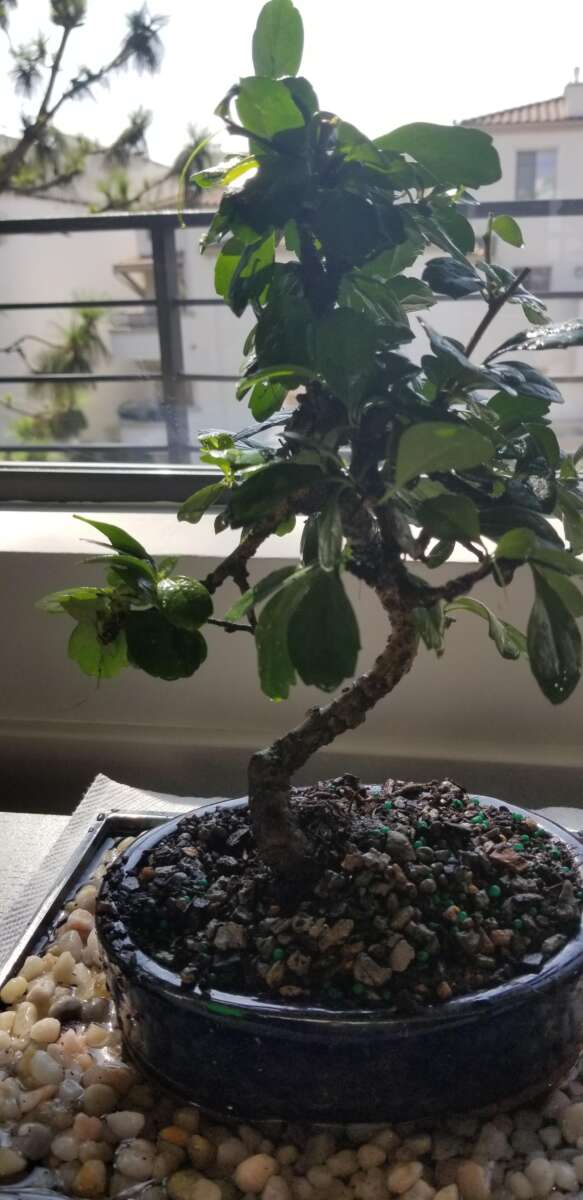
How Often To Water Bonsai: Expert Tips For Healthy Trees
Most bonsai need watering every day to every few days, depending on species and conditions.
I’ve cared for bonsai for over a decade, training trees from seedlings to mature specimens. In this guide I’ll explain how often to water bonsai, why frequency changes, and practical checks to get it right. Read on for clear, hands-on advice you can use today—whether you keep indoor ficus or outdoor junipers.
Why proper watering matters for bonsai
Water keeps bonsai alive, feeds roots, and helps trees resist stress. Bonsai live in small pots with limited soil. That means water moves through the pot quickly. Both too much and too little water can kill roots.
Good watering supports healthy growth, strong root systems, and proper leaf color. It also prevents pests and root rot when done correctly. Understanding how often to water bonsai is the first step to long-term success.
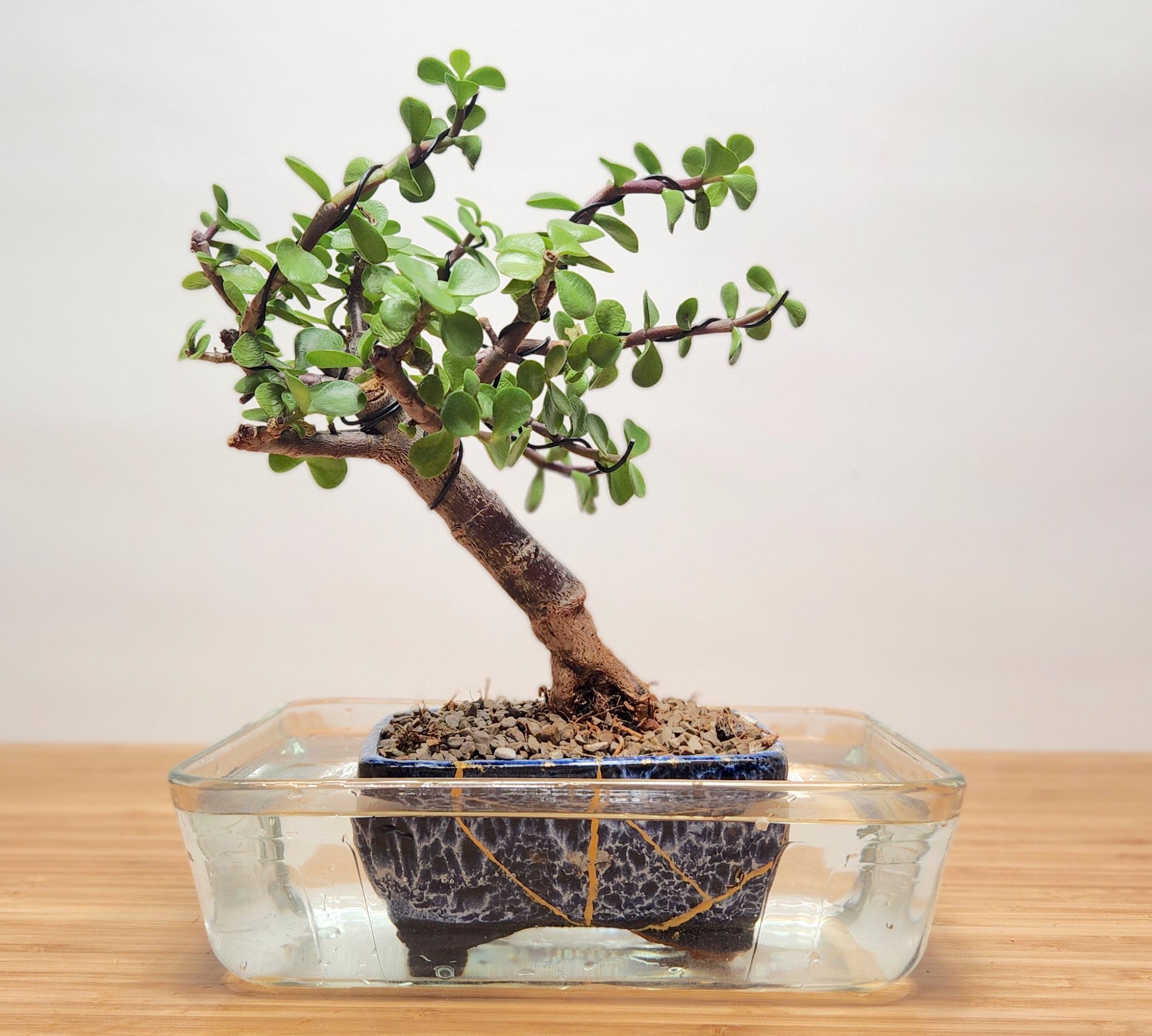
Key factors that determine how often to water bonsai
Water needs vary by many things. Consider these key factors when deciding how often to water bonsai.
- Species and climate: Trees like ficus hold water longer than pines; hot climates speed drying.
- Pot size and material: Small pots dry faster; unglazed clay pots lose moisture quicker.
- Soil mix and drainage: Fast-draining mixes need more frequent watering than moisture-retentive mixes.
- Season and weather: Growth season and heat increase water needs; dormancy reduces them.
- Tree age and size: Young trees with small roots need water more often than older trees with larger root mass.
- Styling and root work: Recently repotted or wired trees may need special attention during recovery.
- Placement: Indoor bonsai often need less water than outdoor bonsai in direct sun.
These factors explain why there’s no single fixed answer to how often to water bonsai. Use them to tailor your routine.
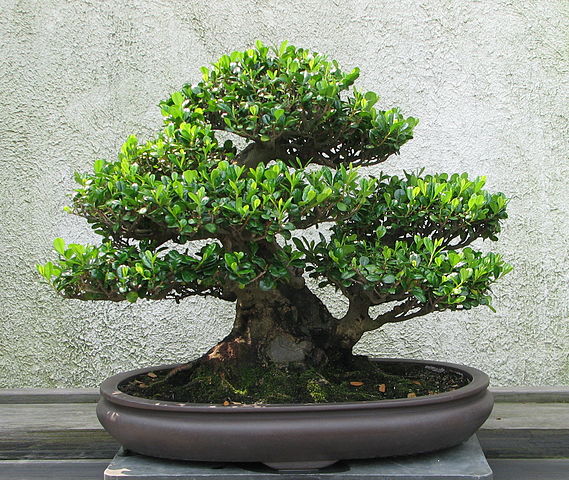
How to tell when to water: simple tests that work
Rely on checks, not a calendar. Here are easy ways to test soil moisture.
- Touch test: Press your finger into the soil about 1/2 inch. If it feels dry, water.
- Chopstick or skewer: Insert a wooden stick and pull it out; dry soil sticks less and looks lighter.
- Weight test: Lift the pot to feel the difference between wet and dry weight. You’ll learn the range.
- Soil color and texture: Dark, damp soil is wet; light, crumbly soil is dry.
- Leaf cues: Wilting, dull leaves, or brown edges can mean underwatering; yellowing and soft leaves can mean overwatering.
Combine tests. For example, use the touch test plus weight check on hot days. That gives a reliable sense of when to water.

How often to water bonsai: practical watering schedules
Below are sample ranges to guide you. Numbers are starting points, not rules.
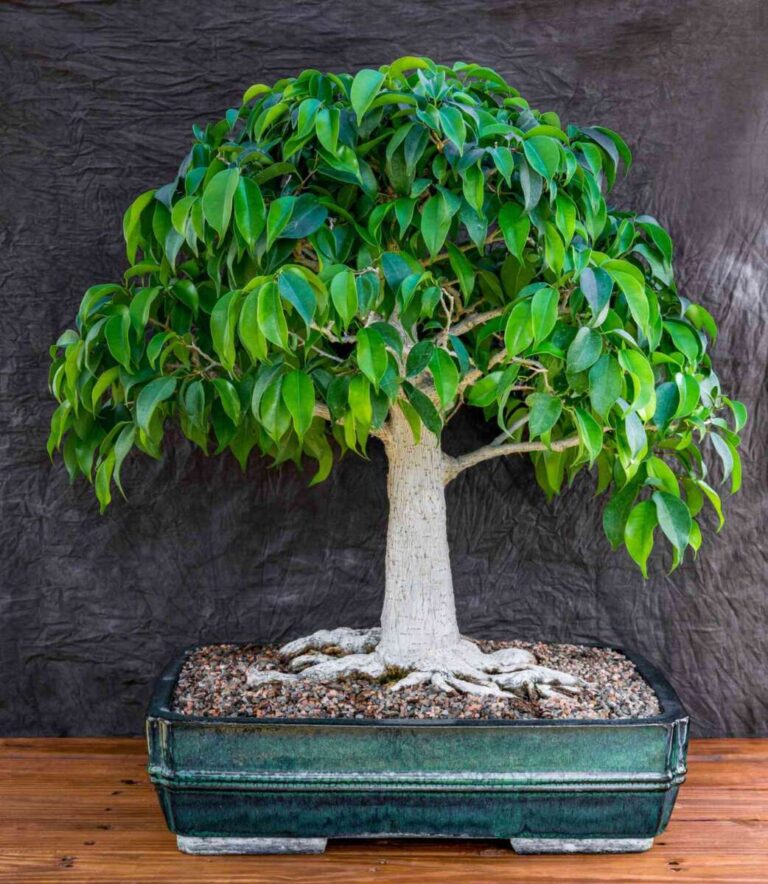
- Indoor tropical bonsai (ficus, schefflera): Water every 2–4 days in warm months; every 5–10 days in cool months.
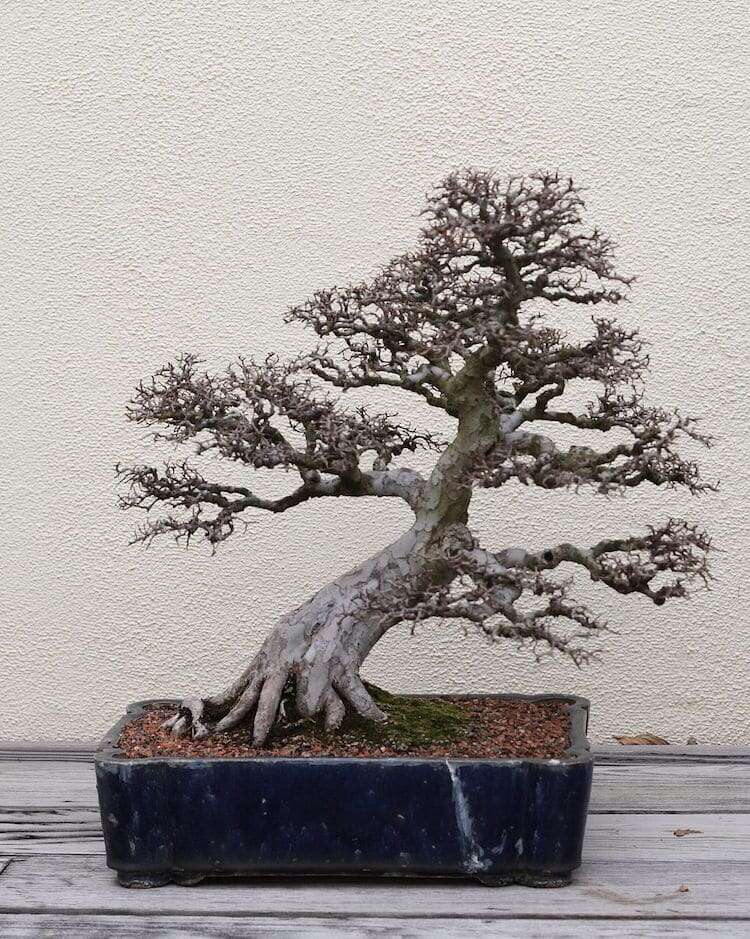
- Outdoor deciduous bonsai (maple, hornbeam): Water daily during hot weather; every 2–3 days in mild weather.
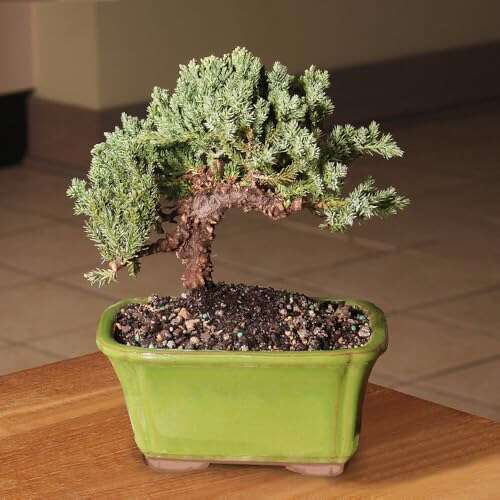
- Outdoor conifers (juniper, pine): Water every 1–3 days in summer; less often during cool, wet seasons.
- Newly repotted bonsai: Water more frequently to keep roots moist, often daily until establishment.
- Bonsai in very small pots: Expect to water daily or even twice daily in heat.
Remember: these patterns vary. Monitor each tree. The real answer to how often to water bonsai comes from watching your tree and responding.
Best watering techniques
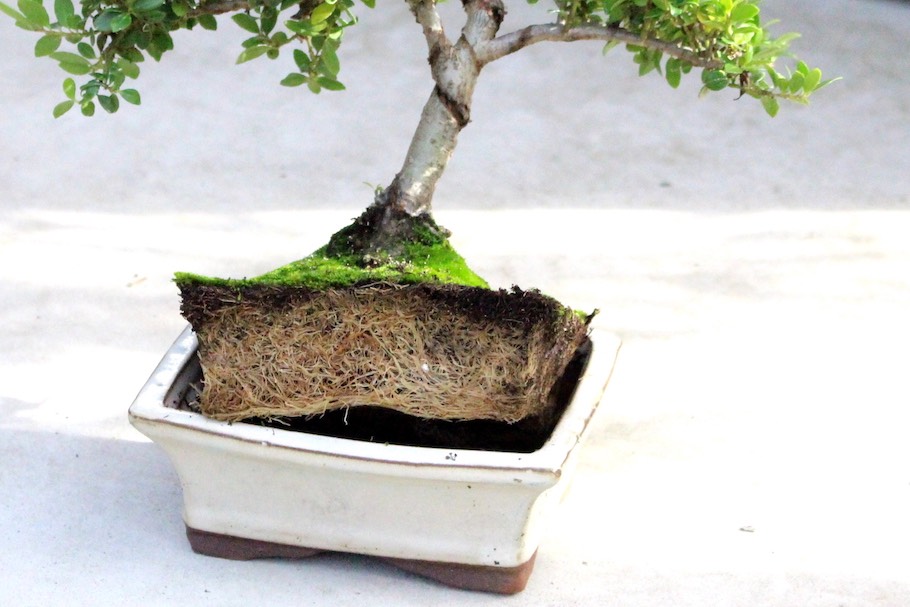
How you water matters as much as how often. Use methods that hydrate the whole root ball.
- Soak thoroughly: Water until it runs from the drainage holes, ensuring entire root mass wets.
- Water from above: Use a fine rose or gentle shower to avoid washing soil away.
- Bottom watering: Occasionally place the pot in a tray of water for 10–30 minutes to draw water up.
- Slow pour: Pour slowly so water penetrates instead of running off the surface.
- Rotate pots: Water in the morning to allow leaves to dry and reduce fungal risk.
Avoid light misting as your main method. Light spritzes help humidity but rarely hydrate roots enough.

Monitoring tools and routines
Tools make consistency easy. Use simple gear to measure and track moisture.
- Moisture meter: Gives a quick read on soil moisture at root depth.
- Chopstick or probe: Cheap and effective for daily checks.
- Tray and saucer: Helps with bottom watering and humidity control.
- Calendar or app: Track heavy watering after repotting or fertilization.
- Label pots: Note repot date, soil mix, and ideal watering cadence.
I use a moisture meter as a backup to touch tests. The meter corroborates my feel and helps on busy days.

Common mistakes and how to avoid them
Here are the usual pitfalls and fixes based on practical experience.
- Overwatering by schedule: Fix by testing soil instead of following a fixed day plan.
- Underwatering to avoid soggy pots: Fix by improving drainage and using proper soil mixes.
- Shallow, frequent sprays: Fix by doing deep soaks less often to encourage root depth.
- Poor drainage: Fix by repotting into a proper bonsai mix and ensuring drainage holes are clear.
- Ignoring seasonal shifts: Fix by adjusting frequency in spring, summer, fall, and winter.
I once lost a bonsai by watering on a strict schedule during an unusually cool summer. Since then I check soil every visit.
Species and seasonal guidance
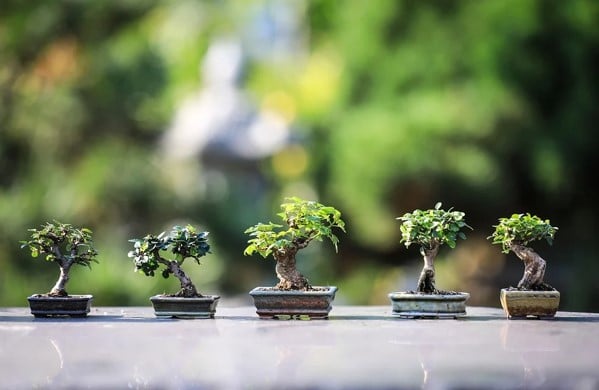
Water needs shift with season and type. Use these quick rules.
- Spring: Growth spikes water demand. Check daily in warm spells.
- Summer: High heat = frequent checks; many trees need water once or twice daily.
- Fall: Reduce frequency as growth slows; still watch for dry spells.
- Winter: Dormant trees need much less water; avoid keeping soil soggy.
Species notes:
- Ficus and other tropicals: Keep slightly moist year-round.
- Junipers and pines: Prefer cycles of slight drying between waterings.
- Maples and azaleas: Enjoy steady moisture during active growth.
Tailor how often to water bonsai to both species and season for best results.
My hands-on tips and lessons learned
Here are real lessons from years of bonsai care.
- Learn the wet/dry weight early. I lift pots weekly to learn the feel.
- Use a consistent pour method. I water each tree until runoff three times to flush salts.
- Track unusual weather. A cool, dry wind can double watering need overnight.
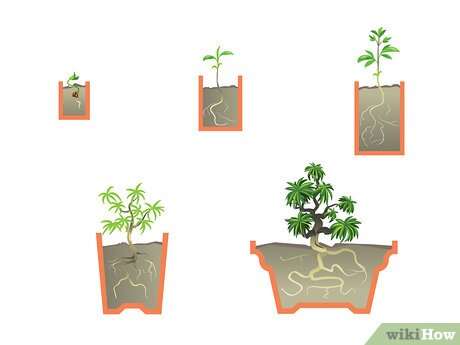
- Repot every 2–4 years. Fresh soil stabilizes how often to water bonsai and improves root health.
- Keep a small notebook. Write the date you watered after heavy work like repotting or wiring.
These practices saved trees for me and prevent guesswork.
Troubleshooting common signs
If you see problems, match the symptom to cause and adjust watering.
- Soft, yellow leaves and moldy soil: Likely overwatering; improve drainage and reduce frequency.
- Crispy, brown leaf tips and shriveled soil: Likely underwatering; soak deeply and check soil mix.
- Root odor or slimy roots: Rot from constant wetness; trim bad roots and repot into fresh mix.
- Wilting in heat but moist soil: Check root health and repot if roots are constrained.
Diagnose first, then change how often to water bonsai accordingly.
Frequently Asked Questions of how often to water bonsai
How often should I water my indoor bonsai?
Indoor bonsai often need water every 2–4 days in warm rooms and less in cool rooms. Always test soil with a finger or probe before watering.
Does watering in the morning or evening matter?
Morning watering is best because foliage dries during the day, which reduces fungal risk. Evening watering is okay for root hydration but may keep leaves damp overnight.
Can I water bonsai with tap water?
Yes, most tap water is fine. If your tap water is very hard or heavily chlorinated, let it sit overnight or use filtered water occasionally.
How do I water a bonsai when on vacation?
Do a deep soak before leaving and use self-watering trays or have a friend check daily. For long trips, consider a drip system or temporary shade to slow drying.
Will repotting change how often I need to water bonsai?
Yes. Fresh soil drains differently and young roots need more moisture. Expect to water more often until the tree settles.
Conclusion
Mastering how often to water bonsai means learning your tree, soil, pot, and climate. Test the soil, observe your plant, and adjust rather than following rigid rules. Start with the guidelines here and refine your routine with the touch test, weight checks, and seasonal awareness.
Take action today: check one bonsai now using the touch or weight test and note the result. Share your experience in the comments or subscribe for more practical bonsai tips.

Laura Bennett is a gardening writer at MyGardenLabs who creates beginner-friendly guides focused on solving common plant care and gardening problems.