How To Avoid Common Beginner Gardening Mistakes: Pro Tips
Start small, match plants to sun, water wisely, and build soil.
You’re here to learn how to avoid common beginner gardening mistakes, and you’re in the right place. I’ve coached hundreds of new gardeners and made plenty of errors myself. This guide shares what actually works, backed by experience and research. If you want a simple, reliable way to grow more with less stress, read on.

Choose and Plan Your Garden Smartly
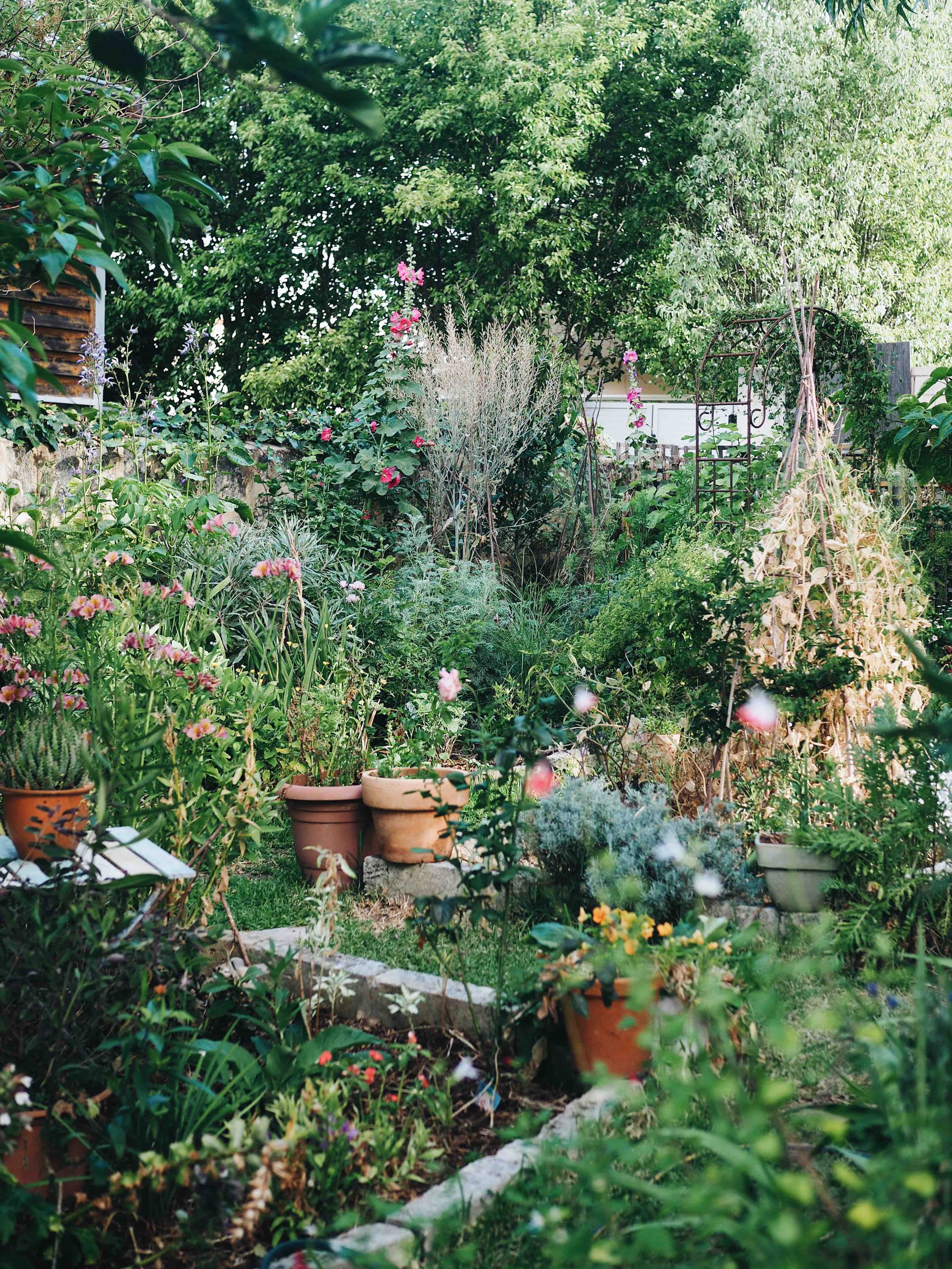
Here is how to avoid common beginner gardening mistakes right from day one: plan before you plant. Walk your space at different times of day. See where sun, shade, and wind hit. Start with one small bed or a few pots so you don’t get overwhelmed.
Set clear goals. Grow what you love to eat or what fits your climate. Map your layout on paper. Group plants by size, sun needs, and water needs. This simple step saves time and money.
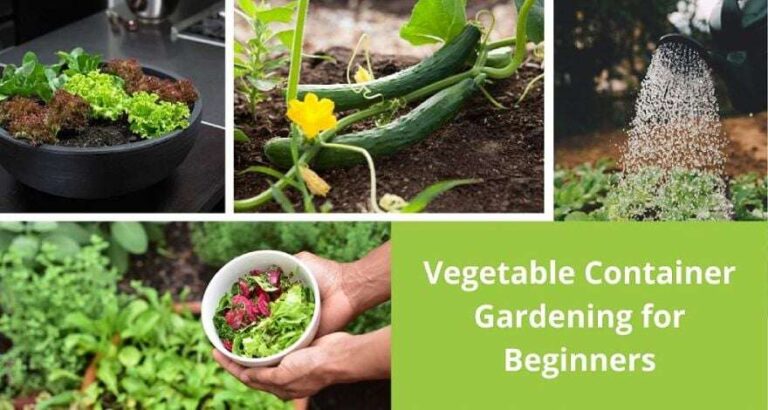
Use raised beds or large containers if your soil is poor. Keep paths wide enough to walk without stepping in beds. Healthy soil and smart access lead to healthier plants and a happier gardener.
Know Your Sun and Microclimate
If you ask how to avoid common beginner gardening mistakes, sun is near the top. Most veggies need at least 6 hours of direct sun. Fruit crops like tomatoes and peppers do best with 8 or more.
Watch for microclimates. A south-facing wall traps heat. A low spot can stay cooler and damp. Balconies might be windy and dry. Place sun lovers in your brightest spots, and give partial shade to greens and herbs.
A simple light test helps. On a bright day, check sun every hour. Note where light lasts the longest. This one exercise fixes many placement errors.

Start With Great Soil
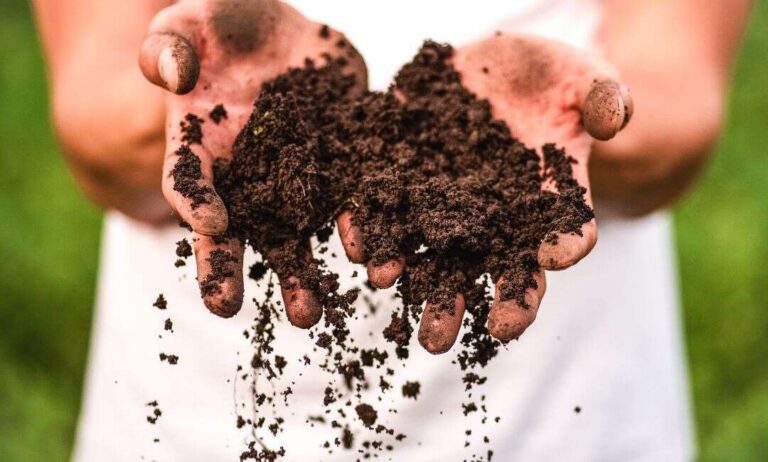
Great soil is the heart of how to avoid common beginner gardening mistakes. Soil should drain well yet hold moisture. It should feel crumbly and alive. If your plants struggle, the soil likely needs help.
Mix in compost before planting. Aim for two to three inches on top of beds. Avoid heavy tilling. It breaks soil life and structure. In containers, use a high-quality potting mix, not garden soil.
If you can, do a soil test. It checks pH and nutrients. Many local services offer low-cost kits. I learned this the hard way when my beans yellowed. The soil was short on nitrogen. A test would have saved a month of guesswork.

Water the Right Way
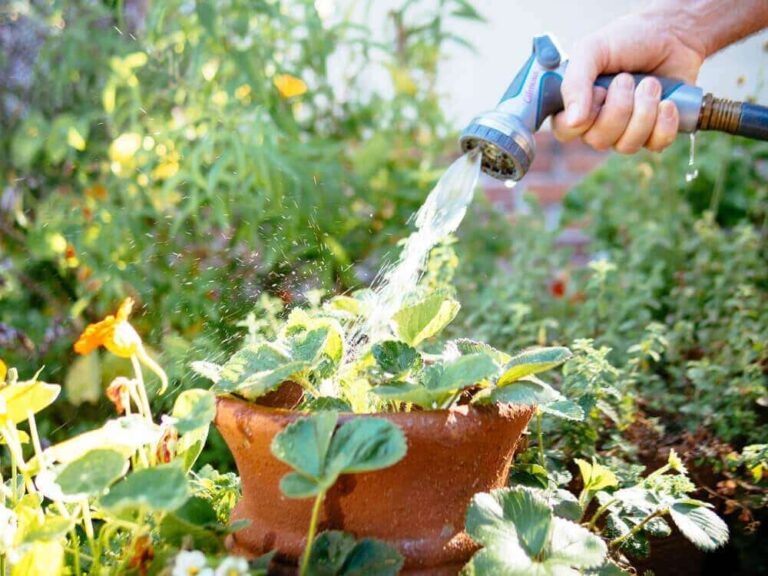
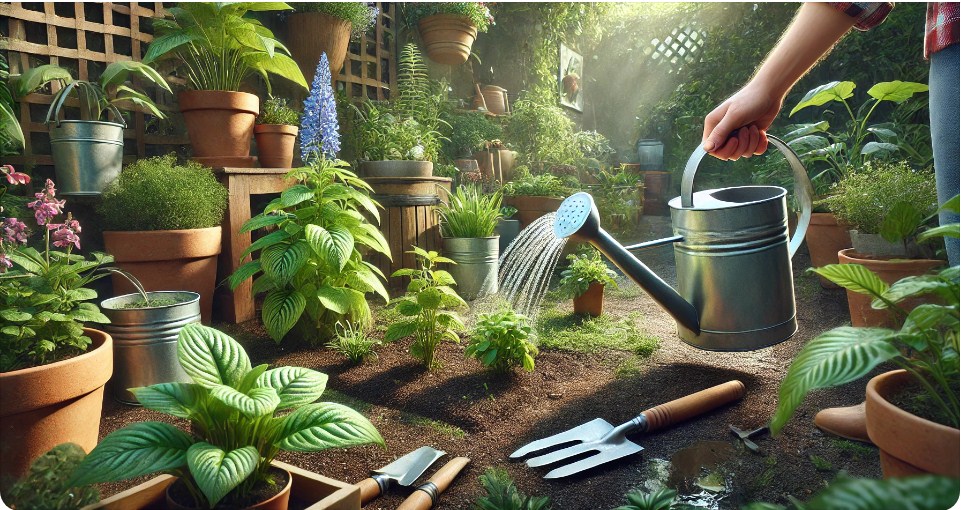
A big part of how to avoid common beginner gardening mistakes is watering. Most plants like deep, rare watering, not daily sprinkles. Shallow water makes shallow roots. Deep water builds strong roots.
Water early in the morning. Leaves dry faster and disease pressure drops. Avoid wetting leaves at night. Use your finger test. If the top inch is dry, it is time to water.
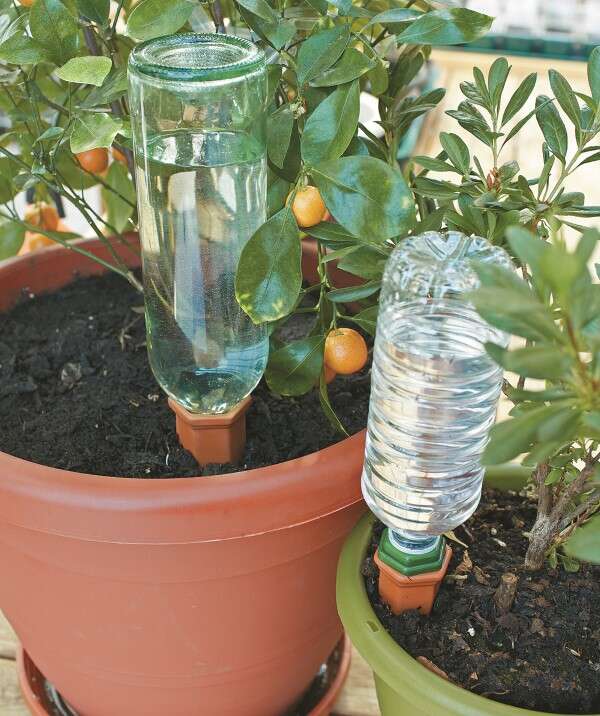
Try drip lines or soaker hoses. They save water and keep foliage dry. In pots, water until it runs out the bottom. Then wait until the top inch dries again.
Pick the Right Plants for Your Zone
Matching plants to climate is a core rule in how to avoid common beginner gardening mistakes. Check your hardiness zone and frost dates. Pick varieties bred for your area and season.
Choose disease-resistant types when you can. The tag often lists codes like VFN for tomato resistance. Start with easy wins. Lettuce, kale, bush beans, and herbs build early success.
Buy healthy starts or start seeds at the right time. Sturdy stems, green leaves, and no spots are good signs. Skip leggy or root-bound plants. They take longer to rebound.

Planting Depth and Spacing
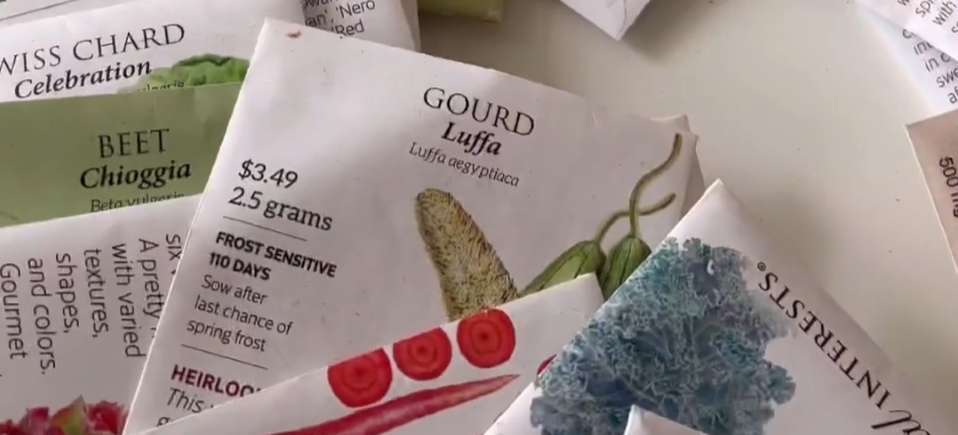
Planting too deep or too tight is common. It is also simple to fix if you know how to avoid common beginner gardening mistakes. Read the packet. Follow depth and spacing guides. They exist for a reason.
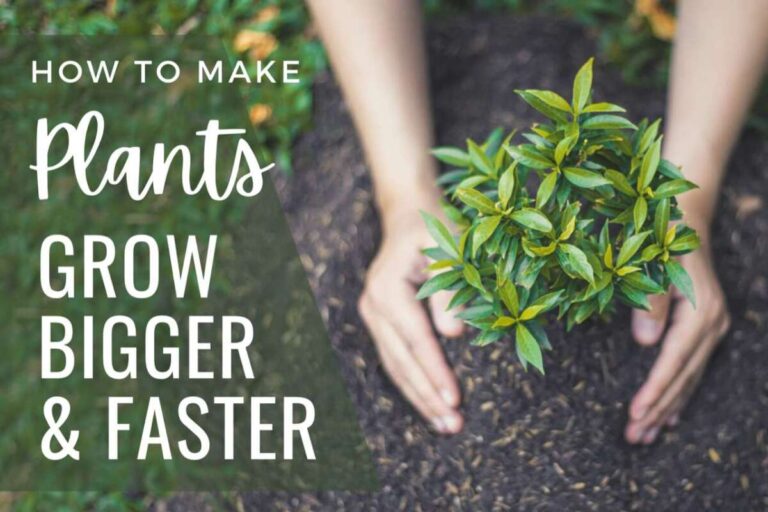
Give roots room. Plants compete for water, light, and nutrients. Proper spacing cuts disease and boosts airflow. Tomatoes are an exception. You can bury the stem a bit to form extra roots.
I once packed 12 tomatoes into a tiny bed. It looked lush, then disease hit. The next year I planted six, with stakes and space. The harvest doubled.

Feed and Mulch Wisely
Fertilizer helps, but more is not better. This is a key point in how to avoid common beginner gardening mistakes. Overfeeding can burn roots and create weak, leafy growth. Underfeeding can stunt plants.
Use slow-release or organic feeds. Follow label rates. Feed heavy feeders like tomatoes, corn, and squash more often. Leafy greens need steady nitrogen, but not too much.
Mulch is your best friend. Add two to three inches of straw, leaves, or wood chips around plants. Mulch saves water, cools roots, and blocks weeds. Keep mulch a few inches from stems.

Prevent Pests and Disease Early
Prevention is smarter than cure. This is central to how to avoid common beginner gardening mistakes. Start with healthy plants and clean tools. Give space for airflow. Water soil, not leaves.
Scout weekly. Flip leaves. Look for holes, spots, or sticky residue. Remove damaged leaves fast. Hand-pick pests like caterpillars. Use row covers on young brassicas.
If you need controls, start gentle. Insecticidal soap or neem oil can help with soft-bodied pests. Follow labels and spray at dusk to protect pollinators. Rotate crops each season to cut disease risk.

Prune, Stake, and Support
Good support prevents breakage and disease. It is part of how to avoid common beginner gardening mistakes. Stake tomatoes early. Train cucumbers and peas on trellises. Tie with soft ties, not wire.
Prune to shape and airflow. Remove tomato suckers if you want fewer, larger fruits. Trim dead or crossing branches on fruit shrubs. Clean pruners with alcohol between plants to avoid spread.
A tidy garden is not about looks. It is about health and easier harvests. Your back will thank you at picking time.
Learn the Seasons and Timing
Timing makes or breaks a harvest. It also shows how to avoid common beginner gardening mistakes in practice. Cool-season crops like lettuce, peas, and broccoli prefer spring and fall. Warm-season crops like tomatoes and squash need warm soil and nights.
Use your frost dates to plan. Seed indoors when needed. Harden off seedlings for a week before planting out. Succession plant every two to three weeks for a steady harvest.
Heat waves and cold snaps happen. Keep row covers or shade cloth on hand. A little prep saves a lot of plants.
Keep Records and Learn from Mistakes
A garden journal may be the most powerful tool in how to avoid common beginner gardening mistakes. Note dates, varieties, weather, and what worked. Track pests and fixes. Over time, patterns pop.
Take photos every week. You will spot changes you might miss. Save seed packets and receipts. This helps you repeat wins and avoid wasted buys.
I keep a simple note on my phone. Each season, I list winners, losers, and tweaks. The list shapes my next plan and boosts my harvests.
Frequently Asked Questions of how to avoid common beginner gardening mistakes
What is the fastest way to improve poor soil?
Add two to three inches of compost and mulch on top. Avoid deep tilling and let soil life do the mixing over time.
How often should I water new plants?
Water deeply two to three times a week in the first month. Adjust based on heat, wind, and soil type.
Do I need full sun for vegetables?
Most vegetables need at least 6 hours of direct sun. Leafy greens and herbs can do fine with 4 to 6 hours.
How do I know if I am overwatering?
Leaves may yellow and feel soft. The soil stays wet and may smell sour; let it dry to the first knuckle before watering again.
What are the best beginner crops?
Lettuce, kale, radishes, bush beans, zucchini, and many herbs are forgiving. They grow fast and teach core skills.
Should I start from seeds or buy starts?
Beginners do well with starts for tomatoes and peppers. Try seeds for greens and beans, which sprout fast and easy.
How can I prevent pests without harsh chemicals?
Use row covers, hand-pick, and encourage beneficial insects. Keep plants healthy with proper spacing, water, and mulch.
Conclusion
You now know how to avoid common beginner gardening mistakes: start small, match plants to your sun and climate, build soil, water deep, space well, and prevent problems early. Use mulch, support plants, and keep notes so each season gets easier and more abundant. Small, steady steps bring big harvests.
Ready to grow with confidence? Pick one tip to apply this week, then add another next week. Share your wins or questions in the comments, and subscribe for more simple, expert-backed garden guides.

Laura Bennett is a gardening writer at MyGardenLabs who creates beginner-friendly guides focused on solving common plant care and gardening problems.