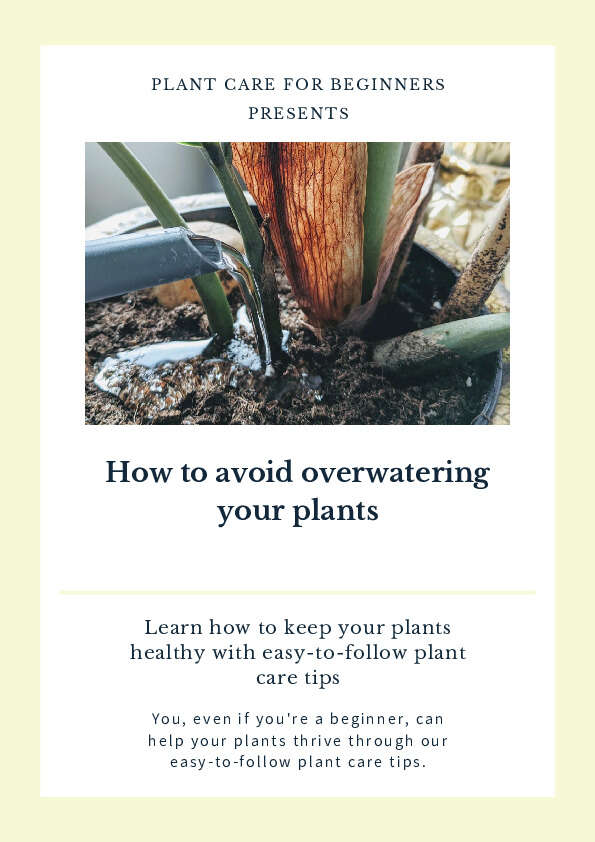
How To Avoid Overwatering Plants As A Beginner: Quick Tips
Water less, check the soil, and use pots that drain well.
If you are learning how to avoid overwatering plants as a beginner, you are not alone. I’ve coached hundreds of new plant parents, and I’ve killed a few plants myself. This guide gives you clear steps, simple checks, and pro habits. Follow along and your plants will look fresh, not soggy.
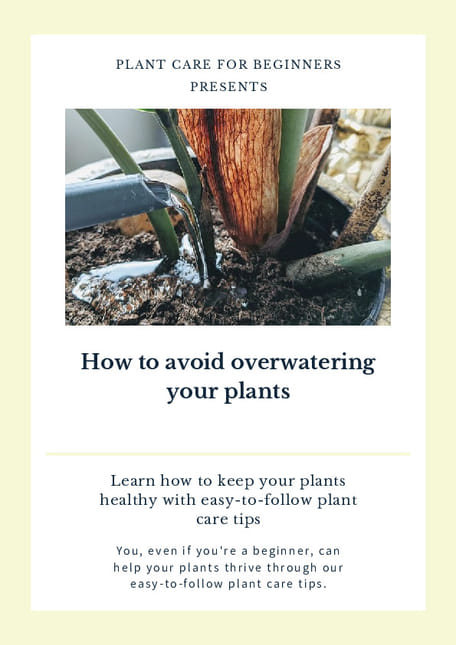
Why overwatering happens and how to spot it
Overwatering is not just too much water. It is too much water for the plant’s light, pot, and soil. Roots need air as much as water. Wet soil drives out air and starves the roots.
Look for soft stems, yellow leaves that drop, and slow growth. The soil may smell sour. You may see fungus gnats. These are classic signs that the roots sit in water.
Underwatered plants wilt but perk up fast after a drink. Overwatered plants stay limp and feel heavy. That quick check saves many plants.

How to Avoid Overwatering Plants as a Beginner: Core Rules
You can master how to avoid overwatering plants as a beginner with five core rules. Keep them close and use them each time you water.
- Match water to light. More light means more water use. Low light needs less.
- Always check the soil first. Dry top inch for most plants. Deeper for big pots.
- Water deep, not often. Then let the soil drain and breathe.
- Use pots with drainage holes. Empty saucers after 10 minutes.
- Adjust by season. Winter needs less. Growth months use more.
I learned these rules after losing a fern to root rot in my early days. I watered on a fixed day, not by need. The fix was easy: test the soil, then water. That habit is the heart of how to avoid overwatering plants as a beginner.
Tools and tests that prevent mistakes
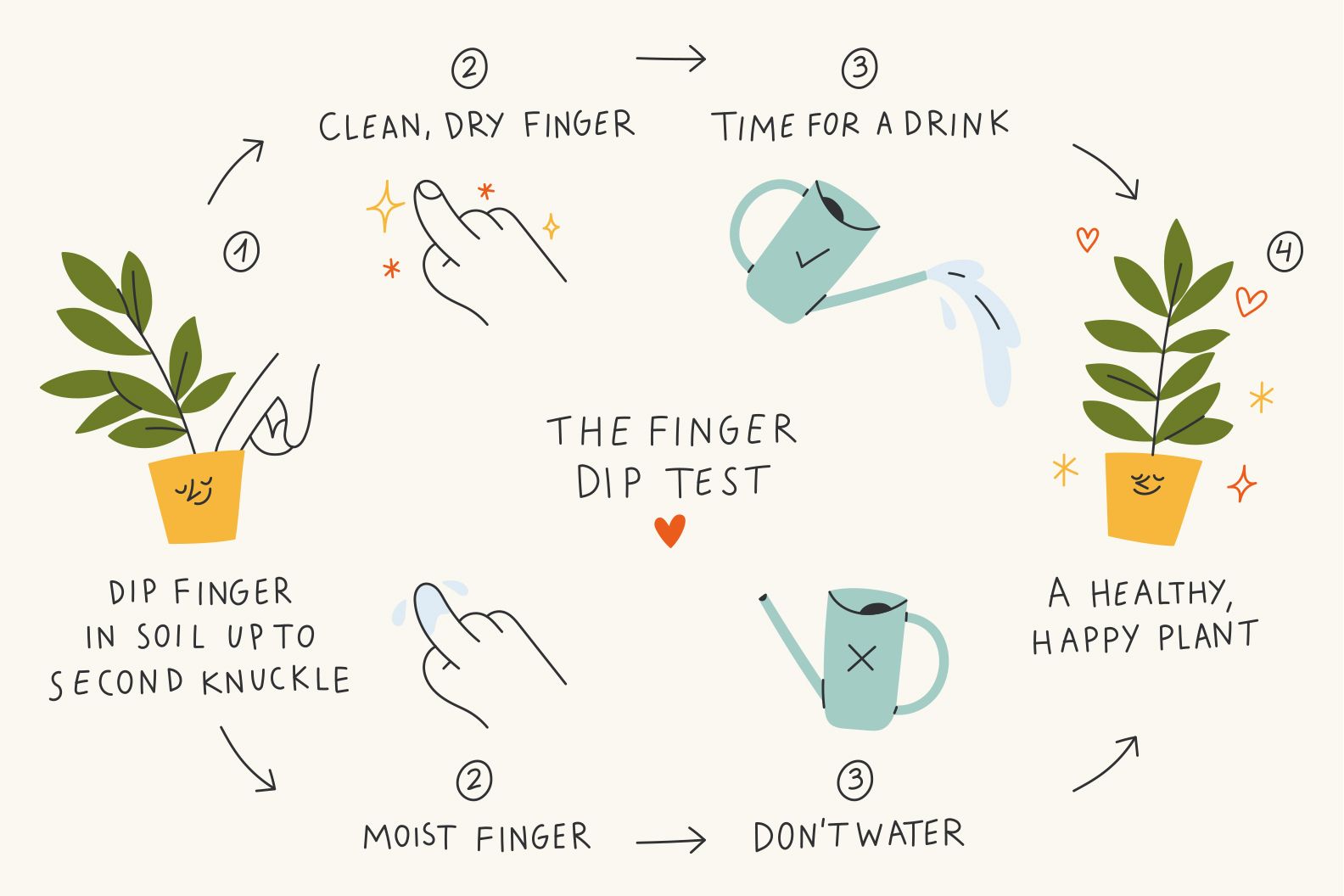
You do not need fancy gear. Simple tools help you decide when to water. Use at least one test each time.
- Finger test. Press one to two inches deep. If dry, water. If cool and damp, wait.
- Skewer test. Insert a wooden skewer. If it comes out clean and dry, water.
- Pot weight test. Lift the pot. Learn the “dry” and “wet” weight over time.
- Moisture meter. Use as a guide, not the law. Cross-check with feel.
- Clear nursery pots. Slip inside a cache pot. You can see roots and moisture.
In my studio, the pot weight test is my go-to. It works fast and keeps me from guessing. It is a simple way for how to avoid overwatering plants as a beginner.
Soil, pots, and drainage matter most
Good soil and the right pot make or break your odds. Roots need air pockets in the mix. Drainage holes are non-negotiable.
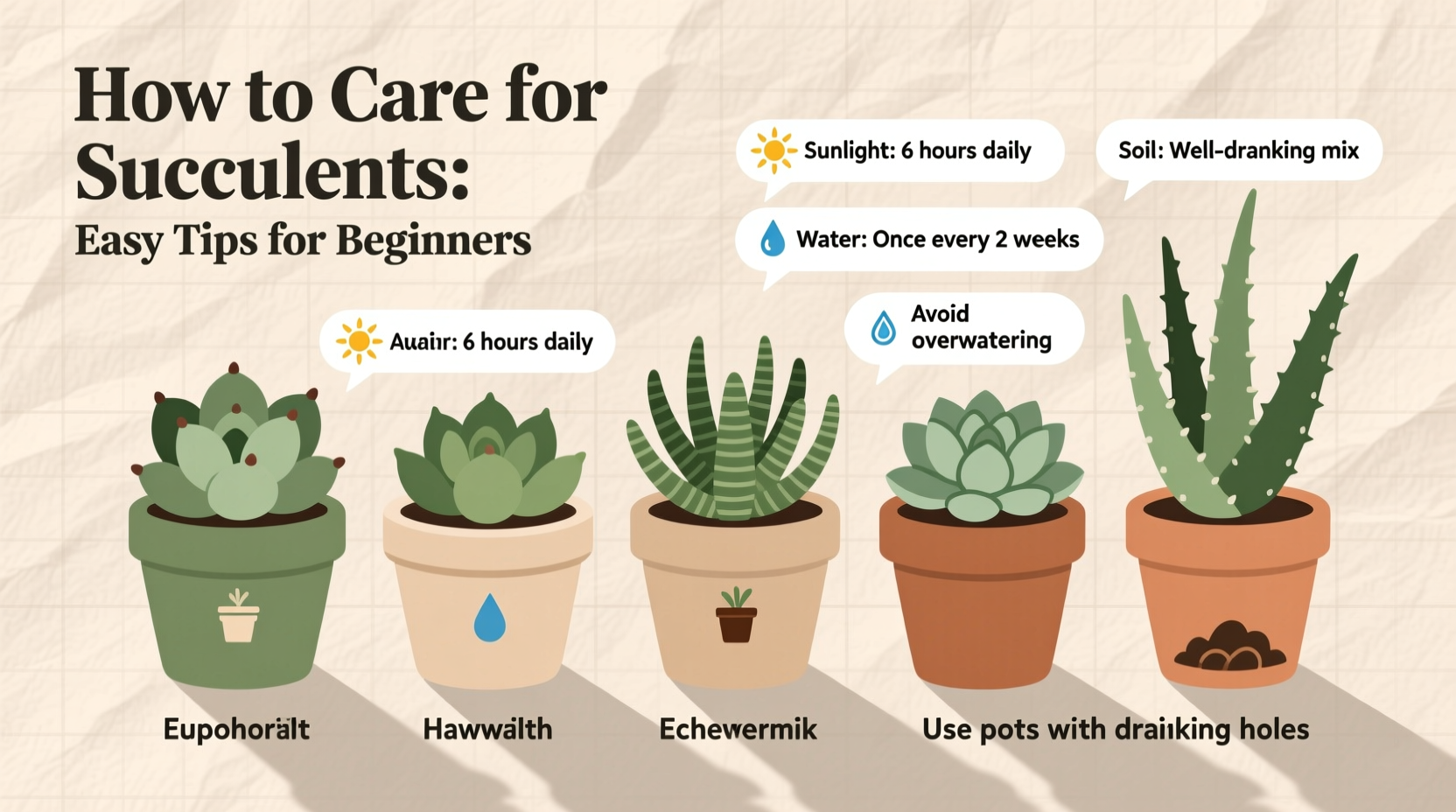
- Use a chunky mix for aroids and succulents. Add perlite or bark for airflow.
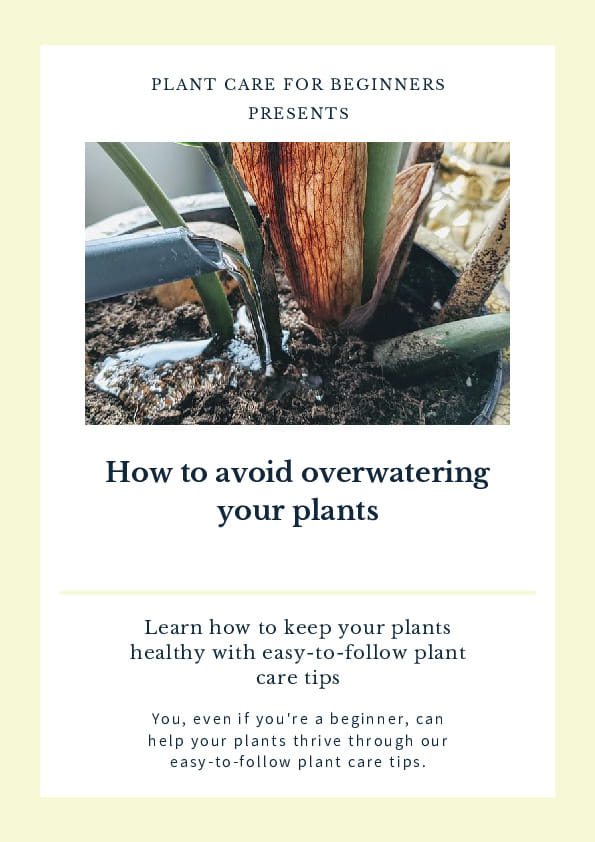
- Use terracotta for thirsty tenders. It breathes and dries faster.
- Avoid pot covers without drainage. If you must, pull the grow pot out to water.
- Choose a pot only one size up when repotting. Big pots hold extra water.
I once put a snake plant in a huge ceramic pot. It stayed wet for weeks and sulked. A smaller terracotta pot fixed it. Mix and pot choice is a quiet key in how to avoid overwatering plants as a beginner.
Watering methods that reduce risk
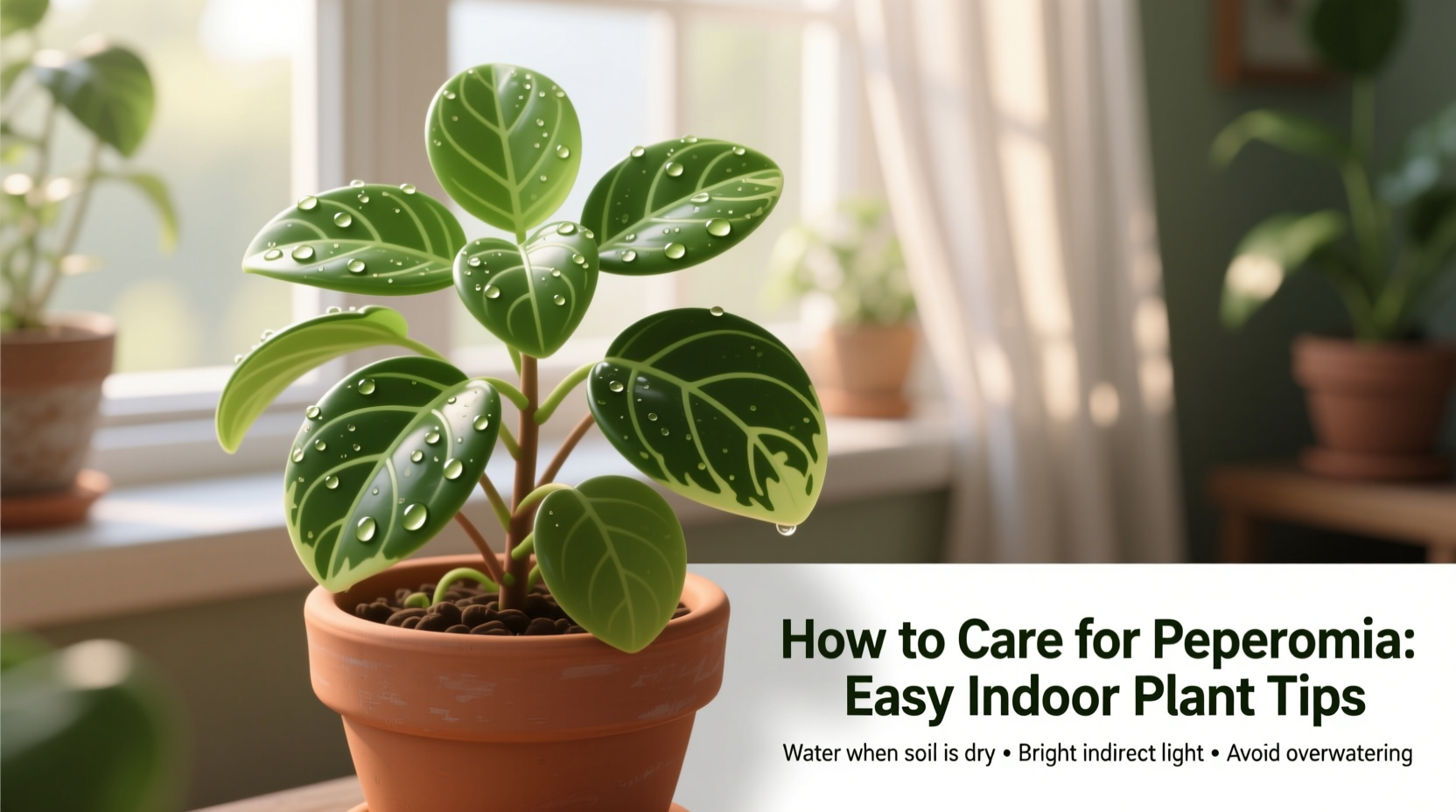
How you water is as vital as when you water. Aim to wet all the soil, then drain well.
- Top water slowly. Move around the soil to wet it even.
- Water until you see a steady stream from the holes. Then stop.
- Empty the saucer. Do not let the pot sit in runoff.
- Try bottom watering for compact mixes. Soak from below for 10–20 minutes, then drain.
- Use room temperature water. Cold shocks roots and slows uptake.
For busy weeks, I bottom water small pots while I make coffee. It gives me control and keeps leaves dry. That habit supports how to avoid overwatering plants as a beginner.
Calibrate water to light, humidity, and season
Plants drink more in bright light and dry air. They drink less in low light and cool rooms. Your space sets the pace.
- Bright south or west windows: check more often.
- North windows or far from light: wait longer.
- High humidity slows drying. Use less water or add airflow.
- Winter means short days. Cut water volume and increase gaps.
I track these shifts on a note in my phone. Simple cues like “days shorter, water less” are a big win in how to avoid overwatering plants as a beginner.

Plant-by-plant pointers you can trust
Each plant group has its own comfort zone. Here are quick guides to stay safe.
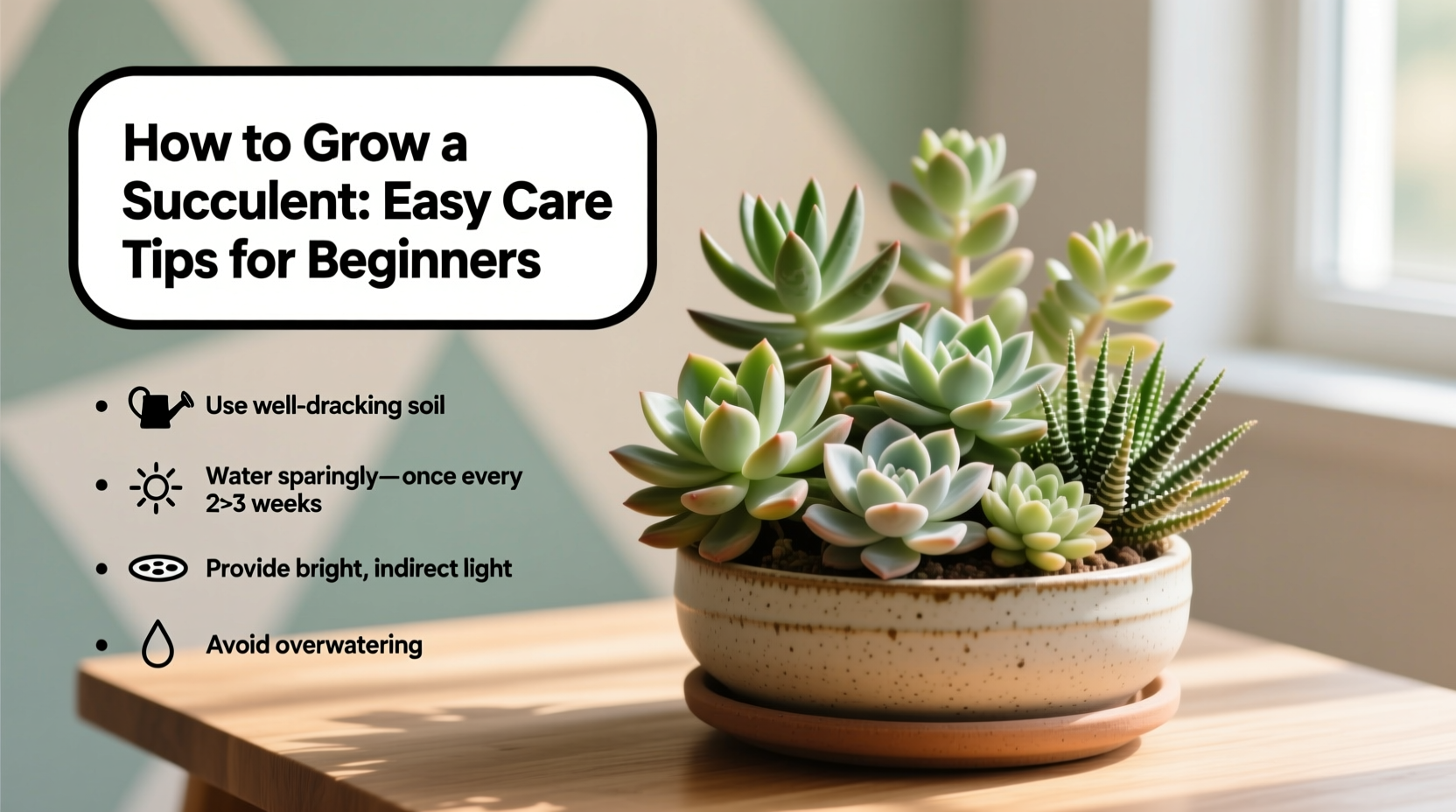
- Succulents and cacti. Let the mix dry out fully. Bright light helps them use water.
- Snake plant and ZZ plant. Dry most of the way down before watering again.
- Pothos and philodendron. Top inch or two dry is fine. Bright light speeds dry time.
- Peace lily and ferns. Keep evenly moist, not soggy. Never let them sit in water.
- Herbs and veggies in pots. Drainage is vital. Sun and airflow prevent rot.
These rules help frame how to avoid overwatering plants as a beginner without stress. You will refine them as you learn your space.
Rescue plan: what to do if you overwatered
Do not panic. Most plants bounce back if you act fast. Your move depends on how wet the soil is and how the roots look.
- Check the roots. Healthy roots are white and firm. Brown mushy roots need trimming.
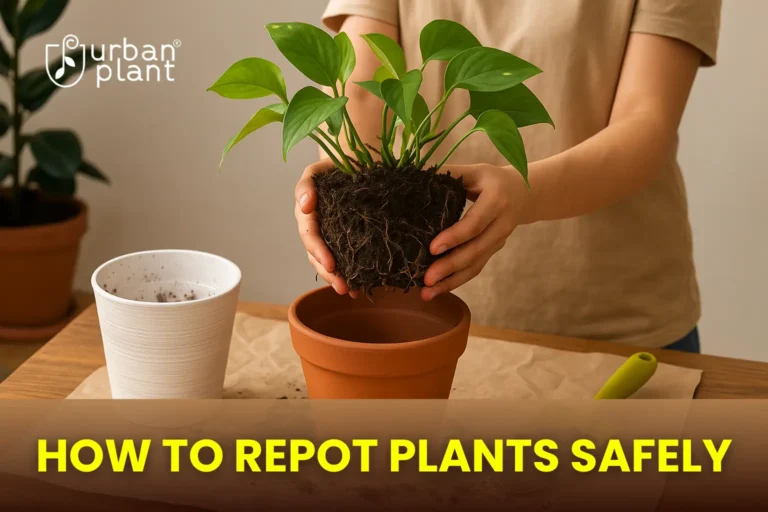
- Repot if the soil is waterlogged. Use a fresh, airy mix.
- Cut back on water and move to bright, indirect light.
- Add airflow. A small fan helps soil dry and roots recover.
- Hold fertilizer until you see new growth.
I once saved a peace lily by trimming rot and repotting in a barky mix. It came back in three weeks. A calm rescue plan is part of how to avoid overwatering plants as a beginner.

A simple weekly plan you can follow
A routine keeps you steady. Use this plan and tweak as you learn.
- Pick two check days per week. Only water if a test says so.
- Do the finger or skewer test first. Confirm with pot weight.
- Scan leaves and stems for yellowing or spots.
- Empty all saucers. Check for gnats and treat if needed.
- Log what you watered. Note light and season changes.
This plan is my core method for how to avoid overwatering plants as a beginner. It turns guesswork into a habit you can trust.
Smart gear that makes it easier
You do not need to spend a lot. A few items help a lot, especially if you travel or forget.
- Self-watering planters. Good for herbs and thirsty plants. Use the right wick mix.
- Terracotta spikes. Slow-release water for small pots.
- Humidity trays. Reduce how often you water in dry homes.
- Clip-on fans. Gentle airflow fights soggy soil.
Use gear to support how to avoid overwatering plants as a beginner, not to replace your checks. Think of it as a safety net.
Frequently Asked Questions of how to avoid overwatering plants as a beginner
How often should I water my houseplants?
There is no fixed schedule. Check the soil and water only when the plant needs it, which depends on light, pot, and season.
What are the top signs of overwatering?
Yellow leaves, soft stems, and soil that stays wet for days are signs. A musty smell or fungus gnats also point to too much moisture.
Do I need a moisture meter?
Meters help, but they are not perfect. Use them with the finger or skewer test and the pot weight test.
Can I fix root rot?
Yes, if you catch it early. Trim mushy roots, repot in fresh airy mix, reduce water, and give bright, indirect light.
Is bottom watering better than top watering?
Neither is always best. Bottom watering can help compact soil, but always let the pot drain so roots get air.
Should I water after repotting?
Usually wait a day to let root nicks seal, then water well. For very dry-root plants like succulents, wait a bit longer.
Do drainage holes really matter?
Yes, they are vital. Drainage holes prevent water from pooling and reduce the risk of root rot.
Conclusion
You now have a clear path to keep your plants happy and your soil airy. Check the soil, match water to light, and use a mix and pot that breathe. With these habits, you will master how to avoid overwatering plants as a beginner and enjoy steady growth.
Start with one change this week: test before you pour. Then build the routine that fits your space. If this helped, subscribe for more plant tips or leave a comment with your wins and questions.

Laura Bennett is a gardening writer at MyGardenLabs who creates beginner-friendly guides focused on solving common plant care and gardening problems.