How To Care For Plants In Low Sunlight: Best Tips 2026
Give plants bright indirect light, water less, rotate often, and add grow lights.
If your home or office feels dim, you can still grow thriving plants. I’ve spent years testing what works on windowless desks, north-facing rooms, and shady corners. This guide shows how to care for plants in low sunlight with simple steps, proven tips, and science-backed methods you can trust. Stick with me and you will learn how to care for plants in low sunlight like a pro.

What “low light” really means
Low light is not no light. Think of it as bright enough to read, but not sunny. In numbers, that can be 50 to 250 foot-candles for most low-light plants. North windows, rooms set back from windows, or spaces several feet from a bright window fit this range.
You may see slow growth and darker leaves, which is normal. Long, stretched stems mean the plant wants more light. If you wonder how to care for plants in low sunlight, start by checking how far they sit from the nearest window and how long the room stays bright each day.
Practical checks:
- Stand where the plant sits and try to read a book. If you can read without a lamp, it is likely low light.
- Use your phone’s light meter app as a rough guide. Aim for 50 to 250 foot-candles for shade-tolerant plants.
- Watch shadows. In low light, shadows look soft and faint.
:max_bytes(150000):strip_icc()/eight-houseplants-that-thrive-in-low-light-8-0922-2000-39845777816b4f1f8a49b6ef758ef35e.jpg)
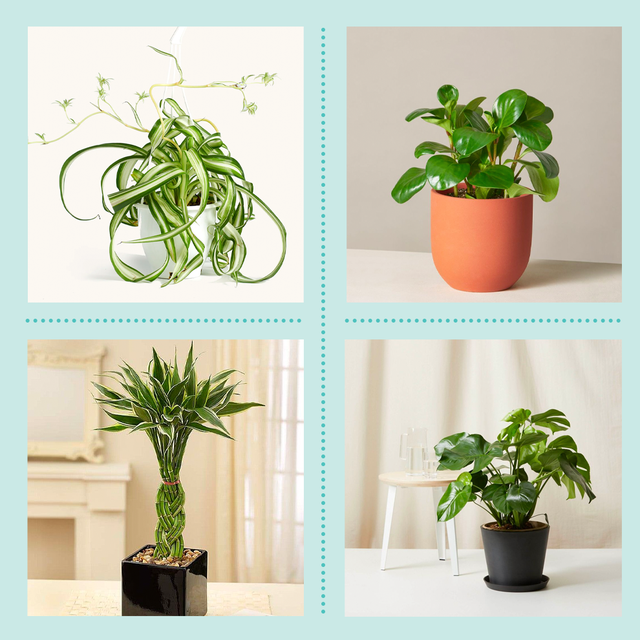
Choose plants that actually like low light
Some plants adapt better than others. I learned this the hard way after losing a few succulents on a dark shelf. Pick plants that evolved under forest canopies or in shaded understories. That is the core of how to care for plants in low sunlight.
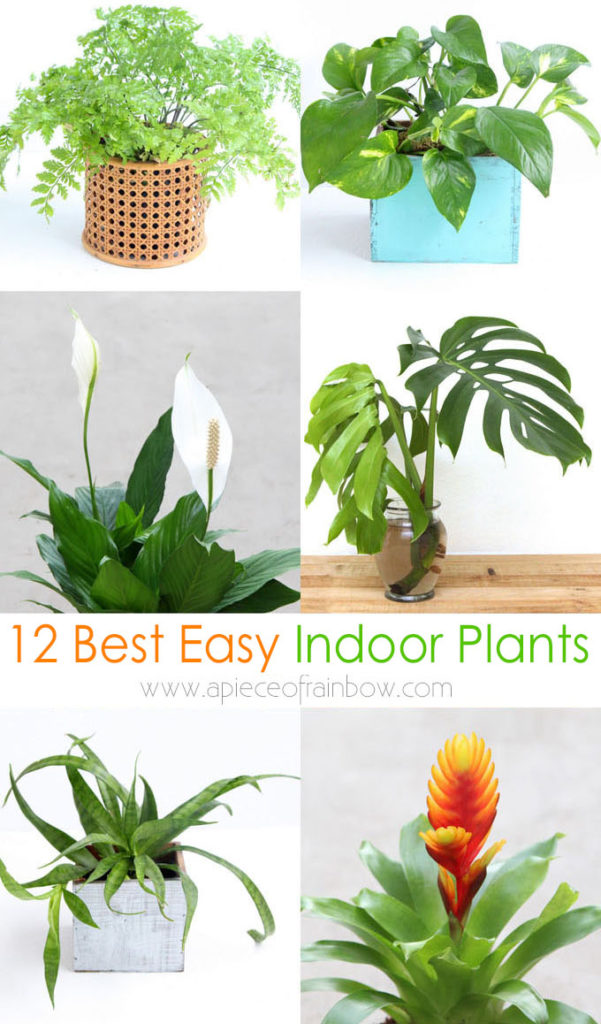
Great options:
- ZZ plant
- Snake plant
- Pothos
- Heartleaf philodendron
- Peace lily
- Cast iron plant
- Aglaonema
- Bird’s nest fern
- Parlor palm
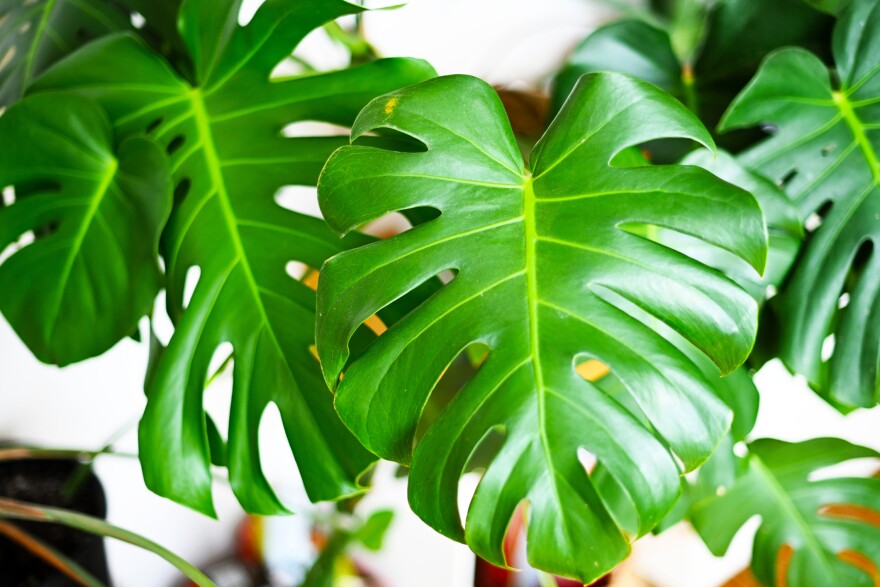
- Monstera adansonii in bright low light
Skip most succulents and cacti in dim rooms. They crave strong sun and get leggy fast. In my office, a snake plant and a ZZ plant have lived six years on a shelf six feet from a window.
Make the most of the light you have
Your plant can use more light than you think if you help it. Clean dust off leaves every month to boost light capture. Studies show dust can cut light by a large margin. Rotate the pot a quarter turn each week so growth stays even.
Simple upgrades:
- Move plants closer to the brightest spot, even one or two feet.
- Use sheer curtains to soften harsh light without blocking it.
- Place a mirror or a white board behind plants to bounce light.
- Add a small LED grow light for 12 to 14 hours daily on a timer.
For most low-light plants, set a full-spectrum LED 12 to 24 inches away. Look for 4000 to 6500 K white. This is a key step in how to care for plants in low sunlight when windows are not enough.
Water and humidity in dim rooms
Low light slows growth. That means your plant drinks less water. Overwatering is the number one mistake I see. I did it too, until I soaked a snake plant only once a month and it perked up.
Easy watering rules:
- Check soil with your finger. Water when the top one to two inches are dry.
- Lift the pot. When it feels much lighter, water well and let it drain.
- Use pots with drainage holes. Never let roots sit in saucers of water.
- Keep humidity near 40 to 60 percent. Group plants or use a small humidifier.
Peace lily and ferns like more moisture, but still want drainage. Snake plants and ZZ plants want the soil to dry almost all the way. This balance is central to how to care for plants in low sunlight.
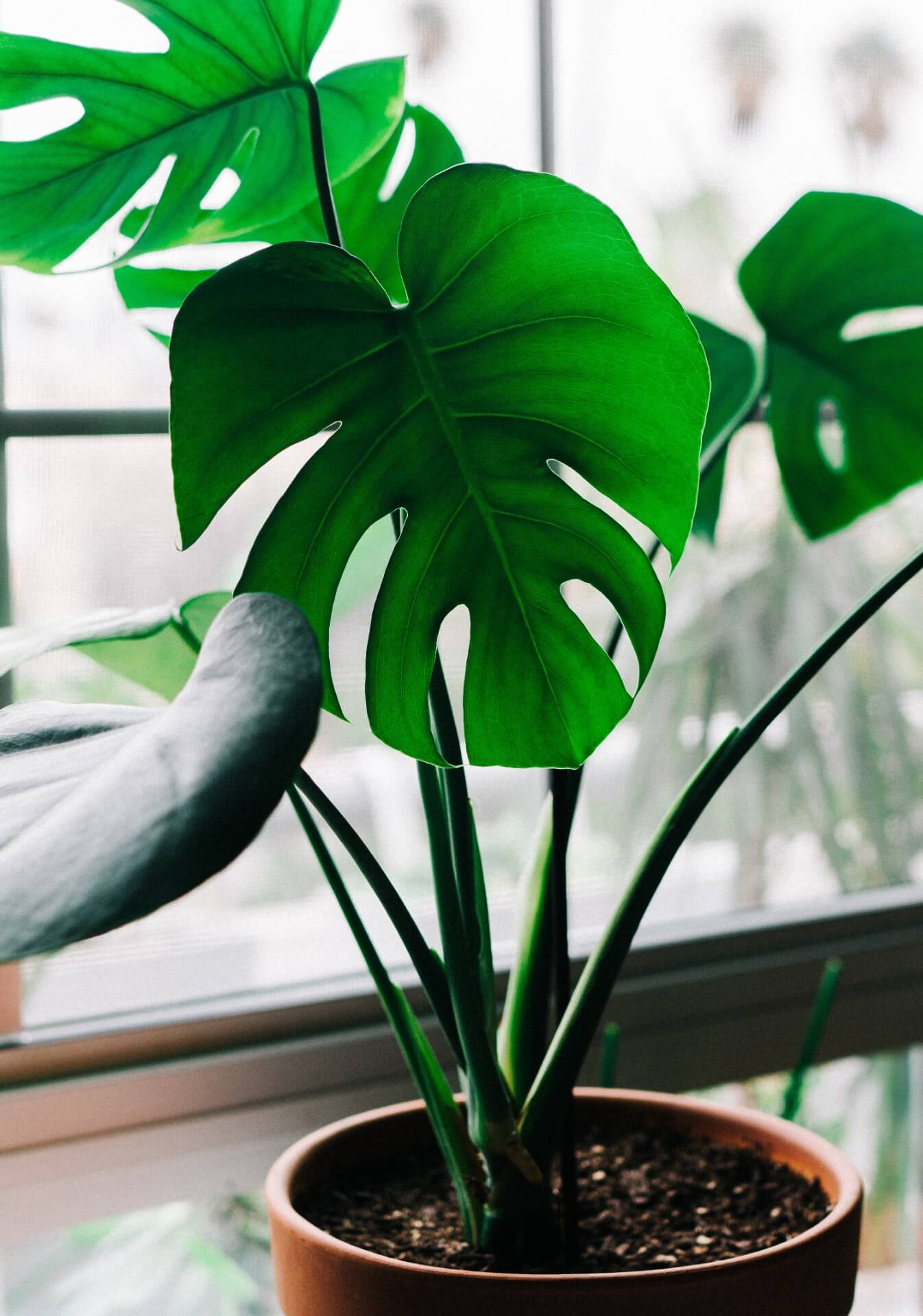
Soil and pot choices that prevent rot
In low light, roots need air as much as water. Use a mix that drains fast and does not stay soggy. For aroids like pothos and philodendron, try coco coir or peat-free base with perlite and bark. For snake plants and ZZ plants, use a cactus blend with extra perlite.
Pot tips:
- Size up only when roots circle the pot or water runs off quickly.
- Terracotta breathes and helps soil dry. Plastic holds moisture longer.
- Add a mesh or coffee filter over drainage holes to keep soil in, not water out.
Healthy roots are the backbone of how to care for plants in low sunlight. Keep soil airy and your plant will reward you.
Feeding without overdoing it
Plants in low light eat less. Heavy feeding can burn roots and push weak, leggy growth. I feed at half strength in spring and summer, and I stop in fall and winter.
Feeding basics:
- Use a balanced liquid fertilizer at half strength every 4 to 6 weeks in active months.
- Slow-release pellets are fine, but go light.
- Skip feeding when growth pauses or after repotting for a few weeks.
This gentle plan is a smart part of how to care for plants in low sunlight.

Pests and diseases in dim spaces
Dim rooms can mean cooler air and wetter soil. That can invite fungus gnats. Tap the pot and watch for tiny flies. If you see them, let the top layer dry more, use sticky traps, and water less often. Spider mites prefer very dry air, so raise humidity if leaves look speckled.
Good hygiene:
- Quarantine new plants for two weeks.
- Wipe leaves with a damp cloth. Clean leaves do better under low light.
- Use insecticidal soap or neem oil if pests appear. Repeat weekly for two to three weeks.
Strong prevention is smart when learning how to care for plants in low sunlight.
Seasonal rhythm and realistic goals
Growth slows in fall and winter. That is normal. Give more light hours with a timer if you can. Water less and hold fertilizer. In spring, prune leggy vines and restart feeding.
Keep expectations kind. Slow growth is still growth. Propagate cuttings to fill out a pot. This mindset helps you master how to care for plants in low sunlight without stress.

Troubleshooting: quick fixes that work
Leaves turning yellow
- Check for overwatering. Let soil dry more between waterings.
- Improve drainage and move the plant closer to light.
Brown tips
- Raise humidity and avoid letting soil swing from soaked to bone dry.
- Check for salt buildup and flush the soil.
Leggy, stretched stems
- Increase light time or move closer to a window.
- Pinch back stems to encourage fuller growth.
No growth for months
- Add a small grow light. Feed lightly in spring.
- Check roots. If rootbound or rotting, repot with fresh mix.
Mushy stems or roots
- Cut off soft parts. Repot in dry, airy mix.
- Reduce watering and improve airflow.
Use this checklist any time you wonder how to care for plants in low sunlight and what to adjust first.
A simple weekly routine
Follow this quick plan. It is the routine I use for my low-light office jungle.
- Monday: Rotate each plant a quarter turn and dust one plant’s leaves.
- Wednesday: Check soil with your finger. Water only the pots that are dry.
- Friday: Inspect leaves for pests, spots, and droop. Trim yellow or dead parts.
- Sunday: If using grow lights, confirm timers run 12 to 14 hours.
This routine keeps you on track with how to care for plants in low sunlight without guesswork.
Frequently Asked Questions of how to care for plants in low sunlight
What is considered low light for houseplants?
Low light is a bright room without direct sun, around 50 to 250 foot-candles. If you can read a book without turning on a lamp, it likely counts.
Can any plant survive in no light at all?
No plant can live without light. For windowless rooms, use a small LED grow light on a timer.
How often should I water plants in low light?
Water less often than in bright rooms. Wait until the top one to two inches of soil are dry, then water fully.
Which plants are best for low light beginners?
Try ZZ plant, snake plant, pothos, and peace lily. They forgive missed waterings and adapt well indoors.
Do grow lights really help in low light rooms?
Yes, they add usable light for photosynthesis. A 12 to 14 hour cycle with a small LED makes a big difference.
Conclusion
You can grow a lush indoor garden even in dim rooms. Choose plants built for shade, give gentle but steady light, water less, and keep roots airy. Add a simple weekly routine and you will master how to care for plants in low sunlight with confidence.
Start with one plant and apply one tip this week. Then add a grow light or improve your mix next week. Ready for more? Subscribe for new plant guides, ask a question in the comments, or share your own low light wins.

Laura Bennett is a gardening writer at MyGardenLabs who creates beginner-friendly guides focused on solving common plant care and gardening problems.