How To Choose Beginner Friendly Plants: Best Guide 2026
Choose beginner friendly plants by matching light, watering habits, and low-maintenance species.
If you want to know how to choose beginner friendly plants, you’re in the right place. I’ve helped hundreds of new plant parents build happy, low-stress indoor jungles. In this guide, I’ll show you how to choose beginner friendly plants with simple checks, real-life examples, and clear steps that work in any home.
Start with light: the biggest success factor
Light decides which plants will thrive for you. Most beginner mistakes start here, not with watering. To learn how to choose beginner friendly plants, begin by matching plants to your window and light hours.
Try these quick tests:
- Stand in the spot at noon. If the sun hits you, that is bright direct light.
- If you see a clear soft shadow, that is bright indirect light.
- A fuzzy shadow or no shadow often means low light.
Tips that help:
- East windows give gentle morning sun. Great for many easy houseplants.
- South windows give the most light. Move plants a few feet back for safety.
- North windows are low light. Choose tough shade lovers.
- Use a simple lux app or the shadow test. You do not need a meter.
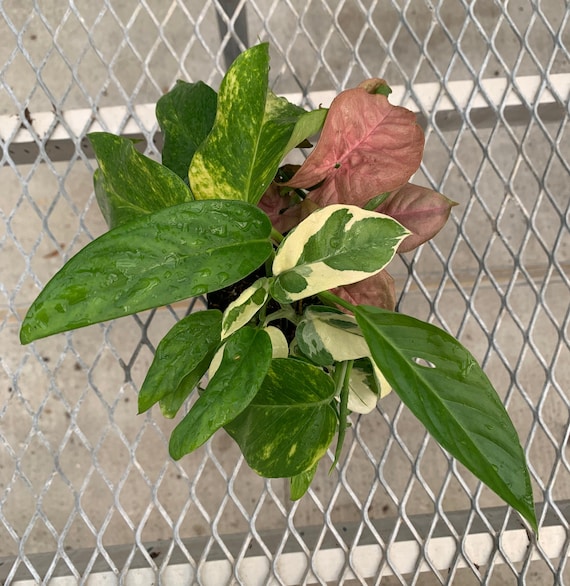
From my experience, pothos and snake plants do fine a few feet from a bright window. I once tried a succulent in a dim office. It stretched and fell over in six weeks. Light was the issue, not love.
If you wonder how to choose beginner friendly plants for low light, choose species that evolved in shade. You will save time, money, and heartache.
Source: alibaba.com
Match plants to your watering style
Overwatering is the top killer. Underwatering is easier to fix. When learning how to choose beginner friendly plants, be honest about how often you will water.
Simple rules:
- If you like to water often, choose thirstier plants. Think peace lily or ferns.
- If you forget to water, choose drought-tolerant plants. Think snake plant or ZZ plant.
- Use the finger test. Check the top inch of soil. Dry means water. Damp means wait.
- Water until it drains out the bottom. Empty saucers after 15 minutes.
Tools that help:
- A small watering can with a narrow spout gives control.
- A calendar reminder helps with routine.
- A chopstick can test moisture. Insert and check if it comes out wet or dry.
I travel often. So I lean on snake plants and ZZ plants. They forgive me. That is how to choose beginner friendly plants that fit your real life.
 drainage made simple”
style=”max-width: 100%; height: auto; border: 2px solid black; border-radius: 10px; display: block; margin: 0 auto;”
loading=”lazy”
/>
Source: etsy.com
Soil, pots, and drainage made simple
Good drainage is life insurance. This part is easy. You do not need fancy mixes to start.
Do this:
- Pick pots with drainage holes. Non-negotiable.
- Use a light, airy potting mix for houseplants.
- Add extra perlite for plants that like to dry fast.
- Keep cachepots decorative only. Place a nursery pot inside.
Basic pairings:
- Tropical houseplants like pothos or philodendron: standard potting mix.
- Snake plant and ZZ plant: potting mix with added perlite for faster drying.
- Succulents and cacti: gritty mix that dries fast.
I learned the hard way with a dense soil in a ceramic pot. The plant looked fine on top but rotted below. Drainage holes would have saved it. If you ask how to choose beginner friendly plants that last, choose good pots and soil first.
Source: sambafunk.com
Low-risk plant picks for true beginners
If you want an easy win, start with tough choices. These are my go-to beginner friendly plants that take real-life bumps.
Great choices:
- Golden pothos (Epipremnum aureum). Grows fast. Tolerates low to bright light. Forgives missed water.
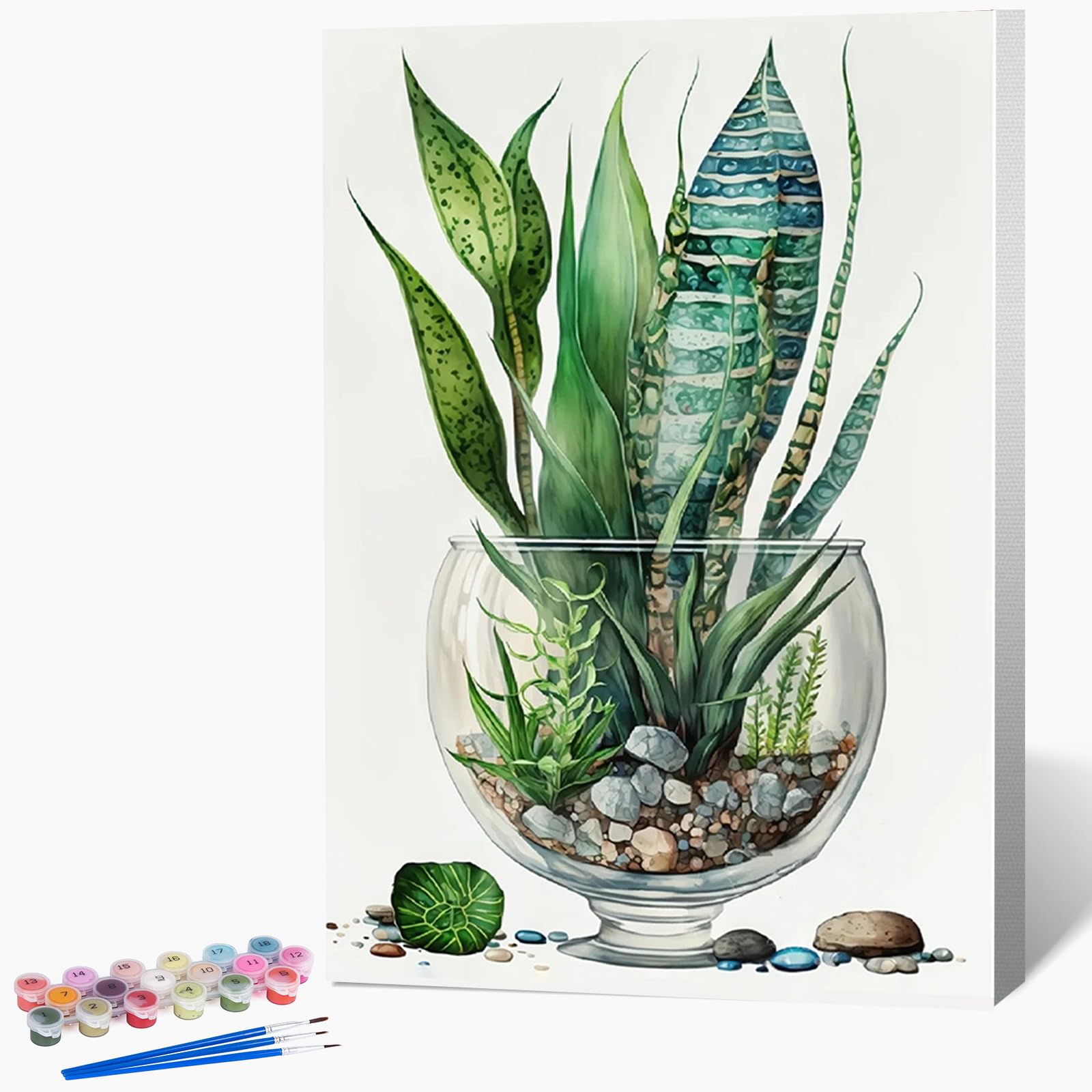
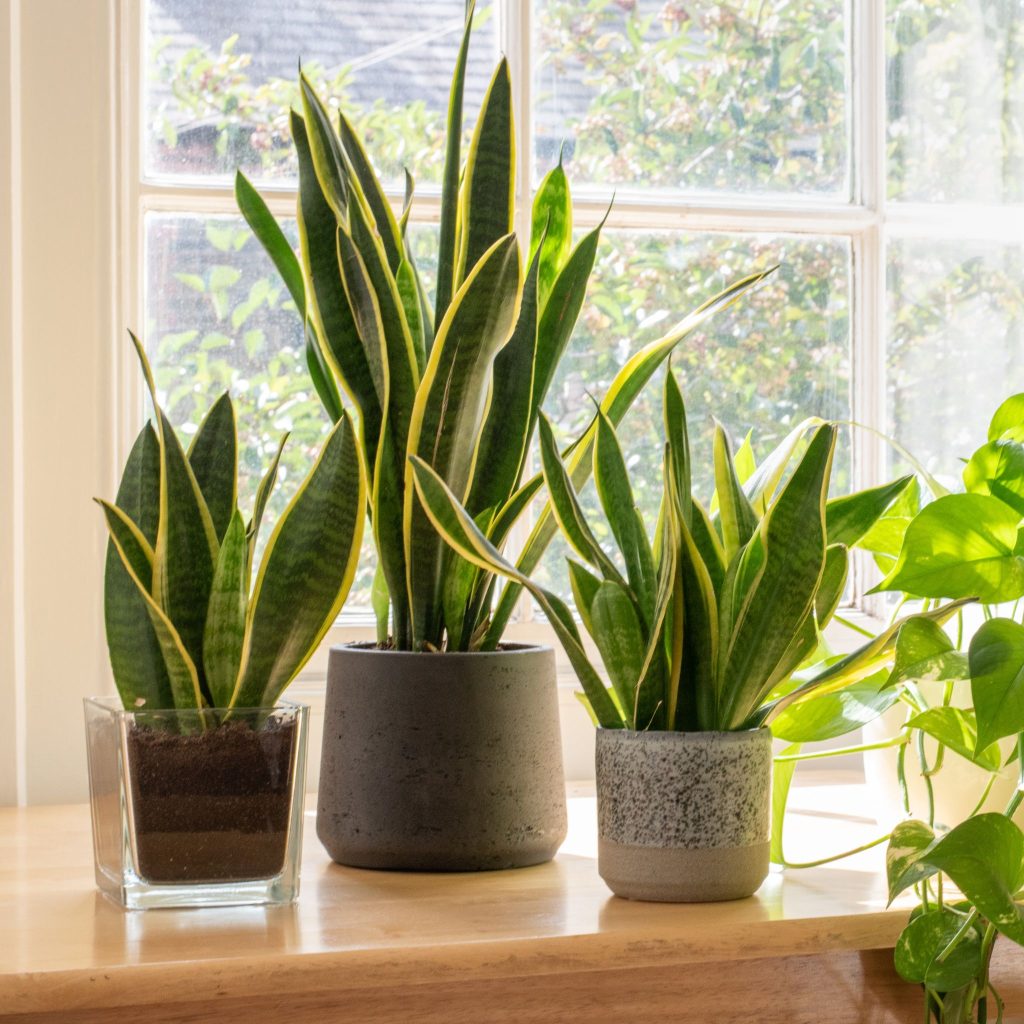
- Snake plant (Sansevieria/Dracaena trifasciata). Low to bright light. Very drought tolerant.
- ZZ plant (Zamioculcas zamiifolia). Low to bright light. Handles neglect.
- Heartleaf philodendron (Philodendron hederaceum). Trails well. Loves bright indirect light but tolerates less.
- Spider plant (Chlorophytum comosum). Adaptable. Easy to propagate. Handles average homes.
- Peace lily (Spathiphyllum). Wilts when thirsty, then perks up. Needs moderate light and steady water.
Proceed with care:
- Succulents often fail in low light. They need bright sun.
- Calatheas are beautiful but picky. They want stable humidity and care.
Knowing how to choose beginner friendly plants is about fit, not hype. Start with these, and your confidence will grow.

Source: gyroorboard.com
Fit plants to your lifestyle and climate
Your home is an ecosystem. Think about routine, humidity, pets, and temperature.
Questions to ask:
- Do you travel often? Choose drought-tolerant plants.
- Do you have bright windows? Use light lovers. If not, go with shade lovers.
- Are there pets at home? Avoid toxic picks. Spider plants are a safe bet.
- Is your air dry in winter? Choose plants that do not need high humidity.
If you ask how to choose beginner friendly plants for a dry apartment, pick snake plant, ZZ plant, or pothos. Save ferns for later. You will enjoy plant care instead of battles.
Source: etsy.com
Shop smart: a plant inspection checklist
Healthy plants bring fewer problems home. Use this quick checklist at the store.
Check these signs:
- Leaves. Look for even color and no spots. A leaf or two with flaws is okay.
- Pests. Check undersides for webs, dots, or sticky residue.
- Stems and soil. Avoid bad smells, mushy stems, or fungus gnats flying up.
- Roots. If you can, peek at the drainage hole. White, firm roots are good.
Pick a plant with strong new growth. Avoid plants next to sick ones. If you care about how to choose beginner friendly plants, this step is gold. You dodge hidden issues before they start.

Source: thyme-to-grow.blog
Set up day one and the first 30 days
Plants need time to settle. Do not rush big changes.
Follow this plan:
- Place the plant where light matches its needs.
- Do not repot for two weeks unless roots are circling hard.
- Water only when the top inch is dry. Keep a simple log.
- Rotate the pot a quarter turn each week for even growth.
- Add a basic grow light if your room is dim. Keep it on 10–12 hours.
By week four, you can repot if needed. Use a pot one size up. If you ask how to choose beginner friendly plants that adapt fast, give them a calm start. Less is more.

Source: amazon.com
Troubleshoot common issues early
Small issues grow fast. Catch them early and fix them with simple steps.
Common signs and fixes:
- Yellow leaves. Often from overwatering or old leaves aging. Let soil dry more.
- Droopy plant. Could be thirsty or overwatered. Check soil before you act.
- Brown tips. Often low humidity, salt buildup, or underwatering. Flush soil and adjust care.
- Leggy growth. Plant needs more light. Move closer to a window or add a grow light.
- Pests. Isolate, wipe leaves, and use a gentle treatment. Repeat weekly until clear.
Remember, how to choose beginner friendly plants is also how to choose forgiving ones. They bounce back with small tweaks.
Source: gardenhealth.com
Budget basics and tools that help
You do not need to spend much to start well. A few tools make care easier.
Useful items:
- Pots with drainage. Start with nursery pots and simple sleeves.
- Potting mix and perlite. Mix for airflow and easy drainage.
- Watering can with a narrow spout. Aim at the soil, not leaves.
- Pruners or clean scissors. Trim dead or leggy growth.
- A basic clip-on grow light if light is poor.
Cost-saving tips:
- Buy small plants. They adapt better and cost less.
- Propagate easy plants like pothos and spider plant.
- Trade cuttings with friends.
This is how to choose beginner friendly plants and stay on budget. Spend where it counts: light, soil, and drainage.
Frequently Asked Questions of how to choose beginner friendly plants
What are the easiest plants for low light?
Snake plant, ZZ plant, and pothos do well in low light. They grow slower but stay healthy with the right watering.
How often should I water beginner plants?
Water when the top inch of soil is dry. In most homes, that is every 7–14 days, but light and pot size change this.
Do I need a grow light?
Only if your room is dim or far from windows. A small LED grow light can prevent leggy, weak growth.
Should I repot right after buying a plant?
Wait two weeks so the plant can adjust. Repot only if roots are tight or the pot is broken.
How do I avoid pests on new plants?
Inspect in the store and again at home. Quarantine new plants for one to two weeks before placing them with others.
Conclusion
Choosing your first plants should feel easy and fun. Start with light, match your watering style, and pick forgiving species. That is how to choose beginner friendly plants that thrive in real homes and busy lives.
Take one room, test the light, and pick one plant from the easy list. Share your wins, ask questions, and keep growing. Subscribe for more simple guides, or leave a comment with your setup and I’ll help you choose the perfect first plant.

Laura Bennett is a gardening writer at MyGardenLabs who creates beginner-friendly guides focused on solving common plant care and gardening problems.