How To Choose The Best Soil For Beginners: Smart Picks 2026
Choose a light, well-draining mix matched to your plant and container.
If you want fast wins and fewer dead plants, you need the right soil. In this guide on how to choose the best soil for beginners, I will show you simple rules, clear picks, and easy tests. I have learned these tips in real gardens and homes. You will get plain steps that help any plant grow strong.

What Soil Does for Your Plants
Soil is your plant’s home. It holds water, air, and food. Good soil keeps roots safe and helps them breathe. Poor soil drowns them or starves them.
Roots want balance. They need moisture, but not too much. They need air pockets to avoid rot. Learning how to choose the best soil for beginners helps you hit that sweet spot.
You can think of soil like a sponge with tiny straws. The sponge holds water. The straws bring air. Your job is to tune both for your plant.
The Three Keys: Texture, Structure, and Drainage
Texture means the size of particles. Sand drains fast. Clay holds water. Silt sits in the middle.
Structure is how those particles clump. Good structure has crumbs and spaces. It keeps roots happy.
Drainage is how fast water moves through the mix. You want even flow. Mixes with perlite, pumice, or bark drain well. When learning how to choose the best soil for beginners, aim for loose texture and steady drainage for most plants.

How to Choose the Best Soil for Beginners by Plant Type
You do not need a perfect mix. You need a good fit. Start simple and adjust as you learn.
Indoor houseplants
Most tropical houseplants like a light, airy potting mix.
- Use an all-purpose potting mix with extra perlite or pumice.
- Add a bit of fine bark if the plant likes air at the roots.
- Keep pH near 6 to 7 for most species.
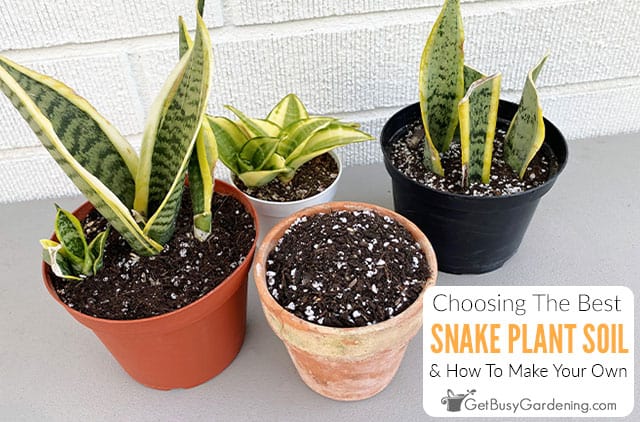
My early mistake was using dense soil for a snake plant. It stayed wet and the roots rotted. A lighter mix fixed it fast.
Succulents and cacti
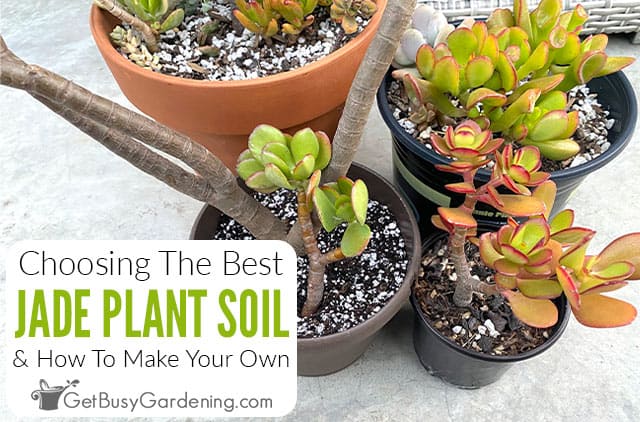
They need fast drainage and low organic matter.
- Use a cactus mix with extra sand, perlite, or pumice.
- Avoid heavy compost that stays wet.
- Water less and let the mix dry between drinks.
Herbs
Mediterranean herbs like rosemary and thyme like lean, airy soil.
- Use a potting mix with added perlite and a little compost.
- For basil and parsley, a richer mix works well.
- Keep drainage strong in pots.
Vegetables in raised beds or planters
Veggies want nutrients and steady moisture, yet not soggy soil.
- Use a raised bed mix with compost, coir or peat, and aeration material.
- Aim for a crumbly feel that drains in a few seconds.
- Top up compost each season.
I once filled deep planters with garden soil from the yard. The plants stalled. When I switched to a real potting mix, tomatoes doubled in size and yield.
In-ground garden beds
Improve your native soil, do not fight it.
- Add 2 to 3 inches of compost and mix into the top 6 to 8 inches.
- Test drainage and adjust with organic matter and coarse material.
- Mulch to keep moisture even and protect structure.
These steps work across climates. Extension guides and grower trials back them up. When you know how to choose the best soil for beginners, you match plant needs to mix traits.
How to Read a Potting Mix Label
Labels can feel like a code. Here is what to watch for.
- Potting mix or potting soil means a soilless blend. It is safe for containers.
- Garden soil is for in-ground use. Do not use it in pots.
- Ingredients to look for include peat moss or coco coir, compost, bark fines, perlite, vermiculite, and pumice.
- Wetting agent helps dry mixes take up water fast.
- pH target of 5.5 to 6.5 suits most container plants. Cacti can be a bit higher.
- Slow-release fertilizer is helpful for beginners. It feeds for weeks.
If a bag lists topsoil for containers, skip it. It compacts and drains poorly. This one change alone can define how to choose the best soil for beginners.
Simple Tests You Can Do at Home
You do not need lab gear. These quick checks save plants.
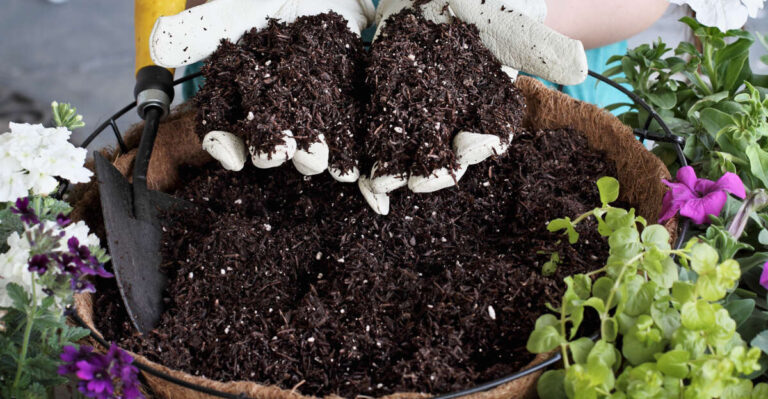
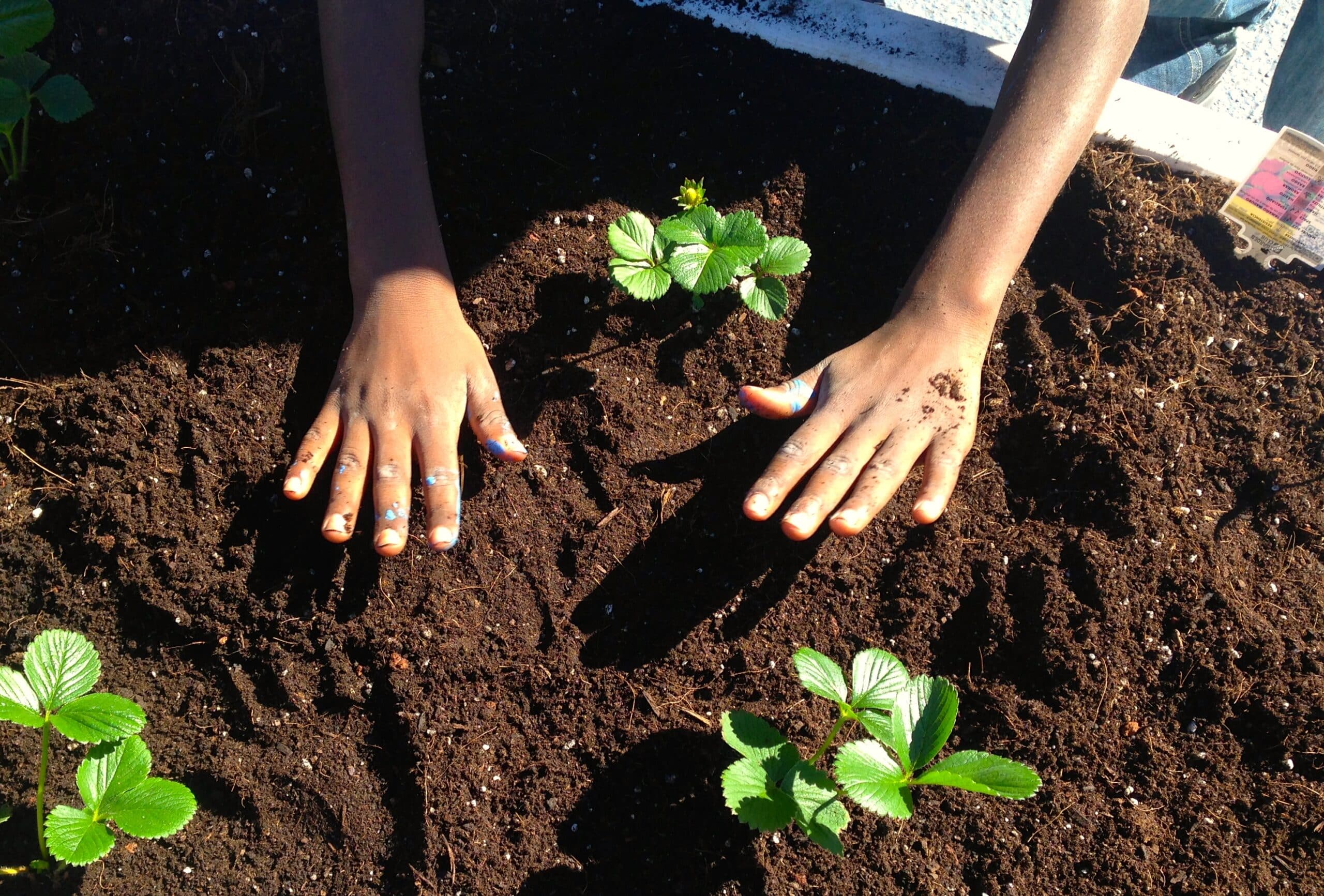
- Squeeze test. Moisten the mix. Squeeze in your hand. It should hold shape, then fall apart when poked.
- Drainage test. Water a pot and time how fast it flows to the saucer. You want steady drips in a few seconds, not a flood or a trickle.
- Jar test for garden soil. Shake soil with water in a jar and let layers settle. Sand drops fast, then silt, then clay. This helps you balance amendments.
- pH strips. Aim for near neutral for most houseplants and veggies. Blueberries and azaleas want lower pH.
- Finger test. Push a finger into the soil. If it stays wet and cold for days, add more aeration.
These small checks make how to choose the best soil for beginners simple and repeatable.
Beginner-Friendly Soil Recipes and Store Picks
You can buy ready mixes or blend your own. Keep it easy.
- All-purpose indoor mix. 70 percent potting mix and 30 percent perlite or pumice.
- Aroid or tropicals. 50 percent potting mix, 25 percent fine bark, 25 percent perlite.
- Succulents and cacti. 50 percent cactus mix, 30 percent pumice or perlite, 20 percent coarse sand.
- Seed starting. Fine seed-starting mix with extra perlite for airflow. Fertilize gently after the first true leaves appear.
- Raised beds. One third compost, one third peat or coco coir, one third perlite, pumice, or coarse sand.
Look for consistent particle size and low salts. Avoid mixes that smell sour. When learning how to choose the best soil for beginners, start with quality bags, then tweak with simple add-ins.
Water, Fertilizer, and pH: How Soil Choice Changes Care
Fast-draining mixes need more frequent watering. Heavy mixes need less but raise rot risk. Match your watering habits to your soil choice.
Nutrients ride with water. So a very airy mix may need steady feeding. Use a balanced, gentle fertilizer in the growing season.
pH affects nutrient uptake. Most plants like a slightly acidic to neutral range. Check labels and adjust with lime or sulfur only if needed. This is a key part of how to choose the best soil for beginners.
Common Mistakes Beginners Make with Soil
I have made all of these. You can skip them.
- Using garden soil in pots. It compacts and suffocates roots.
- Buying the cheapest bag only. Inconsistent quality causes poor growth.
- Skipping aeration. No perlite or bark leads to soggy roots.
- Overloading compost. Too much holds water and salts.
- Ignoring pot size and holes. No drain hole means root rot.
- Never testing pH or drainage. Small checks would prevent most issues.
Fixes are simple. Add aeration, repot into true potting mix, and water to need, not habit. This mindset is core to how to choose the best soil for beginners.
Budget and Sustainability Tips
You can save money and grow greener plants.
- Choose coco coir over peat when you can. It is more renewable.
- Blend your own with bulk perlite, bark, and compost.
- Use local compost from trusted sources. Check for contaminants and salts.
- Reuse mix by removing old roots and baking in the sun. Refresh with new compost and perlite.
- Mulch raised beds to reduce water use.
Many extension services show that compost and good structure boost yields. Follow those basics as you learn how to choose the best soil for beginners.
A Quick Checklist: How to Choose the Best Soil for Beginners
- Identify the plant and where it grows. Container, raised bed, or in-ground.
- Choose a true potting mix for containers. Skip garden soil.
- Check the label for ingredients, pH, and slow-release feed.
- Test drainage. Add perlite or bark if it stays wet.
- Match water habits to soil speed. Faster mix means more frequent, lighter watering.
- Feed lightly and often during growth.
- Refresh the top layer with compost each season.
Use this list each time you buy or blend. It keeps how to choose the best soil for beginners simple and smart.
Frequently Asked Questions of how to choose the best soil for beginners
What is the difference between potting mix and garden soil?
Potting mix is soilless and made for containers. Garden soil is for in-ground use and compacts in pots.
How often should I replace potting soil?
Refresh the top few inches each season. Fully replace or reblend every one to two years, depending on salt buildup and structure.
Do I need fertilizer if my soil has compost?
Usually yes. Compost feeds slowly. A gentle, balanced fertilizer supports steady growth during the active season.
Can I reuse old potting soil?
Yes, if plants were healthy. Remove roots, flush with water, add fresh compost and perlite, and monitor for pests.
What pH is best for most plants?
Most houseplants and veggies prefer pH 6 to 7. Acid-loving plants like blueberries need lower pH.
How do I know if my soil drains well enough?
Water and time the flow. You want steady drips within seconds and no standing water after a minute.
Is coco coir better than peat moss?
Both work. Coir is more sustainable and rewets easier, while peat can hold water well but is less renewable.
Conclusion
Soil choice sets the stage for every win in your garden. Start light, ensure drainage, and match the mix to the plant and pot. Test a little, adjust a little, and your results will jump.
Use the checklist, try one or two mixes, and watch how your plants respond. If you found this guide on how to choose the best soil for beginners useful, subscribe for more simple, tested tips. Share your first soil success in the comments and let’s grow together.

Laura Bennett is a gardening writer at MyGardenLabs who creates beginner-friendly guides focused on solving common plant care and gardening problems.