How To Choose The Right Pot Size For Plants: Pro Tips 2026
Choose a pot 1–2 inches wider than the root ball, with drainage.
You want simple, clear rules for how to choose the right pot size for plants. I have helped thousands of home growers avoid root rot, stunted growth, and wasted soil. In this guide, I show you how to choose the right pot size for plants with confidence. You will get rules that work, real examples, and expert tips you can use today.
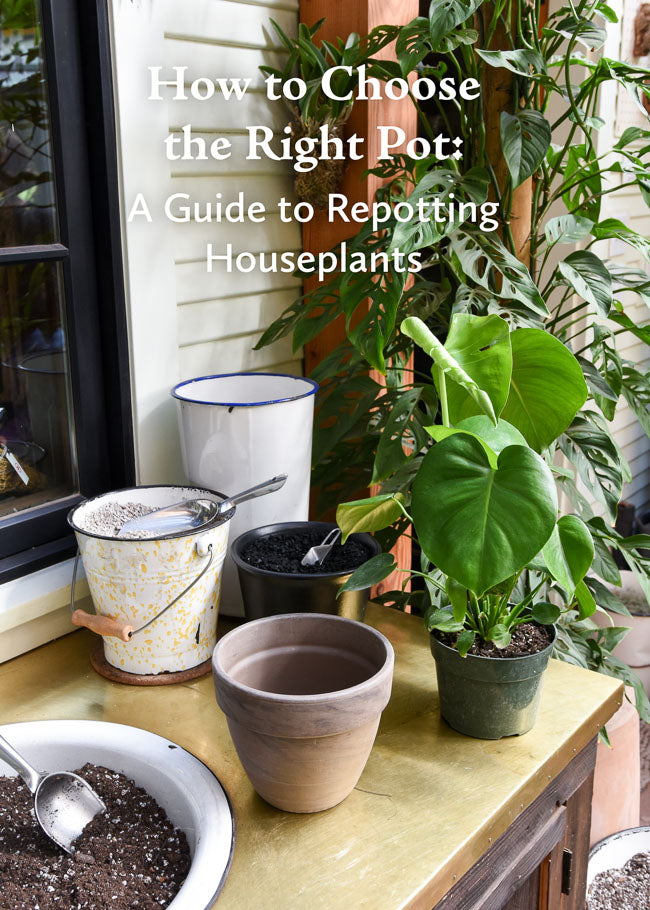
Why pot size matters
If you are wondering how to choose the right pot size for plants, start with the roots. Pot size controls water, air, food, and support. A big pot holds more water. A small pot dries fast.
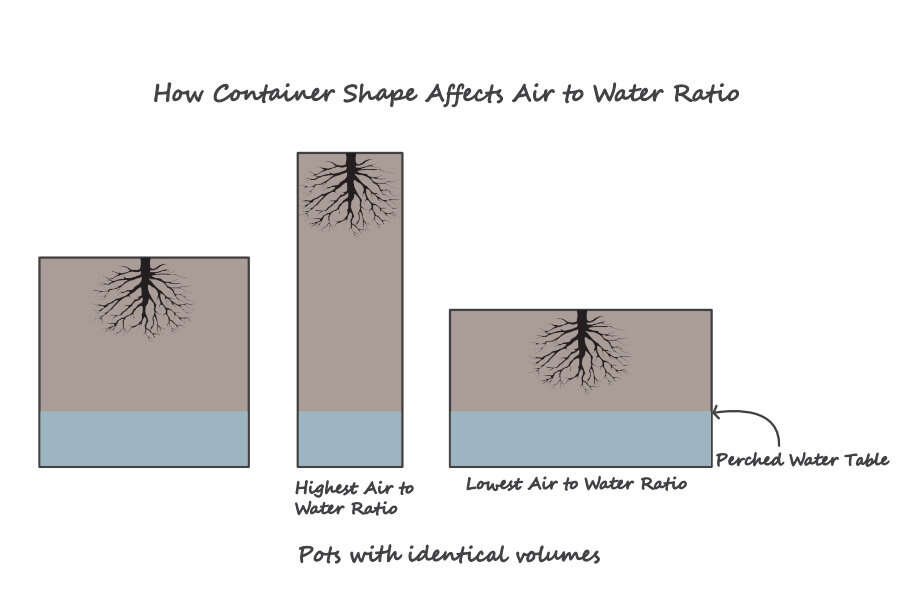
Roots need air and steady moisture. Too much soil around small roots can stay wet and sour. That raises the risk of root rot. Too little soil dries fast and can stall growth. The right pot is like the right pair of shoes. It fits now and has room to grow.
I have seen plants sit unhappy for months in oversized planters. The soil stayed wet in the middle and dry on top. A step-up size fixed it at once. Good pot sizing also keeps tall plants from tipping. It helps you water on a simple rhythm.

The simple sizing rules that work
Here is how to choose the right pot size for plants in most homes. Use these rules when you are not sure.
- For a new plant, pick a pot 1–2 inches wider than the current one for small plants up to 6 inches wide.
- For medium plants in 8–10 inch pots, step up by 2–4 inches.
- For large floor plants, step up by 3–6 inches, and choose a heavy pot for stability.
- If roots circle the pot or poke out of holes, it is time to size up.
- If soil stays wet for more than a week in normal light, do not size up yet. Improve light or use a faster mix first.
In my nursery days, this 1–2 inch rule saved so many plants. It kept water balance simple and growth steady.

Step-by-step: how to choose the right pot size for plants
To make a clean choice, use this quick checklist.
- Identify the plant and its growth rate. Fast growers use bigger step-ups. Slow growers prefer small jumps.
- Check the roots. Slide the plant out. If the root ball holds its shape and circles the sides, size up.
- Match the pot to your light and watering style. Low light or heavy watering calls for smaller jumps.
- Choose the right depth and width. Deep-rooted plants like deeper pots. Shallow-rooted plants like wider, shallow pots.
- Pick the material. Terracotta breathes and dries fast. Plastic and glazed ceramic hold water longer.
- Confirm drainage. Drainage holes are a must. Use a saucer, but do not let water sit.
- Add a test fit. Set the root ball in the new pot. Leave 1 inch at the top for watering.
That is how to choose the right pot size for plants without guesswork. It takes five minutes and saves months of stress.
 materials, shape, and drainage”
style=”max-width: 100%; height: auto; border: 2px solid black; border-radius: 10px; display: block; margin: 0 auto;”
loading=”lazy”
/>
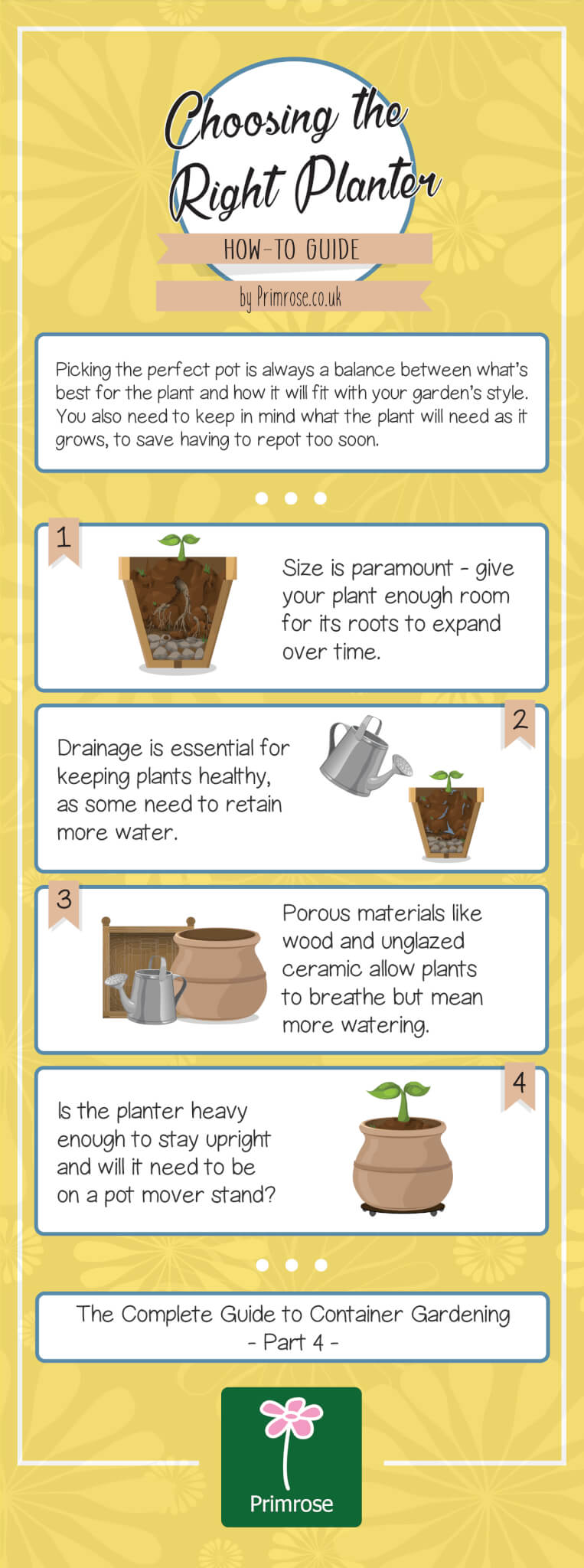
Pot materials, shape, and drainage
Knowing how to choose the right pot size for plants also means choosing the right pot type. Each material changes how often you water.
- Terracotta breathes. It helps prevent overwatering. It suits succulents, cacti, and herbs.
- Plastic is light and holds water longer. It suits thirsty plants and hanging baskets.
- Glazed ceramic is heavy and stable. It suits tall plants that tip.
- Fabric grow bags add air to roots. They prevent circling roots and are great for vegetables.
Shape matters too. Deep pots suit tomatoes, citrus, and tap-rooted plants. Wide pots suit succulents, strawberries, and bonsai. And drainage holes are non-negotiable. No holes, no roots.
My go-to for most houseplants is a plastic nursery pot inside a pretty cover pot. It gives drainage and style. It also makes repot day fast.
:max_bytes(150000):strip_icc()/table-with-plants-gloves-getty-1020-a1409d41f8fe4a6cb7b137c41486fda5.jpg)
Special cases by plant type
If you want a sharper sense of how to choose the right pot size for plants, match the choice to the plant’s nature.
Succulents and cacti
Use a pot only 0.5–1 inch wider than the root ball. Pick terracotta and a fast-drain mix. They like tight shoes and dry feet.
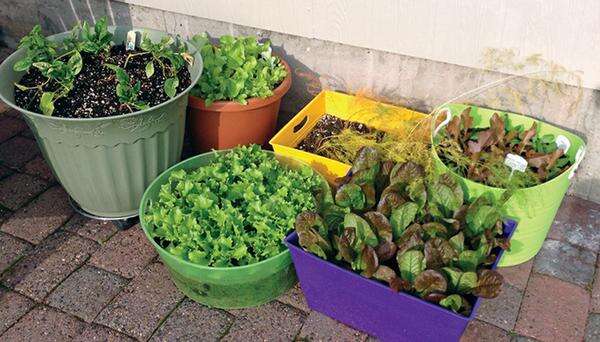
Herbs and leafy greens
Use 6–8 inches wide per plant, or longer troughs. They like steady moisture, not soggy soil.
Tomatoes and peppers
Tomatoes need 10–15 gallons per plant. Peppers need 3–5 gallons. Use deep, sturdy pots and a rich mix.
Houseplants like pothos, philodendron, and peace lily
Step up 1–2 inches at a time. They hate wet, cold soil. Use plastic or glazed ceramic if your air is dry.
Fiddle leaf fig, rubber plant, and other trees
Go heavier and deeper. Step up 2–4 inches. Pick a stable pot so it does not tip.
Orchids
Use a clear plastic pot with slits or a mesh pot. Match pot to the root mass and bark size. Tight pots are best.
Bonsai
Shallow and wide works best. The pot controls growth and shape. Small jumps protect the roots.
That is a quick map for how to choose the right pot size for plants across many types.

Pot size examples you can copy
Use these real numbers when you plan. They show how to choose the right pot size for plants in day-to-day life.
- Seedlings from cell trays move to 3–4 inch pots.
- A 4 inch nursery plant moves to a 6 inch pot.
- A 6 inch plant moves to an 8–10 inch pot.
- Snake plant pups start in 4–6 inches. Mature plants thrive in 8–12 inches with a heavy base.
- Peace lily likes 6–8 inches for small, 8–10 for medium, 10–12 for large.
- Tomatoes finish in 10–15 gallon pots. Patio cherry types can be happy in 7–10 gallons.
- Blueberries like 10–20 gallons in acidic mix. Citrus prefers 15–25 gallons with sharp drainage.
These are starting points. Let roots and watering speed guide your final pick.
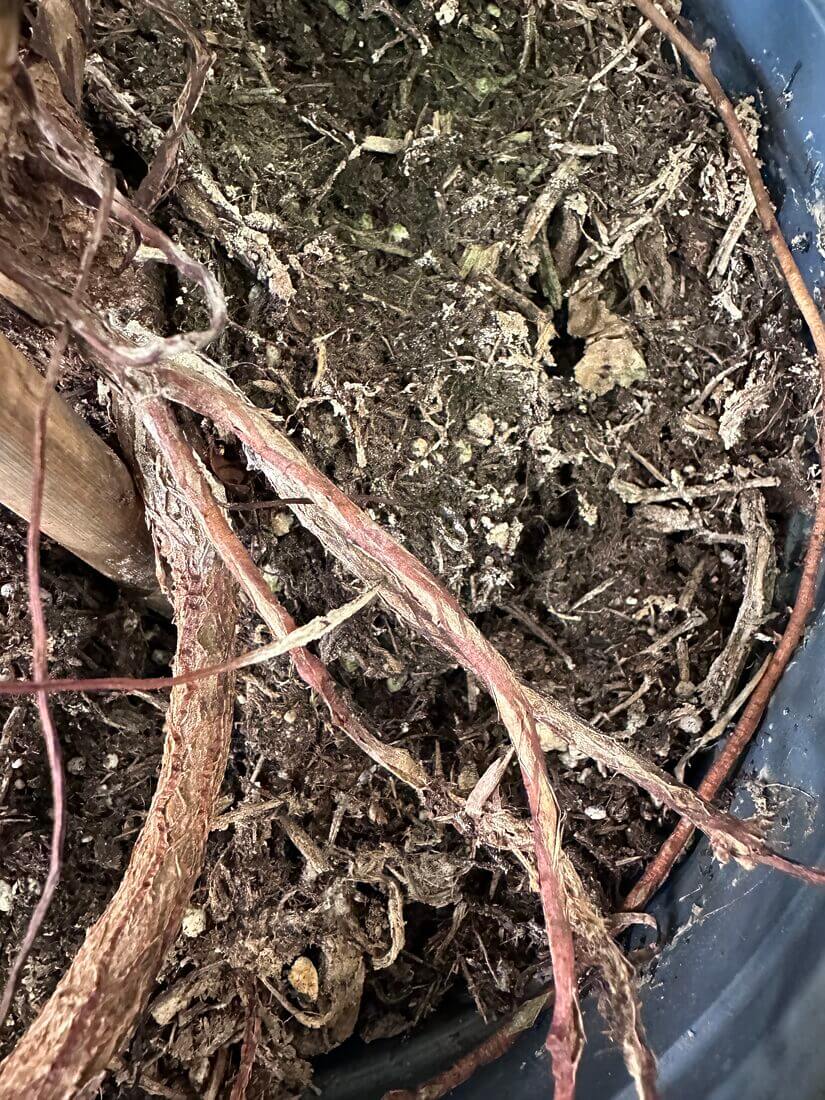
Common mistakes and easy fixes
Even when you know how to choose the right pot size for plants, small errors can slip in. Here is how to avoid them.
- Overpotting. The soil stays wet and roots suffocate. Fix by downsizing or using a faster, airy mix.
- Underpotting. Roots circle and growth stalls. Fix by stepping up 1–2 inches and feeding lightly.
- No drainage. Water pools and salts build up. Fix by drilling holes or switching pots.
- Wrong shape. Deep plant in a shallow bowl or the reverse. Fix by matching pot depth to root style.
- Heavy soil in low light. It stays wet too long. Fix by adding perlite or bark and boosting light.
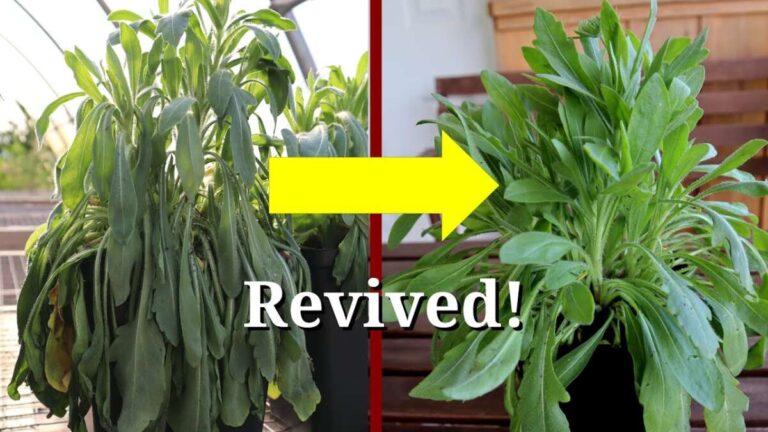
I once saved a droopy rubber plant by moving it from a huge ceramic tub into a snug 10 inch nursery pot. It perked up in a week.

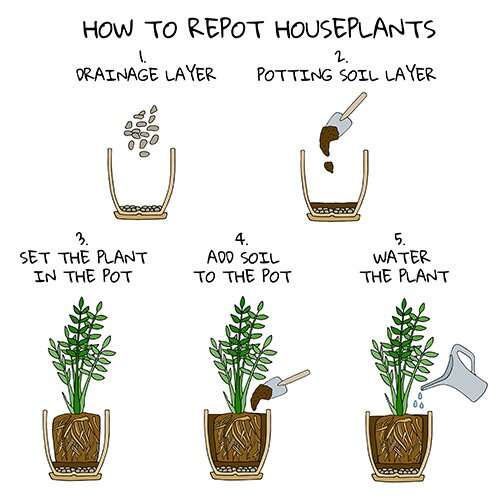
Repot timing, technique, and aftercare
Knowing how to choose the right pot size for plants also means knowing when to repot and how to care after.
- Best time is spring or early summer when growth is strong.
- Water the day before. Slide the plant out. Tease roots gently.
- Do not bury the stem. Keep the same soil line.
- Water to settle the mix. Then let the top inch dry before the next drink.
- Hold fertilizer for 2–4 weeks. Let roots explore first.
- Watch for droop. Give bright, indirect light. Avoid full sun for a week.
A calm repot with the right size pot cuts stress. Your plant gets back to growth fast.

Frequently Asked Questions of how to choose the right pot size for plants
How do I know it is time to repot?
Roots circling the pot, slow growth, or water rushing through are signs. If roots poke out of the drainage holes, it is time.
Can a pot be too big?
Yes. Too much soil stays wet and can rot roots. Size up in small steps so the soil dries in a steady rhythm.
What size pot is best for tomatoes on a balcony?
Use 10–15 gallons for full-size types. Dwarf or patio types can do well in 7–10 gallons with strong light.
Should I add rocks at the bottom for drainage?
No. Rocks can raise the water table and keep roots wetter. Use a well-draining mix and good drainage holes.
How often should I repot houseplants?
Most need a step up every 1–2 years. Fast growers or plants in bright light may need repotting sooner.
Does pot material change watering needs?
Yes. Terracotta dries fast. Plastic and glazed ceramic hold moisture longer, so you water less often.
How do I choose a pot for orchids?
Use a clear, vented pot that fits the root mass. Orchids prefer tight pots with airy bark.
Conclusion
You now know how to choose the right pot size for plants with simple rules you can trust. Start small, step up as roots fill, and match pot type to your light and watering style. Use drainage, right depth, and steady aftercare.
Walk through your space and check three plants today. If they are root bound, give them the next size up. If they sit wet, wait or improve the mix. Want more help on how to choose the right pot size for plants? Subscribe for plant care guides, ask a question, or share your wins in the comments.

Laura Bennett is a gardening writer at MyGardenLabs who creates beginner-friendly guides focused on solving common plant care and gardening problems.