How To Fertilize Plants Correctly For Beginners: Quick Tips
Feed plants on a tested schedule with the right nutrients, dose, and method.
If you’re learning how to fertilize plants correctly for beginners, you’re in the right place. I’ve helped new gardeners fix tired soil, save yellow leaves, and grow strong roots. In this guide, I’ll show you what works, what fails, and why timing and technique matter. Stick with me, and you’ll feed your plants with confidence.
Understanding plant nutrition basics
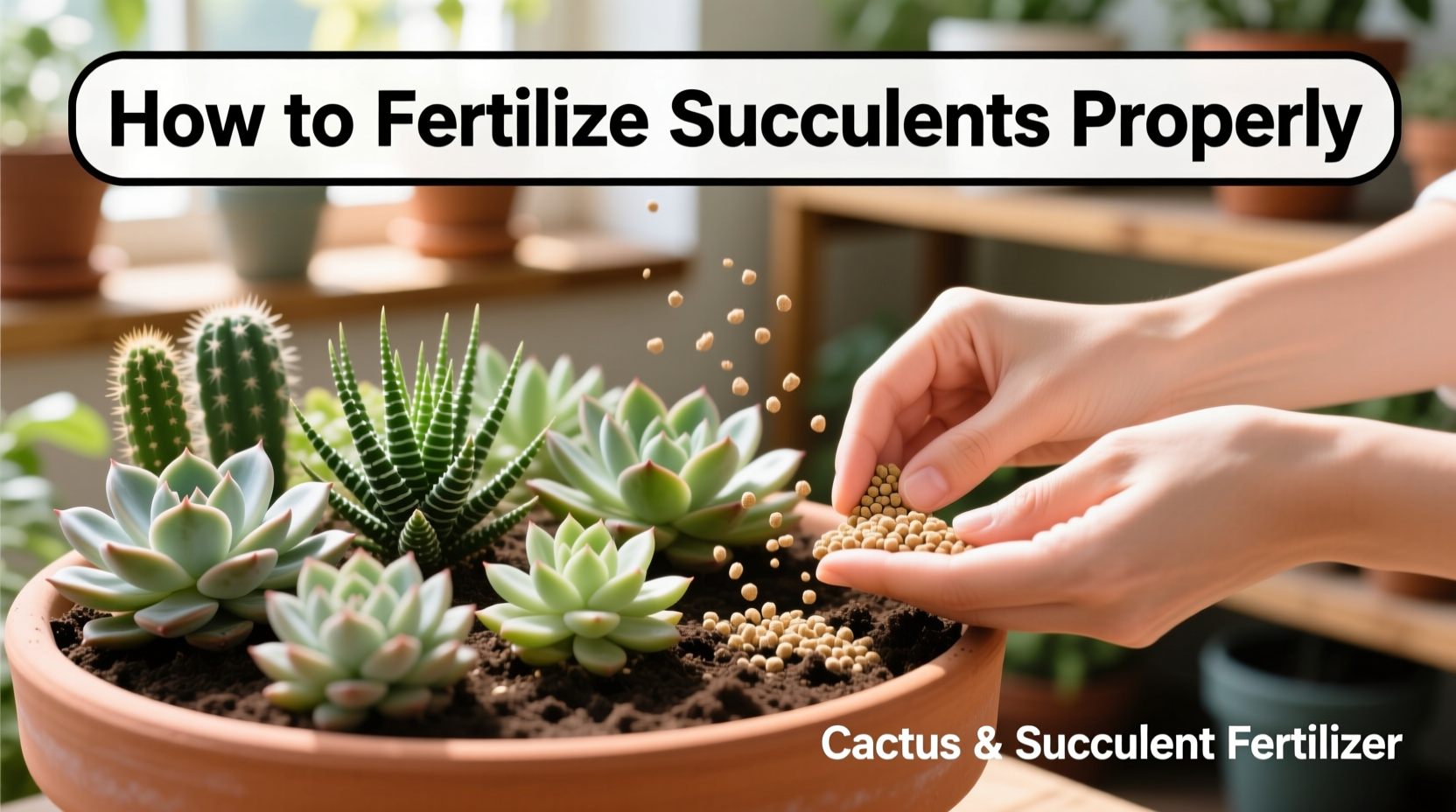
If you want to learn how to fertilize plants correctly for beginners, start with the basics. Plants need three main nutrients: nitrogen, phosphorus, and potassium. They also need small amounts of iron, magnesium, calcium, and more. Each nutrient plays a role in growth, roots, and blooms.
Here is a simple map:
- Nitrogen supports leafy growth. Pale leaves and slow growth often mean it is low.
- Phosphorus supports roots and flowers. Dark leaves or weak blooms can signal a gap.
- Potassium helps strength and stress control. Brown edges or weak stems can be a clue.
- Iron prevents yellowing between veins on new leaves. This is common in high pH soil.
- Magnesium prevents yellowing between veins on older leaves. Epsom salt can help in some cases.
One small story. I once rescued a weak basil plant by adding a gentle, nitrogen‑leaning feed and fresh compost. In two weeks, the color and scent came back. Small, steady changes beat big, harsh fixes.

Soil testing and pH: your first step
Here is the most important move in how to fertilize plants correctly for beginners: test your soil and check pH. A simple kit or a lab test will show what is missing. It will also show if the pH is blocking nutrients.
Aim for these ranges:
- Most veggies like a pH between 6.0 and 7.0.
- Blueberries and azaleas like it between 4.5 and 5.5.
- Lawns often do best near 6.5.
I learned this the hard way. I kept feeding a chlorotic gardenia and saw no change. A quick pH test showed the soil was too high. I lowered pH, and the leaves went green without more iron.

Types of fertilizers: organic, synthetic, slow-release, liquid
Choosing the right product is key in how to fertilize plants correctly for beginners. Each type has pros and cons. Pick based on your plant, soil, and timing.
- Organic fertilizers feed soil life. They release nutrients slowly and improve structure.
- Synthetic fertilizers act fast. They offer exact N-P-K numbers but can burn if overused.
- Slow-release granules give steady feeding. Great for busy weeks and pots.
- Liquid feeds work fast and are easy to measure. Best for quick fixes and houseplants.
- Compost and worm castings add mild nutrients. They build soil health with low risk.
When in doubt, start with slow or organic options. They are more forgiving while you learn.

Reading a fertilizer label (N-P-K)
A label like 10-10-10 means 10 percent nitrogen, 10 percent phosphorus (as P2O5), and 10 percent potassium (as K2O). This helps you match your plant’s needs. It also helps you avoid giving too much of one nutrient.
Keep it simple:
- For leafy herbs and greens, a higher first number can help.
- For roots and blooms, lean a bit higher on the middle number.
- For balance, pick even numbers across the board.
A quick math tip. If a bag is 10 percent nitrogen and you need 1 pound of nitrogen, you would use 10 pounds of that product. Most home gardens need far less. Follow label rates and start low.
When to fertilize: timing by plant and season
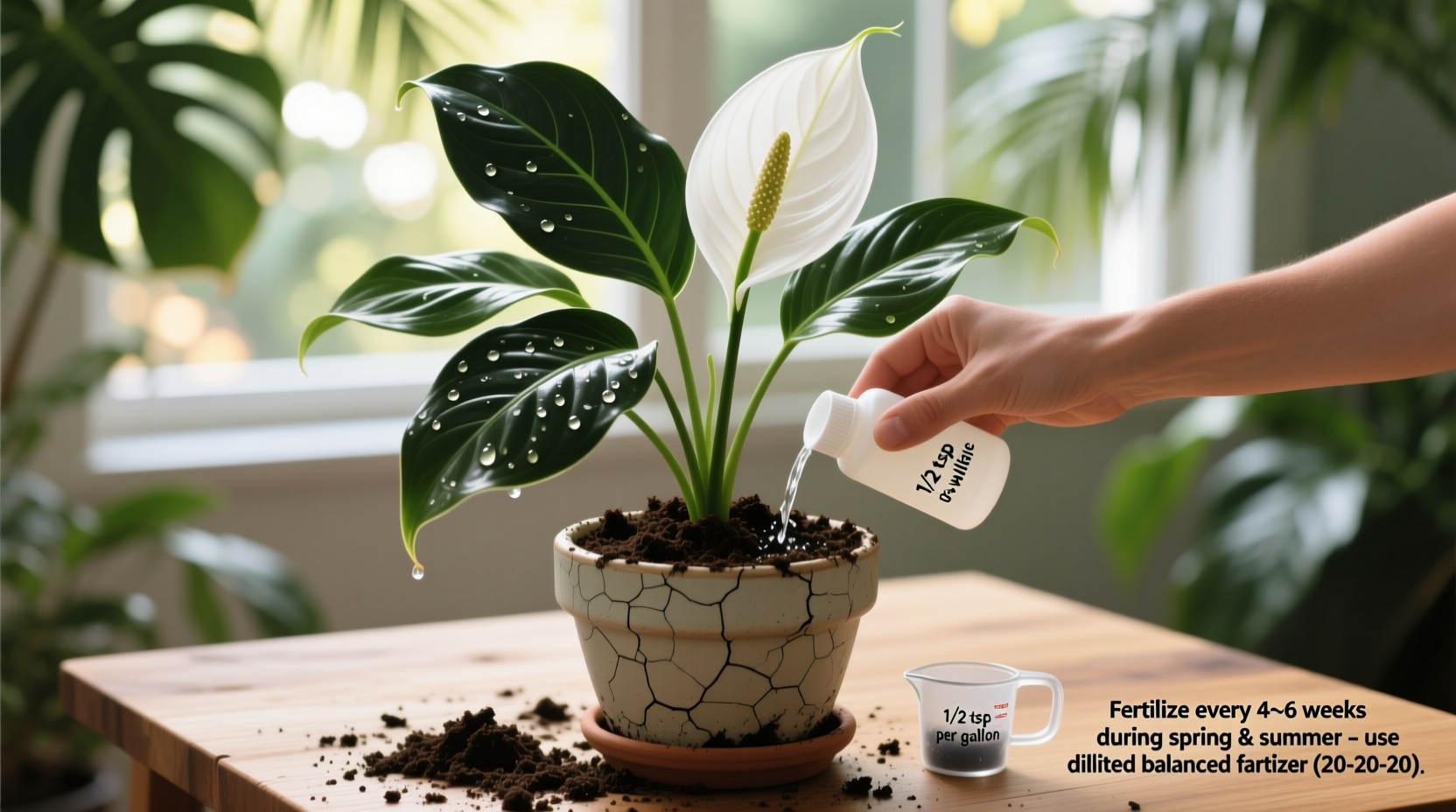
Timing is a big part of how to fertilize plants correctly for beginners. Feed during active growth, not during stress or dormancy. This helps plants use the nutrients rather than store them.
General tips:
- Early spring: start light feeding as growth begins.
- Mid-season: give a boost when blooms or fruit set start.
- Late season: slow or stop as growth slows, unless the label says otherwise.
- After transplanting: wait a week, then feed gently.
Morning is often best. The soil is cool, and you can water in if needed. Avoid hot, dry midday hours.
How much and how to apply: step-by-step
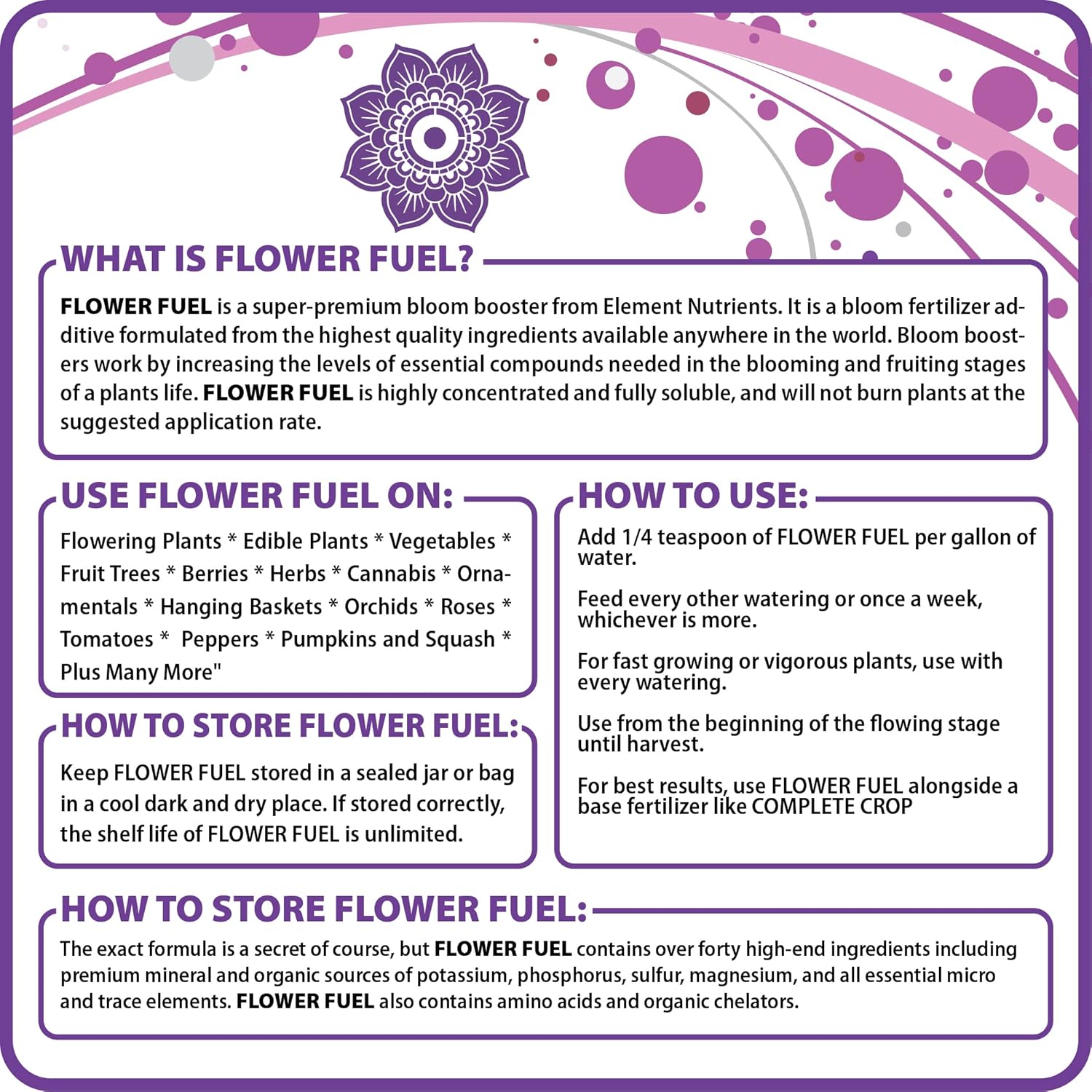
Dose and method make or break how to fertilize plants correctly for beginners. Less is often more. Always read the label first, then start with half strength if unsure.
Follow these steps:
- Water first if the soil is dry. Fertilizer on dry roots can burn.
- Measure with care. Use a scoop or spoon, not a guess.
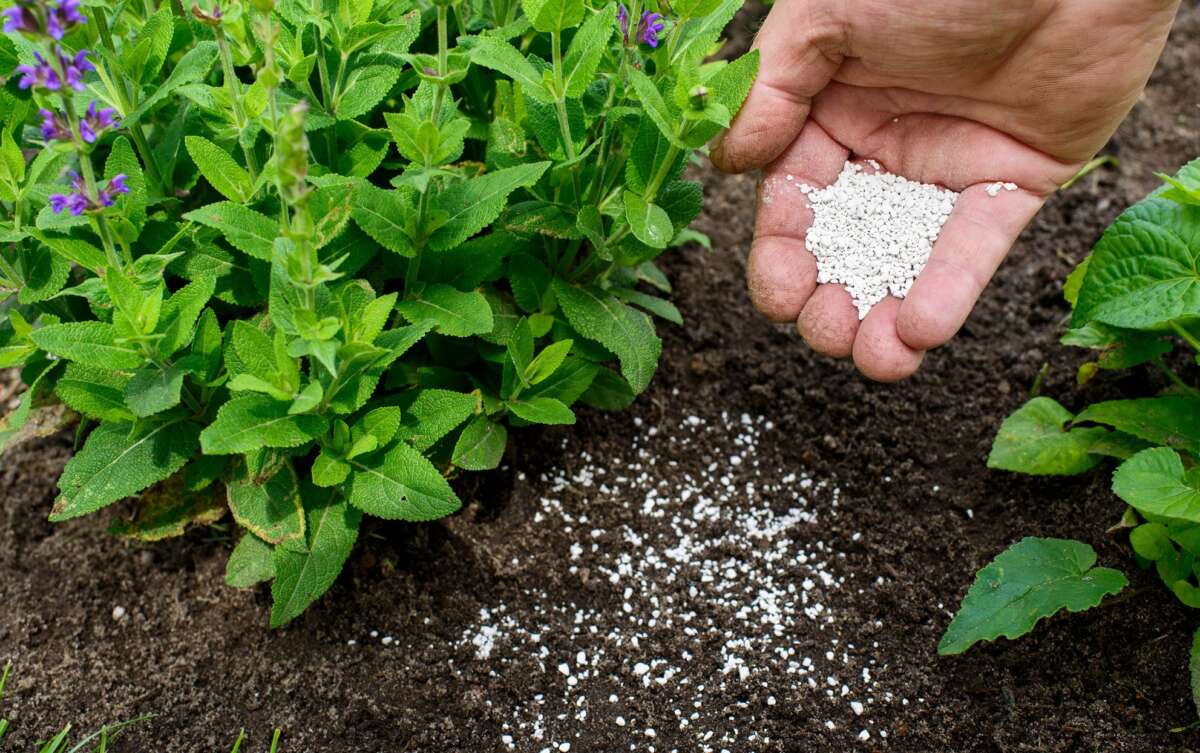
- For granules, scatter around the drip line. Scratch in lightly and water well.
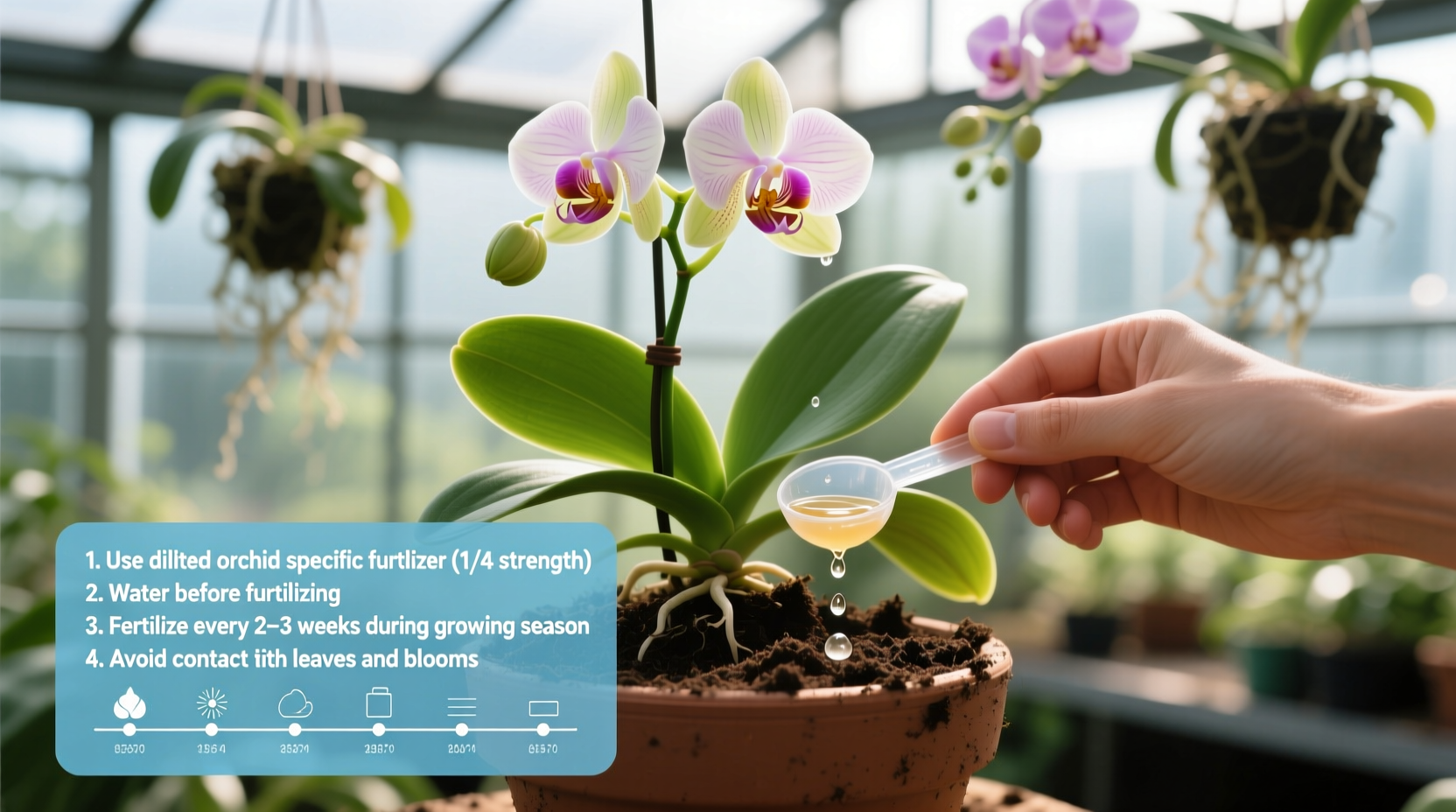
- For liquids, mix to the label rate. I often use half strength for houseplants.
- For side-dressing veggies, place a small band a few inches from stems.
- For foliar sprays, use only products made for leaves. Spray in the cool hours.
Watch your plants for one to two weeks. Adjust only if growth or color calls for it.
Indoor vs outdoor plants
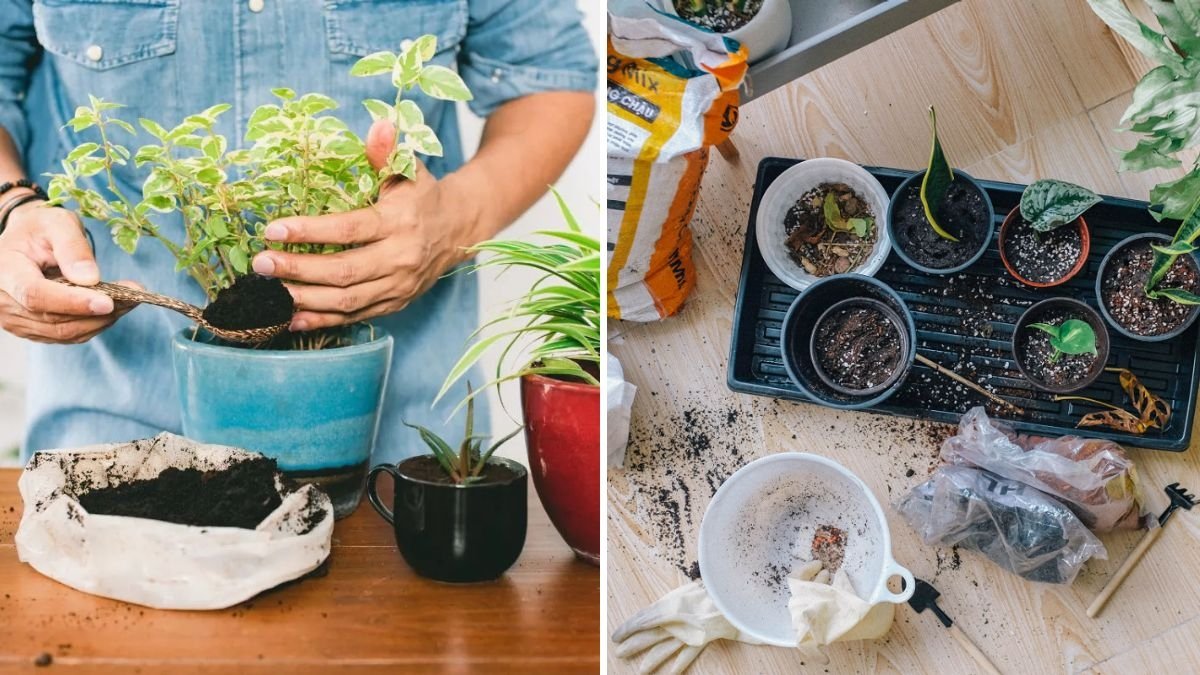
This matters in how to fertilize plants correctly for beginners. Containers dry fast and lose nutrients with each watering. Garden beds hold more, but soil life and weather play a role.
Key points:
- Use a gentle, balanced liquid for houseplants every 2 to 4 weeks in spring and summer.
- Cut back in fall and winter when light is low.
- For outdoor beds, use compost once or twice a year. Add slow-release to carry you through.
- Flush pots with plain water every few months to avoid salt build-up.
I once burned a pothos with a full-strength feed. Half strength fixed it. The leaves perked up, and growth was steady.

Common mistakes to avoid
Avoid these traps in how to fertilize plants correctly for beginners. They are common and easy to fix.
- Overfeeding often does more harm than good. Signs include leaf burn and salt crusts.
- Fertilizing sick or dry plants adds stress. Fix water, light, or pests first.
- Mixing products without a plan can stack salts. Use one main product at a time.
- Ignoring pH can lock out nutrients. Test before you add more feed.
- Skipping watering-in after granules can cause burns. Water right after spreading.
If you are not sure, stop and reassess. A soil test saves time and money.
Nutrient deficiency troubleshooting guide
Here is a quick guide for how to fertilize plants correctly for beginners when leaves look off. Match the symptom to the fix.
- Pale, overall yellow growth: low nitrogen. Use a balanced feed or one a bit higher in N.
- Purple or dark leaves with weak roots: low phosphorus. Add a P-leaning product.
- Brown, crisp leaf edges: low potassium or salt stress. Add K and leach salts.
- Yellow new leaves with green veins: iron gap at high pH. Lower pH and use chelated iron.
- Yellow old leaves with green veins: magnesium gap. A magnesium source can help.
Always correct water and pH first. Then feed with a light hand.
Simple fertilizer schedules and examples
Use these as a start for how to fertilize plants correctly for beginners. Adjust by your plant, soil, and climate.
Vegetable bed, spring to summer:
- Mix compost into beds before planting.
- Use a balanced slow-release at planting.
- Side-dress with a light nitrogen feed at first fruit set.
- Stop heavy feeding a few weeks before harvest for peak flavor.
Houseplants, bright windows:
- Half-strength liquid feed every 2 to 4 weeks in warm months.
- Skip or feed monthly at half strength in cool months.
- Flush with plain water every third month.
Cool-season lawn:
- Light feed in early fall and mid fall.
- Skip heavy spring feeding to avoid surge growth.
- Water in well after each application.
Eco-friendly and safe practices
Safety is part of how to fertilize plants correctly for beginners. Good habits protect your soil, pets, and waterways.
- Store products dry and locked away from kids and pets.
- Keep fertilizer off sidewalks and driveways. Sweep it back into the bed.
- Do not feed before heavy rain. You will lose nutrients to runoff.
- Wear gloves and rinse tools. Wash hands after use.
- Use mulch to hold moisture and nutrients in the root zone.
Small choices add up to healthy soil and clean water.
Frequently Asked Questions of how to fertilize plants correctly for beginners
How often should I fertilize beginner-friendly houseplants?
Most houseplants do well with a half-strength feed every 2 to 4 weeks in spring and summer. In fall and winter, cut back to monthly or pause.
Can I use the same fertilizer for all my plants?
You can use a balanced product for most plants, but adjust the rate. Blooming plants often like a bit more phosphorus, while greens like more nitrogen.
Is organic fertilizer better than synthetic?
Both can work well. Organic improves soil over time, while synthetic gives fast results; choose based on your goals and timing.
What is the best time of day to fertilize?
Morning is best because temperatures are lower and plants are less stressed. Water in after granular feeds to protect roots.
How do I avoid burning my plants?
Never apply to dry soil and do not exceed label rates. When in doubt, start with half strength and watch for two weeks.
Do seedlings need fertilizer?
Yes, but very lightly. Use a gentle, diluted liquid once true leaves appear, and avoid strong doses.
Should I fertilize a stressed or pest-infested plant?
Not at first. Fix water, light, and pests, then feed once the plant starts to recover.
Conclusion
Fertilizing plants is simple once you match the right feed, dose, and timing to your soil and goals. Test first, start light, and watch how your plants respond. With a steady hand and small tweaks, you will see greener leaves, stronger roots, and better blooms.
Try one section of your garden this week using these steps. Keep notes, learn, and adjust. If this guide helped, subscribe for more easy garden tips or drop a question in the comments so we can grow together.

Laura Bennett is a gardening writer at MyGardenLabs who creates beginner-friendly guides focused on solving common plant care and gardening problems.