
How To Fix Dry Soil Problems In Plants: Pro Tips 2026
Rehydrate hydrophobic soil with slow soaking, wetting agents, and organic matter.
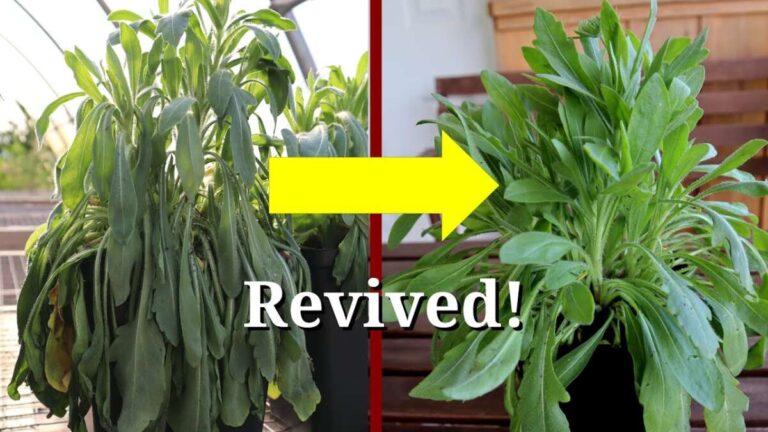
If your plants sit in dusty, crusty soil that shrugs off water, you are not alone. I have helped hundreds of gardeners learn how to fix dry soil problems in plants with simple tools and a step-by-step plan. In this guide, I show you what works fast, what lasts, and what to avoid, using proven methods and real-life wins.

How to fix dry soil problems in plants: diagnose the cause
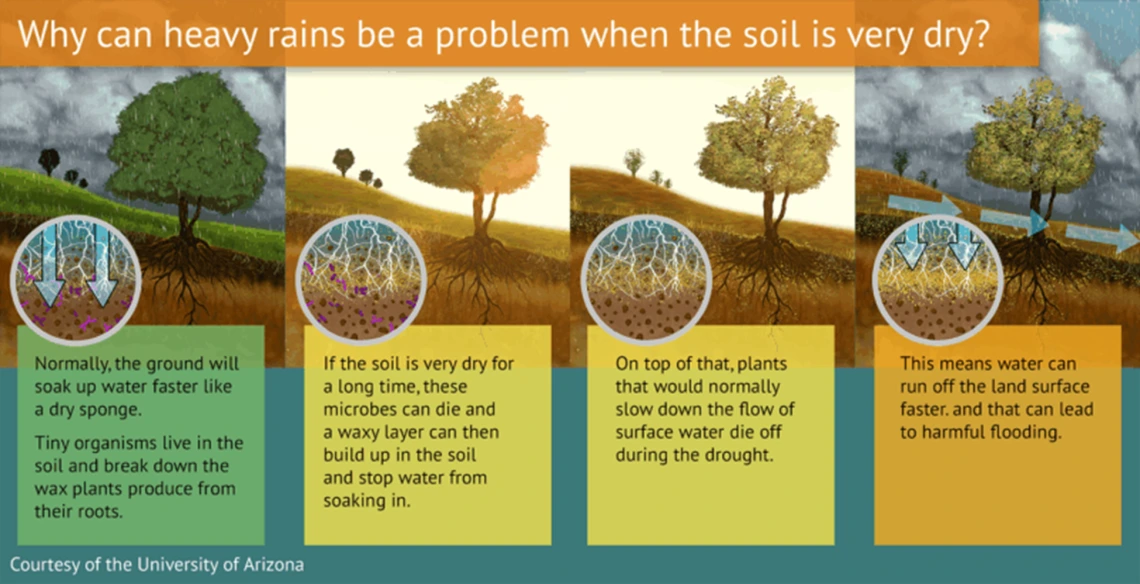
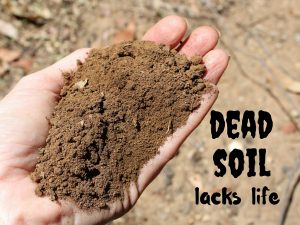
Dry soil is not just thirsty. It is often water-repellent. Potting mixes with peat or bark can turn hydrophobic when they dry out. Sandy beds drain fast and lose moisture to wind and heat. Compacted clay pushes water away and blocks roots.
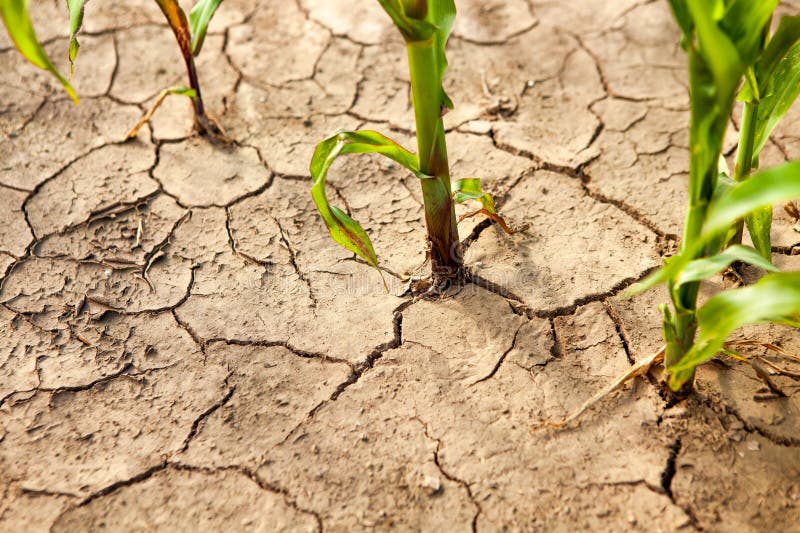
Start by checking the basics. Stick your finger 2 inches down. If it is dusty or hard, you likely have a hydrophobic layer. Water may bead and run off the top. Pots feel light and may pull away from the sides. Leaves wilt even after you water. If you want to learn how to fix dry soil problems in plants, start with this simple test.
Look for these signs.
- Water pools on top and runs to the edges
- Soil pulls from pot walls and leaves gaps
- Leaves crisp at the tips or drop early
- Roots circle the pot or look brittle and tan

How to fix dry soil problems in plants fast: rescue methods that work
You can save stressed plants today. Move from gentle soaking to deep rehydration. Do not dump a gallon at once. The goal is even moisture, not mud.
Try these quick fixes.
- Pulse watering. Water for 30 seconds. Wait 5 minutes. Repeat 3 to 4 times. This lets water break the surface tension and sink in.
- Bottom soaking. Set the pot in a tub of water for 20 to 45 minutes. Add a drop of non-scented, non-antibacterial dish soap per quart to help water spread. A commercial wetting agent is safer and more reliable.
- Needle injections. Use a watering wand with a soft bubbler or a narrow spout. Aim water at the root zone in small passes.
- Aeration holes. For beds, poke 4 to 6 inch deep holes with a soil probe or stake. Water into the holes to bypass the crust.
- Mulch right after watering. Add 1 to 2 inches of straw, shredded leaves, or fine bark to lock in moisture.
When I teach new growers how to fix dry soil problems in plants, I start with a 30 to 60 minute bottom soak. I then drain well and mulch. This stops the cycle of water running off the top.

Watering techniques that actually hydrate
Good watering is a skill. It beats any gadget. Aim for slow, deep, and regular.
Use these methods.
- Pulse or cycle soak. Short bursts with breaks. Great for slopes and crusted beds.
- Bottom watering for pots. Soak, then drain. Prevents runoff and helps roots drink.
- Drip lines or soaker hoses. They deliver slow water at the root zone. This reduces loss and keeps leaves dry.
- Water early morning. Cooler air cuts evaporation and leaf burn.
- Measure. Use a simple moisture meter or lift the pot. Light pot means dry mix.
If you need a simple rule on how to fix dry soil problems in plants, water in cycles and mulch after. This keeps moisture where roots can use it.
Soil amendments that rehydrate and rebuild
Water alone will not fix a bad mix. Improve structure so soil holds water and air at the same time. Think sponge, not sludge.
Add these materials.
- Compost. Use mature, screened compost at 20 to 30 percent by volume. It boosts water holding and adds life.
- Coco coir. Pre-soak coir and blend 10 to 40 percent into potting mix. It rewets better than peat.
- Vermiculite. Mix 10 to 20 percent for water retention in potting soils. Perlite aids drainage but holds less water.
- Wetting agents. Use a non-ionic wetting agent for hydrophobic mixes. Granules or liquids both work. Follow the label.
- Biochar. Charge it first with compost tea or fertilizer. Add 5 to 10 percent to increase water retention and support microbes.
- For sandy soils. Add compost, coir, and a touch of clay or loam. Gypsum helps structure if sodium salts are high.
- For heavy clay. Add compost and coarse organic matter. Avoid sand alone, which can make it worse.
In my beds, a 2 inch layer of compost every season changed everything. The soil stopped resisting water. Roots dug deeper. If you are learning how to fix dry soil problems in plants for good, think organic matter first, wetting agent second.
Long-term prevention and smart habits
Keep soil from drying into a brick. Small habits prevent big problems.
Adopt these practices.
- Mulch year-round. Maintain 2 to 3 inches, pulled back from stems.
- Water on a schedule, then adjust. Deep, less frequent watering beats daily sips.
- Repot before mixes break down. Refresh hydrophobic peat-heavy mixes every 12 to 18 months.
- Choose better potting mix. Use peat-free or peat-light blends with coir and compost.
- Reduce heat and wind. Add shade cloth in heat waves and windbreaks in exposed spots.
- Feed the soil life. Compost, worm castings, and minimal disturbance help microbes that improve water flow.
If you ask a pro how to fix dry soil problems in plants over the long run, you will hear the same core tip. Build soil health, and moisture follows.
Special cases: houseplants, raised beds, succulents, and lawns
Each setting needs a tweak. Here is what to do.
Houseplants
- Bottom water first, then switch to pulse watering.
- Use a coir-forward mix. Add vermiculite for thirsty tropicals.
- Flush salts every few months to keep soil wettable.
Raised beds
- Add compost often. Bed mixes dry fast.
- Use soaker hoses under mulch for even soak.
Succulents and cacti
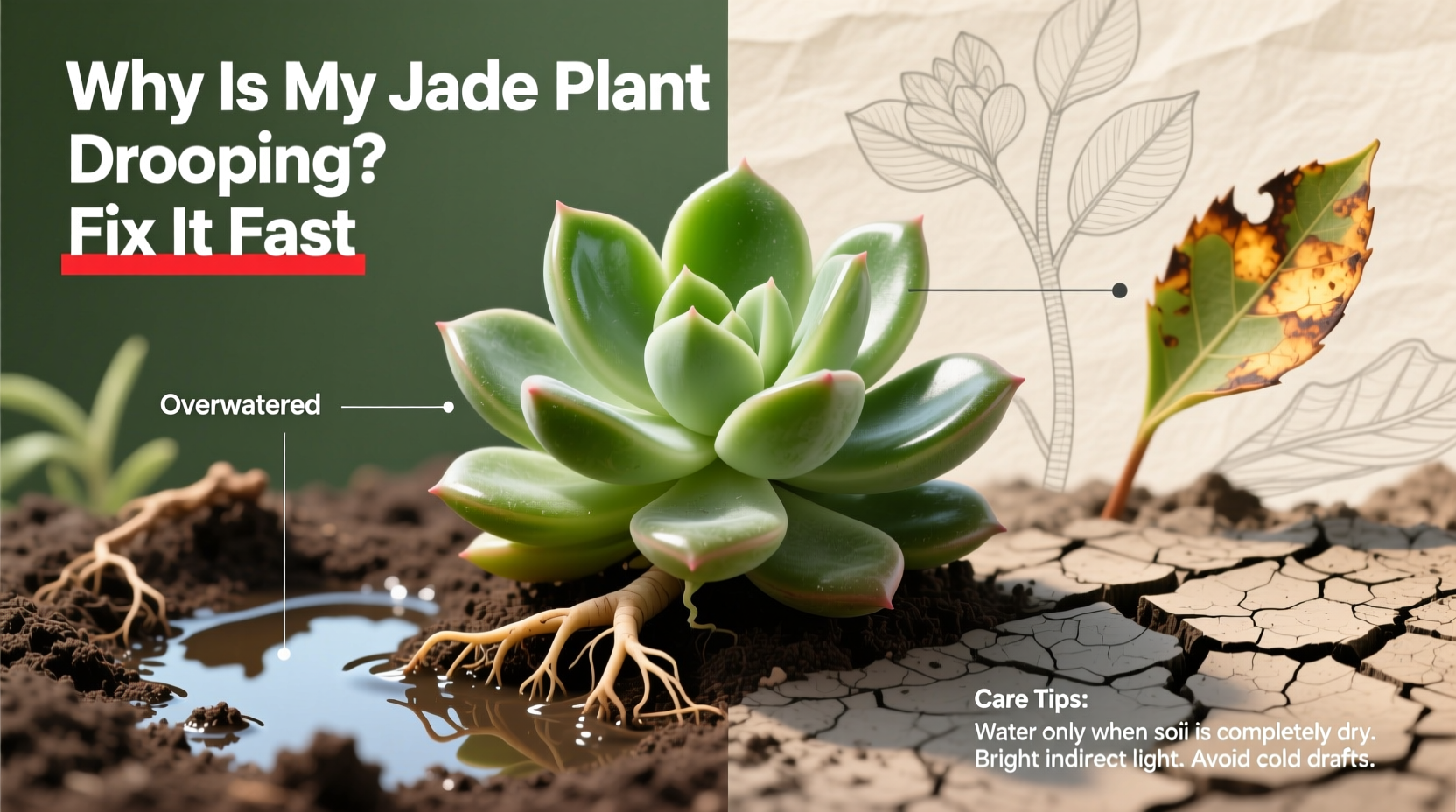
- Let them dry between waterings. When rehydrating, do two short passes 10 minutes apart.
- Use a gritty mix with some pumice. Avoid pure peat which becomes hydrophobic.
Lawns
- Core aerate. Then apply a wetting agent. Water in with cycle soaks.
- Raise mower height to shade the soil.
I used these tweaks across a dry, windy site. The best lesson on how to fix dry soil problems in plants was simple. Fit the fix to the plant and the place.
Step-by-step checklist: from rescue to routine
Use this plan for fast results.
Day 1
- Pulse water or bottom soak until the soil is evenly moist.
- Add a wetting agent if water still runs off.
- Mulch after the soil is damp.
Week 1 to 2
- Water in cycles, early in the day.
- Check moisture with your finger or a meter before each watering.
Week 3 to 6
- Top-dress with compost.
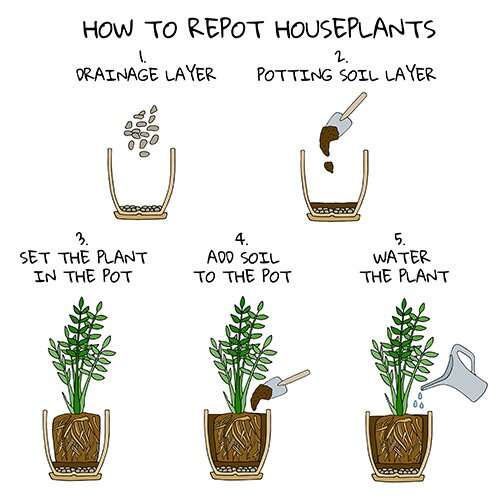
- For pots, repot into a coir-rich mix if the old mix stays water-repellent.
Ongoing
- Maintain mulch.
- Adjust watering with the seasons.
This is the easiest way I know on how to fix dry soil problems in plants without stress or guesswork.
Common mistakes to avoid
A few errors make dry soil worse.
Avoid these pitfalls.
- Dumping water fast. It runs off and leaves the core dry.
- Skipping mulch. Bare soil loses water fast.
- Using peat-only mixes for years. They turn hydrophobic when dry.
- Overusing hydrogels. They can fail under heat and salt. Use organic matter instead.
- Ignoring salts. Hard water and heavy feed can cause crusting. Flush now and then.
Learn how to fix dry soil problems in plants by avoiding these traps. Small changes prevent repeat issues.
Frequently Asked Questions of how to fix dry soil problems in plants
Why does my soil repel water?
Soil can become hydrophobic when organic matter dries and waxy compounds build up. Peat-based mixes, dry compost, and hot, windy weather make it worse.
How often should I water dry, compacted soil?
Water in short cycles until moisture reaches the root zone, then wait until the top inch dries. Deep, less frequent watering builds stronger roots.
Are wetting agents safe for edible plants?
Use a non-ionic wetting agent labeled for gardens and follow the rate. Water in well and avoid overuse to protect soil life.
Can I fix dry soil with just mulch?
Mulch helps a lot but works best on moist soil. Rehydrate first, then mulch to hold the moisture and feed microbes.
Will adding sand help clay that dries hard?
No. Sand plus clay can make a concrete-like mix. Add compost and coarse organic matter instead to improve structure and moisture flow.
What is the fastest way to rehydrate a pot?
Bottom soak for 20 to 45 minutes, then drain. If it still dries fast, repot into a fresh, coir-rich mix.
Conclusion
Dry soil is a problem you can fix with simple steps. Rehydrate slowly, improve the mix, and lock it in with mulch. Then set a steady watering rhythm that fits your plants and climate. The methods here show how to fix dry soil problems in plants today and keep it from coming back.
Ready to revive your garden? Try one quick fix now, then follow the checklist this week. Share your results, ask a question, or subscribe for more practical plant care guides.

Laura Bennett is a gardening writer at MyGardenLabs who creates beginner-friendly guides focused on solving common plant care and gardening problems.