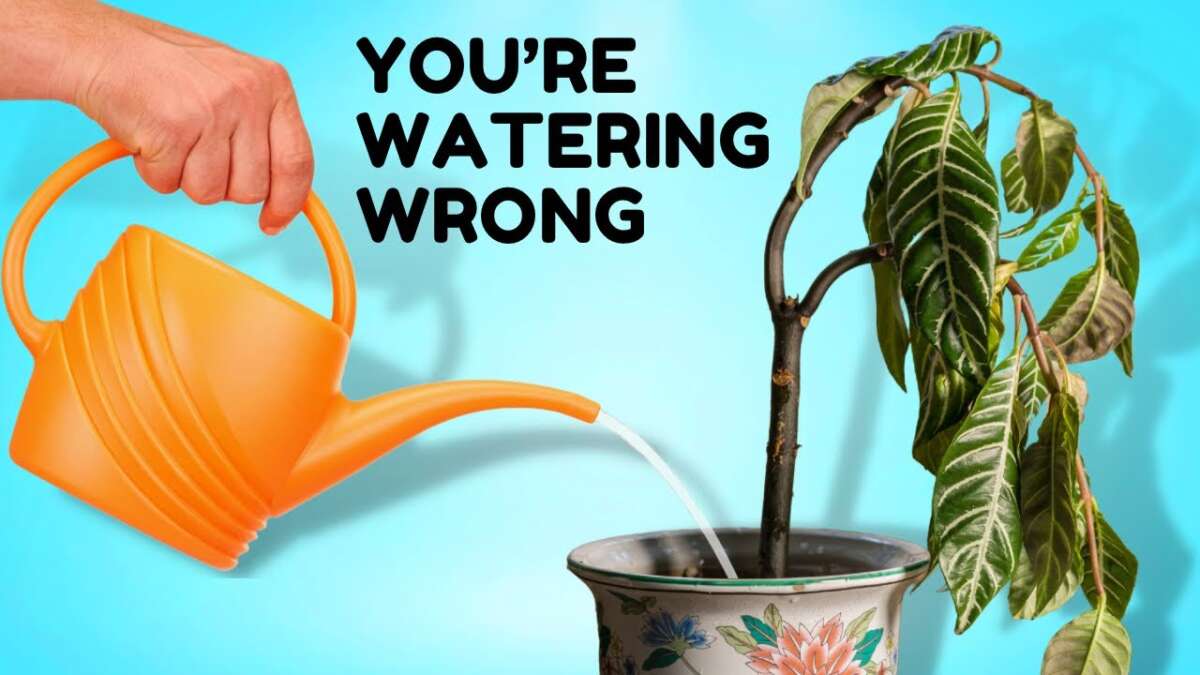
How To Grow Healthy Plants At Home: Pro Tips For 2026
Give plants the right light, water, soil, and steady care—consistently and calmly.
You want your space to feel alive. I get it. I’ve helped hundreds of people learn how to grow healthy plants at home, even in small apartments and busy lives. In this guide, I’ll show you what works, what fails, and how to avoid guesswork. We’ll keep it simple, science-backed, and friendly so you feel ready to plant with confidence.

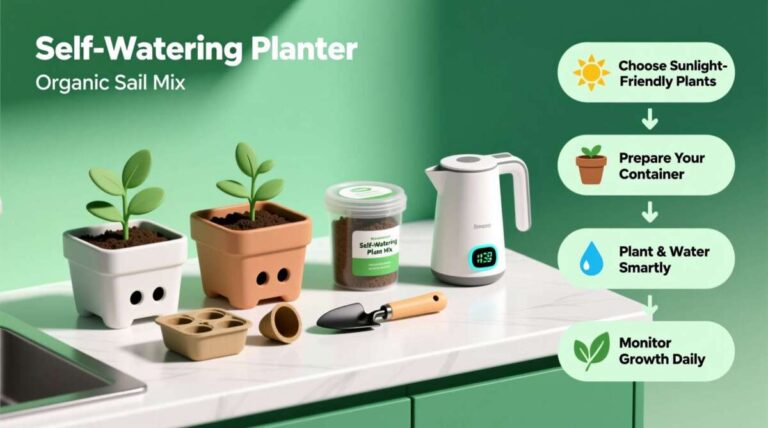
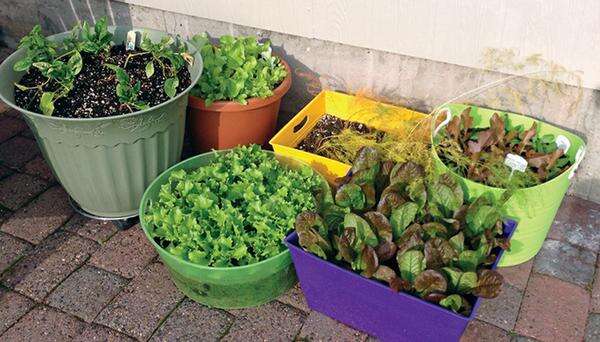
Start smart: pick plants that fit your space and routine
The first move is not buying a plant. It is checking your light, time, and goals. When you match plant needs to your home, you win. If you force a sun lover into a dim corner, you fight a losing game.
Think about your day. Do you want a low-effort green buddy? Or do you love hands-on care? If you want set-and-forget, choose tough plants. If you like a morning plant check, you can try more delicate types. This is the heart of how to grow healthy plants at home.
Great starter plants for low to medium light:
- Snake plant
- ZZ plant
- Pothos
- Philodendron heartleaf
Great for bright light or sunny windows:
- Spider plant
- Jade
- Aloe
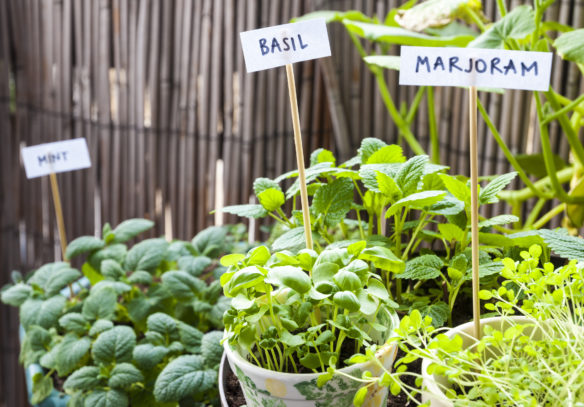
- Herbs like basil, mint, and thyme
I learned this the hard way. I once put a fern on a bright sill. It crisped in a week. Now I test light first and match plants to it.
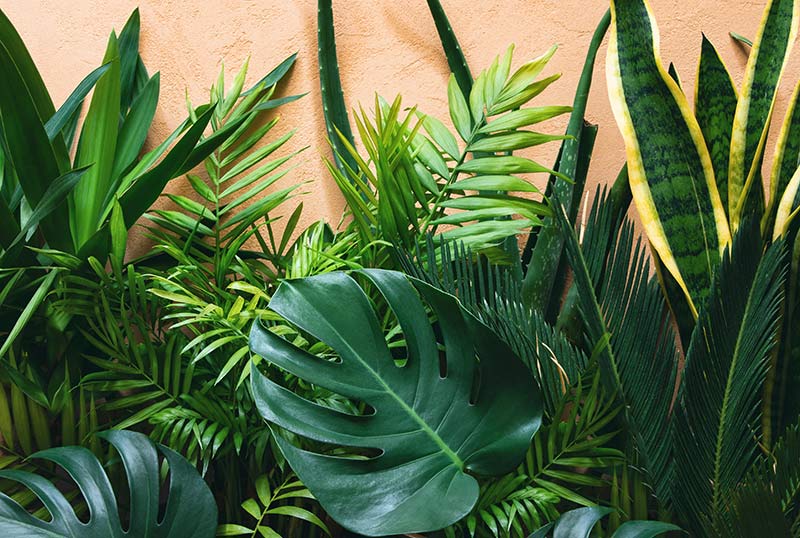
Light made easy: give plants the right dose
Light is plant food. Most houseplants like bright, indirect light. That means a bright room without harsh sun on the leaves. A south or west window gives strong light. An east window offers soft morning sun. A north window is gentle and dim.
You can test light without tools. Stand where the plant will sit at noon. Look at your hand shadow on a sheet of paper. A sharp shadow means bright light. A fuzzy shadow means medium light. No shadow means low light. For fruiting or herbs, use the brightest spot.
If you use grow lights, place LEDs 8 to 12 inches above leaves. Run them 12 to 14 hours a day. Keep it simple. A timer helps a lot. A steady light routine is a big key to how to grow healthy plants at home.

Watering without worry
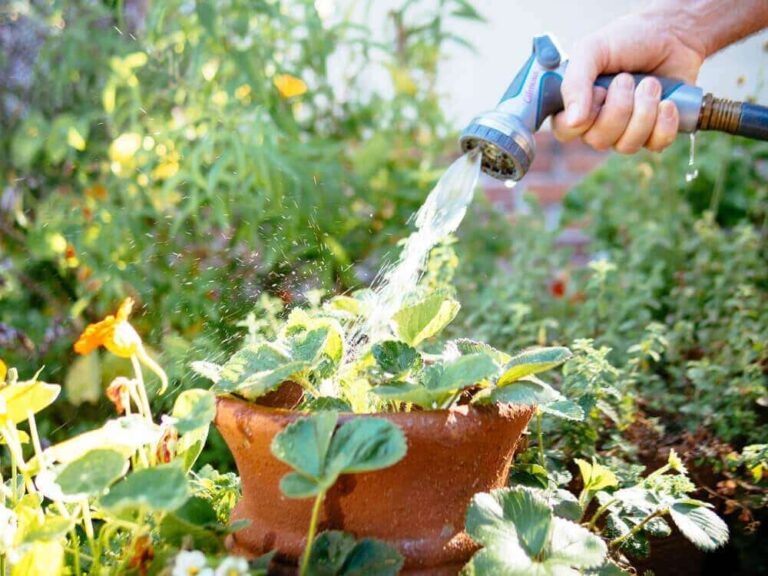
Overwatering is the top plant killer. Roots need air and water. If the mix stays soggy, roots rot. If it dries for too long, roots die back. The fix is to water by feel and by pot weight.
Use this quick rule:
- For most plants, water when the top inch of soil is dry.
- For succulents and cacti, wait until the mix is dry two inches down.
- For thirstier plants like ferns or calatheas, keep the top half inch just damp.
Water until it runs out the drain holes. Then dump the saucer. Tap water is fine for most plants. If your water is very hard, leaves may tip-burn. Let water sit overnight before use, or blend with filtered water.
My routine is simple. I check soil with a finger or a moisture meter. I also lift the pot. A light pot needs water. This habit is central to how to grow healthy plants at home.
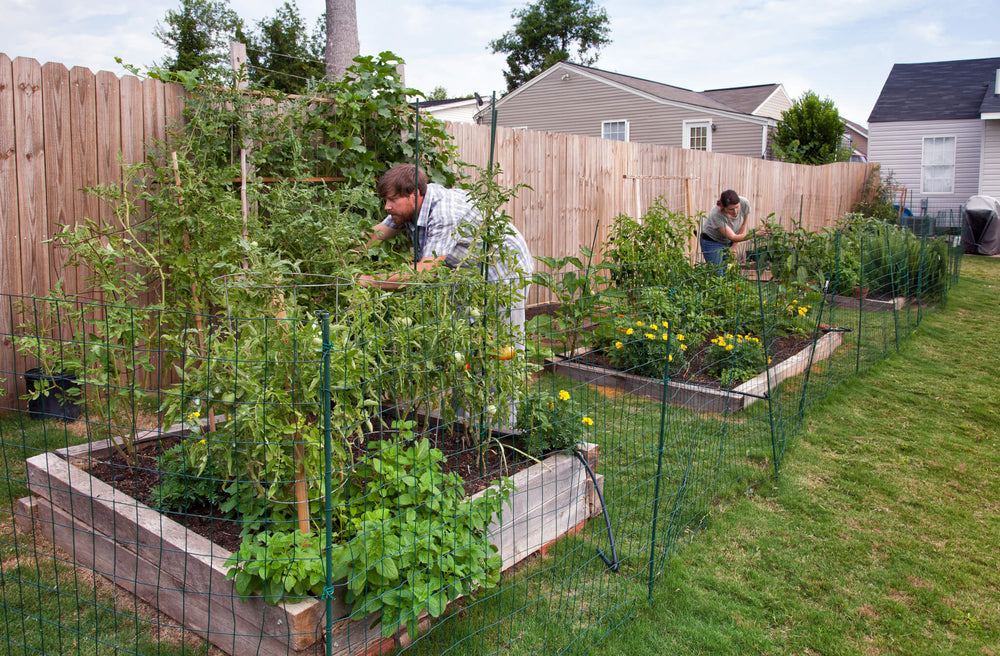
Soil, pots, and drainage: set roots up for success
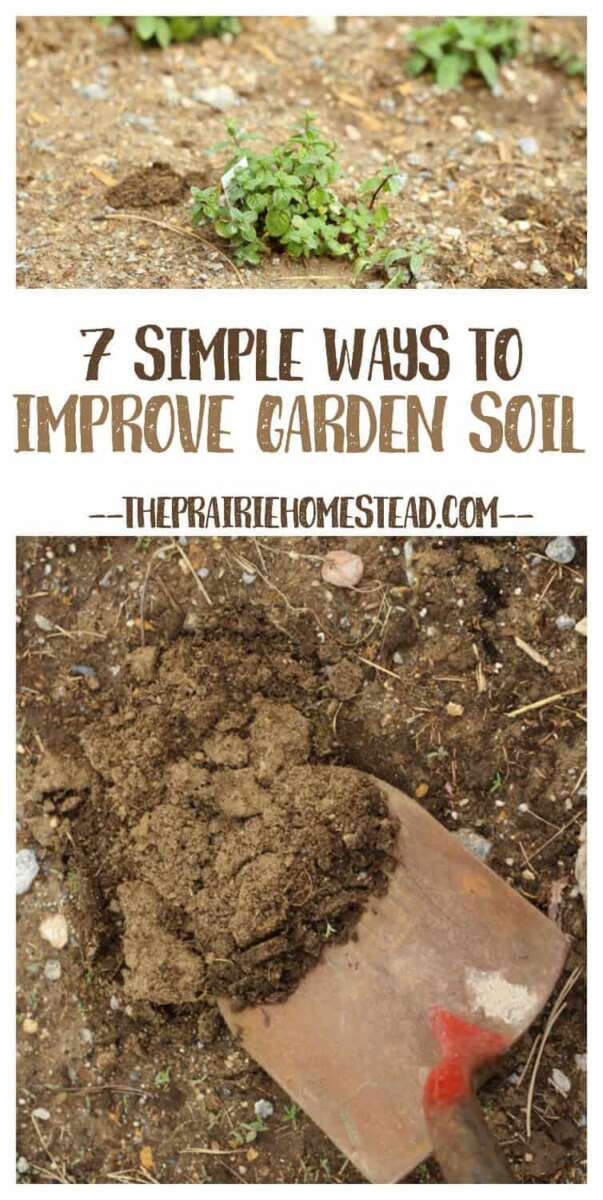
Good potting mix holds water but drains fast. Most indoor plants like a mix that is loose and airy. Avoid heavy garden soil. It compacts and smothers roots.
Try this easy base mix:
- 2 parts high-quality potting mix
- 1 part perlite or pumice for air
- 1 part coconut coir or fine bark for structure
Use pots with drain holes. A cachepot without a hole is okay if you keep the plant in a nursery pot inside it. When roots circle the bottom or the plant dries out in a day, it is time to repot. Step up one pot size only. Root care like this is a big part of how to grow healthy plants at home.

Feeding and natural boosts
Plants need nutrients to grow. A balanced liquid fertilizer works well for most houseplants. Look for an all-purpose N-P-K on the label. Feed at half strength every 2 to 4 weeks in spring and summer. Feed less in fall and winter when growth slows.
For herbs and fast growers, feed a bit more often. For slow plants like ZZ or snake plants, feed less. Organic options like fish emulsion or worm castings are gentle and steady. Do not overfeed. It can burn roots and leaves. Smart feeding is one of the easiest wins in how to grow healthy plants at home.
Humidity, temperature, and airflow
Most houseplants like room temps from 65 to 75°F. Avoid drafts and heat blasts. Keep plants a few feet from heaters or AC vents. Most do well at 40 to 50% humidity. Tropical plants prefer 50 to 60%.
Use these simple moves:
- Group plants to raise local humidity.
- Place a tray with pebbles and water under the pot. Keep the pot above the water line.
- Run a small fan on low to keep air moving.
I keep a cheap digital thermometer and humidity gauge on the shelf. It helps me spot swings fast. Getting the air right is core to how to grow healthy plants at home.

Pest and disease control the low-toxic way
Pests happen. Do not panic. Catch them early. Check leaves top and bottom each week. Look for sticky leaves, tiny webs, dots, or distorted growth. Common pests include fungus gnats, spider mites, scale, and mealybugs.
Use these steps:
- Quarantine new plants for two weeks away from others.
- For fungus gnats, let the top inch dry and use yellow sticky traps.
- For mites or mealybugs, wipe leaves with a damp cloth and mild soap.
- Use insecticidal soap or neem oil per label. Repeat weekly until gone.
Clean tools and pots. Remove dead leaves. Good hygiene is a quiet hero in how to grow healthy plants at home. Research shows clean, well-spaced plants get fewer outbreaks.
Pruning, training, and propagation
Pruning keeps plants full and neat. Pinch the soft tips of vining plants to promote bushy growth. Cut above a node, which is where leaves meet the stem. Use clean, sharp scissors.
Train vines along a trellis or a simple pole. Rotate pots a quarter turn each week so growth stays even. Save cuttings from pothos, philodendron, or coleus. Root them in water or damp mix. Free plants are fun and help you learn how to grow healthy plants at home.
A simple weekly plant care routine
A small routine beats big fixes. Set a 15-minute plant check once a week. Use this quick list. It keeps things smooth and light.
Weekly:
- Check soil moisture and water as needed.
- Scan for pests or yellow leaves and remove them.
- Rotate pots for even light.
- Wipe dust off leaves with a damp cloth.
Monthly:
- Feed if in the active growing season.
- Rinse the potting mix with plain water to prevent salt build-up.
- Groom dead stems and tidy the pot.
This habit is my secret sauce. It is low effort and high impact for how to grow healthy plants at home.
Seasonal tips for home growers
Seasons change indoors too. In winter, light drops and air gets dry. Move plants closer to windows. Cut back on water and fertilizer. Use a humidifier if air is very dry.
In spring, growth speeds up. Resume feeding. Repot root-bound plants. In summer, watch for sun scorch near hot windows. In fall, slow your care as growth slows. Working with the seasons is a quiet skill in how to grow healthy plants at home.
Troubleshooting common issues
Yellow leaves often mean overwatering or stress. Check the roots and the potting mix. Let it dry out a bit more between drinks. Trim damaged leaves.
Brown leaf tips can be dry air, salt build-up, or hard water. Boost humidity. Flush the pot with water to clear salts. If water is very hard, mix in filtered water. Quick fixes like these are part of how to grow healthy plants at home.
Droopy leaves can mean too dry or too wet. Check the soil. If bone dry, water well. If soggy, improve drainage and wait. Leggy growth means not enough light. Move the plant to a brighter spot or add a grow light.
Frequently Asked Questions of how to grow healthy plants at home
How much light do houseplants really need?
Most do well with bright, indirect light for 6 to 8 hours a day. Herbs and flowering plants want the brightest window or a grow light.
How often should I water my plants?
Water when the top inch of soil is dry for most plants. Succulents need a longer dry period, while ferns like steady, light moisture.
What is the best potting mix for indoor plants?
Use a light, fast-draining mix with perlite or pumice for air. Avoid garden soil because it compacts and can hold too much water indoors.
How can I raise humidity without a humidifier?
Group plants and use a pebble tray with water under the pot. Keep the pot above the water line so roots do not sit in water.
How do I get rid of fungus gnats?
Let the top inch of soil dry between waterings and use yellow sticky traps. You can also top-dress with a thin layer of sand or use a biological control.
When should I repot a plant?
Repot when roots circle the bottom or water runs straight through. Move up only one pot size and refresh the mix.
Can I use tap water?
Yes, for most plants. If you see leaf tip burn, let water sit overnight or blend with filtered water.
Conclusion
You do not need a green thumb. You need a simple plan and steady habits. Match plants to your light. Water by feel, not by the calendar. Use a well-draining mix, feed lightly, and keep air comfy. These small steps add up to big wins in how to grow healthy plants at home.
Start with one plant and one routine this week. Watch it respond. Then add more. If this guide helped, share it, subscribe for more plant tips, or drop a question in the comments.

Laura Bennett is a gardening writer at MyGardenLabs who creates beginner-friendly guides focused on solving common plant care and gardening problems.