How To Grow Plants In Clay Soil: Proven Tips For 2026
Amend clay with compost, plant suited species, water wisely, and avoid compaction.
Clay soil can be a gift once you learn how to manage it. In this guide, I’ll show you how to grow plants in clay soil with simple steps, real results, and proven methods. I’ve worked this ground for years and seen tough beds become lush and easy to care for. If you want a clear plan for how to grow plants in clay soil, you’re in the right place.

Why Clay Soil Can Grow Great Gardens
Many people fear clay. I get it. It can be sticky when wet and hard when dry. But clay holds nutrients well and can grow strong plants once you set it up right. That is the core of how to grow plants in clay soil.
Clay particles are tiny. They pack tight. Water moves slow. Roots struggle until you change the structure a bit. Add organic matter, protect the surface, and avoid compaction. That turns a stubborn bed into a fertile one.
I’ve seen shrubs, roses, fruit trees, and hardy perennials thrive in clay. They grew deep roots and needed less water in summer. That is the upside that keeps me loyal to these heavy soils.
Identify Your Clay Soil
To learn how to grow plants in clay soil, start with a quick check. Grab a handful of damp soil. Roll it into a rope. If it holds shape and feels slick, you’ve got clay. Try the jar test. Shake soil and water in a clear jar with a bit of dish soap. Sand settles fast. Silt next. Clay forms the top layer after a day.
Note drainage. Dig a hole 12 inches deep. Fill with water. Let it drain. Fill again and time it. If it drops less than 1 inch per hour, you need better structure. Track sun, slope, and wind too. Clay in shade can stay cold and wet in spring. Sunny slopes dry faster.
I also watch for puddles after rain. Those spots need extra care. Mark them and plan fixes. Little data now saves big trouble later.
:max_bytes(150000):strip_icc()/plants-that-grow-in-clay-soil-4165330-02-1f1e65b00cb449a3a0d1b976c68376e7.jpg)
Step-by-Step: Bed Prep That Works
A clear plan makes how to grow plants in clay soil much easier. Think gentle changes. Do not fight the soil. Shape it.
Add organic matter the smart way
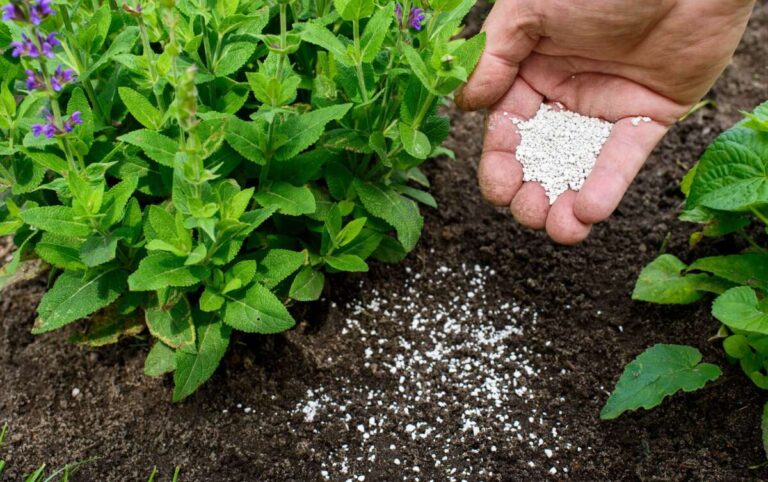
- Spread 2 to 3 inches of quality compost over the bed.
- Add leaf mold or aged manure if you have it.
- Work it into the top 4 to 6 inches when soil is only slightly moist.
- Repeat each fall or spring for two to three years.
University trials show steady compost builds soil crumbs, called aggregates. That improves air flow and water paths. It also feeds soil life that keeps the structure stable.
Fix poor structure without over-tilling
- Avoid tilling when wet. It smears soil and makes bricks.
- Use a digging fork to loosen, not flip, the soil layers.
- Build wide, shallow raised beds if drainage is slow.
- Keep foot traffic off beds. Add stepping stones for access.
Consider minerals only when needed
- Gypsum can help if your clay has excess sodium. Do a soil test first.
- Lime only if pH is low. Clay often has neutral to high pH already.
- Sand is risky. In most cases, sand plus clay makes concrete. Skip it.
I learned this the hard way. Years ago, I mixed sand into a sticky bed. It set like a patio. Compost and patience would have done the trick.

Choosing Plants That Love Clay
Selecting the right cast is key to how to grow plants in clay soil. Pick plants with strong, deep roots or those native to heavy soils. They anchor well, ride out dry spells, and do not fuss.
Great choices I’ve grown and trust:
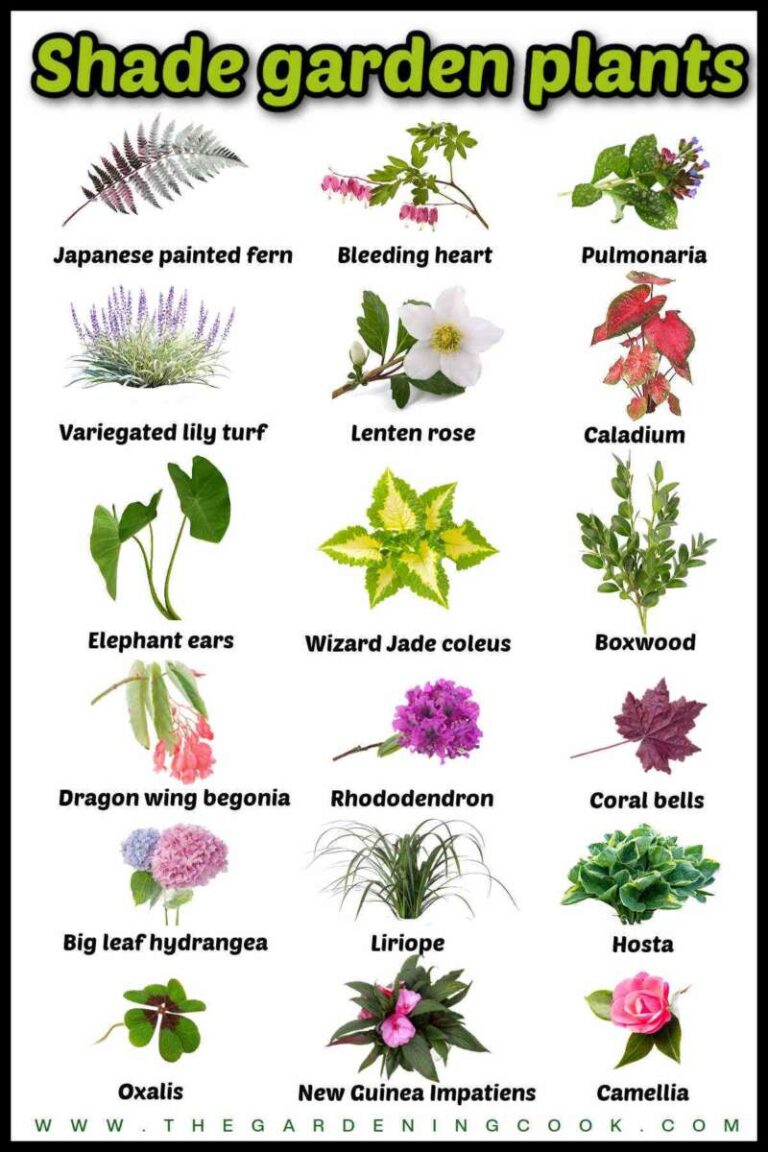
- Trees: Bald cypress, river birch, ginkgo, oak, honeylocust.
- Shrubs: Redtwig dogwood, ninebark, viburnum, elderberry, shrub roses.
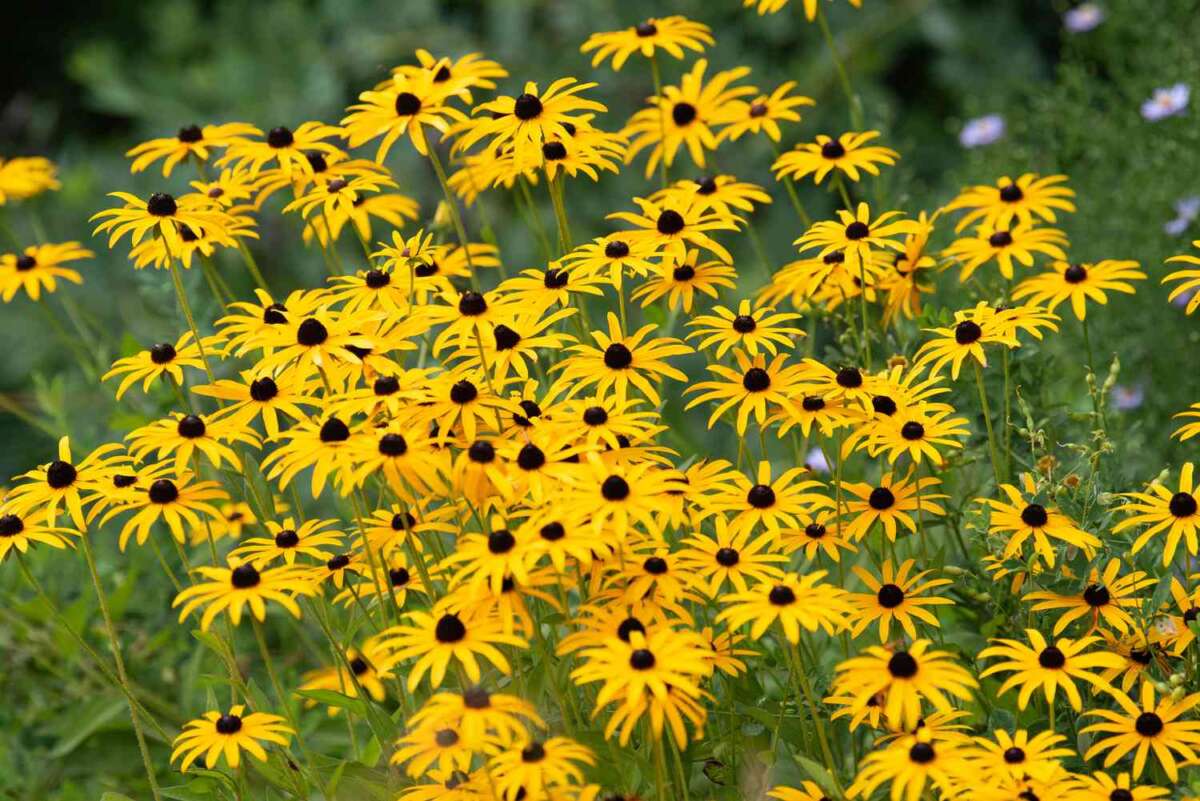
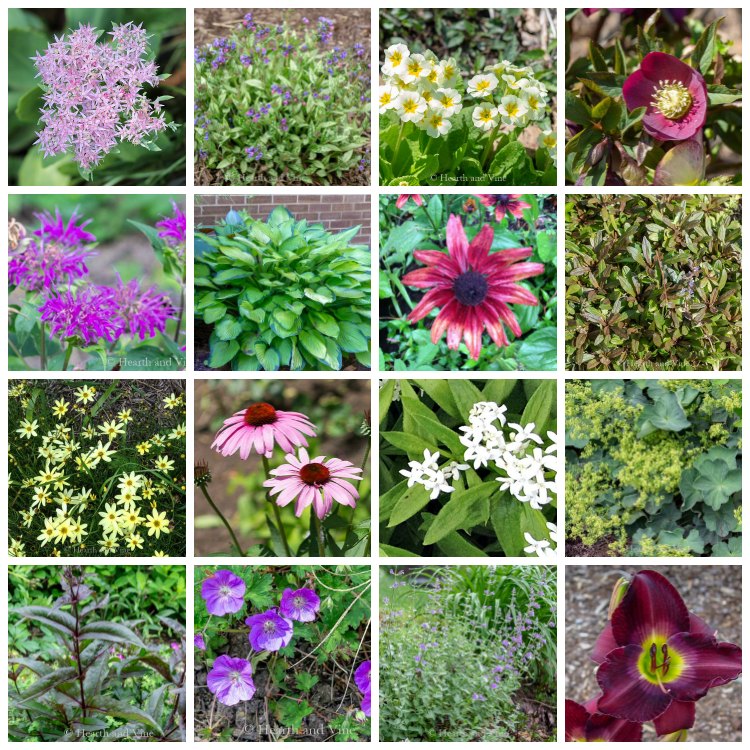
- Perennials: Daylily, aster, coneflower, black-eyed Susan, bee balm, Siberian iris.
- Edibles: Asparagus, rhubarb, chard, kale, blackberry, pear.
- Groundcovers: Ajuga, lamium, pachysandra, creeping thyme on sunny, well-prepped beds.
Match plant to microclimate. Wet spots suit river birch and dogwood. Drier edges love coneflower and thyme. Use your soil test to guide pH lovers like blueberries, which want acidic beds.
:max_bytes(150000):strip_icc()/understanding-and-improving-clay-soil-2539857-final_revisted_AC-5c2e1f1046e0fb00012221a8-716db1864d514b5e96eb7af91be85a2a.jpg)
Planting Techniques That Work in Clay
Good technique is the quiet hero of how to grow plants in clay soil. Small tweaks change outcomes.
Dig and set correctly
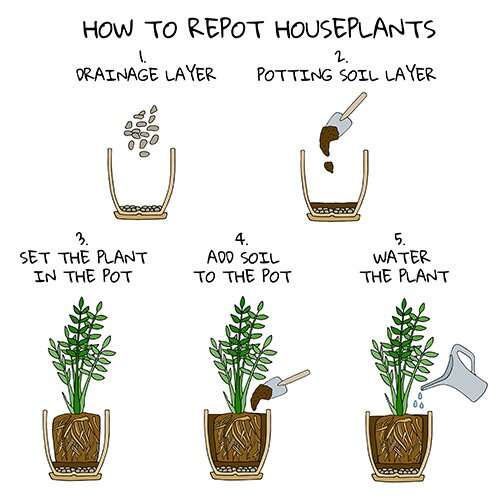
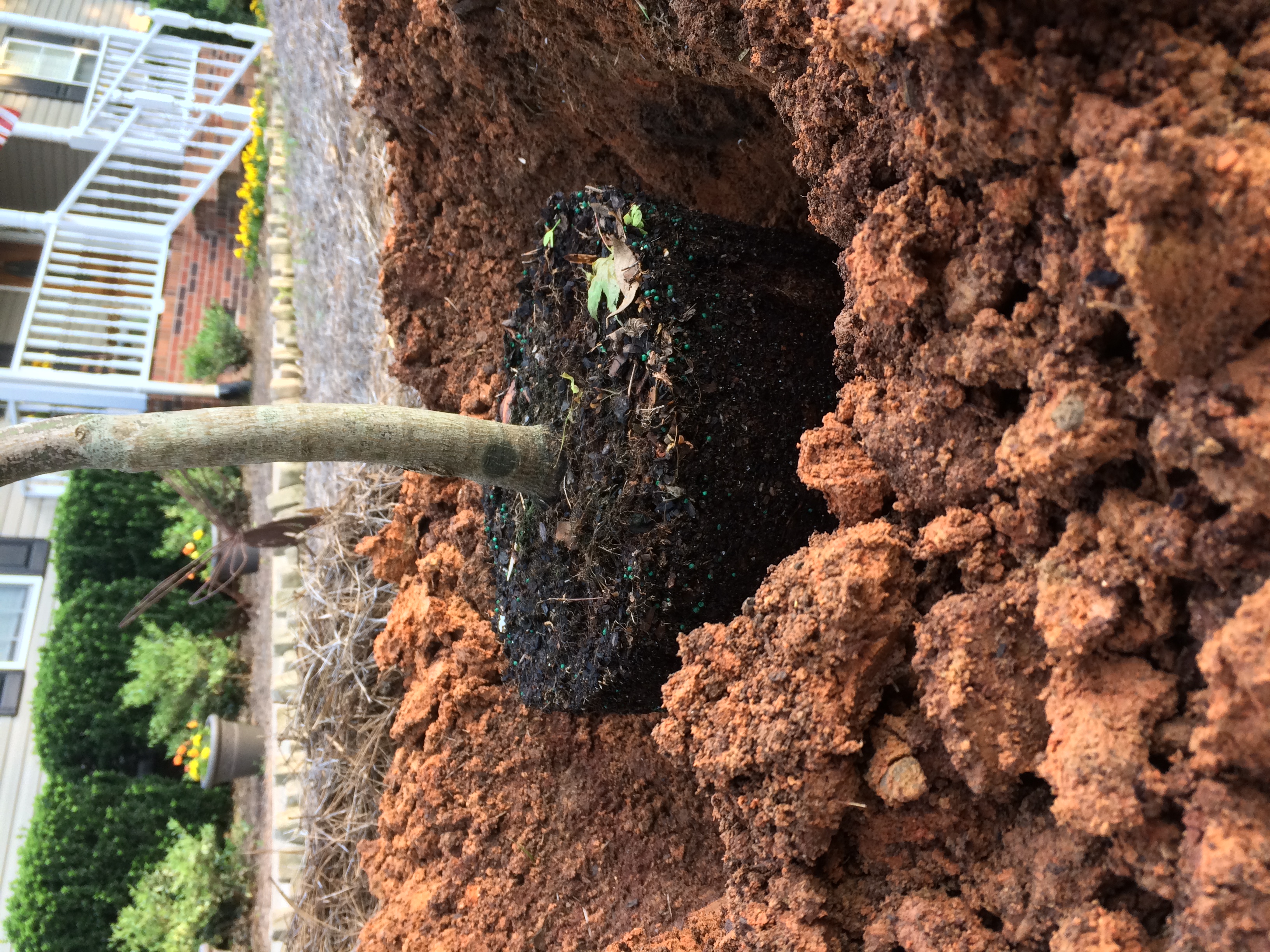
- Dig a hole 2 to 3 times wider than the root ball, not deeper.
- Rough up the sides so roots can break through.
- Set the crown level or slightly high to avoid water pooling.
- Backfill with your native soil mixed with compost. Do not use straight potting mix in the hole.
Create a broad saucer
- Shape a shallow basin around the plant edge.
- This holds water so it can soak in slowly.
- Break any glaze on the hole wall with your shovel tip.
Do not over-amend just the hole
Roots can circle in a rich pocket and stall. I learned to amend the whole bed lightly and mulch well. That pulls roots outward into the native soil.
Smart Watering and Drainage
Water is the biggest lever in how to grow plants in clay soil. Clay holds water well, but it drains slow. You need balance.
- Water deep and less often. Aim for 1 inch per week, with a rain gauge.
- Use drip lines or soaker hoses. They apply water slow and even.
- Morning watering reduces disease.
- If water stands for hours, add surface swales or a French drain at the edge.
Research shows slow, steady water improves infiltration in fine-textured soils. Fast bursts run off. Think sponge, not bucket dump.
:max_bytes(150000):strip_icc()/plants-that-grow-in-clay-soil-4165330-02-1f1e65b00cb449a3a0d1b976c68376e7.jpg)
Mulch, Compost, and Fertility
Mulch is your shield. It is central to how to grow plants in clay soil. It keeps the surface from sealing, feeds the soil, and limits weeds.
- Spread 2 to 3 inches of shredded bark, leaves, or straw.
- Keep mulch 3 inches off stems and trunks.
- Top up each year as it breaks down.
- Use slow-release organic fertilizers based on a soil test.
Compost adds nutrients in small, steady doses. Extension studies show yearly additions lift organic matter and improve root growth. You will see easier digging each season.

Seasonal Care and Maintenance
Year-round habits lock in how to grow plants in clay soil. Small steps add up.
Spring
- Wait to work soil until it crumbles in your hand.
- Edge beds and refresh mulch.
- Feed per the soil test.
Summer
- Check moisture under the mulch with your finger.
- Water deep during heat waves.
- Trim to keep air moving through plants.
Fall
- Add leaves and compost over beds.
- Plant trees and shrubs for strong root set.
- Avoid heavy tilling.
Winter
- Keep off frozen, wet beds.
- Plan drainage fixes for early spring.
Raised Beds and Containers as Allies
Sometimes the fastest way to learn how to grow plants in clay soil is to lift the root zone. Raised beds and large containers give instant control.
- Build beds 8 to 12 inches high with wide paths to prevent compaction.
- Fill with a mix of compost, screened topsoil, and pine fines or coarse bark.
- Use sturdy containers with drainage holes for herbs and veggies.
- Still mulch to protect the surface and keep moisture steady.
I often start finicky crops in raised beds while I improve the native clay nearby. After two or three seasons, the clay beds catch up.
Troubleshooting Common Problems
Even with a good plan, issues pop up. Here is how to grow plants in clay soil when problems arise.
Slow growth and pale leaves
- Check drainage and compaction first.
- Loosen soil with a fork and add organic matter.
- Confirm pH and nutrient levels with a test.
Cracking soil in drought
- Add mulch right away.
- Water deep to close cracks and protect roots.
- Increase organic matter each season.
Standing water after storms
- Shape gentle mounds for sensitive plants.
- Add shallow swales to guide water off beds.
- Consider a French drain at the low edge.
Root rot on new plants
- Plant high. Improve surface drainage.
- Water less often but deeper.
- Choose species that tolerate heavier soils.
Tools and Products That Help
The right tools make how to grow plants in clay soil simple and safe.
- Garden fork for loosening without smearing wet clay.
- Broadfork for deep aeration in larger beds.
- Mulch by the yard for steady coverage.
- Quality compost from a tested supplier.
- Drip irrigation kit with pressure regulator.
- Soil test kit or lab test every 2 to 3 years.
Skip heavy tillers in small beds. They can destroy structure if used when soil is damp. Think light touch and repeat passes over time.
Frequently Asked Questions of how to grow plants in clay soil
What is the fastest way to improve clay soil?
Add 2 to 3 inches of compost and mulch every year. Avoid working it when wet, and use a fork to loosen, not flip.
Should I add sand to clay soil?
No. Sand plus clay can lock up and act like concrete. Use compost, leaf mold, and mulch instead.
Which vegetables grow well in clay?
Asparagus, kale, chard, and many brassicas handle clay well. Use raised beds for carrots and onions to avoid deformities.
How deep should I plant trees in clay soil?
Plant at or slightly above grade. Make the hole wider, not deeper, and avoid making a slick, glazed wall.
Can gypsum fix all clay soils?
Gypsum helps sodic (high sodium) clays by improving structure. It does little in non-sodic clays, so test first.
Conclusion
Clay soil is not a curse. It is a strong base that needs the right touch. Add organic matter, protect the surface, pick the right plants, and water with care. Do that, and your garden will thrive for years.
Start small this week. Choose one bed. Add compost, set mulch, and plant one clay-tough perennial. Want more tips on how to grow plants in clay soil and beyond? Subscribe, ask a question, or share your own wins in the comments.

Laura Bennett is a gardening writer at MyGardenLabs who creates beginner-friendly guides focused on solving common plant care and gardening problems.