How To Grow Plants In Sandy Soil: Proven Tips For 2026
Add compost, mulch, split fertilizer, deep watering, and choose sandy-soil-friendly plants.
If you want to learn how to grow plants in sandy soil, you’re in the right place. I’ve built healthy gardens on beachy, gritty ground that most folks write off. In this guide, I’ll show you simple, proven steps backed by science and field experience. We’ll cover water, food, mulch, and the best plants so you can master how to grow plants in sandy soil with confidence.
What makes sandy soil different
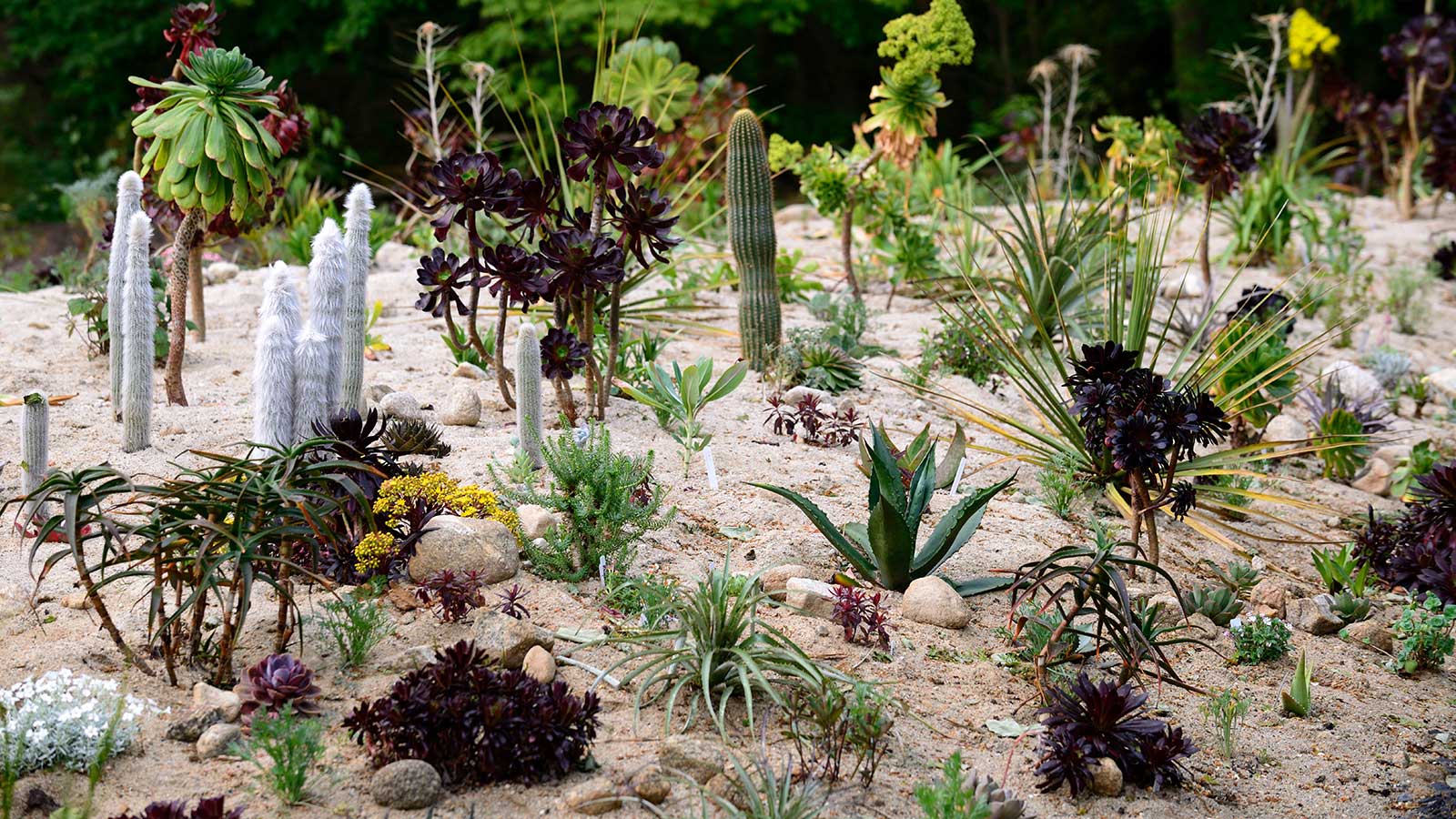
Sandy soil drains fast, warms fast, and dries fast. The particles are large with big air gaps. That means water and nutrients rush through before roots can use them.
The good news is this soil is easy to dig, rarely compacts, and is great for roots that hate wet feet. The challenge is low fertility and weak water holding. To grow strong plants, we boost sponge power, feed in small doses, and protect the surface.
Key traits to keep in mind:
- Low nutrient holding (low CEC), so fertilizer can leach fast.
- Quick drainage reduces disease risk but raises drought stress.
- Often low in organic matter and microbes.
- pH can range, but coastal sands often lean alkaline.
A step-by-step plan for how to grow plants in sandy soil
Follow these steps to upgrade any sandy bed and learn how to grow plants in sandy soil that thrive.
-
Test your soil
Send a sample to a lab. Ask for pH, organic matter, and nutrients. This sets your plan. -
Add organic matter
Work in 2 to 3 inches of compost before planting. Repeat each season to build a sponge. -
Mulch deeply
Lay 3 to 4 inches of coarse mulch. This slows water loss and feeds soil life. -
Water slow and deep
Use drip or soaker hoses. Water in the morning so more moisture stays in the root zone. -
Split your fertilizer
Feed little and often. This keeps nutrients in reach and reduces waste. -
Choose the right plants
Pick crops and ornamentals that like fast-draining soil. Match plants to your climate. -
Protect the surface
Keep soil covered year-round with mulch or cover crops. Bare sand loses moisture fast. -
Adjust pH if needed
If pH is high, add elemental sulfur. If low, add lime. Follow test results. -
Add long-lasting builders
Mix in biochar or aged wood chips. These improve water and nutrient holding over time. -
Track and tweak
Watch plant color and growth. Adjust water and feeding as the season shifts.
Soil amendments that work in sand
You can fix sandy soil with steady, smart inputs. Here’s what holds water and nutrients without turning beds to concrete.
Compost
- Adds organic matter and microbes.
- Improves water holding and nutrient retention.
- Use 1 to 2 inches each season on top as a mulch, plus a spring mix-in.
Aged manure or leaf mold
- Great for sandy beds.
- Builds a soft, rich texture without clumps.
- Make sure it is well aged to avoid burning roots.
Biochar
- Acts like a pantry for nutrients and water.
- Charge it first by mixing with compost or diluted fertilizer.
- Lasts for years and improves CEC.
Coco coir and fine pine bark
- Coco coir holds water well and resists breakdown.
- Fine pine bark adds structure and supports fungi.
- Blend 10 to 30% by volume into beds or potting mixes.
Clay fines or zeolite (advanced)
- A small amount of clay or zeolite can boost CEC in sand.
- Mix lightly to avoid clumping.
- Helpful in very lean, coarse sands.
Tip: Focus on steady inputs, not a one-time fix. That is the real key to how to grow plants in sandy soil for the long haul.
Smart watering and mulching for sandy beds
Water moves fast in sand, so slow the flow and keep the top cool.
- Use drip lines or soaker hoses. They deliver water right to the roots.
- Water less often but longer per run. Aim for 6 to 10 inches deep.
- Water in the early morning to reduce loss to heat and wind.
- Add 3 to 4 inches of mulch. Use arborist chips, straw, or shredded leaves.
- Around seedlings, pull mulch back a bit so stems stay dry.
- In hot spells, use two light cycles back to back to reduce runoff.
Pro tip: Add a simple rain gauge and a moisture probe. Data helps you dial in how to grow plants in sandy soil without guesswork.
Fertility, pH, and feeding schedule
Sandy soils need small, steady meals. Big doses wash away.
- Use slow-release organic sources. Compost, worm castings, and coated slow-release prills help.
- Split feedings every 3 to 4 weeks in the growing season.
- Target rates vary, but a light 0.5 to 1 pound of actual nitrogen per 1,000 square feet per month during peak growth is common.
- Include micronutrients if your test shows gaps. Iron, zinc, boron, and manganese can be low in sandy soils.
- Keep pH in range. Most vegetables prefer 6.0 to 6.8. Blueberries like 4.5 to 5.5. Follow lab guidance on sulfur or lime.
Why this works: Sandy soils have low CEC, so nutrients do not stick. Frequent, gentle feeding limits leaching and supports even growth.

Best plants for sandy soils
You have more options than you think. Choosing plants that like fast drainage is core to how to grow plants in sandy soil.
Vegetables and herbs:
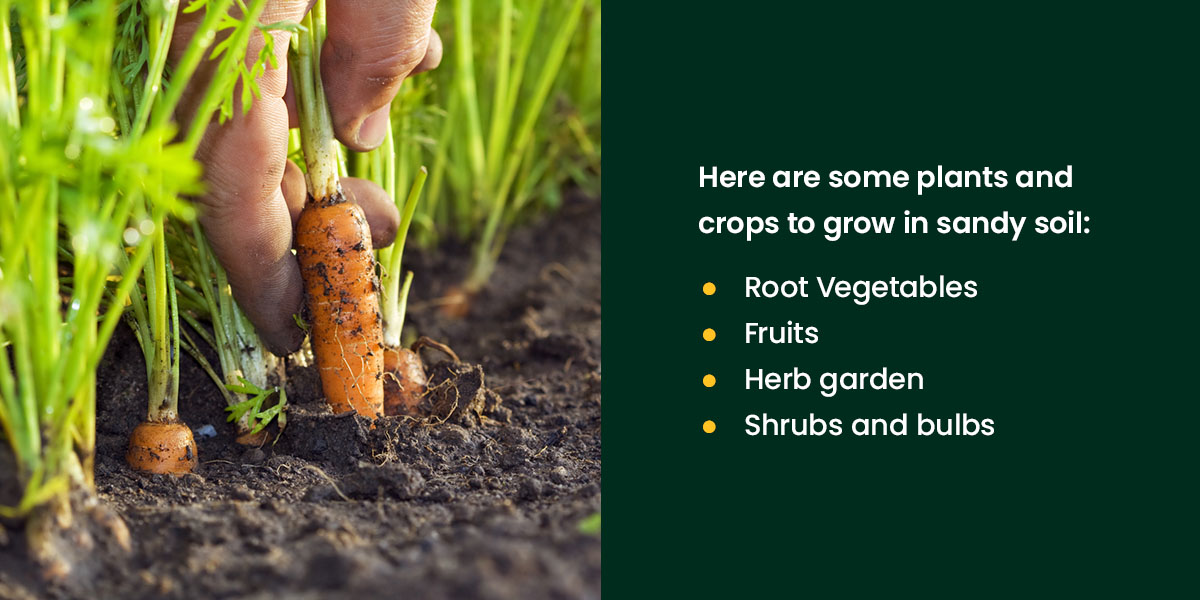
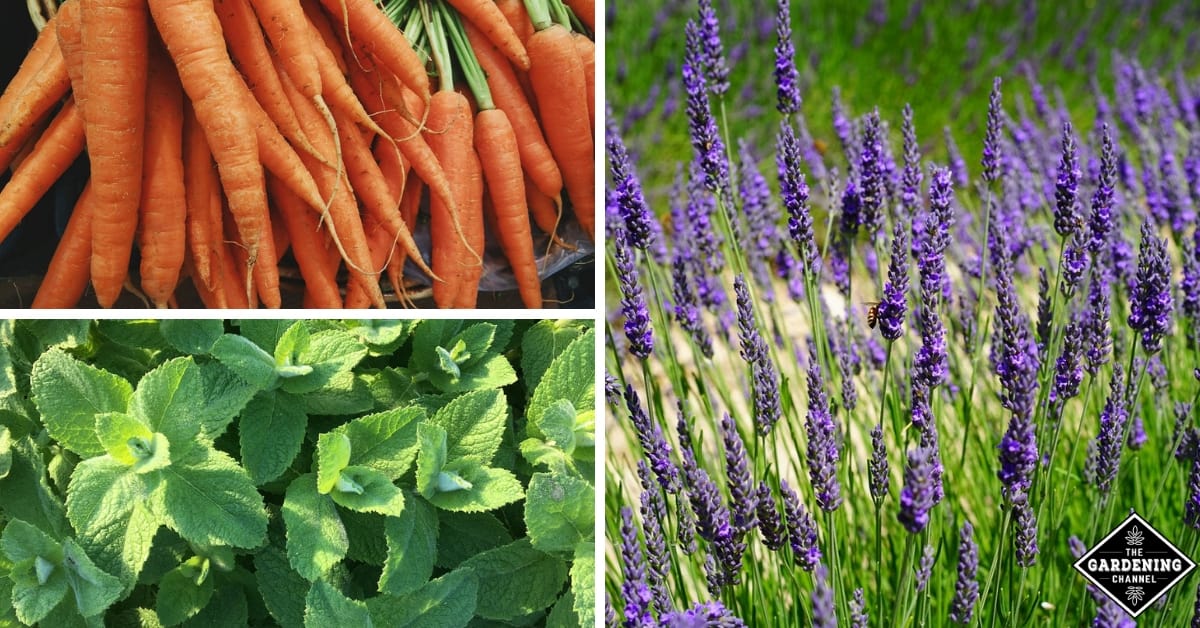
- Root crops: carrots, parsnips, radishes, potatoes, sweet potatoes
- Heat lovers: tomatoes, peppers, eggplant, okra
- Herbs: rosemary, thyme, sage, oregano, lavender
Fruits:
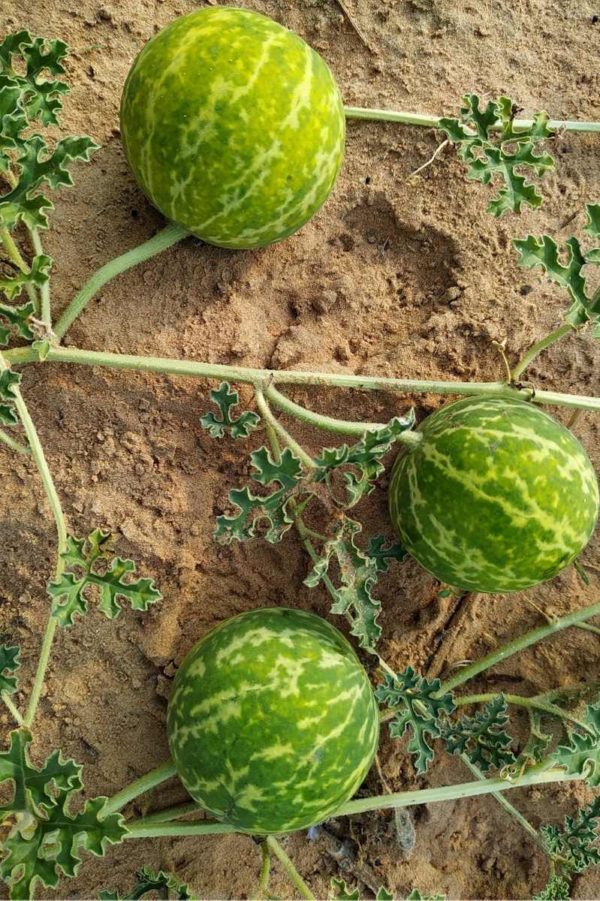
- Blueberries (with acidic soil), figs, melons, grapes, prickly pear
- Citrus and olives in warmer zones
Ornamentals:
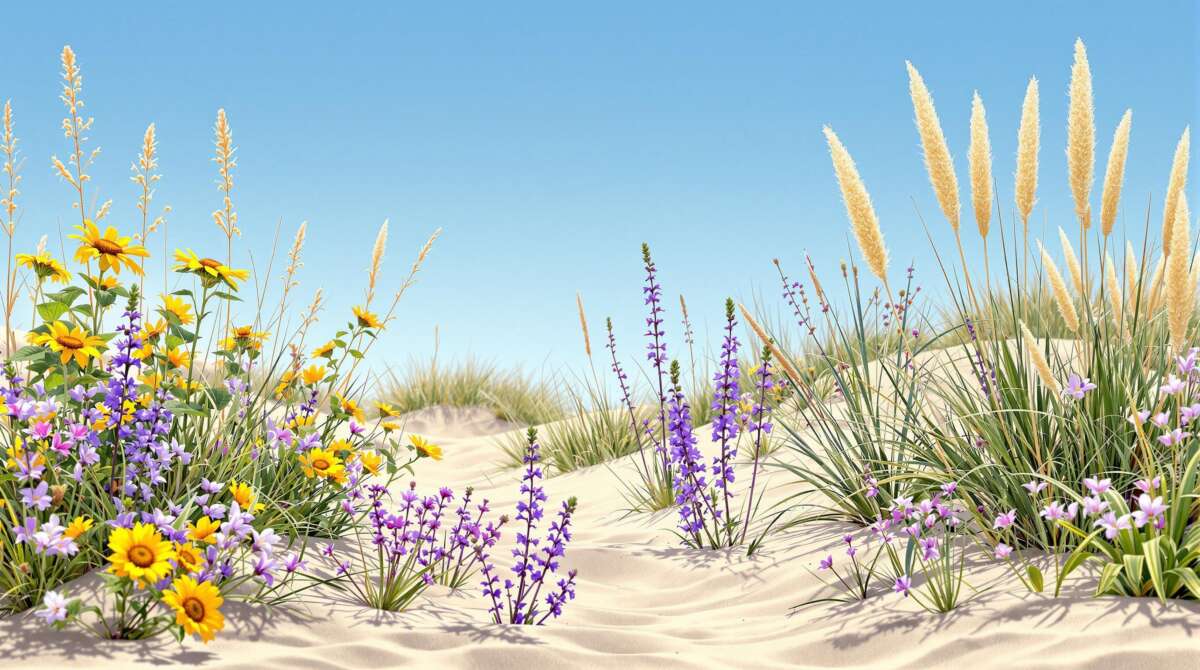
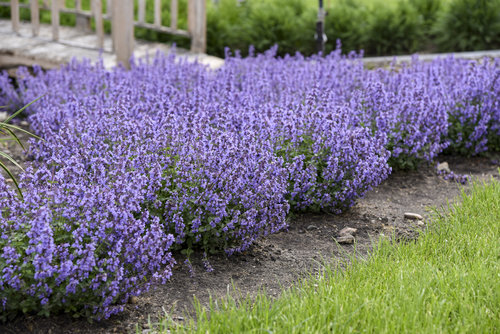
- Yarrow, Russian sage, blanket flower, coreopsis, sedum, echinacea
- Ornamental grasses like blue fescue and feather reed grass
Natives and coastal winners:
- Beach sunflower, seaside goldenrod, wax myrtle, manzanita, lupine
- Check local native lists for your region

Planting techniques that boost survival
A few small tweaks make a big difference in sandy beds.
- Widen, don’t deepen, planting holes. Spread roots sideways into improved soil.
- Blend compost into the top 8 to 12 inches. Keep native soil in the mix.
- Dust roots with mycorrhizal inoculant for woody plants and veggies that respond well.
- Water plants in with a mild seaweed or humic acid solution.
- Use windbreaks or low shade cloth for the first week in hot, dry sites.
These steps reduce stress and are central to how to grow plants in sandy soil with strong early root growth.
Seasonal care and climate notes
Sandy soil changes fast with the seasons. So should your care.
- Spring: Add compost, set drip lines, plant early as sand warms fast.
- Summer: Mulch deep, switch to split feeding, water long and slow.
- Fall: Sow cover crops like oats or clover to shield soil and add biomass.
- Winter: Keep beds covered. Even a thin mulch layer protects microbes.
Dry, windy zones need extra mulch and windbreaks. Wet, cool zones can use sand’s drainage to avoid rot, but still protect from nutrient loss.
Troubleshooting and mistakes to avoid
Common pitfalls can undo your hard work. Here’s how to dodge them.
- Overwatering with fast runoff: Use drip and longer cycles, not daily sprinkles.
- One-time heavy fertilizing: Split feedings keep nutrients where roots can use them.
- Bare soil: Always mulch. Bare sand dries in hours.
- Ignoring pH: Test and adjust. Wrong pH locks up nutrients.
- Skipping organic matter: Compost is not optional here. It is the engine.
If growth stalls, check moisture first, then nutrients, then pH. This simple order solves most sandy soil issues.
A real-life example from my garden
My first sandy garden was a sunny, windy strip near the coast. Plants wilted by noon. Water soaked in and vanished. I almost gave up.
I switched to drip lines, laid 4 inches of wood chips, and added compost every season. I fed tomatoes and peppers in small biweekly doses. Within two months, leaves stayed firm through the heat, and yields doubled. That season taught me how to grow plants in sandy soil without chasing my tail with daily watering.
Quick checklist you can use today
- Test soil for pH, organic matter, and nutrients.
- Add 2 to 3 inches of compost now; top with 3 to 4 inches of mulch.
- Install drip or soaker hoses and water slow and deep.
- Choose plants that love drainage and match your zone.
- Feed little and often; watch for micronutrient gaps.
- Keep soil covered year-round with mulch or cover crops.
Do these six things and you will master how to grow plants in sandy soil faster than you think.
Frequently Asked Questions of how to grow plants in sandy soil
What is the fastest way to improve sandy soil?
Add compost and mulch right away. They boost water holding fast and set the stage for steady growth.
How often should I water in sandy soil?
Water less often but for longer. Aim for deep moisture 6 to 10 inches down, guided by a soil probe.
What fertilizer works best in sandy soil?
Use slow-release and split feedings. Organic blends and coated prills reduce leaching and keep growth steady.
Can I grow blueberries in sandy soil?
Yes, if you lower pH to 4.5 to 5.5 and add compost and mulch. Drip irrigation helps keep moisture even.
Will adding clay fix sandy soil?
A little can help, but too much can cause clumps. Focus on compost, biochar, and mulch for safer gains.
Are cover crops worth it in sand?
Yes. They add roots, protect the surface, and feed soil life. Oats, rye, and clover work well.
Conclusion
Sandy soil is not a problem. It is a style. When you add compost, mulch deeply, water smart, and feed in small doses, plants respond fast. Pick the right plants and dial in pH and you will unlock steady, lush growth.
Start with one bed this week. Lay drip, spread compost, and plant something that loves drainage. Ready for more tips on how to grow plants in sandy soil and beyond? Subscribe, bookmark this guide, and share your results—I’d love to hear what you grow.

Laura Bennett is a gardening writer at MyGardenLabs who creates beginner-friendly guides focused on solving common plant care and gardening problems.