How To Grow Vegetables Organically For Beginners: 2026 Tips
Start small, build healthy soil, choose easy crops, and avoid chemicals.
If you want to know how to grow vegetables organically for beginners, you’re in the right place. I’ve spent years guiding new gardeners, and I’ve made every mistake so you don’t have to. This friendly, research-backed guide shows you what to plant, how to feed the soil, and how to prevent pests without chemicals. Stick with me, and you’ll harvest real food with simple steps you can trust.
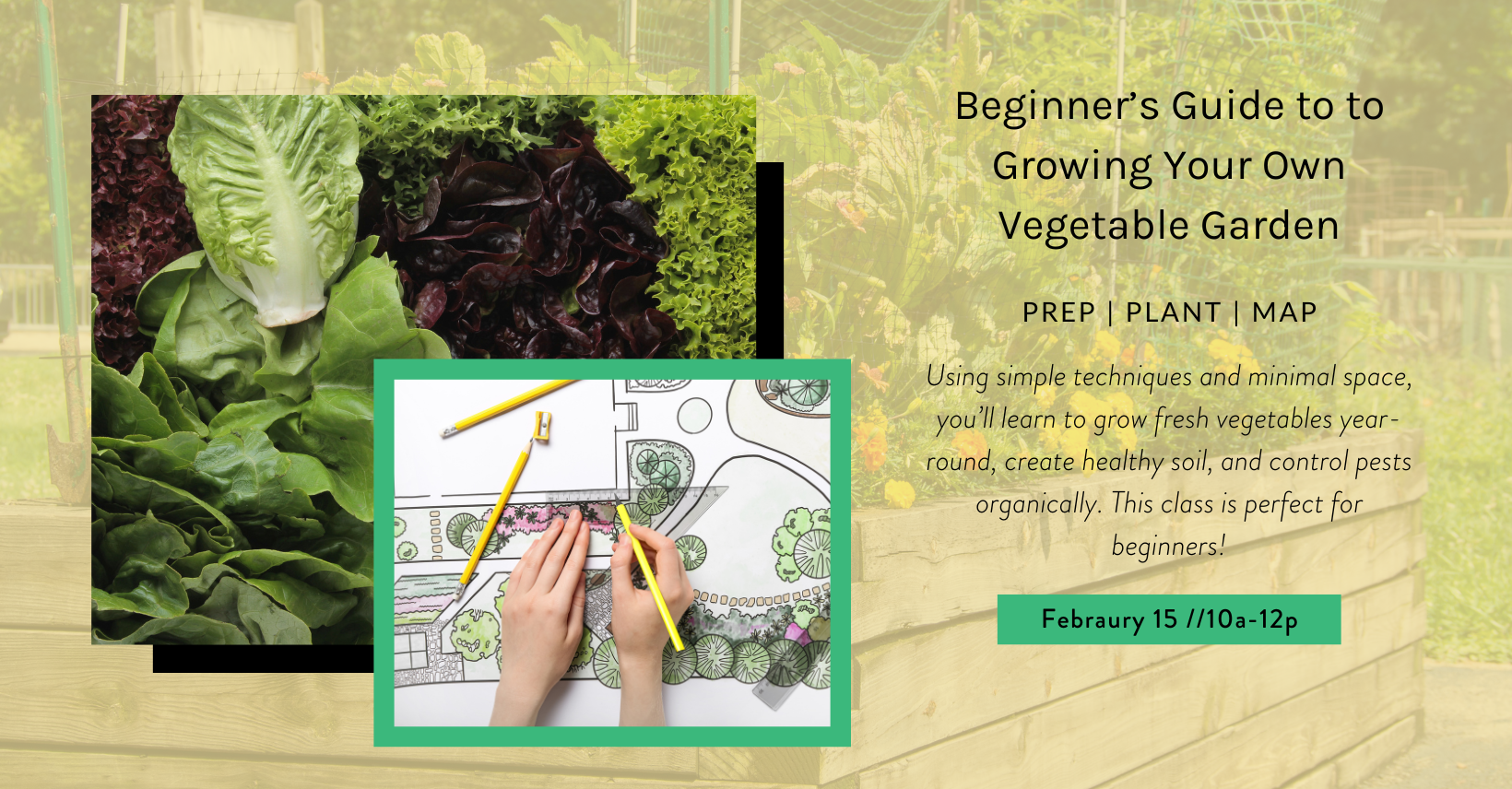
Set your goals and plan your space
A small, sunny spot beats a big, shady yard. Aim for 6–8 hours of sun. Pick the space you can care for each week. A few raised beds or five large pots are enough to start.
Decide what you like to eat. Then grow those crops first. This is how to grow vegetables organically for beginners without feeling lost.
Use this simple plan:
- Choose one 4×8 bed or five 10–15 gallon pots.
- Grow 3–5 crops the first season.
- Set a weekly garden time: 30–60 minutes.
- Keep notes on what works and what fails.
My first year, I grew too much. Weeds won. The next season, I cut the plan in half and doubled my harvest.

Choose beginner-friendly organic crops
Easy wins build confidence. Pick crops that forgive mistakes and taste great. If you ask how to grow vegetables organically for beginners, start with these.
Great first choices:
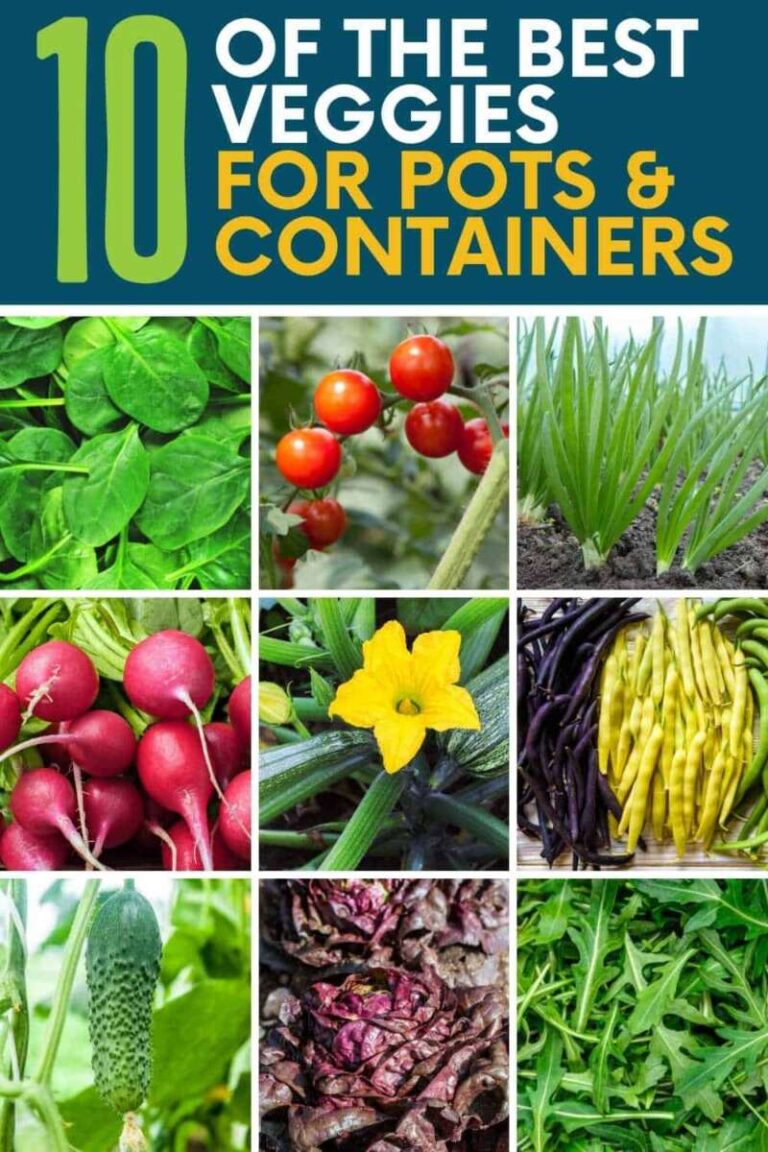
- Salad greens: leaf lettuce, arugula, spinach. Fast and steady.
- Herbs: basil, parsley, chives, cilantro. Big flavor, small space.
- Beans and peas: climb a trellis, fix nitrogen, easy to pick.
- Cherry tomatoes: fewer problems than big slicers.
- Zucchini and cucumbers: heavy producers with regular watering.
- Root crops: radish and baby carrots. Quick and fun.
- Spring: lettuce, spinach, peas, radish.
- Summer: cherry tomatoes, basil, bush beans, cucumbers.
- Fall: kale, arugula, green onions.

Build healthy living soil
Soil is a living system. Feed it, and it feeds your plants. This is the heart of how to grow vegetables organically for beginners.
Start here:
- Get a simple soil test. Aim for a pH of 6.0–7.0.
- Mix in 2–3 inches of mature compost before planting.
- Add organic matter each season. Leaves, compost, and aged manure work well.
- Keep soil covered with mulch to protect worms and microbes.
Quick soil check I use:
- Grab a handful of moist soil. Squeeze it. It should clump, then break apart.
- Count worms in one shovel slice. Two or more is a good sign.
Research shows compost boosts soil life, water holding, and nutrient flow. Healthy soil gives plants steady growth with fewer pests.

Start seeds and seedlings the right way
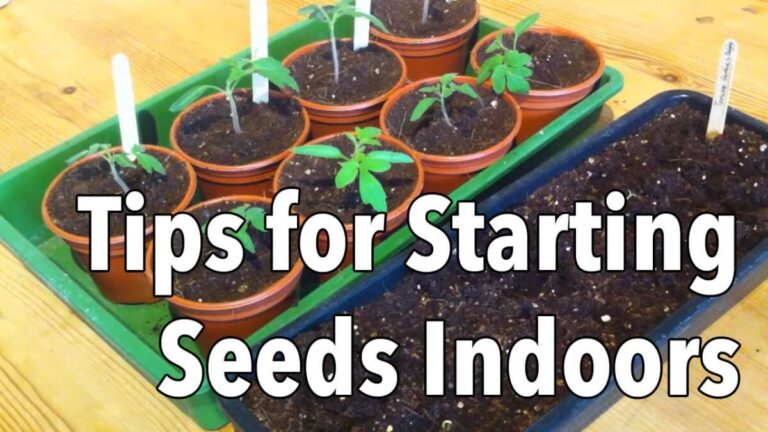
Some crops like direct sowing. Others do better as seedlings. Knowing which is key to how to grow vegetables organically for beginners.
Direct sow:
- Peas, beans, radish, carrots, and arugula.
Start as seedlings:
- Tomatoes, peppers, kale, basil, and lettuce.
Seed-start tips I trust:
- Use a clean, fine seed-start mix. Keep it moist, not wet.
- Give strong light. A sunny window is often not enough. A cheap LED grow light helps.
- Harden off seedlings for 7 days before planting. Set them outside for longer times each day.
Common mistakes to avoid:
- Overwatering. Roots need air.
- Planting too deep. Most seeds want two to three times their width.
- Skipping labels. You will forget which is which.

Water, mulch, and feed the organic way
Steady water and mulch are your best tools. This simple rhythm is central to how to grow vegetables organically for beginners.
Water well and less often:
- Aim for 1 inch per week, more in heat.
- Water at the base in the morning.
- Use a finger test. If the top inch is dry, water.
Mulch magic:
- Add 2–3 inches of straw, leaves, or wood chips around plants.
- Mulch keeps weeds down, saves water, and feeds soil life.
Feeding without chemicals:
- Mix in compost at planting.
- Side-dress heavy feeders (tomatoes, squash) with compost midseason.
- Use fish emulsion or seaweed feed every 2–4 weeks for potted plants.
Think balance, not boost. Overfeeding causes weak, leafy growth and more pests.

Natural pest and disease control
You can stop most problems early. Use a simple plan. It’s the safest route for how to grow vegetables organically for beginners.
Start with prevention:
- Choose disease-resistant varieties when you can.
- Rotate crops each year.
- Space plants for airflow. Wet leaves invite disease.
- Keep leaves dry. Water soil, not foliage.
Act early and gently:
- Hand-pick pests in the cool morning.
- Use row covers to block cabbage worms and beetles.
- Attract allies with flowers like marigold, alyssum, and dill.
When needed, use low-risk tools:
- Insecticidal soap for soft-bodied insects.
- Neem oil for many pests. Do not spray in heat or on blooms.
- BT for caterpillars. Safe for most beneficials.
Most “diseases” I see come from stress. Fix soil and water first. The problem often fades fast.

Smart succession planting and seasons
Keep food coming by staggering your plantings. This simple method is a core part of how to grow vegetables organically for beginners.
Make it easy:
- Plant a small row of lettuce every 2 weeks.
- Follow peas with bush beans. Follow beans with fall greens.
- After garlic in early summer, plant cucumbers or basil.
Use seasons to your advantage:
- Cool season: lettuce, peas, kale, carrots.
- Warm season: tomatoes, peppers, squash, cucumbers.
- Extend with row covers or cold frames in spring and fall.
I like to map four waves: spring greens, summer fruit, late summer beans, fall roots. It keeps beds busy but not crowded.
Harvest, store, and save seeds
Pick at peak for best taste. This step is often missed in how to grow vegetables organically for beginners.
Simple harvest cues:
- Lettuce: leaves are tender and bright. Harvest outer leaves often.
- Tomatoes: full color and slight give.
- Cucumbers: firm, glossy, and the right size for the type.
- Beans: pods filled, but seeds not bulging.
Storing basics:
- Keep leafy greens dry and cool in a bag with a paper towel.
- Do not wash tomatoes until use.
- Cure onions and garlic in a dry, airy spot before storing.
Easy seed saving:
- Beans and peas: dry on the plant, then store.
- Tomatoes: squeeze seeds into a jar, ferment 2–3 days, rinse, dry, and label.
Simple organic tools and supplies checklist
You do not need a shed full of gear. Keep it tight. This is smart practice in how to grow vegetables organically for beginners.
What I rely on:
- Hand trowel and garden fork.
- Bypass pruners.
- 50–75 foot hose with a simple nozzle or a drip kit.
- Watering can for seedlings.
- Compost bin or space for a pile.
- Mulch: straw, leaves, or wood chips.
- Row cover fabric and clips.
- Stakes, twine, and a small trellis.
- Soil test kit and plant labels.
- Clean buckets for mixing and carrying.
Quality beats quantity. A few sturdy tools last years.
Troubleshooting guide for common mistakes
Every gardener hits bumps. Here is how to fix the big ones. This section ties into how to grow vegetables organically for beginners when plans go sideways.
Slow growth:
- Likely cool soil or low nutrients. Add compost, wait for warmth.
Yellow leaves:
- Often too much water or poor drainage. Water less, add mulch.
Blossoms but no fruit:
- Heat stress or lack of pollinators. Shade cloth in heat. Plant flowers.
Bitter cucumbers or bolting lettuce:
- Heat and stress. Harvest smaller. Grow heat-tolerant types. Add afternoon shade.
Weeds everywhere:
- Mulch thicker. Weed little and often. Five minutes a day beats one long fight.
I once lost a bed to weeds in July. Mulch fixed it in one afternoon. Lesson learned: cover soil early.
Frequently Asked Questions of how to grow vegetables organically for beginners
What is the easiest vegetable to grow first?
Leaf lettuce and bush beans are very easy and fast. They forgive small errors and give quick harvests.
How much sun do vegetables need?
Most crops need 6–8 hours of direct sun. Leafy greens can handle a bit less.
Can I grow organically in pots?
Yes, it works well. Use large pots, rich organic potting mix, mulch, and steady water.
How do I improve poor soil fast?
Add 2–3 inches of compost and mulch on top. Keep adding organic matter each season.
What is the best natural pest control?
Prevention first. Use row covers, hand-pick, and try insecticidal soap or neem only when needed.
How often should I water?
Water when the top inch is dry. Aim for deep watering 2–3 times a week in heat.
Do I need fertilizer if I use compost?
Often, compost is enough in beds. In containers, add a gentle liquid feed every few weeks.
Conclusion
You now have a simple, proven path to a healthy organic garden. Start small, build living soil, choose easy crops, and keep a steady weekly rhythm. Small actions, done often, lead to big, tasty harvests.
Pick your first three crops today and plan one bed or a few pots. Then set a weekly garden time on your calendar. Want more tips like this? Subscribe, share your questions, or leave a comment with your garden plan.

Laura Bennett is a gardening writer at MyGardenLabs who creates beginner-friendly guides focused on solving common plant care and gardening problems.