How To Keep Soil Moist Longer For Plants: Easy 2026 Guide
Use mulch, compost, deep watering, and shade to keep soil moist longer.
If you’re tired of dry pots and thirsty beds, you’re in the right place. I’ve helped home gardeners, urban growers, and landscape clients master how to keep soil moist longer for plants in hot summers and drafty homes. This guide blends research with field-tested tricks, so you can water less, grow better, and keep plants happy all season.
Understand Moisture: Soil, Plant, and Climate Basics
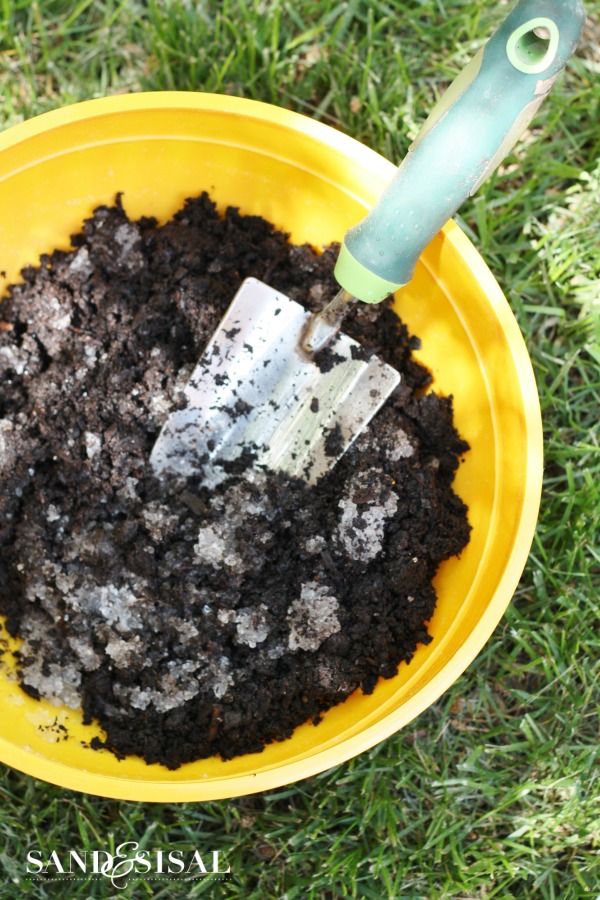
Soil holds water in tiny spaces between particles. Sand drains fast. Clay holds tight. Loam sits in the sweet spot. Structure matters too. Crumbly soil with lots of pores holds more water and air for roots.
Plants sip water through roots and lose it as vapor from leaves. Heat, wind, and sun speed that loss. Shade and humidity slow it. When you look at how to keep soil moist longer for plants, match the soil to your plants and your weather. Your plan must fit all three.
Two fast checks help. Grab a handful of soil. If it stays in a loose ball, moisture is good. If it crumbles, it is dry. If it smears like putty, you may have clay that holds too much.
Watering Techniques That Work
Most gardens need about 1 to 1.5 inches of water per week in warm weather. That can come from rain or irrigation. The trick is how and when.
Try these steps:
- Water deep, not often. Aim for 6 to 8 inches down. This builds deep roots that can find cool, moist soil.
- Water early morning. Less wind. Less sun. Less loss to evaporation.
- Use drip or soaker hoses. Slow flow at the soil line wastes less. Typical emitters run 0.5 to 1 gallon per hour.
- Avoid quick sprinkles. They wet leaves, not roots. Shallow water creates weak roots.
My go-to test is a long screwdriver. Push it into the soil. If it slides down 6 inches after watering, you are on track. This is a key move in how to keep soil moist longer for plants.

Build Water-Holding Soil
Organic matter acts like a sponge. It holds water, then shares it with roots. It also feeds soil life that builds stable crumbs.
Use this plan:
- Mix in compost at planting. Add 1 to 2 inches on top and blend into the top 6 inches. That gives you about 5 to 10 percent by volume.
- Add leaf mold if you can. It holds even more water than many composts.
- Try coconut coir in beds with a lot of sand. Coir holds water well and rewets fast.
- Add biochar charged with compost tea or worm castings. It boosts pore space and improves long-term moisture.
Skip heavy tilling. It breaks soil structure and speeds drying. Each season, top-dress with a half inch of compost and let worms pull it in. This slow-build method is central to how to keep soil moist longer for plants.

Lock In Moisture at the Surface
Mulch is a shield. It cuts sun, slows wind, stops crusting, and blocks weeds that steal water.
Choose a mulch that fits your space:
- Wood chips for trees, shrubs, and perennials. Use 2 to 4 inches. Keep mulch a few inches away from stems.
- Straw or shredded leaves for veggies. Use 2 to 3 inches. Top up mid-season as it breaks down.
- Grass clippings in thin layers. Let them dry between layers to avoid slime.
- Compost mulch for beds that need a clean look. It blends in and feeds soil.
In very hot spots, a light-colored mulch reflects heat. This simple layer is one of the best tools in how to keep soil moist longer for plants.

Shade, Wind, and Microclimate Tweaks
Sun and wind pull water from soil and leaves. Soften both, and you slow losses.
Practical moves:
- Hang shade cloth during heat waves. Use 30 to 50 percent for most crops. Use 50 to 70 percent for shade lovers.
- Add windbreaks. A short hedge, a fence, or even a row of tall sunflowers can help.
- Cluster thirsty plants together. Grouping makes watering easier and more precise.
- Use paths and groundcovers to reduce bare soil between plants.
These small changes to light and air can transform how to keep soil moist longer for plants in exposed yards and balconies.

Container-Specific Strategies
Pots dry fast. But you can slow that down with the right mix, pot, and watering plan.
Use this setup:
- Choose a mix with coconut coir for water holding and perlite for air. A simple ratio is 50 percent coir, 30 percent compost, 20 percent perlite.
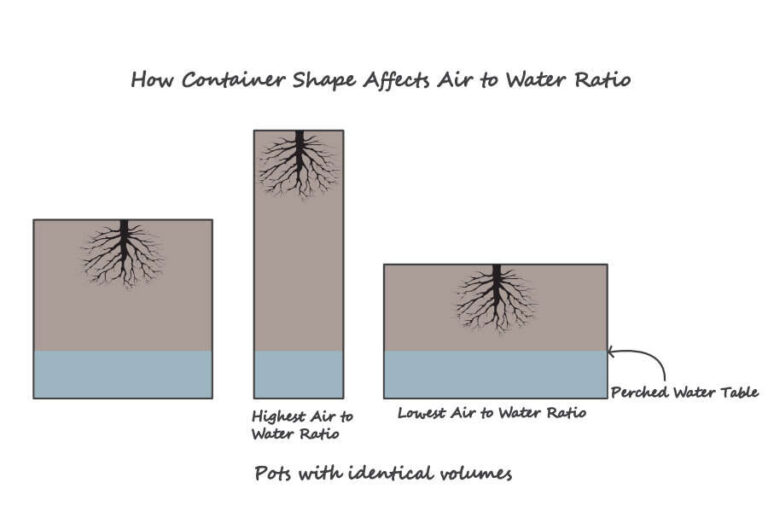
- Pick larger pots. More volume means more water storage and less stress.
- Use self-watering containers or add a wicking reservoir. A cotton wick from the pot to a small water container can work.
- Glazed or plastic pots hold water longer than raw terracotta.
- Mulch your pots. Use 1 inch of fine bark or straw to cut surface drying.
- Keep dark pots out of peak sun or wrap them in light fabric to reflect heat.
I weigh pots by hand. After a few weeks, you learn what “well-watered” feels like. This practical habit pays off when planning how to keep soil moist longer for plants indoors or on patios.

Smart Additives and Gels: Use With Care
Wetting agents help water spread through dry, crusty soil. Look for products labeled for home gardens. Use as directed.
Water-holding gels can help in pots, but use them with care. Some break down in heat and sun. Some swell unevenly. For edible beds, I prefer natural materials like coir and compost. When clients ask me how to keep soil moist longer for plants with gels, I suggest testing in one pot first before scaling up.
A note on peat moss. It holds water when wet, but it can be hard to re-wet once bone dry. Coir is easier to re-wet and is my go-to in dry climates.
Monitoring Moisture Without Guesswork
Guessing leads to stress. Use simple tools to know when to water.
Great options:
- Finger test. Push your finger or a wooden chopstick 2 inches down. If dry, it is time.
- Soil moisture meter. Pick one with a simple scale and test in a few spots.
- Weigh the pot. Lift when wet and dry to learn the difference. This is fast and free.
- Tensiometers and sensors. Helpful for serious growers or raised beds with drip.
Set a check routine. Morning on watering days is best. Regular checks are a key part of how to keep soil moist longer for plants without overdoing it.
Common Mistakes That Dry Out Soil
Some habits cost you water and plant health.
Watch out for these:
- Shallow, daily sprinkles that keep roots near the surface.
- Bare soil with no mulch.
- Over-tilling that breaks structure and speeds drying.
- Too much fertilizer. Salts pull water from roots and soil.
- Root-bound pots. Tight roots cannot drink well.
- Dark pots on hot decks with no shade or mulch.
I once lost a row of basil to a heat wave because I skipped mulch. A single afternoon of 100-degree sun turned damp soil into dust. Now, I mulch as soon as transplants go in. That one change supports how to keep soil moist longer for plants more than any gadget I own.
Seasonal Playbook
Needs change with the season. Adjust your strategy to keep plants steady.
Use this guide:
- Spring: Add compost. Set drip lines. Mulch after soil warms. Protect new transplants with light shade and windbreaks.
- Summer: Water early. Use shade cloth on hot days. Refresh mulch. Check pots twice daily during heat waves.
- Fall: Top-dress with compost. Plant cover crops where you can. They guard soil and add organic matter.
- Winter indoors: Air is dry. Group plants. Use pebble trays. Water less often but more deeply.
A flexible plan is how to keep soil moist longer for plants from spring to frost without waste.
Frequently Asked Questions of how to keep soil moist longer for plants
How often should I water to keep soil moist but not soggy?
Aim for deep watering one to three times per week, not daily sprinkles. Let the top inch dry between sessions to prevent rot.
Does mulch really make a big difference?
Yes, a 2 to 4 inch layer can cut evaporation by half or more. It also cools the soil and reduces weeds.
Is coco coir better than peat for moisture?
Coir rewets faster and holds water well, which helps in hot, dry rooms or patios. Peat holds water too but can be hard to re-wet once dry.
How do I keep moisture in small pots on a sunny balcony?
Use larger, glazed pots with coir-rich mix and a layer of mulch. Add drip on a timer and give light afternoon shade.
Are water crystals safe for vegetables?
Some are labeled safe, but performance varies and they can break down. I prefer compost and coir for edible beds.
Should I water at night?
Water in the early morning to reduce evaporation and disease risk. If you must water at night, keep foliage as dry as possible.
What is the fastest fix during a heat wave?
Add mulch, give deep morning water, and hang 30 to 50 percent shade cloth. Group pots together to boost humidity.
Conclusion
Keeping soil moist longer is about many small wins that add up. Build spongy, living soil, water deep and early, lock in moisture with mulch, and tame sun and wind. Use simple checks so you water by need, not habit.
Start with one bed or a few pots this week. Add compost. Lay mulch. Set a morning watering plan. You will see calmer plants and less watering stress. Want more tips like these? Subscribe, share your results, or ask a question so we can grow better together.

Laura Bennett is a gardening writer at MyGardenLabs who creates beginner-friendly guides focused on solving common plant care and gardening problems.