How To Know If Soil Is Healthy For Plants: Quick Tests
Healthy soil smells earthy, drains well, crumbles easily, and teems with visible life.
If you’re wondering how to know if soil is healthy for plants, you’re in the right place. I’ve spent years testing beds, fixing poor patches, and helping gardens bounce back. In this guide, I’ll show you how to know if soil is healthy for plants using simple checks, science-backed tests, and real-world tips. You’ll learn what to look for, what to avoid, and how to fix problems fast.
What healthy soil looks, feels, and smells like
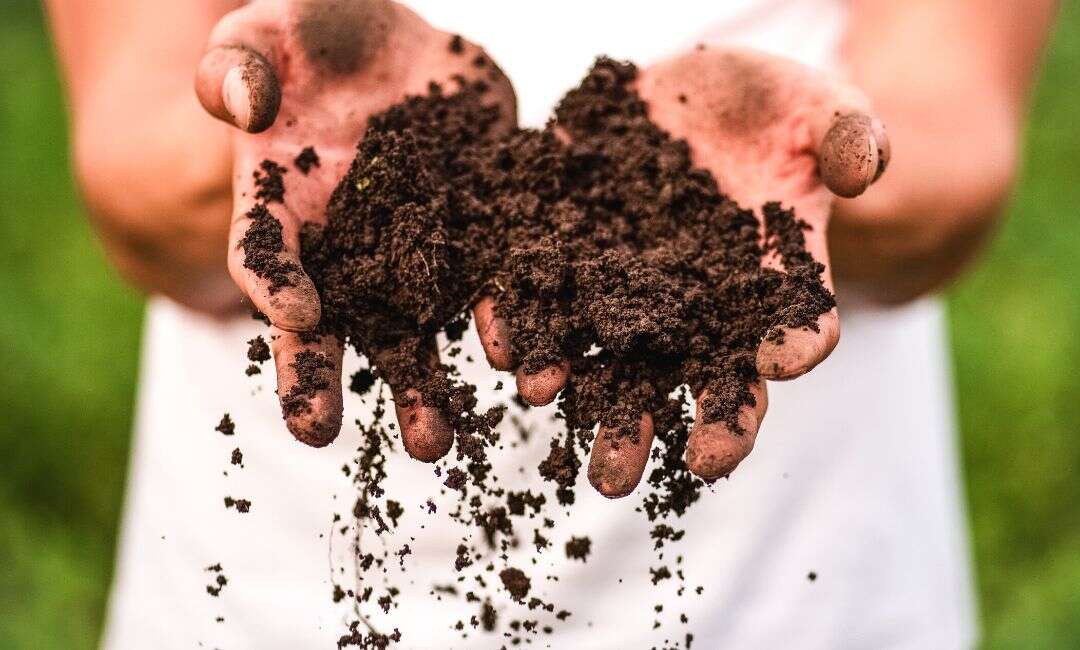
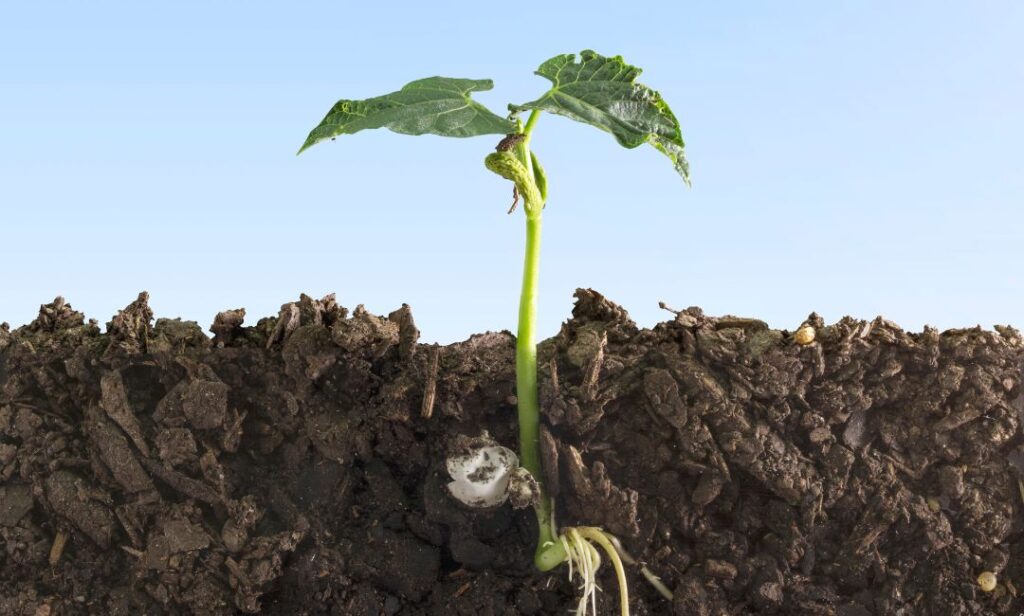
Here is how to know if soil is healthy for plants by sight and smell. Healthy soil looks dark and rich. It smells earthy, like a forest after rain. It feels crumbly in your hand, not sticky or dusty.
Use your senses as your first tool. Healthy soil crumbles into small, stable clumps. Roots spread easily through it. You may see thin white fungal threads, tiny beetles, or pill bugs. Worms are a very good sign.
Quick checks I use in my beds:
- Color. Dark brown or black hints at more organic matter.
- Texture. It breaks into crumbs, not hard clods or fine dust.
- Smell. A clean, earthy smell means good microbes at work.
- Life. Worms, bugs, and fine roots show a living system.
If you want a fast read on how to know if soil is healthy for plants, start here. If it fails the look, feel, or smell test, go deeper with the steps below.
Simple at-home tests to judge soil health
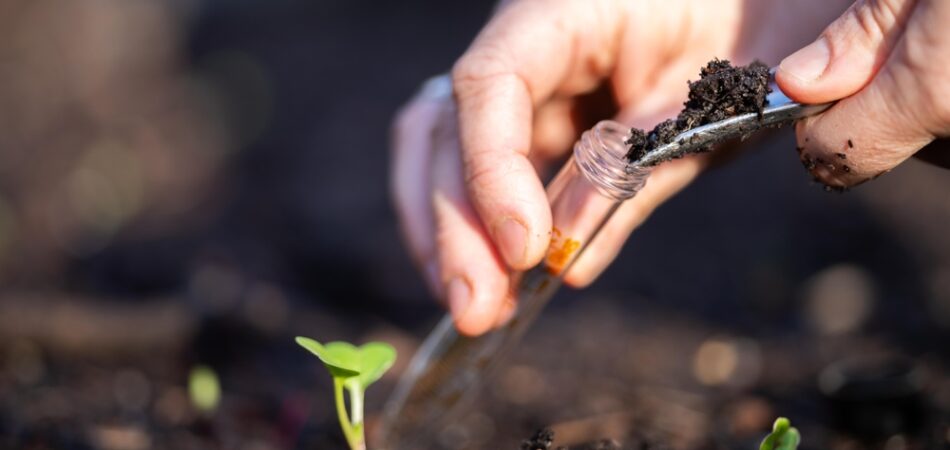
Simple tests show how to know if soil is healthy for plants. You can do these with common tools. I do them at the start of spring and mid-season.
Try these:
- Squeeze test. Moisten soil. Squeeze in your palm. Healthy loam holds shape but breaks with a poke. If it stays a tight ball, it is clay heavy. If it falls apart, it is sandy.
- Jar test. Put soil in a jar with water and a pinch of dish soap. Shake hard. Let it settle. Sand sinks fast, then silt, then clay. This shows texture layers and helps plan fixes.
- Infiltration test. Place a bottomless can in the soil. Fill with water. Time how long it takes to drain. One to three inches per hour is good. Fast flow hints at sand. Slow flow hints at compaction or clay.
- Percolation hole. Dig a hole 12 inches deep. Fill with water twice. Time the second drain. Slow drain means poor structure or a hardpan.
- Worm count. Dig a square foot, six inches deep. Count worms. Five or more is a good sign.
These simple tools help you see how to know if soil is healthy for plants without lab gear. They also guide your next steps, like adding compost or fixing drainage.
Understanding soil chemistry
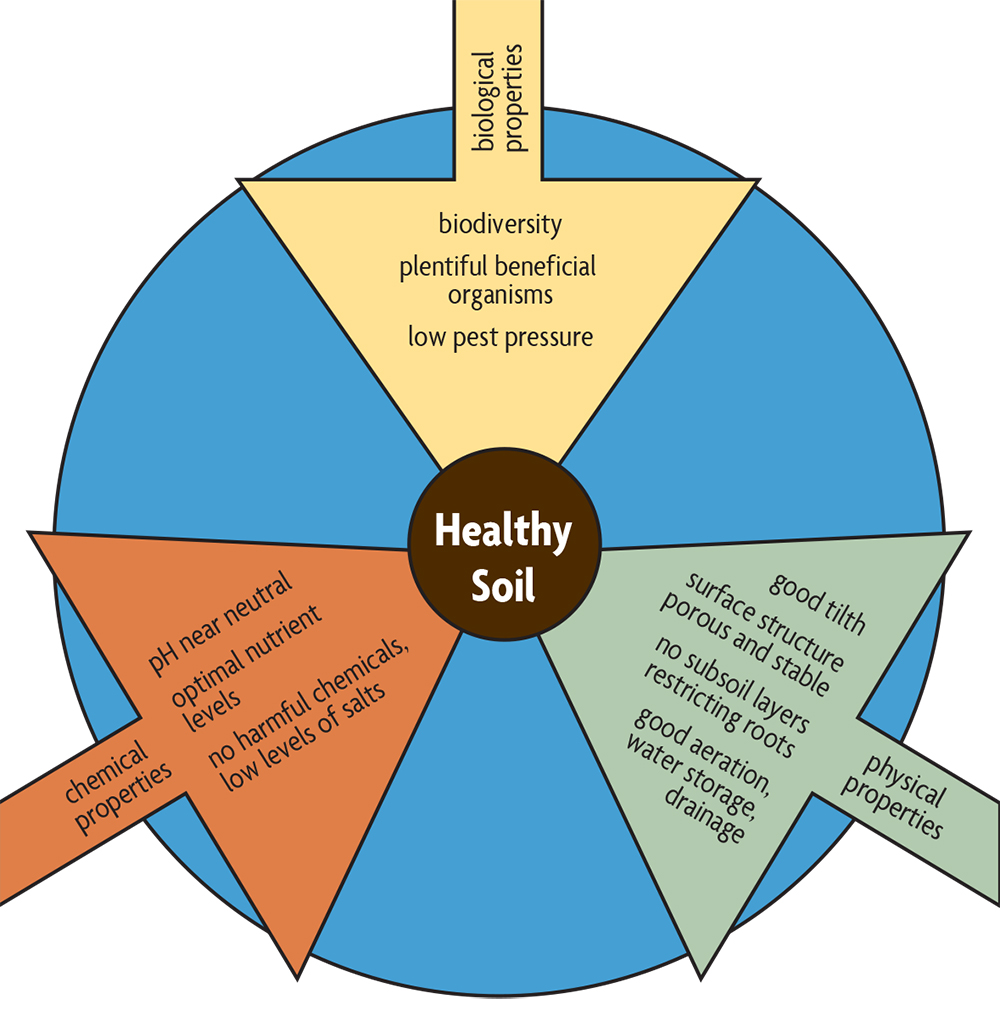
Chemistry matters in how to know if soil is healthy for plants. Plants need the right pH, salts, and nutrients to thrive. You can test pH and basic nutrients at home, or send a sample to a lab for a full panel.
Focus items:
- pH. Most garden plants like pH 6.0 to 7.0. Blueberries want it lower. Many herbs like it near neutral. Use pH strips or a meter for a quick read.
- Macronutrients. N, P, and K are key. Nitrogen for leaves, phosphorus for roots and blooms, and potassium for vigor and stress.
- Organic matter. Aim for 4 to 8 percent in most beds. It helps hold water, feed microbes, and support structure.
- Electrical conductivity. High EC hints at salts. This can burn roots and block water uptake.
- Cation exchange capacity. A higher CEC helps soil hold nutrients and release them to plants.
If results are off, you can still use these numbers to steer care. Add compost to raise organic matter. Add lime to raise pH. Add elemental sulfur to lower pH. Use balanced fertilizer if nutrients are low. This is a core step in how to know if soil is healthy for plants.

Soil biology you can see and encourage
Life in soil is central to how to know if soil is healthy for plants. Think of the soil as a living city. Microbes are the workers. Fungi are the highways. Worms are the builders. Their work unlocks nutrients and air.
Look for signs of life:
- Earthworms. They mix soil and leave channels that hold water and air.
- Fungal threads. White filaments on mulch or in soil show active decomposition.
- Arthropods. Rove beetles, springtails, and pill bugs help break down organic matter.
- Root exudates. Fine roots with soil sticking to them show a strong microbe zone.
Help the biology grow:
- Feed it. Add compost, leaves, or well-rotted manure.
- Cover it. Mulch protects microbes from heat and sun.
- Avoid harsh tilling. Gentle cultivation preserves structure and fungal networks.
- Water well. Keep moisture steady. Wet and dry swings stress life in the soil.
A living soil is the surest path to strong plants. It is also the most reliable signal in how to know if soil is healthy for plants.
Structure, drainage, and compaction
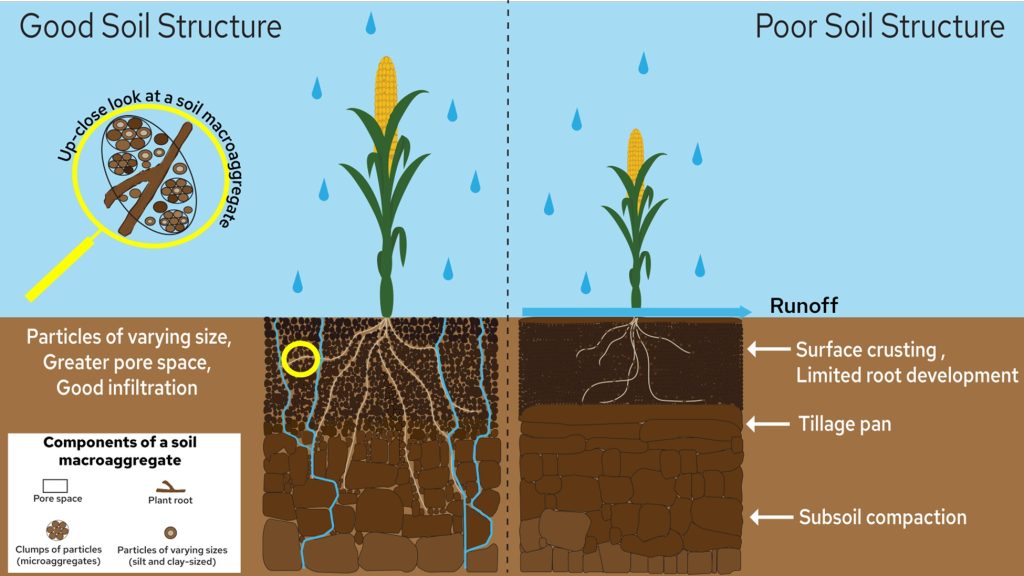
Structure explains how to know if soil is healthy for plants. Healthy soil has stable crumbs called aggregates. These crumbs resist crusting, let air in, and hold water like a sponge.
Watch for:
- Puddles after rain. Standing water means poor structure or a hardpan layer.
- Crust on top. A hard crust blocks seedling sprouts and gas exchange.
- Root patterns. Roots that grow sideways show a barrier or compaction.
Fixes that work in real gardens:
- Add organic matter. Compost builds aggregates and helps water flow.
- Grow cover crops. Roots drill channels. Roots feed microbes. Roots add structure.
- Avoid walking on wet beds. Weight on wet soil crushes structure fast.
- Use raised beds where drainage is tough. This bypasses heavy clay and hardpan.
Good structure makes water and air move right. That is the backbone of how to know if soil is healthy for plants.

Red flags and how to fix them
Red flags also teach how to know if soil is healthy for plants. I track plant stress first, then look down into the soil.
Common red flags and fixes:
- Yellow leaves with slow growth. Could be low nitrogen or poor root health. Add compost and a gentle nitrogen source. Check pH.
- Leaves with purple veins. Often low phosphorus or cold soil. Warm the bed with mulch and adjust P if tests confirm.
- Burned leaf tips. High salts or over-fertilizing. Flush with water. Switch to slow-release or organic sources.
- Stunted seedlings and crusting. Surface compaction. Lightly loosen the top inch. Add fine compost and mulch.
- Moss or algae on the soil. Shade and wet conditions. Improve drainage and airflow. Thin plants to let light in.
Small changes add up. One or two key fixes can turn a bed around within weeks. These steps make a big difference in how to know if soil is healthy for plants.
Seasonal checklist and maintenance plan
A plan helps you track how to know if soil is healthy for plants. I run a simple, repeatable loop each season.
Use this quick checklist:
- Early spring. Do the squeeze test, pH check, and a worm count. Add compost and mulch.
- Late spring. Do an infiltration test. Adjust watering and mulch depth.
- Mid-summer. Spot-check plant leaves and growth. Side-dress with compost if needed.
- Fall. Plant a cover crop or lay leaf mulch. Send a lab test every one to two years.
- Winter. Keep soil covered. Avoid stepping on wet beds.
These habits keep your soil on track all year. They also give you clear markers for how to know if soil is healthy for plants over time.
Lab testing vs DIY
Lab tests confirm how to know if soil is healthy for plants. DIY tests are great for quick answers. Labs bring depth and detail.
When to go to a lab:
- New garden beds or a new property.
- Ongoing issues like poor growth or odd leaf colors.
- Suspected heavy metals or salt buildup.
What to ask for:
- pH, organic matter, and CEC.
- Macronutrients and key micronutrients like iron, zinc, and boron.
- Salinity and texture if not known.
How to sample:
- Take 10 to 15 cores from the bed to six inches deep.
- Mix, air dry, and send a composite sample.
- Note crops grown and recent fertilizer use.
Lab data guides smart action. It saves money by aiming amendments where they are needed most. That is a vital part of how to know if soil is healthy for plants.
Real-world examples from my beds
My beds show how to know if soil is healthy for plants in practice. A few seasons ago, one corner lagged behind. Water puddled there. Tomatoes had pale leaves. The squeeze test gave a tight ball that would not break. The infiltration test was very slow.
What I did and what worked:
- Spread two inches of compost. Mixed it into the top three inches only.
- Added a thin mulch of shredded leaves.
- Grew a deep-root cover crop mix after harvest.
- Stayed off the bed when wet.
By spring, structure improved. Worm counts went from two to nine in a square foot. Water drained in a few minutes, not an hour. The next crop took off fast. Small, steady changes proved how to know if soil is healthy for plants without guesswork.
Frequently Asked Questions of how to know if soil is healthy for plants
What is the fastest way to tell if soil is healthy?
Do the squeeze test and smell it. Healthy soil crumbles and smells earthy, not sour or rotten.
How many worms should I find in good soil?
Aim for at least five worms in a square foot at six inches deep. More is better, but counts vary with season and moisture.
What pH is best for most garden plants?
Most crops do well between pH 6.0 and 7.0. Some plants, like blueberries, prefer lower pH around 4.5 to 5.5.
How often should I test my soil?
Do a simple at-home check each season. Send a lab test every one to two years or when problems show up.
Can I fix clay soil without heavy tilling?
Yes. Add compost, keep mulch on, and use cover crops. Over time, roots and microbes build crumbs and improve drainage.
Is compost enough to feed plants all season?
Often yes for many crops, but heavy feeders may need extra nitrogen. Use a gentle, slow-release source if growth slows.
How do I know if salts are a problem?
Look for leaf tip burn and white crusts on the surface. A lab test or EC meter can confirm high salinity.
Conclusion
Healthy soil is alive, balanced, and well-structured. You now know how to know if soil is healthy for plants with your senses, simple tests, and targeted fixes. Start small, test often, and feed the life in your soil.
Put one idea into action this week. Do a squeeze test, add an inch of compost, or run an infiltration check. Track your results and share your wins. Want more tips like this? Subscribe, explore related guides, or leave a question and I will help you diagnose your soil.

Laura Bennett is a gardening writer at MyGardenLabs who creates beginner-friendly guides focused on solving common plant care and gardening problems.