How To Know When To Repot Plants: Quick 2026 Guide
Repot when roots crowd, drainage fails, growth stalls, or soil degrades.
I’ve helped thousands of houseplants thrive, and the pattern is clear. If you want a simple, reliable way to learn how to know when to repot plants, you’re in the right place. We’ll cover clear signs, timing, tools, and steps you can trust. I’ll share pro tips from real wins and a few mistakes, so you can skip the guesswork and help your plants grow strong.
Why repotting matters for plant health
Plants outgrow pots. Roots fill the space, the soil breaks down, and water moves too fast or too slow. Fresh mix and the right pot size restore air, nutrients, and room to grow. That is why learning how to know when to repot plants is key.
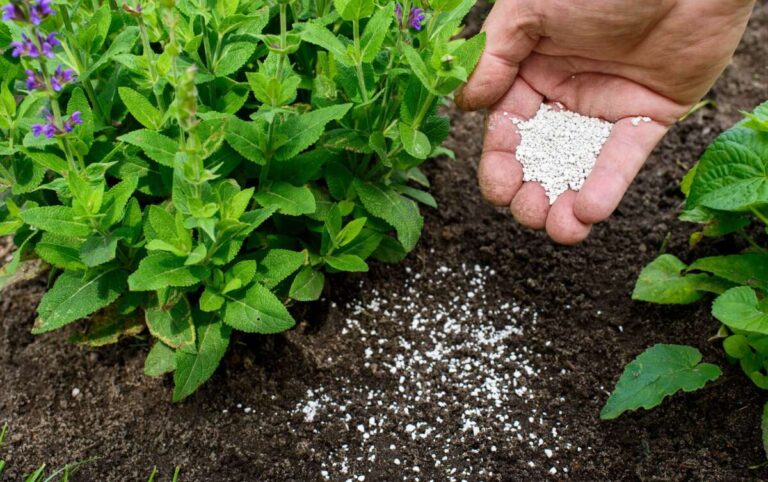
Old soil compacts over time. That squeezes out air and starves roots. It can also build up salts from fertilizer. You may see a white crust on the surface. New soil resets the root zone and helps water move well again.
A better pot can fix issues. Drainage holes stop soggy roots. The right size reduces stress. If you care for houseplants long term, you need to master how to know when to repot plants.

Clear signs it’s time to repot
These checks work for most houseplants. Use them to decide how to know when to repot plants without guesswork.
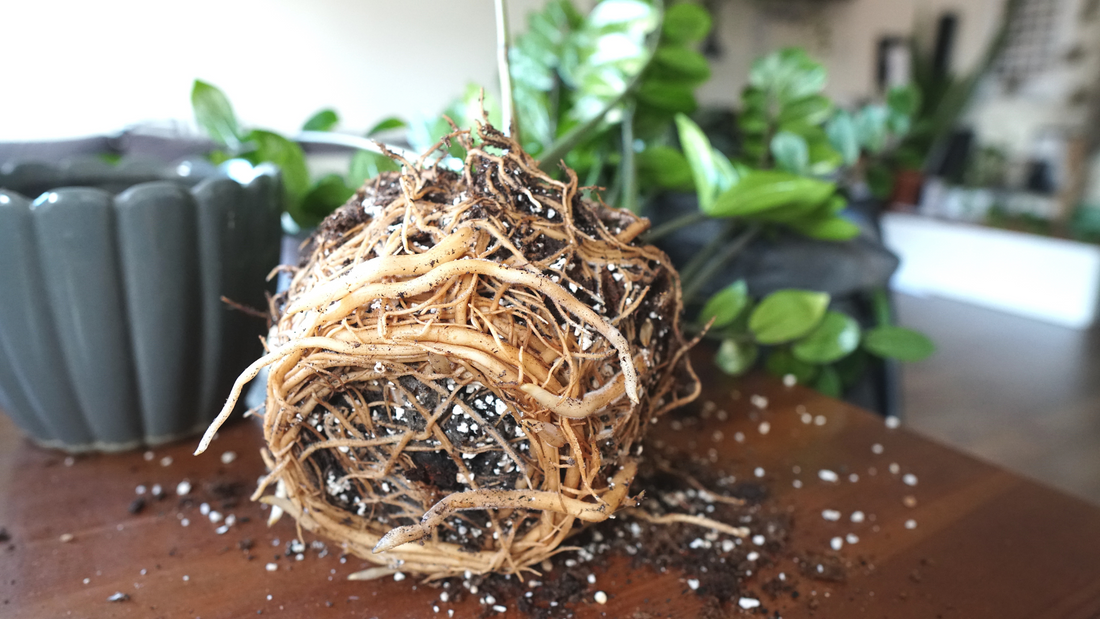
- Roots circling the pot bottom or sides This means the plant is root-bound.
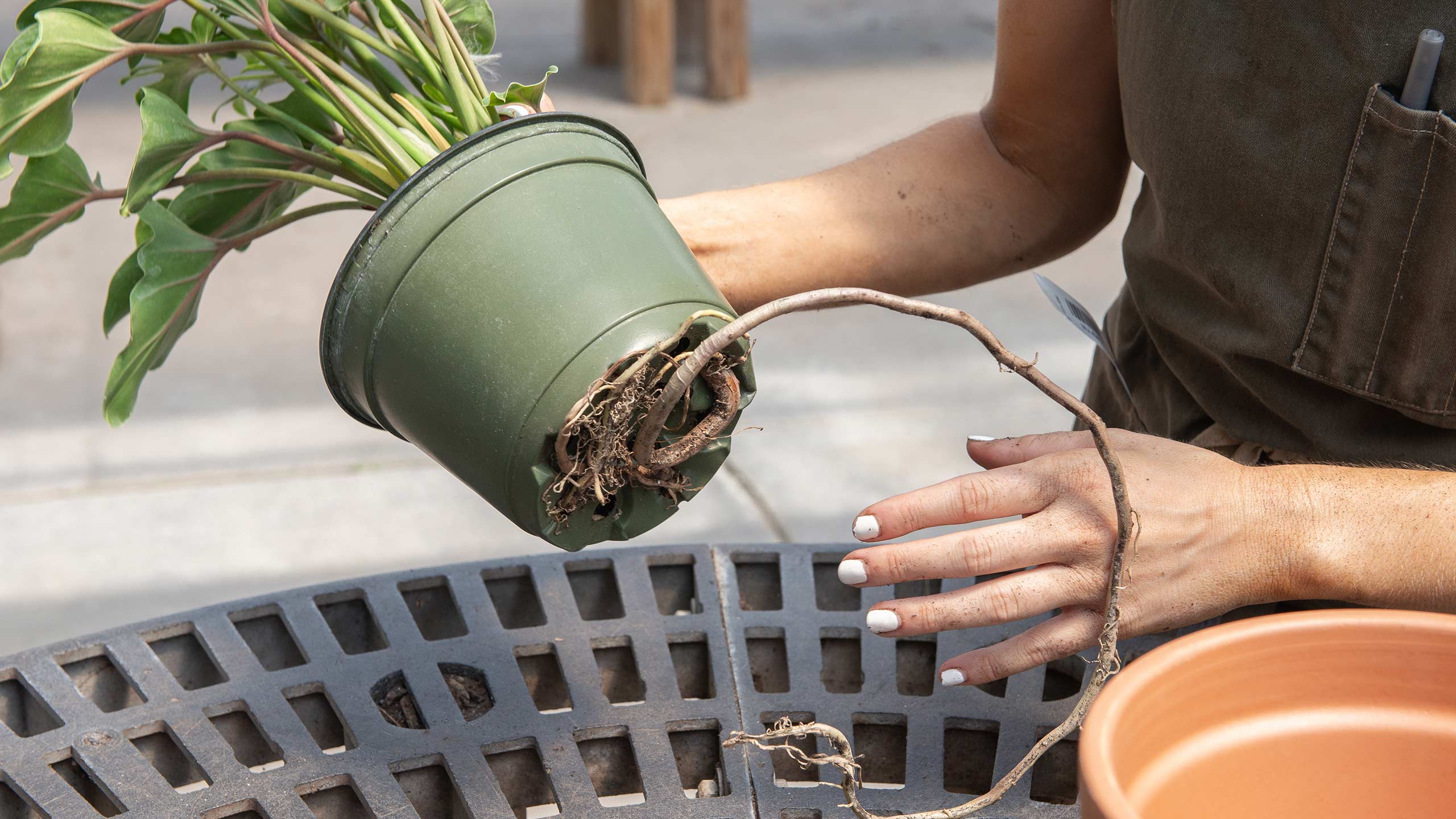
- Roots growing out of the drainage holes The plant wants more room now.
- Water runs straight through Soil is too compact or very old.
- Soil stays wet for many days Mix is dense and airless, risking rot.
- Wilting soon after watering Roots are packed and can’t hold water.
- Stunted growth or tiny new leaves Roots need space and fresh nutrients.
- Yellow leaves with no other cause Soil is tired or the plant is cramped.
- Salt crust on soil or pot rim Old fertilizer salts are building up.
- Top-heavy plant or leaning Pot is too small to anchor growth.
- Pot cracking or bulging Roots are pushing hard against the sides.
- Frequent fungus gnats Old, wet soil gives them a home.
If you spot two or more of these, you’ve found how to know when to repot plants for your space right now.

Best time to repot by season and plant type
Timing matters. Wrong timing can slow growth. Right timing helps plants bounce back fast. For most houseplants, early spring is best. Days are longer, and new roots form fast.
For blooming plants, wait until after flowers fade. For succulents and cacti, late spring is safe, or during a warm, bright spell. For winter growers like some aloes, repot in late fall.
Avoid peak heat, deep winter, or active bloom. That lowers stress. When you plan how to know when to repot plants, match timing to each plant’s growth cycle.
A quick root check method
Not sure yet? Do a fast check. This simple test helps you decide how to know when to repot plants with confidence.
- Water the plant one day before. This reduces shock.
- Tip the pot on its side. Support the base.
- Slide the plant out gently. Squeeze the pot if needed.
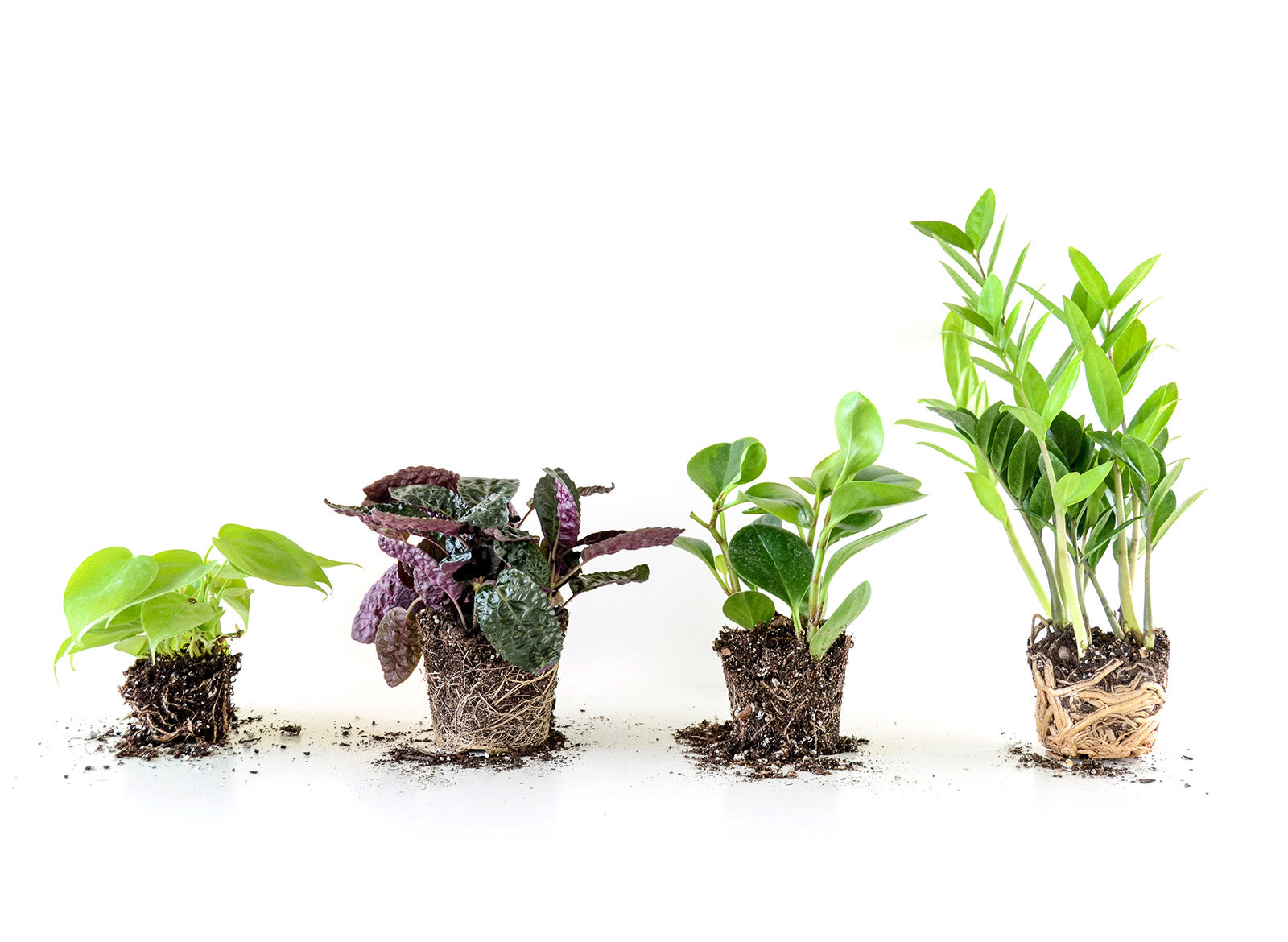
- Look at the roots. If they wrap around in circles or form a dense mat, it’s time.
- If roots are sparse and soil looks fresh, put it back and wait a month.
This root peek takes two minutes and saves many plants.

Picking the right pot and soil
Size matters, but bigger is not always better. Go one size up: about 1–2 inches wider for small plants. For large floor plants, 2–4 inches is fine. This keeps soil volume close to root needs and avoids soggy mix.
Match soil to plant type. This is a core step when you learn how to know when to repot plants.
- Aroids like pothos, monstera, philodendron Use a chunky, airy mix with bark and perlite.
- Succulents and cacti Use a gritty, fast-drain mix with sand or pumice.
- Orchids Use orchid bark with some sphagnum for moisture control.
- Ferns Use a light, moist mix with peat-free fiber and perlite.
- Citrus and other acid-loving plants Use slightly acidic, well-drained mix.
Pick pots with drainage holes. Terra cotta dries faster. Plastic holds moisture longer. Choose based on your watering style and your home’s light and humidity.

How to repot with low stress
Here is a simple process I use with clients. It works across plants and keeps shock low.
- Water the plant a day before Repotting on slightly moist roots reduces breaks.
- Prep the new pot Add a thin layer of fresh mix on the bottom.
- Loosen the roots Tease the root ball with your fingers. Trim circling roots with clean scissors.
- Set plant height Keep the crown at the same level as before.
- Backfill with fresh mix Tap the pot to fill gaps. Do not pack soil tight.
- Water in well Let water drain through. Add a bit more soil if it sinks.
- Place in bright, indirect light Skip fertilizer for 2–4 weeks.
A quick story: I once repotted a root-bound snake plant that tipped over weekly. I moved it up just one size and used a gritty mix. After that, water drained well, and it stood tall. Simple changes work.
Common mistakes and myths
Good care means knowing what not to do. As you learn how to know when to repot plants, avoid these traps.
- Upsizing too much Extra soil stays wet and can rot roots.
- Repotting at the first yellow leaf Check light, water, and pests first.
- Reusing old, infested soil You may bring gnats or mites to the new pot.
- Burying the stem deeper than before This can cause rot in many plants.
- Skipping drainage layers or adding rocks at the bottom This can create a water perch and harm roots.
- Fertilizing right after repotting Fresh soil has nutrients. Wait a few weeks.

Special cases and what to do
Some plants need a different plan. Here is how to know when to repot plants in tricky groups.
- Seedlings Pot up when roots reach the pot edge, often every few weeks early on.
- Bonsai Repot by species and season, often every 1–3 years, with careful root pruning.
- Large floor plants Repot less often. Refresh the top 1–2 inches of soil each spring.
- Fast growers like pothos or tradescantia Check twice a year. They fill pots fast.
- Hydro or LECA plants Rinse roots and LECA. Move up when roots pack the container.
Aftercare and troubleshooting
Repotting is a reset. Give soft care for a few weeks. Keep light bright but not harsh. Water when the top inch is dry for most plants. Do not overwater new mix.
Expect mild droop or a leaf or two to yellow. That is normal. If you see black mushy roots, you may have rot. Let the mix dry more, and adjust your watering plan.
Set a reminder. Do a root check every spring. You will soon feel how to know when to repot plants without doubt.
Frequently Asked Questions of how to know when to repot plants
### How often should I repot houseplants?
Most houseplants need repotting every 1–2 years. Fast growers may need it sooner, while slow growers can wait longer.
Do I always need a bigger pot?
Not always. You can root-prune and refresh soil in the same pot if you want to control size.
Is spring the only time to repot?
Spring is best for most plants. You can repot any time if there is a clear issue, like root rot or a broken pot.
What if I see roots on top of the soil?
That can be normal for some plants, but it often means the pot is cramped. Check the root ball to be sure.
Can I fertilize right after repotting?
Wait 2–4 weeks. Fresh mix has nutrients, and roots need time to settle.
How do I avoid shock after repotting?
Water well, give bright but gentle light, and avoid pruning leaves at the same time. Hold fertilizer for a few weeks.
Conclusion
Repotting is not guesswork. Watch the roots, feel the soil, and track growth. When you know how to know when to repot plants, you make simple, smart moves that keep them strong for years.
Start with one plant today. Do a quick root check and plan the next step. Want more guides like this? Subscribe for weekly plant care tips, share your questions, or leave a comment with your own repot win.

Laura Bennett is a gardening writer at MyGardenLabs who creates beginner-friendly guides focused on solving common plant care and gardening problems.