How To Organize Gardening Tasks For Beginners: Easy Plan
Start small, make a seasonal plan, batch tasks, and track progress weekly.
If you want a calm, productive garden, you need a simple plan. I’ve helped many new growers turn chaos into calm beds and steady harvests. In this guide, I’ll show you how to organize gardening tasks for beginners with clear steps, smart routines, and easy tools. You will learn what to do first, what to skip, and how to stay on track without stress.

Why organizing matters for beginners
A garden thrives on timing. Seeds, soil, and weather all have windows. When you know what to do and when, you save time and money. You also avoid missing key planting dates.
Research-backed tips from extension guides show that planting around local frost dates boosts success. Simple systems work best in the first year. That is why this guide focuses on how to organize gardening tasks for beginners in small, steady steps.
Benefits of a simple plan:
- Less stress because you know this week’s top three tasks
- Fewer wasted plants due to missed watering or pests
- Better harvests thanks to tasks done at the right time
Set your gardening goals and constraints
Start with a quick audit. Note your sun hours, space, time, and climate zone. Your last frost date sets your early planting window. Your budget and water source matter too.
Pick one goal for the season. It could be fresh salad greens, herbs for cooking, or a pollinator patch. This helps you decide what to grow and what to ignore. It also supports how to organize gardening tasks for beginners without overwhelm.
Try this simple setup:
- Choose three crops you will care for no matter what
- Set a weekly time block, like Saturday 9–11 a.m.
- Decide your watering method: hose, can, or drip
My first season, I planted too much. I spent more time fixing problems than growing food. The next year, I cut the list in half and enjoyed the garden far more.

Build a simple seasonal plan
Tie tasks to the season, not to random days. Seasons guide the work. Use your last frost date as a base. Count weeks before and after to time sowing and transplanting.
A beginner-friendly plan:
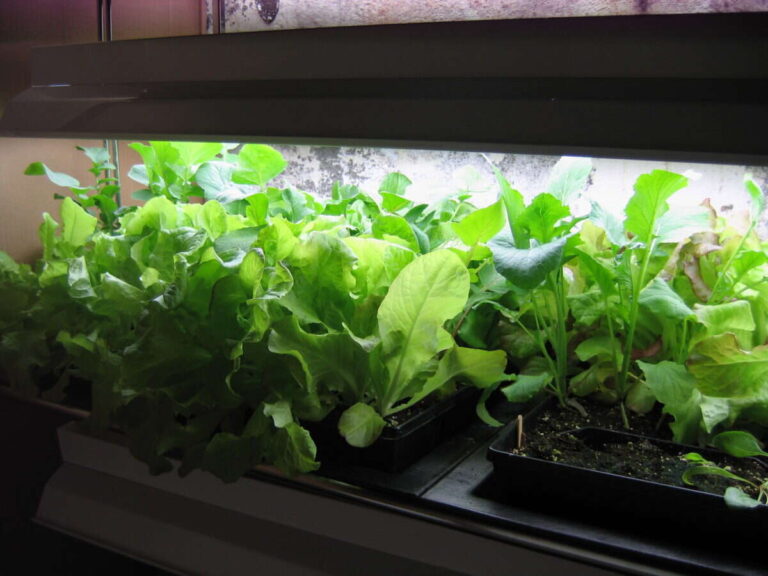
- Late winter to early spring: Soil test, clean beds, order seeds, start hardy greens indoors
- Spring: Direct sow peas, radishes, and greens; harden off and transplant; install trellises
- Early summer: Plant warm crops like tomatoes and basil; mulch; set watering schedule
- Midsummer: Check pests weekly; prune and stake; sow quick greens in shade
- Late summer to fall: Sow fall crops; remove spent plants; add compost; plant garlic if suited
- Late fall to winter: Clean tools; review notes; plan next year
Keep it light. One big focus per month is enough. This approach is at the core of how to organize gardening tasks for beginners with confidence.

Create a weekly task rhythm
Make a rhythm you can repeat. Think of your week as a small loop. You plan, you do, and you check results. Keep it simple and steady.
A sample weekly rhythm:
- Plan day: Check weather, set top three tasks, review pests spotted last week
- Water day: Deep water early morning; adjust for rain or heat
- Work day: Plant, prune, stake, and harvest; 60–90 minutes is plenty
- Check day: Quick pest scan; remove weeds while they are small
Use a timer. When it rings, stop. Momentum beats marathons. This routine locks in how to organize gardening tasks for beginners without burning out.

Tool and supplies checklist
You do not need every tool. A small kit saves time and trips to the store. Keep your tools in one bin by the door. Clean them after each session.
Beginner essentials:
- Hand trowel for planting and spot weeding
- Bypass pruners for clean cuts on stems
- Garden gloves for grip and safety
- Watering can or hose with a gentle nozzle
- Mulch to save water and block weeds
- Stakes, twine, and clips for support
- Labels and a marker to track varieties and dates
Maintain your tools:
- Rinse, dry, and oil pruners lightly
- Coil hoses to prevent cracks
- Store fertilizers and soil mixes in sealed bins
Good tools make it easier to follow how to organize gardening tasks for beginners and stick to your plan.

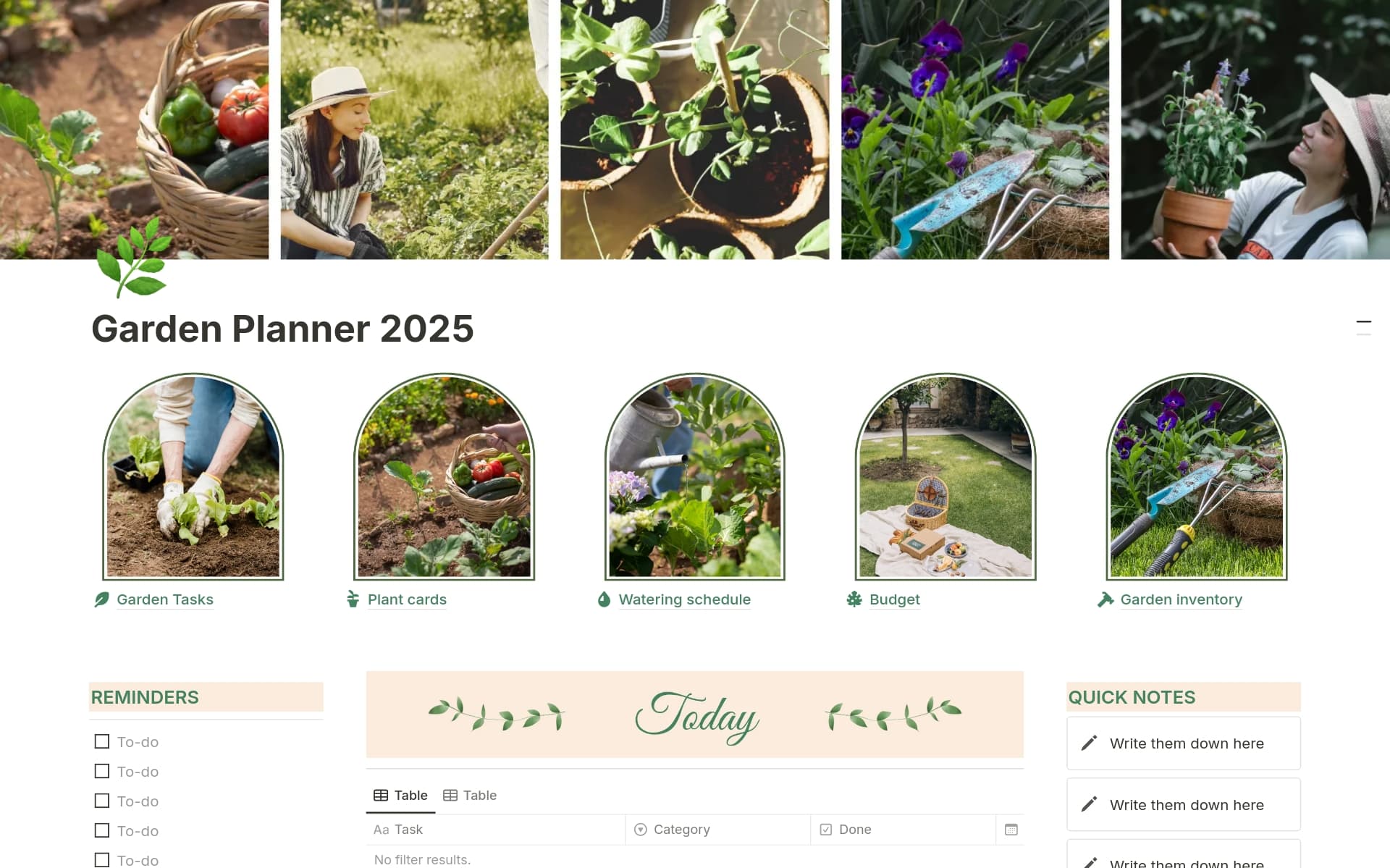
Use a garden calendar and log
Your calendar is your guide. Your log is your memory. Together, they make future seasons easy. Use a paper planner or a phone app with reminders.
What to put on your calendar:
- Planting dates tied to frost windows
- Recurring tasks like water, prune, and feed
- Reminders for pest checks right after warm, humid spells
What to log each week:
- What you planted and where
- Weather notes, pest sightings, and what worked
- Harvest amounts and taste notes
When you write it down, you learn faster. This habit anchors how to organize gardening tasks for beginners and builds skill each season.
Batch tasks and time-saving routines
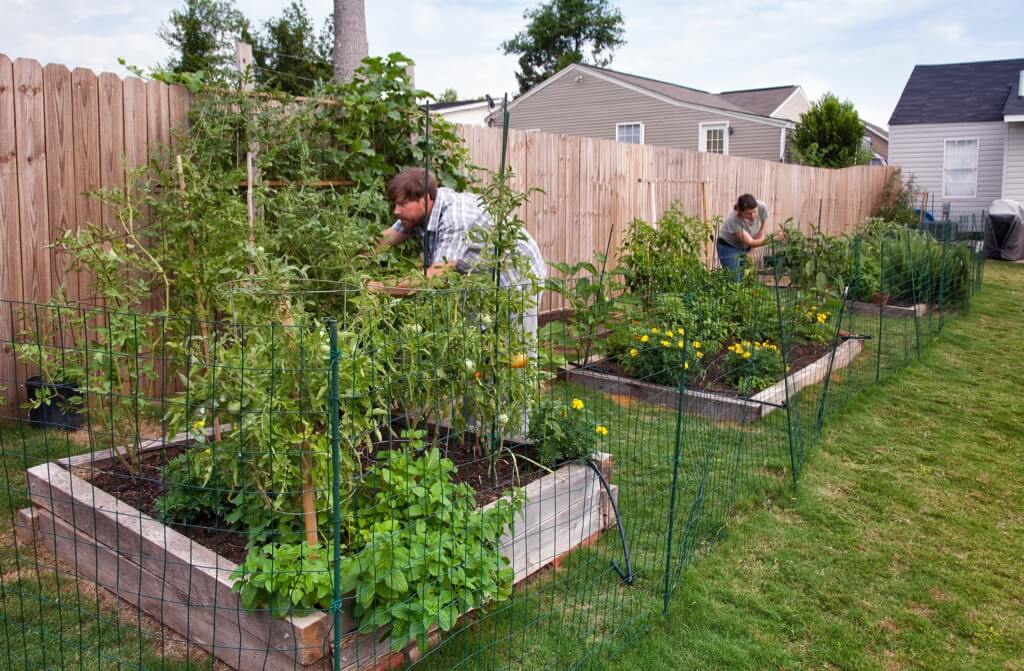
Batching is a simple trick. Group similar jobs and do them in one block. You save setup time and mental load. It works for planting, staking, and cleanup.
Ideas that work:
- Prep day: Fill trays, pre-label, and stage soil and seeds
- Support day: Cut all stakes, string lines, and set clips
- Water day: Deep water and check for leaks in one pass
- Mulch day: Mulch beds after a rain to lock in moisture
Micro-tasks help too:
- Pull 10 weeds while the kettle boils
- Deadhead flowers during a quick walk
- Snap a photo of pest damage for later ID
Batching is a core part of how to organize gardening tasks for beginners who are short on time. It keeps the garden moving with less effort.

Common mistakes to avoid
Most new gardeners make the same few mistakes. Skip them and save months of work. Use your plan to stay steady.
Watch out for:
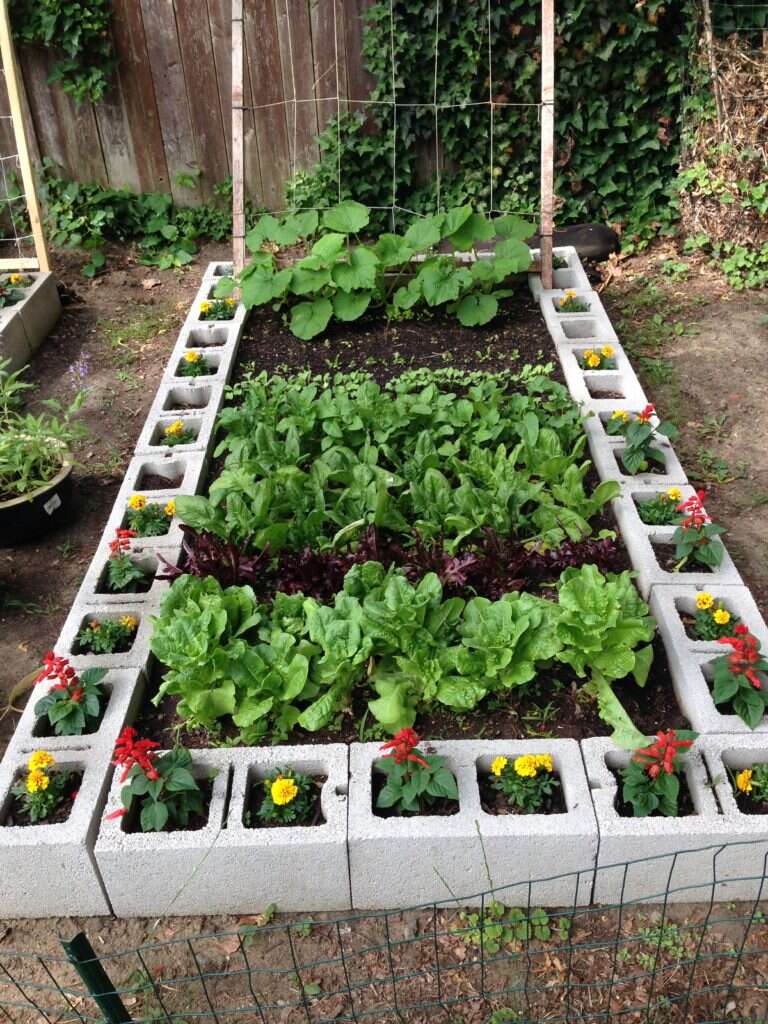
- Starting too big: Begin with one or two beds; expand later
- Ignoring frost dates: Time plantings to your local window
- Vague goals: Choose a clear crop focus and weekly block
- Random watering: Water deep, less often; adjust for weather
- No supports: Stake and trellis early, not after stems bend
- Skipping cleanup: Remove diseased leaves to slow pests
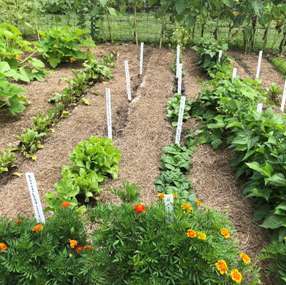
- No labels: Label rows and dates to guide next steps
Avoiding these errors makes how to organize gardening tasks for beginners far simpler and more fun.

Troubleshooting for busy weeks
Life happens. When time is tight, choose the few tasks that protect the garden most. Use quick rules to keep plants alive and productive.
Fast decisions:
- Only 10 minutes? Water and remove the largest weeds first
- Heat wave? Deep water early morning; add shade cloth or mulch
- Pest burst? Remove worst leaves, hand-pick, and use a safe targeted spray
- Rainy week? Skip watering; stake and tie while soil is soft
- Going away? Soak beds, add mulch, and ask a neighbor to check once
These small rules keep you on track with how to organize gardening tasks for beginners even on hectic days.
Frequently Asked Questions of how to organize gardening tasks for beginners
How do I decide what to plant first?
Start with easy, fast crops like lettuce, radishes, and herbs. They teach timing and give quick wins while you learn your space.
How much time do I need each week?
Plan for 1–2 hours in the growing season. Split it into two short sessions to keep energy and focus high.
What if I miss a planting date?
Plant the next suitable crop for the season. Use your log to note the miss and adjust next year’s calendar.
How do I handle pests without chemicals?
Start with prevention: healthy soil, spacing, and clean tools. Hand-pick, use row covers, and spot-treat with targeted products only if needed.
Do I need a soil test as a beginner?
Yes, it helps you make smart fertilizer choices. Many extension services suggest testing every 2–3 years for best results.
What is the simplest way to track tasks?
Use a weekly top-three list and a calendar reminder. This small system supports how to organize gardening tasks for beginners without extra apps.
Conclusion
You do not need a complex system to run a calm, productive garden. Set clear goals, build a seasonal plan, and follow a simple weekly rhythm. Batch tasks, keep good notes, and fix small problems fast.
Pick one idea from this guide and try it this week. That is how to organize gardening tasks for beginners in a way that lasts. Want more tips and templates? Subscribe, share your wins, or ask a question in the comments.

Laura Bennett is a gardening writer at MyGardenLabs who creates beginner-friendly guides focused on solving common plant care and gardening problems.