How To Plan A Garden Layout For Beginners: Best Guide
Start small, map sun and soil, then sketch beds, paths, and plants.
If you want to know how to plan a garden layout for beginners, you’re in the right place. I’ve helped many new gardeners turn messy yards into tidy, productive spaces. In this guide, I will share a clear, friendly plan. You’ll get steps, examples, and hard‑won tips that work in real yards. By the end, you will feel ready to sketch, shop, and plant with confidence.

Start with the big picture: goals, space, and style
Great gardens start on paper. Begin with your goals. Do you want fresh salads, flowers for bees, or a calm spot to read? Choose one primary goal and a few nice‑to‑haves.
Measure your space. Note doors, fences, trees, and the hose. Take a photo, then draw over it. Simple lines beat fancy tools at this stage.
Pick a style that fits your life. Straight beds with clear paths are easy to care for. Curves feel soft and natural but need careful edging. If you ask me how to plan a garden layout for beginners, I suggest a simple grid first, then add curves later.

Source: threeacrefarm.net
Assess your site like a pro
Sun drives plant growth. Watch your yard at three times: morning, noon, and late day. Mark areas with full sun, part sun, and shade. Many crops need six or more hours of sun.
Test your soil. A basic kit can show pH and nutrients. Good soil feels crumbly and drains well. If water sits for hours after rain, raise the beds.
Check slope, wind, and water access. Place beds across slopes, not down them, to slow runoff. Put thirsty plants near the hose. When thinking how to plan a garden layout for beginners, site checks save months of guesswork.
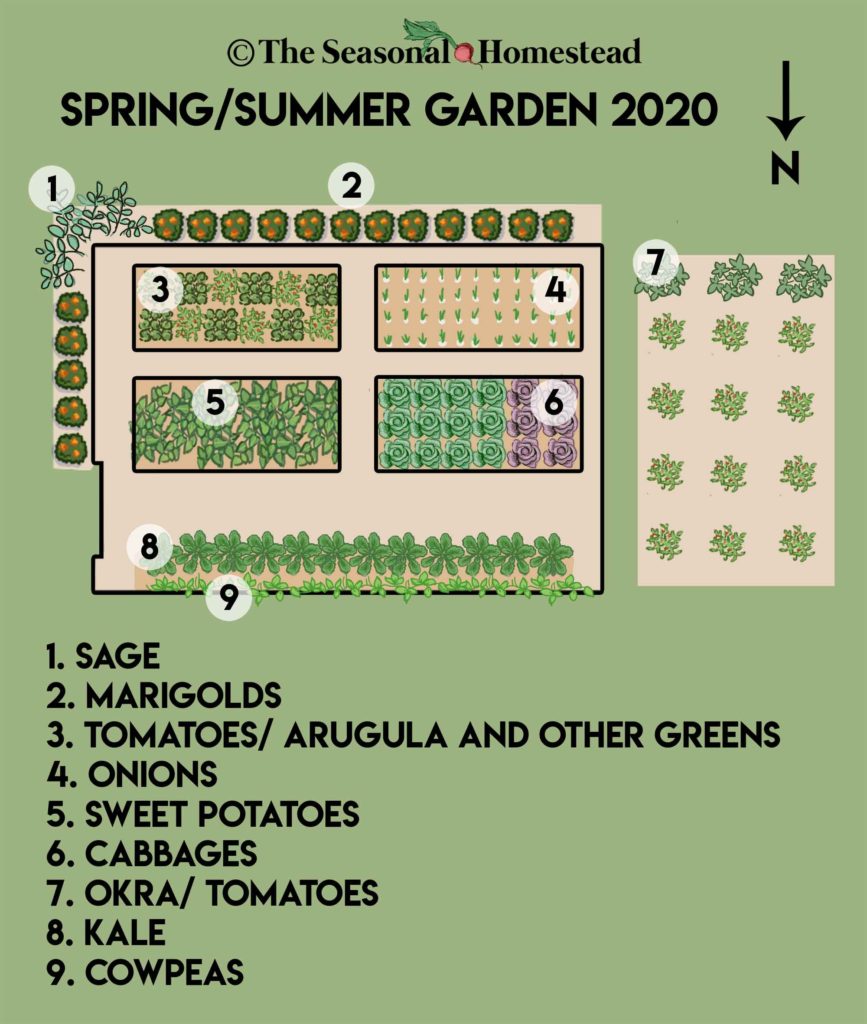
Source: theseasonalhomestead.com
Choose a layout type that fits you
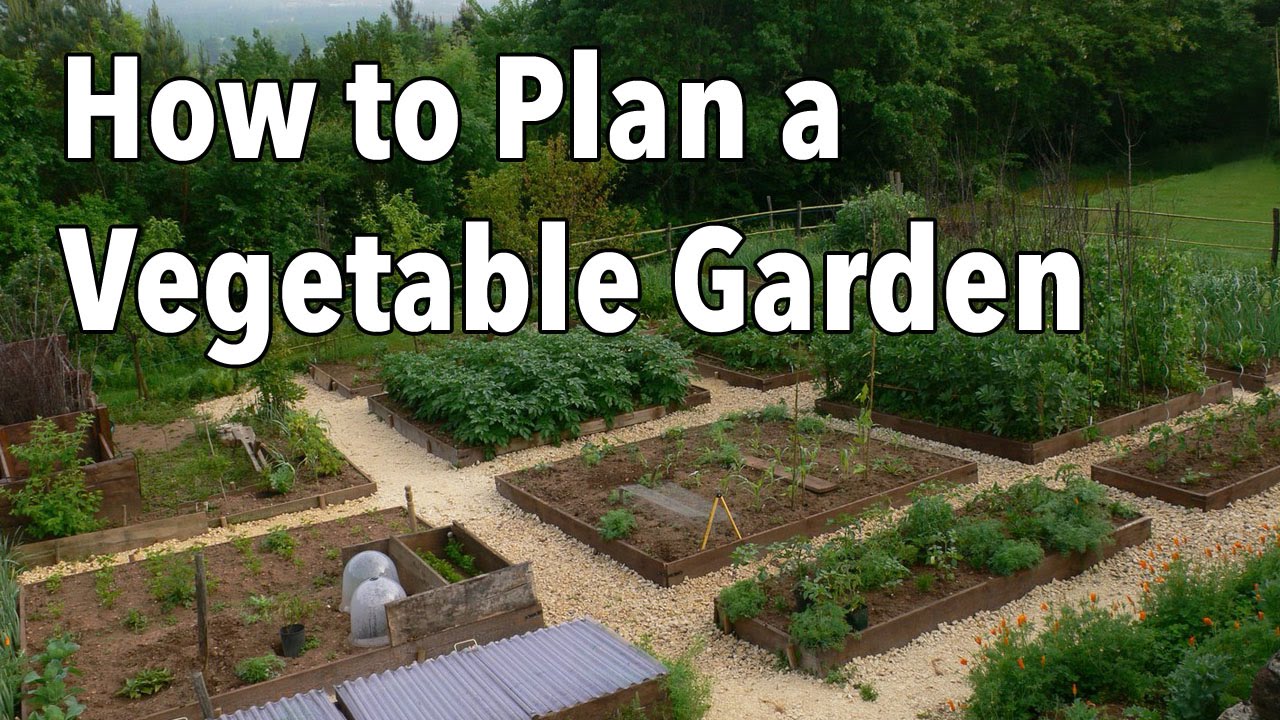
Raised beds warm fast and drain well. They suit poor soil and tidy minds. In‑ground rows cost less and can grow big crops. Grid systems help with spacing.
Try one of these:
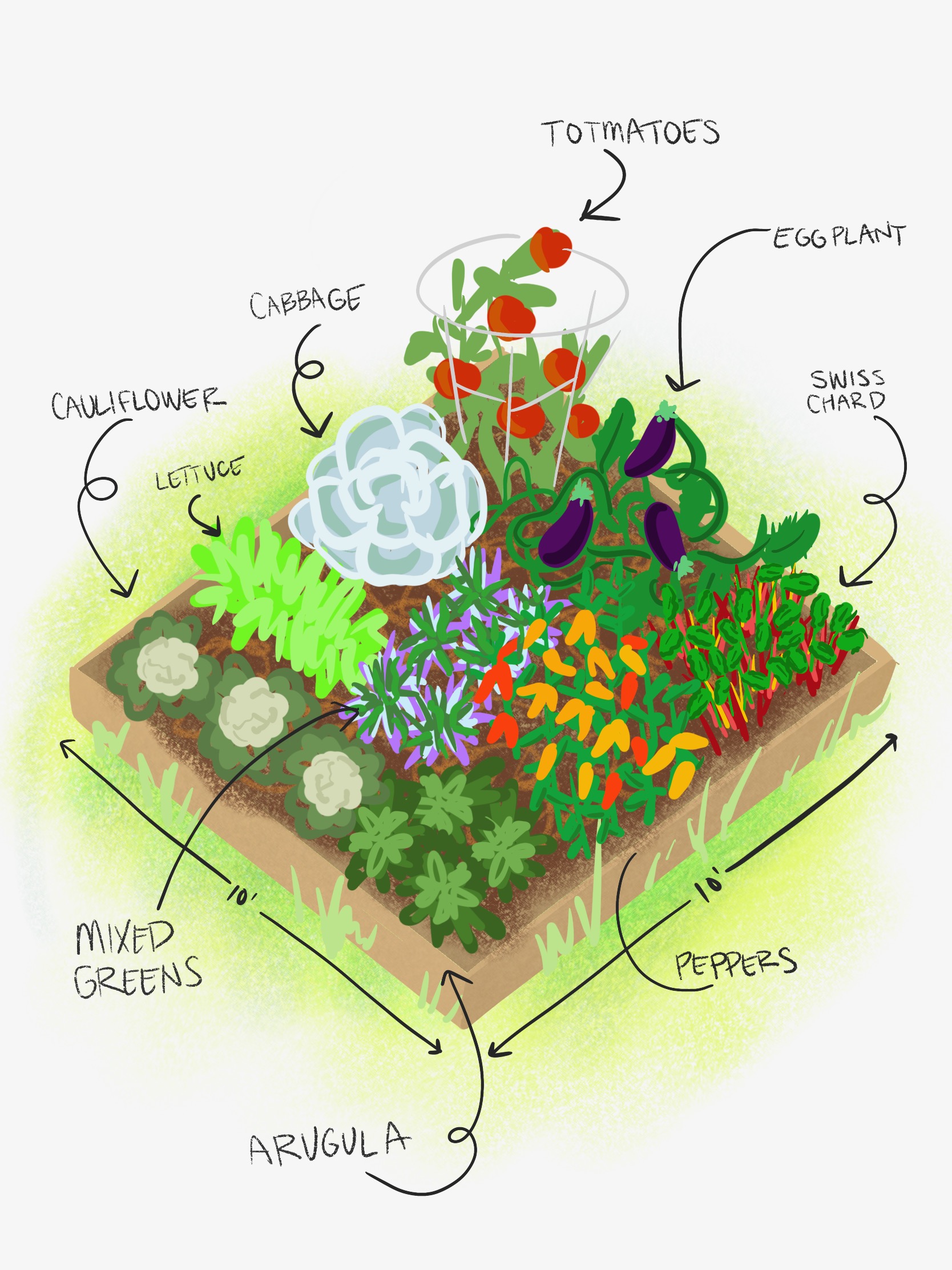
- Four raised beds in a neat square around a central path. Great for crop rotation.
- A kitchen garden near the door with herbs by the steps. This boosts daily use.
- A mixed border along the fence with shrubs, perennials, and annuals.
Match the layout to your time and budget. This is core to how to plan a garden layout for beginners.
Source: youtube.com
Design beds, paths, and zones
Keep beds narrow so you never step on soil. Aim for three to four feet wide. Longer is fine if you can reach both sides. Stepping on beds compacts soil.
Make paths wide enough for a wheelbarrow. Thirty to thirty‑six inches feels right. Add mulch on paths to stop weeds and mud.
Create zones by use:
- Harvest zone near the kitchen for daily picks.
- Pollinator strip at the sunny edge.
- Compost and tools in a back corner.
Place tall plants north of short ones so they don’t cast shade. This small rule improves yields and is key in how to plan a garden layout for beginners.
Source: tonkadale.com
Pick plants the smart way
Right plant, right place. Match plant needs to your sun and soil. Tomatoes, peppers, and corn need full sun. Lettuce and kale forgive light shade.
Choose a mix:
- Anchors: shrubs or trellised vines to give structure.
- Workhorses: herbs, greens, and bush beans for steady harvests.
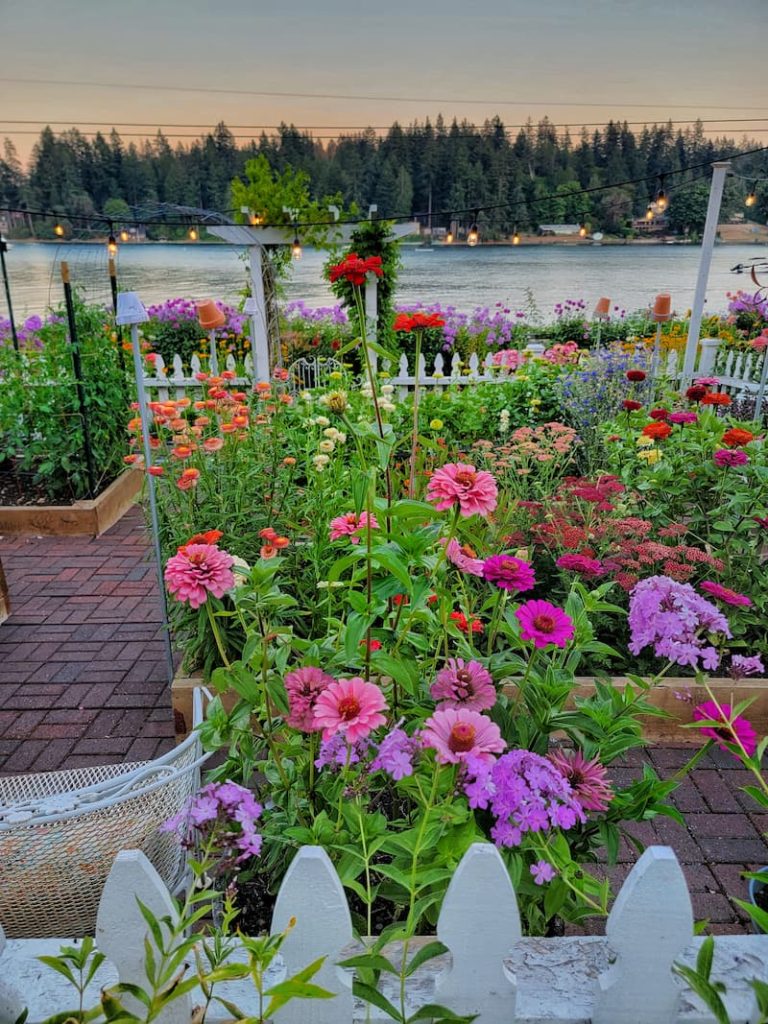
- Pollinator plants: simple blooms like zinnias and basil.
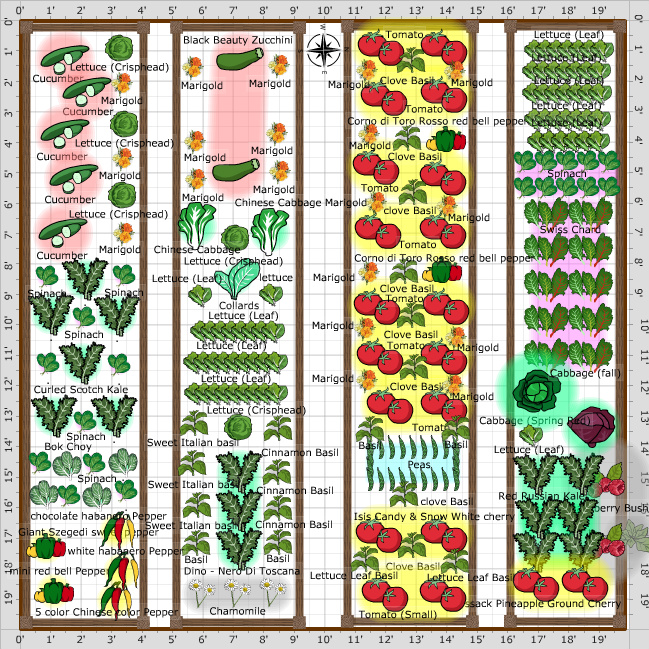
Use companion ideas as guides, not strict laws. Basil near tomatoes is handy for harvest and helps airflow. Rotate families each season to reduce pests. This is a staple in how to plan a garden layout for beginners.

Source: youtube.com
Seasonal planning and succession
Think in waves. Cool‑season crops like peas, spinach, and radishes go in early. Warm‑season crops like tomatoes, squash, and cucumbers wait for frost‑free nights.
Plan successions:
- After spring peas, plant bush beans.
- After early lettuce, sow carrots.
- Tuck quick radishes at bed edges before slow crops fill in.
Use a simple calendar. Pencil in sowing and harvest windows. When you map time as well as space, you master how to plan a garden layout for beginners.
Source: shiplapandshells.com
Small spaces, balconies, and rentals
Containers shine in tight spots. Use the largest pots you can lift. Bigger soil volume gives more stable moisture.
Go vertical. Add trellises, rail planters, and wall pockets. Train cucumbers and beans up a net. Group pots by water needs to save time.
Pick compact varieties labeled dwarf, bush, or patio. Your plan still follows the same rules as how to plan a garden layout for beginners: sun map, simple layout, and clear paths for your feet.
Source: growveg.com
Watering, irrigation, and soil health
Healthy soil is your engine. Blend compost into the top layer each season. Cover soil with mulch to hold moisture and block weeds.
Water deep and less often. Early morning is best. Drip lines or soaker hoses save time and water. Put shut‑off valves at each bed.
Feed the soil, not just the plants. Leaf mold, aged manure, and compost tea can help. These basics sit at the heart of how to plan a garden layout for beginners.

Source: northernwildflowers.ca
Tools, budget, and timeline
Start with a short list:
- Garden fork or spade for digging and mixing.
- Hand trowel for planting.
- Bypass pruners for clean cuts.
- Watering wand or hose with a soft shower head.
- Wheelbarrow for moving mulch and soil.
Set a budget by phase. This month, buy soil and mulch. Next month, add drip lines. In my first year, I spent more on pretty pots than soil. The soil gave the best returns. Smart buying is part of how to plan a garden layout for beginners.
Common mistakes and how to avoid them
Starting too big. Begin with one or two beds. You can add more next season.
Ignoring sun and water. Place beds where you will use them daily. Put the hose within easy reach.
Crowding plants. Give each plant space to breathe. Good spacing lowers disease. Avoid narrow paths; they make work hard.
Skipping mulch. Bare soil dries fast and grows weeds. Mulch saves water and time. These fixes anchor how to plan a garden layout for beginners.
Step‑by‑step: how to plan a garden layout for beginners you can start this weekend
- Walk your yard with a notebook at morning, noon, and late day. Mark sun and shade.
- Measure the space. Sketch doors, trees, and the hose. Note any slopes.
- Choose one layout: four raised beds or two long in‑ground beds with clear paths.
- Set bed width to three to four feet. Set path width to thirty to thirty‑six inches.
- Place tall crops on the north side. Keep herbs and salad greens near the door.
- Pick ten plants you love. Mix three anchors, five workhorses, and two pollinator picks.
- Plan two successions per bed. For example, spring lettuce followed by summer beans.
- Add mulch to paths and beds. Install a simple drip kit if you can.
- Write a short weekly routine: water, weed, harvest, and note.
- Take a photo each month. Adjust the plan as you learn. This simple loop is how to plan a garden layout for beginners that grows with you.
Frequently Asked Questions of how to plan a garden layout for beginners
How much sun do I need for vegetables?
Aim for six to eight hours of direct sun for most crops. Leafy greens can handle less, but fruiting plants need full sun.
How wide should my garden paths be?
Thirty to thirty‑six inches works for most people and wheelbarrows. If space is tight, keep at least twenty‑four inches for easy walking.
Do I need raised beds to start?
No, in‑ground beds can work very well with good soil and mulch. Raised beds help with drainage and tidy edges but are not required.
How do I plan for pests without chemicals?
Start with healthy soil, good spacing, and mulch. Use row covers early, hand‑pick pests, and plant flowers to attract helpful insects.
How many plants should a beginner grow?
Start with eight to twelve varieties you will eat or enjoy. Fewer plants mean better care and faster learning.
What is the easiest irrigation for beginners?
A simple drip or soaker hose system on a timer saves time and water. Hand watering works, but be consistent and water early.
Conclusion
You now have a clear path from blank yard to thriving beds. Start small, map your sun, and keep the layout simple. Build healthy soil, set wide paths, and plant what you love. Each season, note what worked and adjust.
The best garden is the one you tend. Sketch your plan today, set one bed this week, and plant your first seeds. Want more tips like this? Subscribe for updates or leave a question and I’ll help you plan your next step.

Laura Bennett is a gardening writer at MyGardenLabs who creates beginner-friendly guides focused on solving common plant care and gardening problems.