How To Prevent Fungus In Garden Soil: Proven Tips 2026
Water less, improve drainage, add biology, and keep tools clean to stop soil fungus.
If you want to know how to prevent fungus in garden soil, you are in the right place. I’ve coached growers, rescued soggy beds, and tested real-world fixes across seasons. In this guide, I’ll show simple, science-backed steps that work in any yard. You will learn clear habits that keep roots healthy, seedlings safe, and soil life strong.

Understand what you are fighting: soil fungus 101
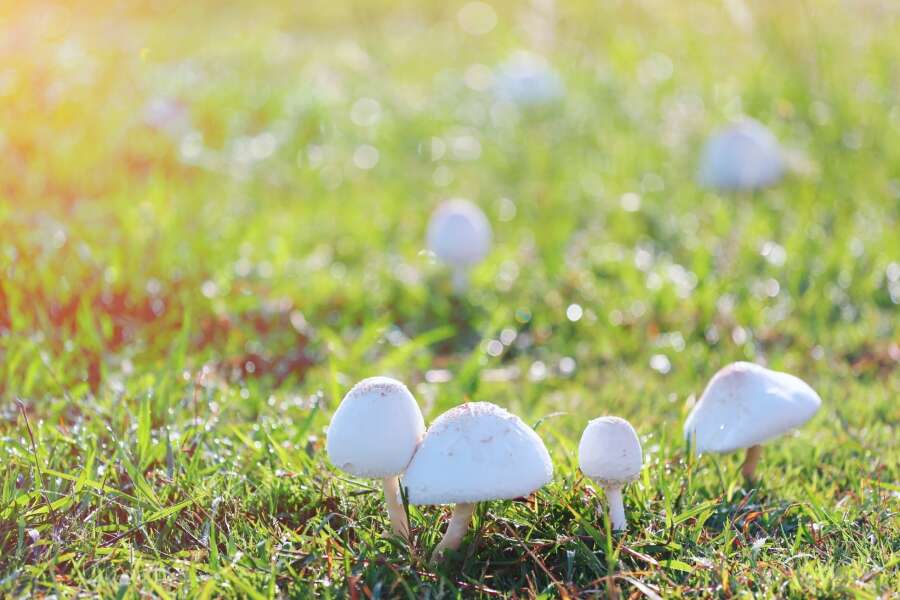
Fungal problems in soil thrive in wet, compact, low-oxygen spots. Common culprits include Pythium and Phytophthora (water molds), plus Fusarium and Rhizoctonia. They cause damping-off, root rot, and slow growth.
You prevent most outbreaks by managing moisture, air, and soil life. That is the core of how to prevent fungus in garden soil. Watch for signs like seedling collapse, brown roots, or a swampy smell after watering.
Key points to remember:
- Many “soil fungi” also include oomycetes that love constant moisture.
- Compaction and poor drainage keep roots stressed and easy to infect.
- Spores spread on tools, pots, boots, mulch, and water splash.

Water like a pro to block disease
Water management is the number one tactic in how to prevent fungus in garden soil. Most yards get into trouble by watering often but not deep. That keeps the surface wet and roots shallow.
Try these simple habits:
- Water less often, but deeper, and only when the top inch is dry.
- Water early in the morning so surfaces dry by night.
- Use drip lines or soaker hoses to reduce splash on stems.
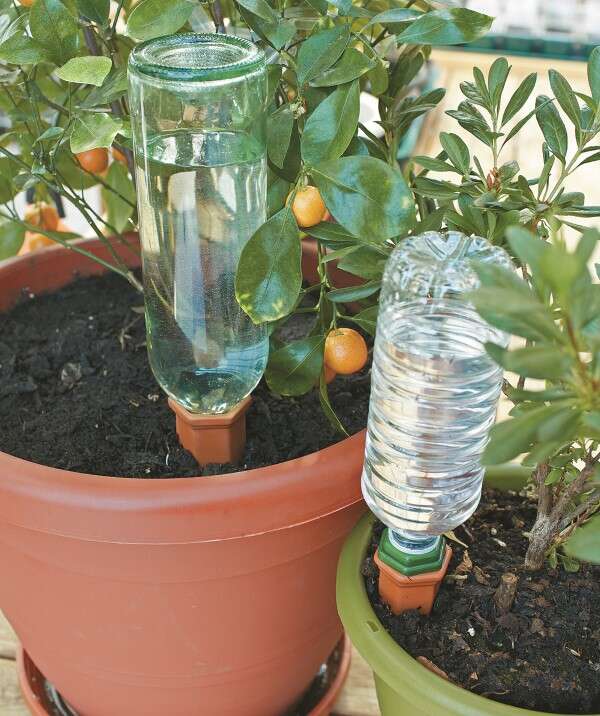
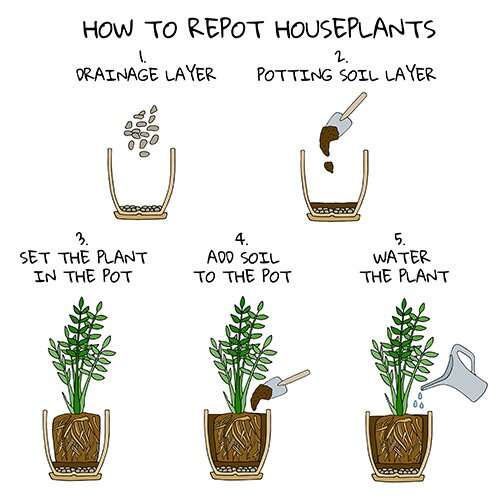
- Ensure containers have plenty of drainage holes and empty saucers.
- Raise beds or add channels so excess water can exit fast.
A quick test helps. Push a finger 2 inches down. If it feels cool but not soggy, you are good.

Build living soil that resists fungus
Healthy soil is your best shield. The goal is crumbly structure, steady moisture, and diverse microbes. This is the heart of how to prevent fungus in garden soil.
Use these upgrades:
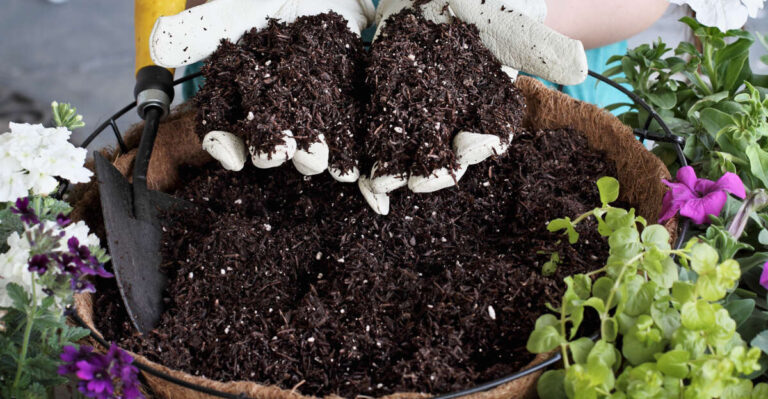
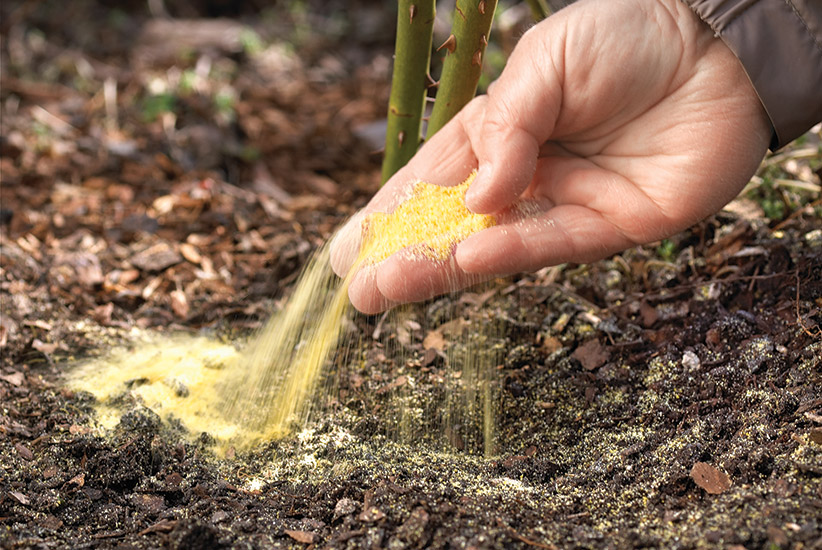
- Add finished compost for structure and biology. Make sure it smells earthy, not sour.
- Mix in coarse material where needed. Use composted bark, perlite, or grit for drainage.
- Keep pH near 6.2 to 6.8 for most vegetables. Test yearly and adjust gently.
- Feed balanced nutrients, not heavy nitrogen. Too much nitrogen makes soft, weak growth.
- Add earthworm castings at planting. This boosts helpful microbes and plant vigor.
- Inoculate strategically. Products with Trichoderma or Bacillus can occupy root zones before pathogens do.
- Plant cover crops in the off season. Clover, rye, or oats add organic matter and improve tilth.
Personal tip: I mix 10 to 20 percent compost and a handful of worm castings in planting holes. It has cut seedling loss almost to zero in spring.
Keep it clean: smart sanitation and quarantine
Pathogens hitchhike. A clean setup is a big part of how to prevent fungus in garden soil. It takes a few minutes and saves a season.
Use these steps:
- Disinfect tools, stakes, and trays. Use 10 percent bleach for 10 minutes or 70 percent alcohol for 30 seconds.
- Wash pots before reuse. Hot soapy water, then a quick disinfect dip.
- Remove and trash heavily infected plants. Do not compost sick roots.
- Quarantine new plants for two weeks. Watch roots and growth before mixing into beds.
- Buy certified seed and disease-free starts. Cheap plants can be costly later.
- Keep mulch clean and dry. Do not use sour-smelling or moldy wood chips.

Let heat, air, and sun work for you
Air and light dry surfaces and discourage many pathogens. Some fungi hate heat. Use nature to help with how to prevent fungus in garden soil.
Try this:
- Space plants to allow airflow. Crowding traps humidity near the soil line.
- Prune lower leaves that touch the soil. It limits splash and contact.
- Shape beds with a slight crown. Water moves off instead of pooling.
- Solarize infested beds in peak summer. Wet soil, cover with clear plastic, seal edges, and leave 4 to 6 weeks. Heat can knock back many soil pathogens and weed seeds.
I use solarization after a bad damping-off year. The next season, losses were far lower.

Rotate wisely and pick tougher varieties
Rotation breaks disease cycles. It is a classic method in how to prevent fungus in garden soil. Do not plant the same family in the same bed each year.
Use these guidelines:
- Rotate plant families every 3 to 4 years when space allows.
- Follow high-risk crops like tomatoes with less susceptible ones like corn or beans.
- Choose resistant varieties. For tomatoes, look for labels such as VFN for resistance to Verticillium, Fusarium, and nematodes.
- Avoid planting stress magnets in wet beds. Move them to raised spots.
Targeted biological and organic controls
Biology beats biology. It is a precise way to support how to prevent fungus in garden soil. Apply early and follow labels.
Options to consider:
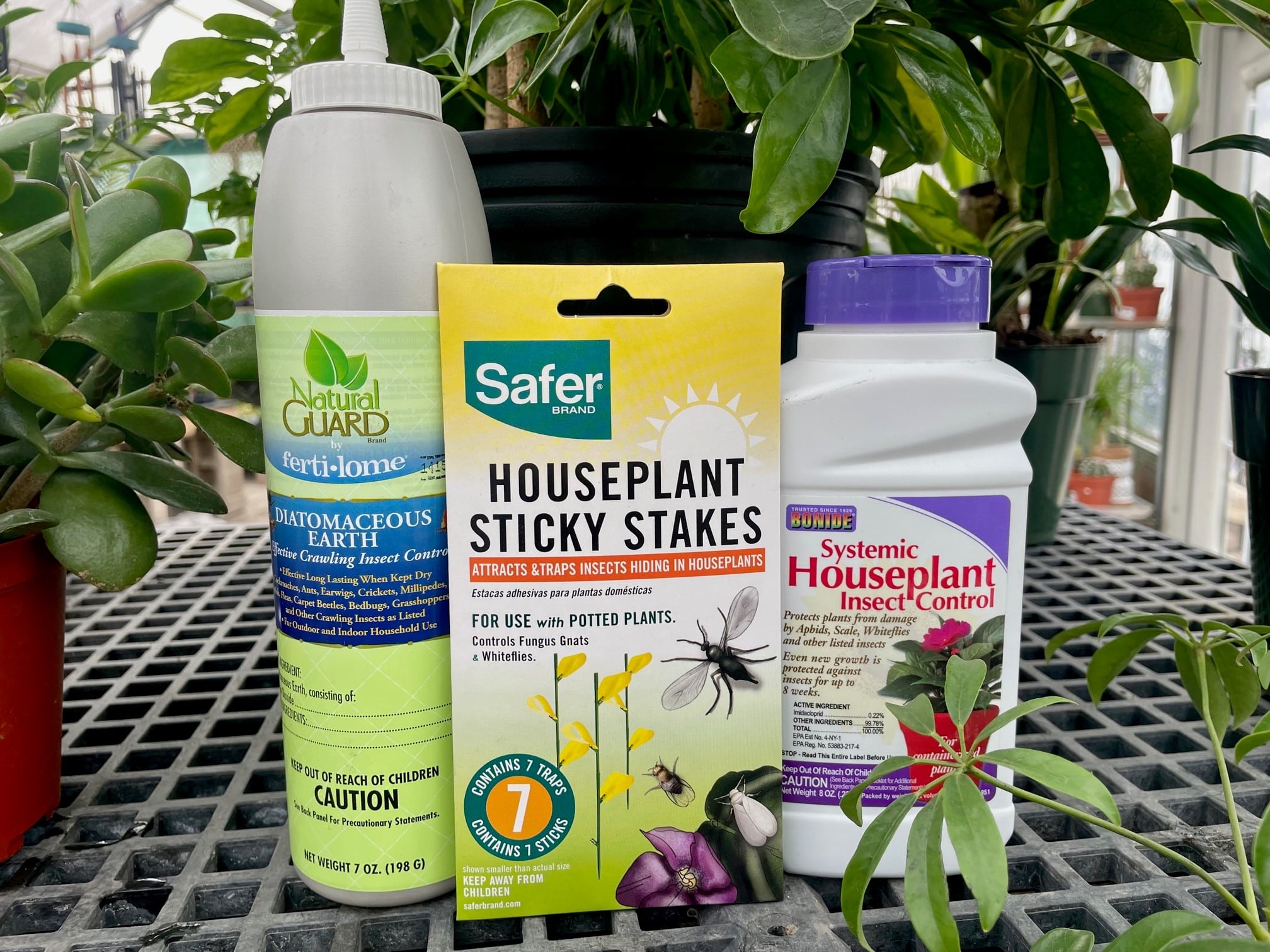
- Biofungicides with Trichoderma, Bacillus, or Streptomyces. Drench seedlings and transplants before problems start.
- Phosphite products for water molds on label-approved crops. They boost plant defenses against Pythium and Phytophthora.
- Chitin sources like crab or shrimp meal. These can stimulate helpful microbes that degrade fungal cell walls.
- Sulfur or copper products are tools of last resort. Use sparingly and only as labeled, since copper can build up.
Note on home hacks: Hydrogen peroxide can burn roots and harm good microbes when used in soil. Cinnamon may show mild effects but is not a reliable control outdoors.

Container and raised bed tactics
Pots and raised beds dry faster and drain well. They are great tools for how to prevent fungus in garden soil, especially in wet climates.
Do this with containers:
- Use fresh, high-quality soilless mix, not garden soil. Avoid reusing mix after a disease issue.
- If you must reuse, pasteurize. Heat moist mix to 160°F for 30 minutes in an oven-safe tray.
- Clean pots and trays between seasons. Disinfect as noted above.
- Add coarse perlite or pine bark for drainage. Avoid saucer water sitting under pots.
- Fertilize lightly and often to avoid soft, lush growth.
Seasonal checklist: a simple routine that works
Build a quick habit loop. This is the easy way for how to prevent fungus in garden soil. Five minutes each week can protect your harvest.
Use this checklist:
- Spring: Test soil, add compost, inoculate with beneficial microbes, set up drip lines.
- Early season: Water deep, space plants, mulch cleanly, and watch for damping-off.
- Mid-season: Prune for airflow, rotate beds for successive plantings, and monitor moisture.
- Late season: Pull sick plants, solarize open beds, and plant cover crops.
- Always: Clean tools, shoes, and pots after use.
Frequently Asked Questions of how to prevent fungus in garden soil
What causes soil fungus in gardens?
Most soil fungus problems come from too much water, poor drainage, and compaction. Spores spread by splash, tools, infected plants, and even wind.
How do I stop damping-off in seedlings?
Use sterile trays and fresh mix, avoid overwatering, and boost airflow. A light fan and bottom watering help keep stems dry and strong.
Can compost help prevent soil fungus?
Yes, finished compost adds structure and good microbes that outcompete pathogens. Make sure it is fully matured and smells earthy.
Are chemical fungicides the best fix?
They are tools, not cures, and can harm good microbes if overused. Focus first on water, drainage, biology, and cleanliness.
Will mulch make fungus worse?
Clean mulch used correctly helps by stabilizing moisture and reducing splash. Keep mulch a small gap away from stems and avoid soggy piles.
Does hydrogen peroxide kill soil fungus safely?
It can kill microbes, but it does not spare the good ones and may injure roots. Use proven biofungicides and moisture control instead.
How long should I rotate crops to reduce soil fungus?
Aim for 3 to 4 years between the same plant family in the same bed. This breaks pathogen cycles and lowers disease pressure.
Conclusion
Healthy soil, smart watering, and clean habits beat fungus most of the time. Start small. Fix drainage, space plants, and add good biology. That simple plan is the backbone of how to prevent fungus in garden soil.
Walk your beds once a week and use the checklist. You will see stronger roots, fewer losses, and better harvests. Want more tips like this? Subscribe for updates, ask a question, or share your own wins in the comments.

Laura Bennett is a gardening writer at MyGardenLabs who creates beginner-friendly guides focused on solving common plant care and gardening problems.