How To Prevent Root Rot In Potted Plants: Expert Guide 2026
Keep soil well-drained, water by need, use light and airflow, and sanitize tools.
Root rot sneaks in when roots sit wet and airless. I have fixed many sad, mushy roots over the years, from pothos to fiddle-leaf figs. In this guide, I will show you how to prevent root rot in potted plants with clear steps, simple checks, and pro tips you can use today. If you want long‑lived, thriving houseplants, stick with me. You will learn how to prevent root rot in potted plants the right way.
What root rot is and why it happens
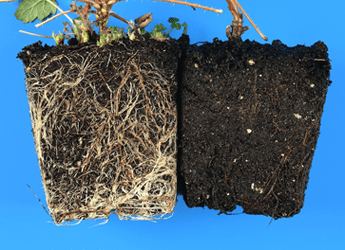
Root rot happens when roots drown and pathogens take over. Waterlogged soil blocks oxygen. Fungi like Pythium and Phytophthora then attack weak roots. You see yellow leaves, droop, sour smells, and brown, mushy roots.
I learned this the hard way with a new ficus. It sat in a dark corner and I watered on a schedule. The roots suffocated and rotted. I moved it to bright light, changed the mix, and reset my care. Knowing how to prevent root rot in potted plants starts with this cause-and-effect.

Watering the right way
Water by need, not by habit. Here is a simple system that works.
- Test before you water. Use your finger to the second knuckle. The top inch should feel dry for most plants. Use a moisture meter if you like a number.
- Water deeply, then let it drain. Soak until water runs from the holes. Empty the saucer within 10 minutes.
- Adjust to light and season. Less light means less water. In winter, roots use less water, so wait longer between drinks.
- Bottom-water for sensitive plants. Set the pot in a tray of water for 10 to 20 minutes. Remove and drain well.
- Track pot weight. Lift the pot right after watering. Lift again when dry. That weight change will teach you timing.
If you ask how to prevent root rot in potted plants, start here. Proper watering is 80% of the solution. Small, steady habits beat guesswork every time. Keep a simple note on your phone to avoid overwatering.

Choose the right pot and soil
The container and mix decide how fast water moves. Get these right and you prevent most issues.
- Always use a pot with real drainage holes. No holes, no oxygen.
- Pick terracotta if you overwater. It breathes and speeds up drying.
- Avoid oversized pots. A pot too big holds water too long. Aim for 1 to 2 inches wider than the root ball.
- Use the right mix. For most tropical houseplants, use an airy blend. Try 40% high‑quality potting mix, 30% perlite or pumice, 30% bark. For succulents and cacti, use a gritty mix with more mineral parts. For aroids like monstera, add extra bark and some charcoal.
- Cover holes with a mesh to keep mix in, not rocks. Rocks create a perched water table and trap water.
Soil and pot choice are key in how to prevent root rot in potted plants. The goal is air in the root zone. Airy mix, right pot, happy roots.
 humidity balance”
style=”max-width: 100%; height: auto; border: 2px solid black; border-radius: 10px; display: block; margin: 0 auto;”
loading=”lazy”
/>
Light, airflow, and humidity balance
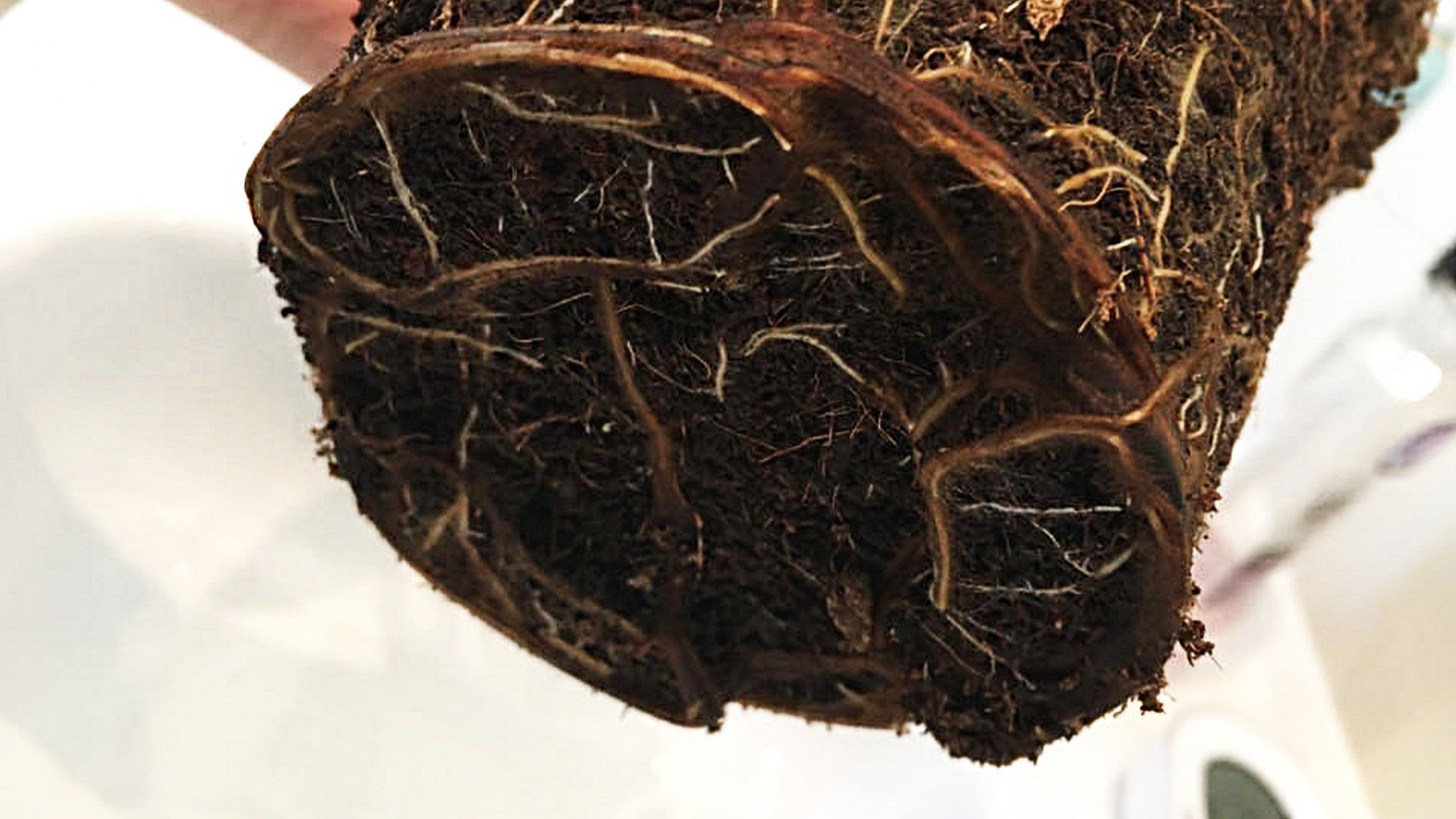
Light powers growth and water use. More light, within reason, means faster drying. Place plants where you can read a book by daylight. Rotate plants to even out growth.
Add gentle airflow if your room is still. A small fan on low helps the surface dry and limits fungus. Keep humidity moderate and steady. Use a pebble tray if needed, not constant misting on leaves and soil. This small climate control is part of how to prevent root rot in potted plants.

Monitoring and maintenance routines
A simple routine saves plants.
- Do a weekly five-minute check. Look for droop, yellowing, spots, and fungus gnats.
- Clean and sharpen your shears. Wipe blades with alcohol before and after use.
- Refresh mixes on a schedule. Fast growers may need repotting every 12 to 18 months. Slow growers can go longer.
- Flush salts every few months. Run water through the pot for a full minute to prevent salt build-up.
- Quarantine new plants for two weeks. Watch for pests and rot before placing with others.
Use tools that make it easy. A moisture meter, squeeze bottle, and a calendar reminder all help. This is practical, low effort, and core to how to prevent root rot in potted plants.
:strip_icc()/how-to-water-houseplants-5651236-03-474c2b7e186743c4a1e32050e4212712.jpg)
What to do at the first sign of trouble
Catch it early and you can save the plant.
- Unpot the plant and inspect roots. Healthy roots are white to tan and firm. Rot is brown, black, and mushy.
- Trim off all mushy roots. Use sterile, sharp scissors. Disinfect between cuts with alcohol.
- Rinse roots gently. A solution of 1 part 3% hydrogen peroxide to 3 parts water works well.
- Let roots air-dry for 30 minutes. This helps small wounds seal.
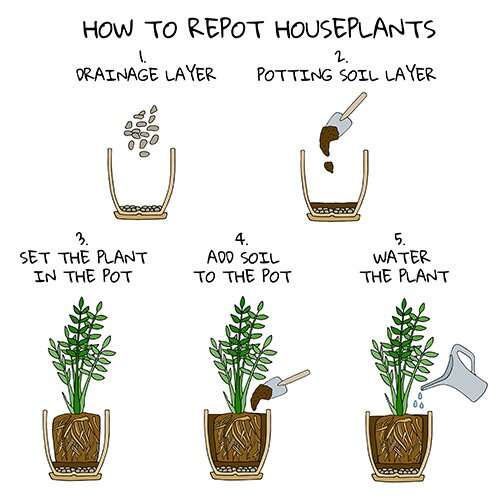
- Repot into a clean pot with fresh, airy mix. Do not reuse the old wet soil.
- Water lightly once. Then wait until the top inch is dry before watering again. Increase light and airflow.
Act fast, be clean, and adjust care. This is how to prevent root rot in potted plants from returning after a scare.

Seasonal and plant-specific notes
Plants change with the seasons. In winter, growth slows. Cut watering and watch for cold drafts. In summer, heat and light increase use. Check sooner.
Know your plant type. Cacti and succulents need more mineral mix and more light. Ferns like even moisture but still need air in the mix. Aroids enjoy chunky bark. Orchids prefer very open, bark-heavy media. Matching care to plant type supports how to prevent root rot in potted plants in every season.

Common mistakes to avoid
Avoid these traps. They cause trouble fast.
- Watering on a fixed schedule without checking the soil.
- Using pots without drainage or sealed decorative planters.
- Leaving water in saucers for hours.
- Overpotting a small plant into a huge pot.
- Using heavy garden soil indoors.
- Keeping plants in low light and high water at the same time.
Each mistake works against how to prevent root rot in potted plants. Fix them and most issues fade.
Tools and supplies checklist
Keep a small kit ready.
- Pots with drainage holes and matching saucers.
- Terracotta for thirsty hands and plastic for fast-dry rooms.
- Perlite, pumice, bark, and quality potting mix.
- Mesh screens for pot holes.
- Shears, isopropyl alcohol, and gloves.
- Moisture meter and a small fan.
- Hydrogen peroxide 3% for rescue care.
This simple set makes how to prevent root rot in potted plants easier, faster, and more reliable.
Frequently Asked Questions of how to prevent root rot in potted plants
How do I know if my plant has root rot?
Look for yellow leaves, droop, and a sour smell. Check the roots: healthy roots are firm and light; rotten roots are brown and mushy.
Can I cure root rot without repotting?
If it is very early, you can dry the soil and improve airflow. But real rot needs trimming and fresh mix for a clean reset.
Should I add rocks at the bottom of the pot?
No. Rocks do not improve drainage inside the pot. They raise the water table and keep roots wetter.
Is hydrogen peroxide safe for roots?
Yes, in the right dilution. Use 1 part 3% hydrogen peroxide to 3 parts water for a brief rinse, then repot.
How often should I water to avoid root rot?
There is no set schedule. Test the soil first, then water deeply and drain well when the top inch is dry.
Do self-watering pots cause root rot?
They can if the mix is dense or the wick stays too wet. Use an airy mix and let the reservoir run dry between fills.
Will more light help prevent root rot?
Yes. Bright, indirect light helps plants use water faster and keeps the root zone healthier.
Conclusion
Healthy roots are the heart of every plant. Give them air, light, and the right water rhythm, and they thrive. You now know how to prevent root rot in potted plants with smart watering, better mixes, and clean tools. Start with one change today. Move a plant to brighter light, switch to a chunky mix, or set a reminder to empty saucers. Your plants will tell you you are on the right track.
Want more plant care guides like this? Subscribe, share your questions in the comments, and let me know which plant you want to save next.

Laura Bennett is a gardening writer at MyGardenLabs who creates beginner-friendly guides focused on solving common plant care and gardening problems.