How To Reuse Old Soil For Plants: Pro Tips 2026
Refresh old soil by sifting, sterilizing, and amending with compost and nutrients.
If you’ve ever wondered how to reuse old soil for plants without risking weak growth or pests, you’re in the right place. I’ve refreshed hundreds of pots and beds over the years, and I’ll show you the exact steps, mixes, and science-backed tips I use. This guide breaks down how to reuse old soil for plants in simple steps, with clear ratios and fixes for common problems. Let’s turn tired dirt into a thriving, living mix you can trust.
Why reuse old soil and what wears it out
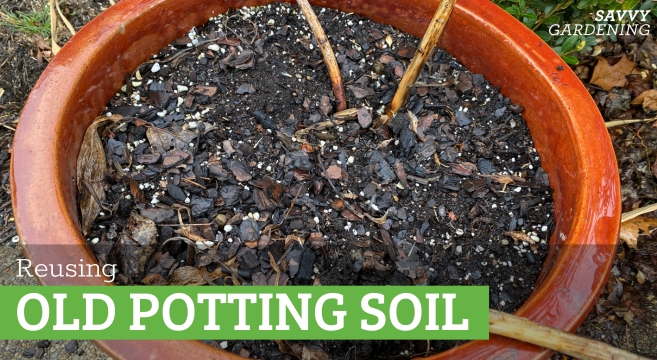
Reusing soil saves money and cuts waste. It also builds healthier, living soil over time. But old soil needs help. It loses nutrients, gets compacted, and can hold salts.
Here’s what breaks soil down:
- Nutrient drain. Plants use nitrogen, phosphorus, potassium, and trace elements.
- Structure loss. Peat and coir break down. Mix gets dense and airless.
- Salt buildup. Fertilizer salts can burn roots and lock out water.
- Pests and disease. Fungus gnats, root rot, and mold can linger.
- pH drift. Mix can slide too acidic or too alkaline.
With smart steps, you can fix all of this. Knowing how to reuse old soil for plants will boost growth and reduce waste.
When to reuse and when to replace
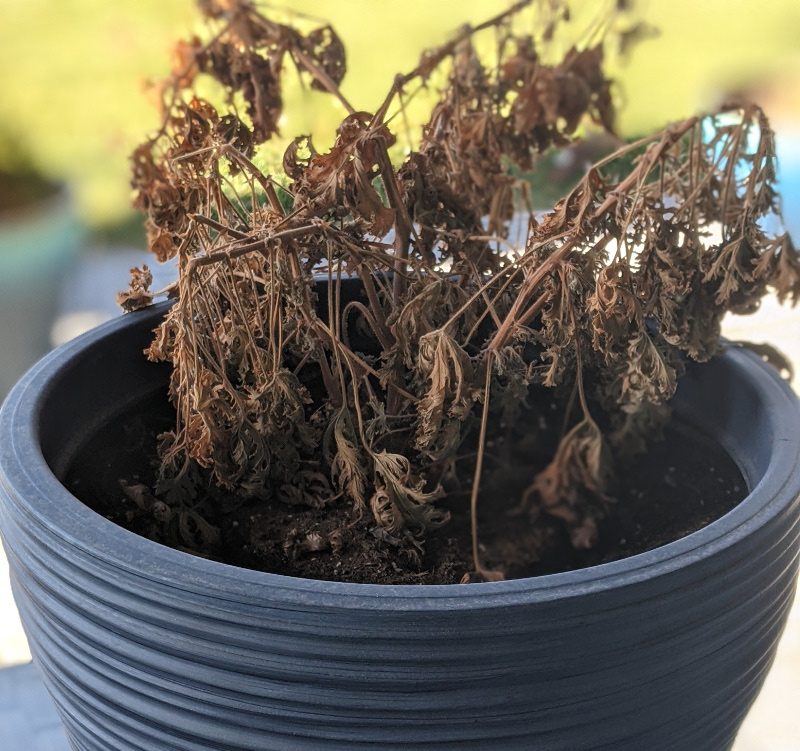
I reuse most mixes. But I do not reuse soil from plants that died of clear disease. Toss it or hot-compost it far from pots.
Replace the mix if:
- You had root rot, damping-off, or clubroot.
- You see root-knot nematode galls.
- There’s herbicide drift or contamination.
- You used systemic insecticides you want to avoid.
Reuse the mix if plants simply fizzled out or the season ended. When you learn how to reuse old soil for plants, you’ll spot when it’s safe and when it’s not.
Pro tip: Smell the soil. Sour or rotten smells mean anaerobic issues. Also do a quick flush and a simple EC/pH test if you can.

Step-by-step: how to reuse old soil for plants
Here is exactly how to reuse old soil for plants. This is the method I use on my balcony pots and raised beds.
-
Empty and dry
Dump the pot into a tub. Let the mix dry a bit so it is easy to work. -
Remove roots and debris
Pull out thick roots, stems, and old mulch. Sift with a mesh if you have one. -
Break up clumps
Crush hard chunks with your hands. This brings back a light texture. -
Pasteurize if needed
Do this if you had pests or fungus gnats.
- Oven method. Heat damp soil at 180°F (82°C) for 30 minutes. Do not overheat.
- Steam method. Hold at 160–170°F (71–77°C) for 30 minutes.
- Solarization. Seal moist soil in clear plastic. Set in full sun for 4–6 weeks.
-
Leach salts
Place soil in a pot with drainage. Run water through until it pours from the bottom. Do this 2–3 times. Let it drain well. -
Rebuild structure
Old mix is often heavy. Add:
- 30–50% finished compost for nutrients and life.
- 10–20% perlite or pumice for air and drainage.
- 10–20% coconut coir or leaf mold for moisture balance.
- Rebalance nutrients
Old soil is low on food. I add:
- Slow-release organic fertilizer at label rate.
- 5–15% worm castings for enzymes and gentle N.
- Lime for acidic mixes or sulfur for high pH, based on a quick test.
- A little rock dust or kelp meal for micronutrients.
-
Re-inoculate biology
Healthy soil is alive. Mix in a sprinkle of mycorrhizae at planting. Or drench with well-brewed compost tea. -
Rehydrate and cure
Moisten the mix until it’s like a wrung-out sponge. Let it rest for a few days. This lets microbes wake up and salts settle. -
Plant with care
Do not overpack the pot. Water in well. Watch for drainage and adjust perlite if needed.
Knowing how to reuse old soil for plants is about this rhythm: clean, heat if needed, flush, rebuild, feed, and rest.
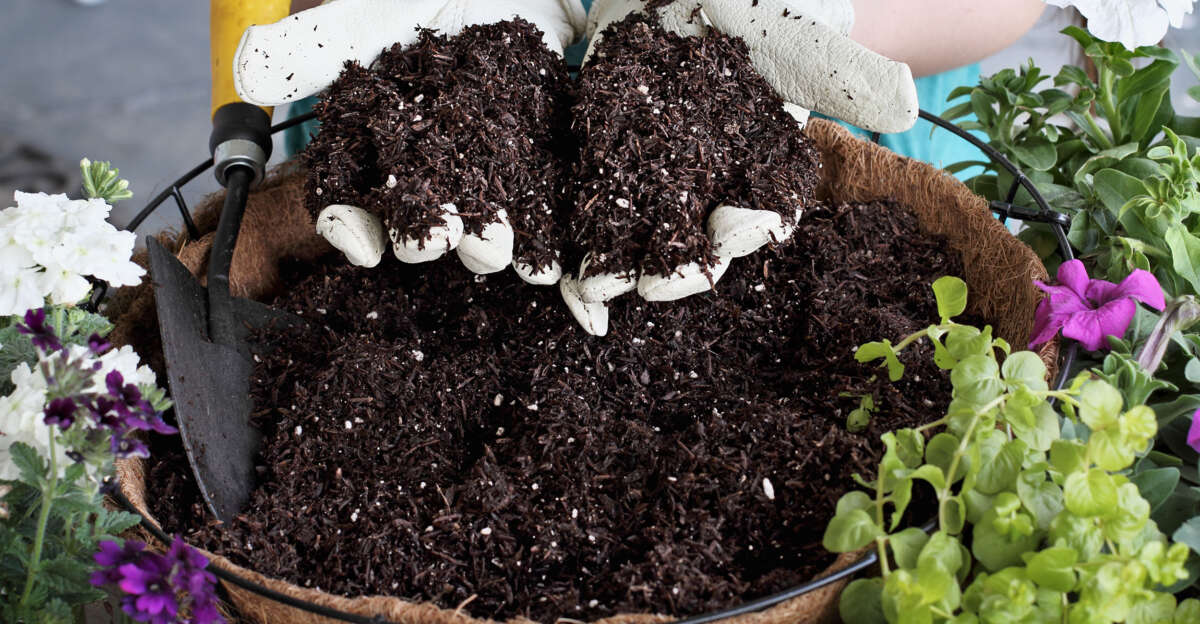
:strip_icc()/hands-in-potting-soil-e7f271a0b638489bbfa65ae65f779e53.jpg)
Simple soil recipes you can trust
These are my go-to refresh ratios. They are light, stable, and easy to tweak.
Leafy greens and herbs (containers)
- 50% old soil
- 30% compost
- 10% perlite or pumice
- 10% coconut coir
- 1–2 cups worm castings per 5 gallons
- Balanced organic fertilizer at label rate
Fruiting veggies (tomato, pepper)
- 40% old soil
- 30% compost
- 20% perlite or pumice
- 10% coconut coir
- Extra calcium source if blossom end rot was an issue
Houseplants (general)
- 50% old soil
- 20% compost
- 20% coco coir
- 10% perlite
- A pinch of slow-release fertilizer
Succulents and cacti
- 40% old soil
- 40% pumice or coarse perlite
- 20% coarse sand
- No extra compost beyond a small pinch
Use these as a base. Adjust per plant and climate. As you learn how to reuse old soil for plants, keep notes on what each plant likes.

Troubleshooting old soil problems
Even with care, old mixes can act up. Here is how I fix the common issues.
Hydrophobic soil that won’t wet
- Add a little liquid soap to the first watering. Or use a soil surfactant.
- Blend in 10–20% coir and water slowly in stages.
Compaction and slow drainage
- Increase perlite or pumice by 10–20%.
- Fork the bed gently. Avoid walking on wet soil.
Fungus gnats
- Pasteurize the mix.
- Let the top inch dry between waterings.
- Use sticky traps and a Bacillus thuringiensis israelensis drench.
Nutrient lockout and salt burn
- Flush the pot well.
- Use lighter feeding for two weeks.
- Check pH and adjust with lime or sulfur.
Weak growth after replanting
- Mix was short on N or K. Top-dress with compost and a balanced feed.
- Add mycorrhizae at the root zone next time.
These fixes are part of how to reuse old soil for plants without drama.
Special cases, storage, and safety
Containers
I refresh container mixes every season. I replace 30–50% of the volume with fresh compost and amendments. I also rotate crops across pots.
Raised beds
I top-dress with 1–2 inches of compost each season. Every two years, I mix in pumice to keep air flow. I switch plant families to reduce disease risk.
Indoor plants
I pasteurize more often for indoor mixes. I keep things cleaner. I also use less compost to avoid gnats.
Storage
Dry, sift, and store in a bin with a lid. Keep it off the ground. Label the bin with any issues. This step is key in how to reuse old soil for plants next season with less guesswork.
Safety
Wear a mask when sifting dry soil. Moisten the mix to reduce dust. Wash hands after handling.

Science-backed tips and myths
What the research suggests
- Pasteurization at 160–180°F kills many pathogens while sparing some good microbes.
- Compost restores nutrients and supports high microbial life.
- Perlite or pumice improves oxygen flow, which reduces root disease risk.
Myths to skip
- “You can’t reuse potting soil.” You can, if you rebuild it.
- “More fertilizer fixes old soil.” It can make salt burn worse. Build structure first.
- “Bleach-soaked soil is best.” It harms structure and biology. Use heat or solarization instead.
These points back up how to reuse old soil for plants in a safe, repeatable way.

Frequently Asked Questions of how to reuse old soil for plants
Can I reuse soil that had powdery mildew?
Yes, for pots. Remove plant debris and pasteurize the soil. Replace some volume with compost and aeration amendments.
How often can I reuse the same potting mix?
Many seasons. Refresh structure and nutrients each time. Watch texture and drainage and adjust as needed.
Do I need to sterilize every time?
No. Sterilize only if pests or disease were present. Often a good flush and rebuild is enough.
What’s the best amendment for heavy, tired soil?
Perlite or pumice for air, and compost for life. Add both and you fix most problems fast.
Will used soil be safe for seedlings?
Yes, if pasteurized and rebuilt. Seedlings need clean, airy, and lightly fed media.
How do I know if salts are a problem?
White crust on the surface or pot rim is a clue. Flush well and ease up on fertilizer for a bit.
Conclusion
You now have a clear, repeatable plan to bring old mix back to life. Clean it, heat if needed, flush, rebuild, feed, and rest. That is how to reuse old soil for plants with confidence and great results.
Start with one pot today. Take notes on your ratios and results. Subscribe for more soil recipes, or leave a comment with your mix and wins so others can learn too.

Laura Bennett is a gardening writer at MyGardenLabs who creates beginner-friendly guides focused on solving common plant care and gardening problems.