How To Revive Overwatered Plants: Expert Tips For 2026
Stop watering, check roots, improve drainage, and repot in fresh airy soil.
If your plant looks sad and soggy, you can fix it. I’ve spent years rescuing houseplants in homes, greenhouses, and studios. In this guide, I’ll show you how to revive overwatered plants with simple, proven steps you can use today. You’ll learn what went wrong, how to repair the roots, and how to prevent it from happening again.

Spot the signs of overwatering
Knowing the early signs is key to how to revive overwatered plants. Wet soil is only the start. The bigger clue is how the plant looks and smells.
Common symptoms you can trust:
- Wilting while soil is wet leaves droop because roots can’t breathe.
- Yellowing leaves start at the bottom, then spread upward.
- Soft, mushy stems or petioles the plant feels weak at the base.
- Sour or swampy smell soil lacks oxygen and roots begin to rot.
- Brown leaf edges with translucent patches edema or cell burst.
- Fungus gnats tiny flies love wet, organic soil.
Simple tests that help you decide the next step:
- Finger test press the top inch of soil. If it feels wet, pause watering.
- Skewer test stick a wooden skewer to the bottom. If it comes out wet or dirty, the core is soaked.
- Pot weight pick up the pot. Heavy means saturated. Light means dry.
- Moisture meter use as a backup, not as the only guide.
Tip from experience: Underwatered plants feel light and crisp. Overwatered plants feel heavy and look limp. That difference will guide you on how to revive overwatered plants fast.

Immediate first aid: save the root zone
The first 24 to 48 hours can decide the outcome. Here’s how to revive overwatered plants right away.
Do this now:
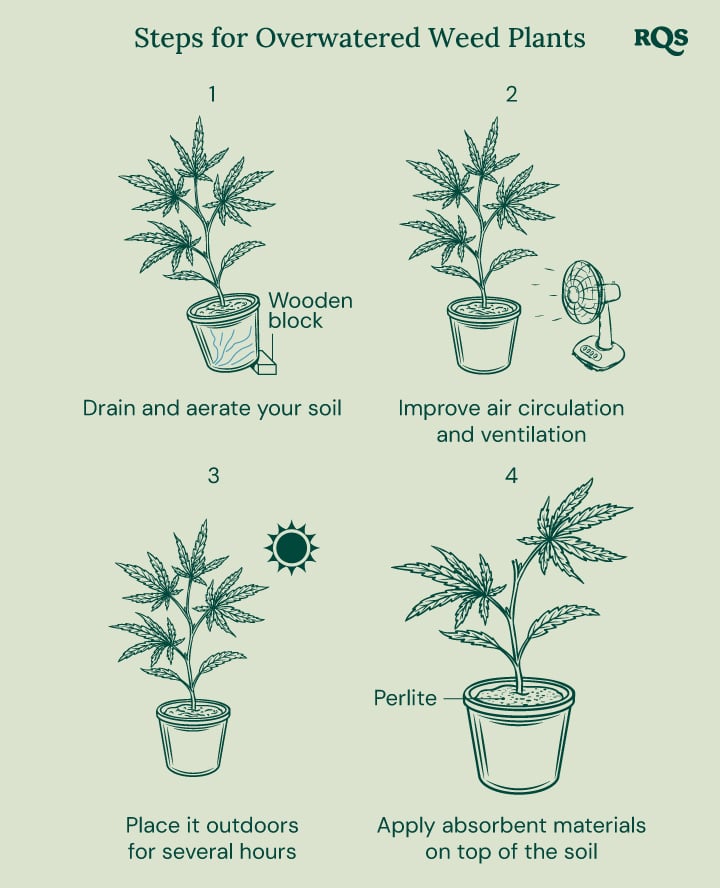
- Stop watering and empty the saucer. Standing water starves roots of oxygen.
- Move to bright, indirect light. More light helps the plant use moisture without burning leaves.
- Increase airflow with a small fan. Gentle air speeds drying and reduces fungus.
- Tilt and drain the pot. Let excess water escape for 15 to 30 minutes.
- Trim dead or yellow leaves. This reduces stress and disease risk.
If the soil is soaked and smells foul:
- Slide the plant out of the pot. Support the root ball with your hand.
- Wrap the root ball in paper towels for 10 to 20 minutes. This wicks extra moisture.
- If you cannot repot today, set the plant back in the pot without the saucer and keep airflow high.
Caution:
- Avoid direct sun during recovery. Stressed leaves can scorch fast.
- Do not fertilize now. Roots must heal first.
- Only consider a mild hydrogen peroxide rinse if rot is early and you cannot repot. Use 3 percent hydrogen peroxide mixed 1 part peroxide to 4 parts water, one time only. It breaks down into water and oxygen, but overuse can harm roots.
These steps give you a head start on how to revive overwatered plants while you plan the repot.

Repotting step-by-step when roots are rotting
If roots are brown, mushy, or smell like sulfur, repotting is the safest fix. This is the most reliable way for how to revive overwatered plants once rot has begun.
What you need:
- Clean shears or pruners and gloves.
- Fresh, high-quality potting mix.
- Perlite or bark for extra air.
- A clean pot with drainage holes.
- Isopropyl alcohol to sanitize tools.
Step-by-step:
- Remove the plant from the pot. Gently tease off wet soil with your fingers.
- Rinse roots in lukewarm water to see what is healthy. Healthy roots are firm and white to tan.
- Prune soft, brown, or translucent roots. Sterilize blades between cuts to avoid spreading disease.
- Wash the old pot with soap and hot water. Rinse well. Residue can hold pathogens.
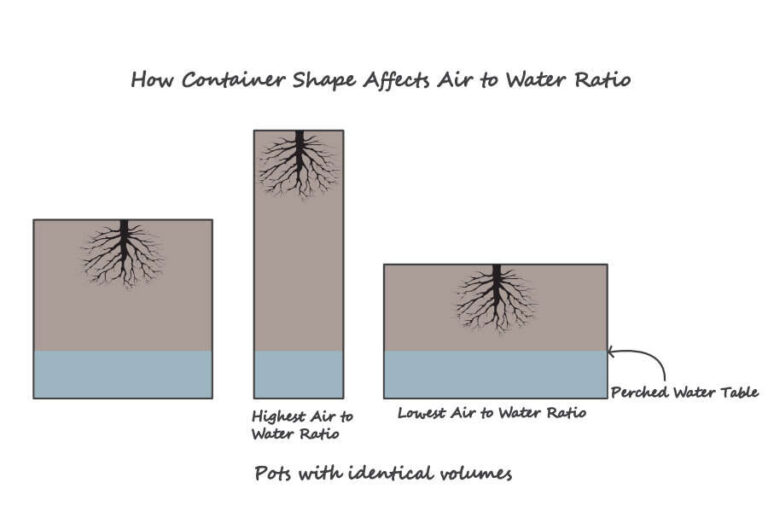
- Choose a pot only 1 to 2 inches wider than the root mass. Oversized pots hold too much water.
- Mix fresh soil. For most houseplants, use 2 parts potting mix, 1 part perlite, 1 part fine bark.
- Repot and center the plant. Backfill, then tap the pot to settle soil. Do not pack it tight.
- Water lightly to seat the mix. Stop when a small amount drains. Then let the top inch dry before the next watering.
If rot was severe and you keep seeing blackened roots, consider a labeled fungicide for root rot and follow the label exactly. After repotting, expect a pause in growth. This is normal in how to revive overwatered plants. Wait 3 to 4 weeks and feed only after you see fresh growth.
Drying strategy: water, light, airflow
Your recovery setup is like a rehab room. It should help the plant dry evenly without shock. This section is key to how to revive overwatered plants and keep them stable.
Set the scene:
- Light bright, indirect light near a window. Avoid harsh midday sun.
- Airflow a gentle fan on low, not pointed right at the leaves.
- Temperature warm and steady, around 65 to 75°F. Avoid cold drafts.
- Humidity moderate, around 40 to 60 percent. Very high humidity slows drying.
Water the right way:
- Check soil before you water. Wait until the top 1 to 2 inches feel dry.
- Water slowly until you see a small drain. Empty the saucer right away.
- If the plant is weak, bottom-water only after the top dries. Then drain excess.
Signs you are on track:
- New leaves look firm.
- Soil dries in a predictable rhythm.
- The plant stands taller within 1 to 2 weeks.
This balanced environment is central to how to revive overwatered plants without trading one stress for another.

Soil and container fixes for the future
Air in the root zone prevents repeat problems. Smart soil and pot choices are your long-term plan for how to revive overwatered plants and keep them healthy.
Mixes I use and trust:
- Most tropical houseplants 2 parts potting mix, 1 part perlite, 1 part fine bark.
- Aroids monstera, philodendron 1 part potting mix, 1 part perlite, 1 part bark.
- Succulents and cacti 1 part cactus mix, 1 part coarse pumice or perlite, 1 part coarse sand.
- Ferns 2 parts peat or coco coir, 1 part perlite, 1 part bark for steady moisture and air.
Container tips that prevent soggy soil:
- Choose a pot with real drainage holes. No holes, no go.
- Terracotta breathes and dries faster than plastic or ceramic.
- Add a pot foot or trivet so the drainage hole is not sealed against the saucer.
- Do not add rocks to the bottom. This raises the water table and can make things worse.
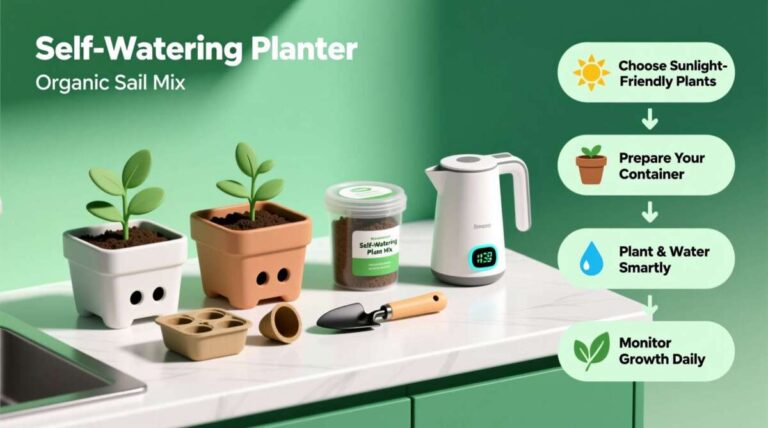
- For self-watering pots, use them only after the plant is established and wicking is set up right.
Good structure under the soil line is the quiet hero of how to revive overwatered plants.

Watering routines that prevent repeat mistakes
You do not need a strict schedule. You need a simple system. This is where many people win or lose at how to revive overwatered plants.
Build your routine:
- Observe first check the soil, lift the pot, look at the leaves.
- Water deeply then pause water until the top inch dries.
- Track light and season plants drink more in bright seasons, less in winter.
- Use the lift test teach your hands the difference between wet and dry weight.
- Use a moisture meter only as a helper. Always confirm with touch.
Practical tricks that work:
- Water in the morning. The plant uses moisture through the day.
- Aim for gentle, even flow. Avoid blasting the soil.
- Let 10 to 20 percent drain out. Then empty the saucer.
- Do not fertilize a stressed plant. Feed only after steady new growth.
Loose rules by plant type:
- Succulents and cacti water every 2 to 4 weeks when soil is bone dry.
- Tropical foliage water when top inch is dry.
- Ferns keep evenly moist, never waterlogged.
- Large floor plants check deeper with a skewer or probe.
This pattern is simple, repeatable, and central to how to revive overwatered plants and keep them thriving.
Special cases and troubleshooting
Every home is different. These quick fixes come from real-world rescue work and will speed up how to revive overwatered plants in tricky setups.
If you have fungus gnats:
- Let the top 1 to 2 inches dry between waterings.
- Use yellow sticky traps to catch adults.
- Use a biological control with Bti on the soil as labeled.
If your plant sits in low light:
- Move it closer to a window or add a small grow light.
- Low light slows drying. More light speeds safe recovery.
If the pot is huge for the plant:
- Downsize at the next repot. Oversized pots hold extra water.
- Until then, water only around the root zone, not the whole pot.
If you cannot repot yet:
- Aerate the top inch with a chopstick. Do not stab deep near roots.
- Increase airflow and warmth. This helps evaporation.
- Hold fertilizer and keep light bright but gentle.
If the crown is mushy or the stem is collapsing:
- Take healthy cuttings right away. Root them in fresh, airy mix.
- Saving a cutting is part of how to revive overwatered plants when the main base is gone.
If outdoor soil stays wet:
- Improve drainage with compost and coarse material.
- Raise beds or adjust irrigation timing.
- Ensure downspouts do not flood the root zone.
These small steps can make a big difference in how to revive overwatered plants when conditions are not ideal.
Frequently Asked Questions of how to revive overwatered plants
How long does it take to see recovery?
Most plants perk up in 7 to 14 days after proper drying and repotting. Full recovery from root rot can take 4 to 8 weeks.
Should I remove all yellow leaves?
Remove leaves that are fully yellow or mushy. Leave partially green leaves if they still feel firm, as they can still help the plant recover.
Can hydrogen peroxide save a rotting plant?
It can help in early stages by adding oxygen, but it is not a cure. Use a one-time diluted rinse and focus on repotting and airflow.
How do I know if roots are too far gone?
If most roots are brown, mushy, and hollow, the plant may not recover. Try pruning to healthy tissue and take cuttings as a backup.
Will more sun fix overwatering?
Strong sun can make stress worse. Use bright, indirect light and airflow instead to dry soil without burning leaves.
Is it safe to use a moisture meter?
Yes, as a helper. Always confirm with the finger test and pot weight to avoid false readings.
How often should I water after repotting?
Wait until the top inch dries, then water deeply and drain. Timing varies with plant type, pot size, and light.
Conclusion
Overwatering is common, but it is fixable. Stop the excess water, add air to the roots, and repot if needed. With steady light, airflow, and a simple watering routine, you can turn a soggy mess into steady growth. This is the core of how to revive overwatered plants and keep them happy for the long run.
Start with one rescue today. Check your wettest plant, follow the steps, and watch for new growth. Want more plant fixes and care tips? Subscribe for updates or drop a question in the comments so we can help your specific plant.

Laura Bennett is a gardening writer at MyGardenLabs who creates beginner-friendly guides focused on solving common plant care and gardening problems.