How To Start Container Gardening For Beginners: Quick Guide
Start small with sun, good pots, quality mix, and regular watering.
You want results fast, not guesswork. I’ve helped many new growers turn tiny patios into lush spots that feed the family and soothe the mind. This guide shows how to start container gardening for beginners in simple steps you can act on today. Expect clear choices, science-backed tips, and the small tweaks that turn pots into productive mini-gardens.

Why container gardening works
Containers give you control. You choose the light, the soil, and the water. That control cuts risk and helps you learn faster. If you want to know how to start container gardening for beginners, this is the safest way to grow fresh food or flowers without a yard.
I began on a windy balcony with two pots and a watering can. The wins came from small moves: a better mix, a bigger pot, and a simple schedule. You can do the same.
Plan your container garden
Set a goal before you buy a single pot. This is the first move in how to start container gardening for beginners. You want fast wins and fewer choices.
Try this simple plan:
- Pick a sunny spot with 6 to 8 hours of light each day.
- Start with three containers: one herb, one leafy green, one compact fruit or flower.
- Choose plants that fit your light and climate.
- Set a watering routine that you can keep.
Use a tape measure. Measure your space and note wind and heat. Balconies and patios can get hot and dry. Shade cloth or a light-colored pot can help.

Choose the right containers
Container size matters more than style. Roots need room and air. Drainage holes are a must.
Use this guide:
- Herbs and lettuce: 1 to 3 gallons per plant.
- Peppers and dwarf tomatoes: 5 to 10 gallons.
- Bush tomatoes or small citrus: 10 to 20 gallons.
Good choices:
- Food-grade plastic: light, cheap, holds moisture.
- Fabric grow bags: great drainage and root health.
- Glazed ceramic: stable and pretty, but heavy.
Avoid pots without drainage holes. If you must use one, drill holes or add an inner nursery pot. How to start container gardening for beginners often starts with this simple upgrade: bigger pot, better results.
Potting mix fundamentals
Use a quality potting mix, not garden soil. Garden soil compacts in containers and can hold pests. Potting mix stays airy and drains well.
A good mix has:
- Peat or coco coir for moisture.
- Perlite or pumice for air.
- Compost or slow-release food for nutrients.
Pro tip from my tests:
- For hot, dry spots, add extra coco coir for moisture.
- For very wet spots, add more perlite.
This step is huge in how to start container gardening for beginners. Better mix equals fewer problems. Water so it drains from the bottom, then let the top inch dry before the next drink.
:max_bytes(150000):strip_icc()/before-you-make-your-first-container-garden-847850-hero-0b4acc62b0e447b5a0200ae7bb9e67a2.jpg)
Pick beginner-friendly plants
You want fast, forgiving plants. They keep you motivated and teach key skills.
Great starters:
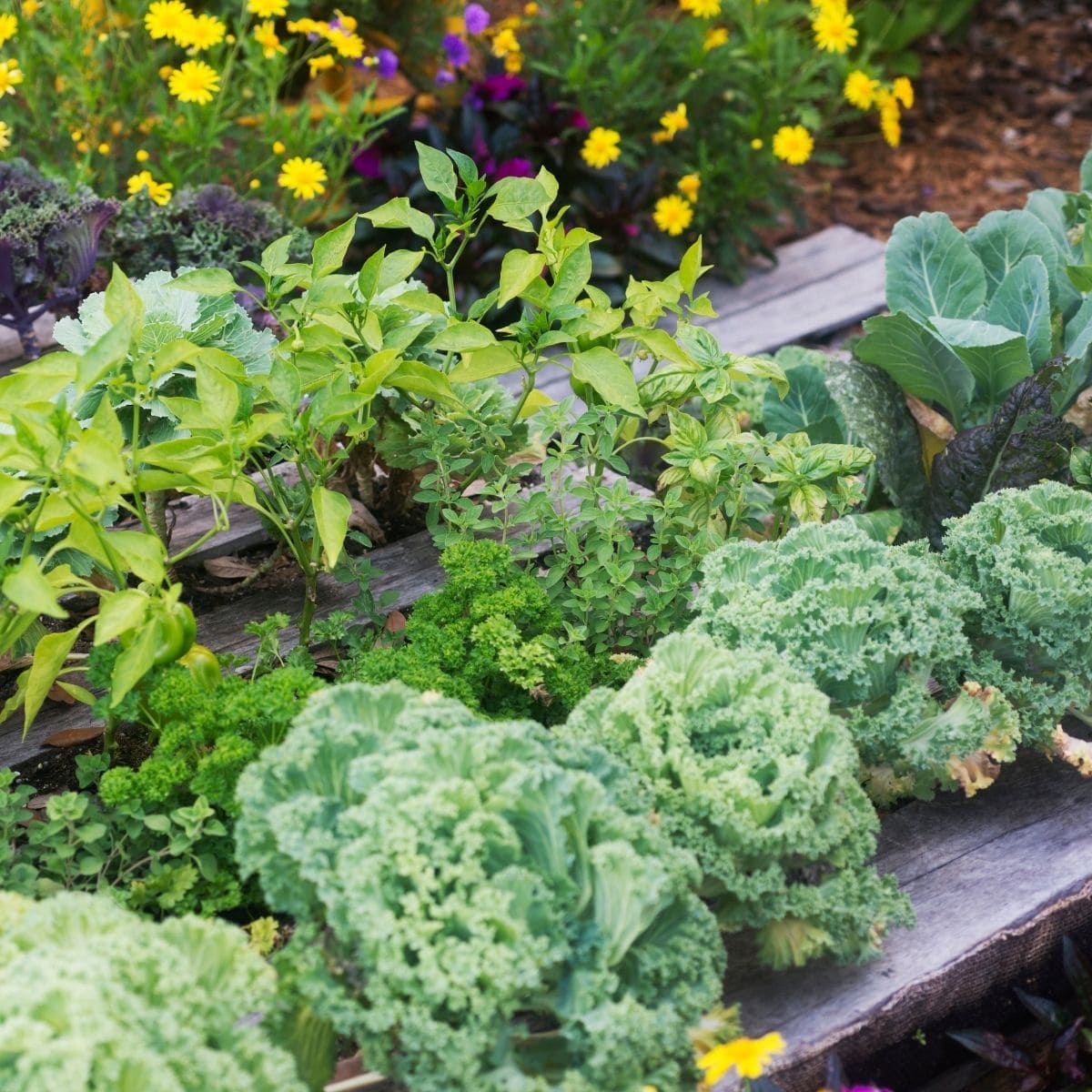
- Herbs: basil, mint, chives, parsley, thyme.
- Greens: spinach, lettuce, arugula, kale.
- Fruit and veg: cherry tomatoes, bush beans, peppers, cucumbers on a trellis.
- Flowers: marigold, nasturtium, calendula, pansies.
Match plant to pot and light. Herbs and greens fit small spaces and quick harvests. Tomatoes and peppers need more sun and bigger pots. How to start container gardening for beginners gets easier when plant choices are simple.

Plant your container step by step
Follow this flow the first time. I use it for client installs and classes.
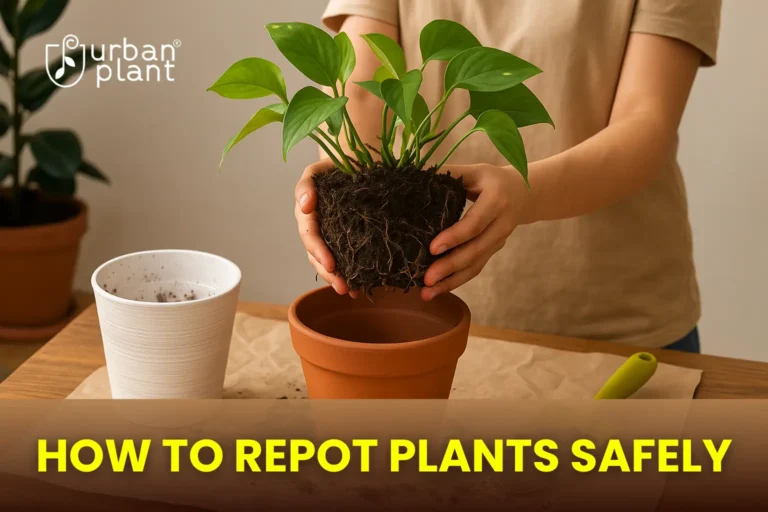
- Clean the pot and check drainage holes.
- Add a mesh or coffee filter over holes to keep mix in.
- Fill two-thirds with moistened potting mix.
- Mix in slow-release fertilizer as the label says.
- Set the plant at the same depth as its nursery pot.
- Backfill, press gently, and leave a small rim for watering.
- Water until it flows from the bottom.
- Place in bright light and out of harsh wind for two days.
- Add a simple stake or trellis if needed.
- Mulch with straw or bark to hold moisture.
This template is the backbone of how to start container gardening for beginners. Keep it handy for each new pot.
Water, feed, and light made simple
Most container issues come from water and light. Containers dry faster than ground beds. Set a habit and you will be fine.
Do this:
- Check soil with a finger. Water when the top inch is dry.
- Water in the morning. Aim at the soil, not the leaves.
- Feed light and steady. Use slow-release granules every 2 to 3 months.
- Boost with a balanced liquid feed every 2 to 4 weeks in peak growth.
- Track sun. Most fruiting plants need 6 to 8 hours. Greens can take less.
If you work long hours, use a drip kit with a timer. If your space is dim, try a small LED grow light. How to start container gardening for beginners stays easy when water and light are on a schedule.

Seasonal care and troubleshooting
Plants change with the season. Your care should too. Watch the weather and adjust.
Key moves:
- Heat waves: add shade cloth at midday and water more often.
- Cold snaps: move pots indoors or wrap with frost cloth.
- Wind: cluster pots to shield each other.
- Pests: check leaves weekly, rinse with water, and use neem or insecticidal soap if needed.
- Disease: space plants, prune for airflow, and water the soil, not the leaves.
Use a simple log. Note what works and what fails. This habit levels up how to start container gardening for beginners faster than any tip list.
Budget and space tips
You can start for less than the price of takeout. Spend on the mix and skip flashy gear.
Smart saves:
- Reuse food-grade buckets. Drill drainage holes.
- Buy soil in bulk when possible.
- Swap seeds and cuttings with friends.
- Choose compact or dwarf plant types.
Go vertical:
- Use rail planters, wall pockets, and trellises.
- Stack pots to make the most of corners.
How to start container gardening for beginners does not require a big budget. It needs good choices and care.
Mistakes beginners should avoid
Learn these fast and you will see better growth in weeks.
Watch out for:
- Tiny pots for big plants.
- Garden soil in containers.
- No drainage holes.
- Irregular watering.
- Too little sun for fruiting crops.
- Skipping fertilizer for months.
Each fix is simple and cheap. These are the classic roadblocks in how to start container gardening for beginners and they have simple answers.
Frequently Asked Questions of how to start container gardening for beginners
How much sun do my containers need?
Most fruiting plants need 6 to 8 hours of direct sun. Herbs and greens can do well with 4 to 6 hours.
How often should I water?
Water when the top inch feels dry. In heat or wind, you may water daily; in cool weather, every few days.
Do I need fertilizer if my mix has compost?
Yes, containers need steady nutrients. Use slow-release granules and add a light liquid feed during active growth.
Can I grow tomatoes in a small pot?
Yes, choose dwarf or patio types in 5 to 10 gallons. Give strong light, steady water, and a stake or cage.
What is the best soil for containers?
Use a high-quality potting mix with coco or peat and perlite. Avoid garden soil because it compacts and can bring pests.
Conclusion
You now have a clear, simple path from empty pot to fresh harvest. Start with the right container, a quality mix, a few easy plants, and a steady routine. Small wins build fast, and your skills will grow with every watering can and harvest.
Try one pot this week and follow the steps. Share your progress, ask questions, and subscribe for more beginner-friendly guides. Your first mini-garden is only a container away.

Laura Bennett is a gardening writer at MyGardenLabs who creates beginner-friendly guides focused on solving common plant care and gardening problems.