How To Start Gardening For Beginners At Home: Easy Guide
Begin at home by starting small: sunlight check, quality soil, easy plants.
You want to grow food and flowers that actually live. I get it. I’ve helped many first-timers learn how to start gardening for beginners at home, from tiny balconies to shady patios. In this guide, I’ll show you the exact steps I use, the mistakes I made, and the smart shortcuts that work. If you’re ready to learn how to start gardening for beginners at home the right way, keep reading.

Set your goal and space
Start with a simple goal. Decide if you want herbs, salad greens, flowers, or a few tomatoes. Clear goals guide every choice you make.
Match your goal to your space. A sunny balcony can grow tomatoes in containers. A bright kitchen window is great for herbs. A shaded yard still works for leafy greens and ferns.
Keep your first garden small. You can always expand. The best tip for how to start gardening for beginners at home is to avoid overwhelm. A few healthy plants beat a crowded, stressed garden.
- Choose 1 to 3 plant types to start
- Pick a single spot: balcony, patio, window, or yard corner
- Aim for success, not size, in your first month
You now have a clear start. This plan is the base for how to start gardening for beginners at home.

Source: givemetrees.org
Understand light, climate, and seasons
Plants live on light. Most vegetables need 6 to 8 hours of direct sun. Herbs and greens do fine with 4 to 6 hours. Check how much sun your space gets.
Note your climate zone and last frost date. This tells you when to plant. Warm-season crops like tomatoes need frost-free nights. Cool-season crops like lettuce enjoy spring and fall.
Track your sun for three days. Look at morning, noon, and late day. If you are learning how to start gardening for beginners at home, this simple habit saves time and money.
- Full sun: 6 to 8 hours
- Partial sun: 4 to 6 hours
- Shade: under 4 hours
Source: gardenary.com
Choose beginner-friendly plants
Pick plants that forgive mistakes. Fast growers boost confidence. Start with herbs and greens. Add a compact fruiting plant if you have strong sun.
Great starters for how to start gardening for beginners at home:
- Basil, mint, chives, parsley
- Lettuce, arugula, spinach
- Radishes, green onions
- Cherry tomatoes, peppers (compact), bush beans
- Marigolds, zinnias, nasturtiums (flowers that help pollinators)
Buy healthy seedlings for your first round if you can. Seeds are cheaper, but seedlings give you a head start. I still buy a few basil plants each spring to jump-start flavor.
:strip_icc()/garden-path-leading-underneath-trellis-roses-ccab4820-bf659328e5044d0ba639f1c48c3ab66a.jpg)
Source: bhg.com
Pick containers, soil, and tools
You do not need fancy gear to master how to start gardening for beginners at home. Good containers and great soil matter most.
Use containers with drainage holes. Size matters. Roots need room to breathe and drink.
- Herbs and greens: 6 to 8 inch deep pots
- Peppers and bush tomatoes: 3 to 5 gallon pots
- Tomatoes (indeterminate): 10+ gallon pots or big grow bags
- Fabric grow bags: light, forgiving, and affordable
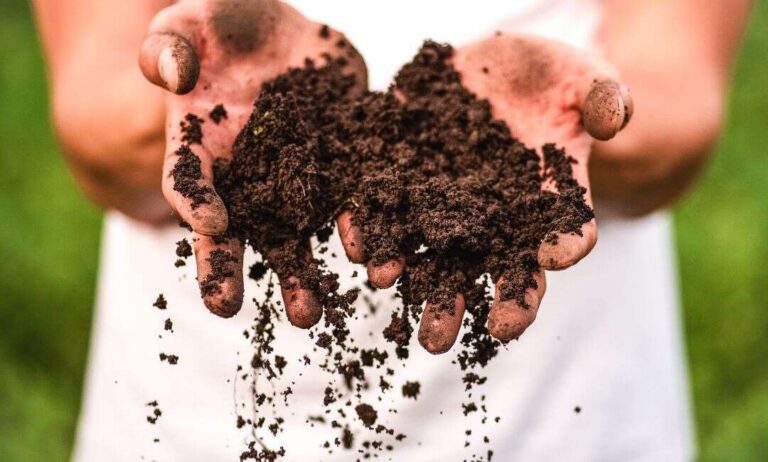
Always use high-quality potting mix for containers. Garden soil compacts and suffocates roots. Choose a mix with peat or coco coir, perlite, and compost. Your plants will thank you.
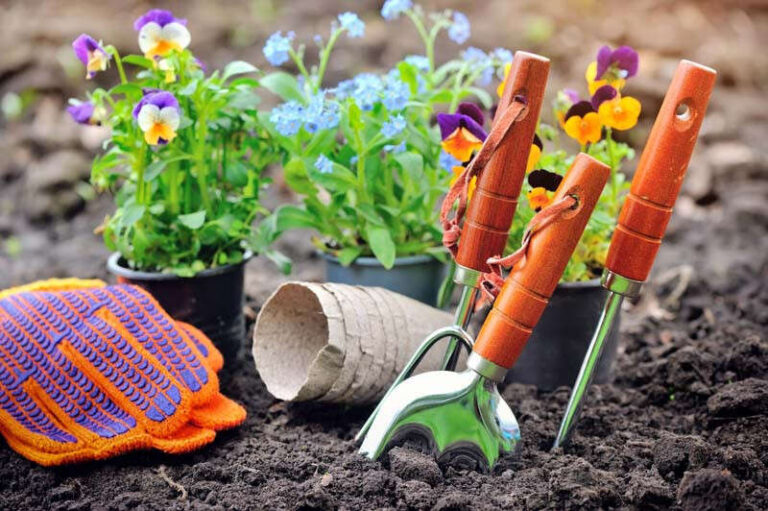
Keep tools simple:
- Hand trowel and pruners
- Watering can or a gentle spray nozzle
- Gloves and a small rake
- A moisture meter if you tend to overwater

Source: youtube.com
Watering made simple
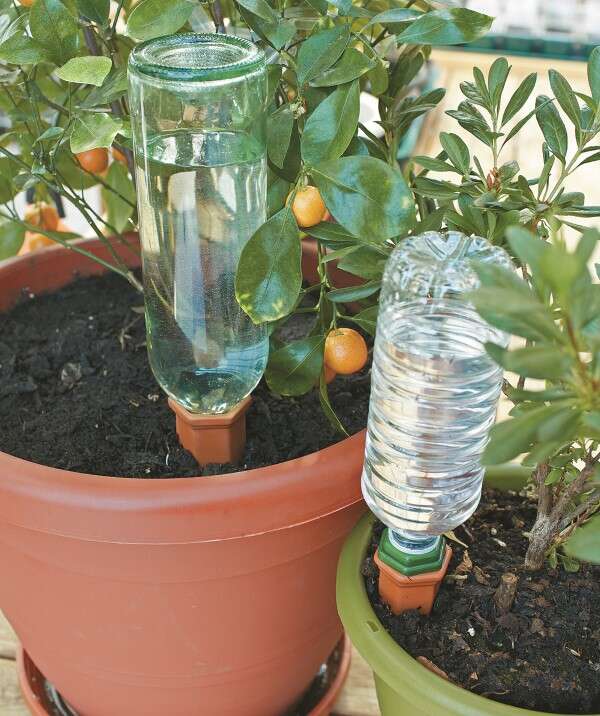
Water is where most beginners slip. Roots want steady moisture, not a flood. Stick your finger an inch into the soil. If it feels dry, water. If it’s cool and damp, wait.
Water in the morning when possible. Leaves dry faster, which helps avoid disease. In heat, you may water daily. In cool weather, every few days can work.
For how to start gardening for beginners at home, learn the container rule: smaller pots dry faster. Deep, slow watering is better than quick sprinkles.
- Aim for even moisture, like a wrung-out sponge
- Use saucers to catch extra water but empty them after 15 minutes
- Consider mulch to reduce evaporation

Source: growinginthegarden.com
Feeding and soil health
Plants eat too. A balanced fertilizer helps, but go light. More is not better. Overfeeding burns roots.
For containers, mix a slow-release fertilizer into the potting mix at planting. Then supplement every 2 to 4 weeks with a gentle liquid feed. Most edibles like a slightly acidic to neutral pH, around 6.0 to 7.0.
A quick soil-health rule for how to start gardening for beginners at home: feed the soil, not just the plant. Compost and worm castings add life and structure. Healthy soil holds water better and resists stress.
- Slow-release at planting
- Gentle liquid feed every few weeks
- Add a handful of compost monthly

Source: amazon.com
Plant the right way: step-by-step
Planting day is easy when you follow a short list. Here is the approach I use with new growers.
- Pre-moisten the potting mix until it feels like a wrung-out sponge.
- Fill your pot, leaving an inch of space at the top.
- Gently loosen the seedling roots if they are tight.
- Set the plant at the same depth as the nursery pot.
- Backfill, firm the soil lightly, and water well.
- Add a label with the plant name and date.
- Place the container where the light matches the plant’s needs.
This simple method works for how to start gardening for beginners at home in any space.
Keep pests and diseases in check
A little prevention saves your harvest. Check plants every few days. Look under leaves. Catch trouble early.
Use the least toxic fix first. A strong water spray knocks off aphids. Pick off caterpillars by hand. Neem oil or insecticidal soap helps if needed.
Clean habits are key for how to start gardening for beginners at home:
- Do not overwater
- Give plants space for airflow
- Remove dead leaves and spent blooms
- Rotate what you grow in each pot when possible
A simple weekly and seasonal routine
Routines make care easy and fast. Spend 10 minutes a day, if you can. Short, regular checks beat weekend marathons.
Weekly checklist:
- Check soil moisture and water as needed
- Pinch herbs to keep them bushy
- Harvest greens often to trigger new growth
- Look for pests and remove them early
- Wipe tools and tidy containers
Seasonal tips for how to start gardening for beginners at home:
- Spring: start greens and herbs; protect from late frost
- Summer: water deep; mulch; harvest often
- Fall: switch to cool-season crops; sow radishes and spinach
- Winter: grow herbs indoors; plan next season
Budget and sustainability tips
You can start for less than the cost of a night out. Spend on soil first. Then buy a few sturdy containers.
Smart ways to save:
- Reuse clean food-safe buckets by drilling drainage holes
- Share seed packs with friends
- Propagate herbs like mint and basil from cuttings
- Make simple compost with kitchen scraps if you have space
A greener way to handle how to start gardening for beginners at home:
- Collect rainwater in a clean bin
- Use mulch to save water
- Choose native flowers to support pollinators
Common beginner mistakes to avoid
I have made them all. You do not have to.
- Overwatering: soggy soil suffocates roots; check moisture first
- Too many plants: crowding spreads disease and lowers yields
- Wrong light: tomatoes in shade will not fruit well
- Poor soil: cheap, heavy soil stalls growth
- Skipping harvests: greens get bitter and bolt if left too long
Keep these in mind as you work on how to start gardening for beginners at home. Small fixes bring big wins.
Two starter garden plans
Plan A: Sunny balcony container trio
- One 10-gallon grow bag with a cherry tomato and a small trellis
- One 5-gallon pot with a compact pepper
- One 12-inch pot with basil and parsley around the edge
Plan B: Bright window herb box
- A 24-inch window box with basil, chives, and mint (keep mint in its own pot if it spreads)
- A small tray to catch drips
- Rotate the box weekly for even growth
Both plans match how to start gardening for beginners at home with low risk and quick harvests.
Frequently Asked Questions of how to start gardening for beginners at home
How much sun do I need for a home garden?
Most vegetables need 6 to 8 hours of direct sun. Herbs and leafy greens can grow well with 4 to 6 hours.
What is the best soil for containers?
Use a high-quality potting mix, not garden soil. Look for ingredients like coco coir or peat, perlite, and compost.
How often should I water my plants?
Water when the top inch of soil is dry. In hot weather, that may be daily; in cool weather, every few days is enough.
Can I start from seeds or should I buy seedlings?
Beginners can do both, but seedlings are faster and more forgiving. Start seeds for greens and radishes; buy seedlings for tomatoes and peppers.
How do I stop bugs without harsh chemicals?
Start with prevention and hand removal. If needed, use insecticidal soap or neem oil and follow the label.
What should I plant first if I have very little space?
Grow herbs like basil, chives, and mint, and quick greens like lettuce. They need small pots and give fast rewards.
How do I know my plant needs fertilizer?
Slow growth and pale leaves can signal hunger. Feed lightly every few weeks with a gentle liquid fertilizer.
Conclusion
You are ready to grow. Start small, match plants to your light, use good soil, and water with care. This simple path is the heart of how to start gardening for beginners at home. You will make mistakes, and that is fine. Plants are forgiving when you keep things simple.
Pick one plan today. Set up your containers and plant three easy crops. In a few weeks, you will taste the difference. Want more tips on how to start gardening for beginners at home? Subscribe for weekly guides, ask questions in the comments, and share your first harvest photo.

Laura Bennett is a gardening writer at MyGardenLabs who creates beginner-friendly guides focused on solving common plant care and gardening problems.