How To Water Plants Correctly For Beginners: Easy Guide
Water the root zone deeply, then wait until the top soil dries before you water again.
Most watering problems are simple to fix once you know what plants are telling you. In this guide, I’ll show you how to water plants correctly for beginners with clear steps, real examples, and the simple tools I use at home and in clients’ gardens. You’ll learn why timing, depth, and drainage matter, and how to build a stress-free routine that keeps plants thriving.
The science behind watering made simple
Water fuels growth, moves nutrients, and cools leaves. Roots breathe too, so soil must have both water and air. When soil stays soggy, roots suffocate and rot. When it gets bone dry, roots starve and burn.
Watch for signs:
- Underwatered: dry, crumbly soil; wilt that improves after watering; slow growth.
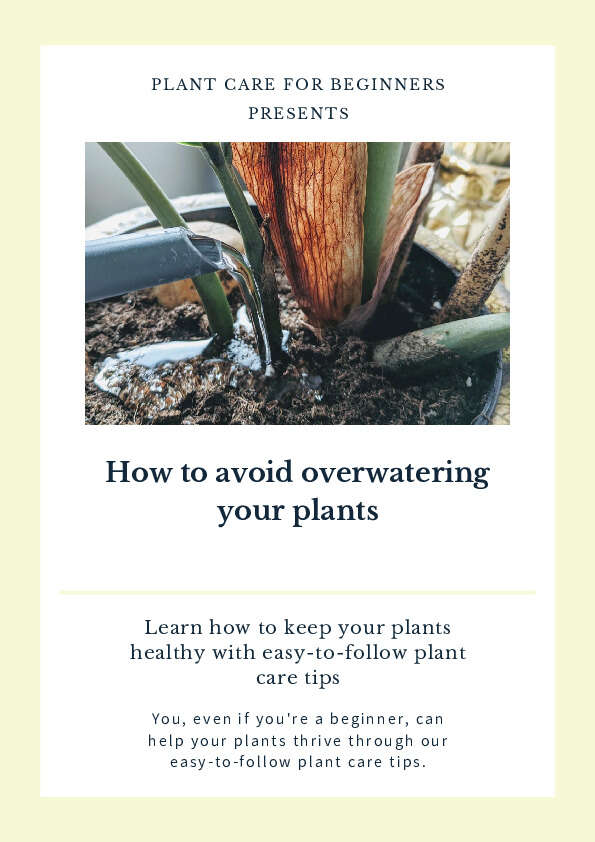
- Overwatered: constant limp leaves; yellowing; fungus gnats; soil smells sour; pot feels heavy.
Research from horticulture programs shows most houseplant deaths come from chronic overwatering. Fixing your rhythm prevents 90% of issues.

How to water plants correctly for beginners: the core method
The heart of how to water plants correctly for beginners is simple: water well, then wait. You want a full soak that reaches the root zone, followed by a dry-down that lets roots breathe. Repeat that cycle.
Step-by-step method:
- Check the soil. Press a finger 1–2 inches deep. If it feels dry, it’s time to water.
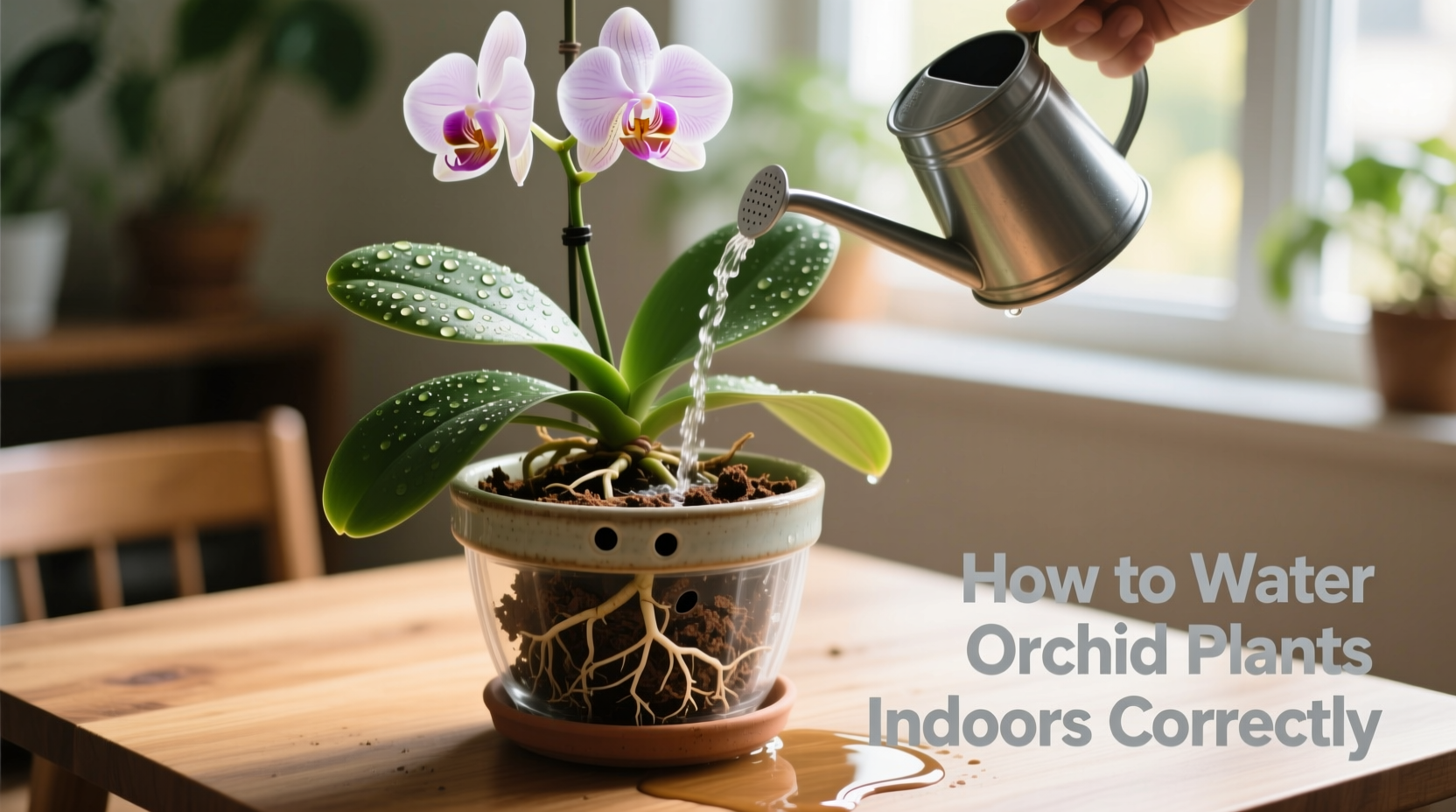
- Prep the pot. Ensure the drainage hole is clear. Empty the saucer.
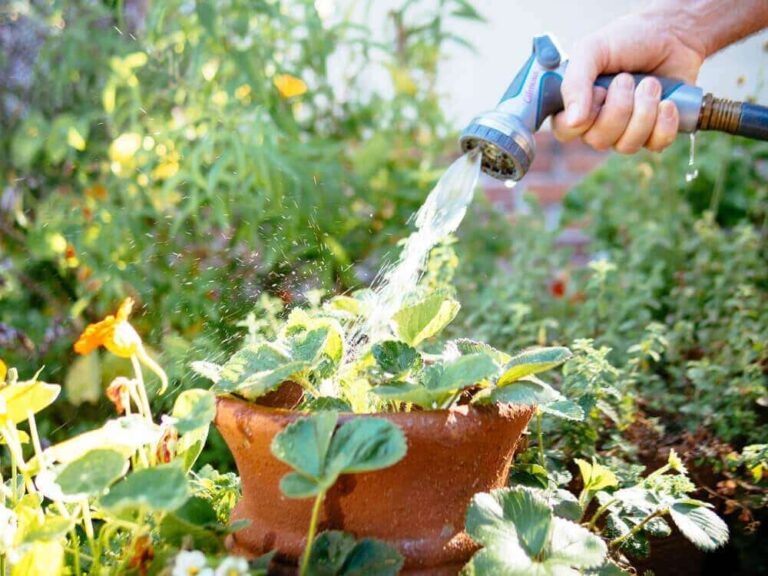
- Water slowly. Pour until water runs from the drainage hole. Pause, then water once more.
- Let it drain. Never leave pots standing in water for more than 10 minutes.
- Log the date. Note how long it took to dry again. That becomes your rhythm.
Pro tip I use: for big pots, water in two rounds. The first round wets the soil. The second round pushes moisture deeper for full coverage.
Indoor vs. outdoor: what changes and what stays the same
How to water plants correctly for beginners does not look the same indoors and outdoors. Indoors, soil dries slower. Light is softer. Air is stable. Outdoors, wind, sun, and heat pull water fast.
Key differences:
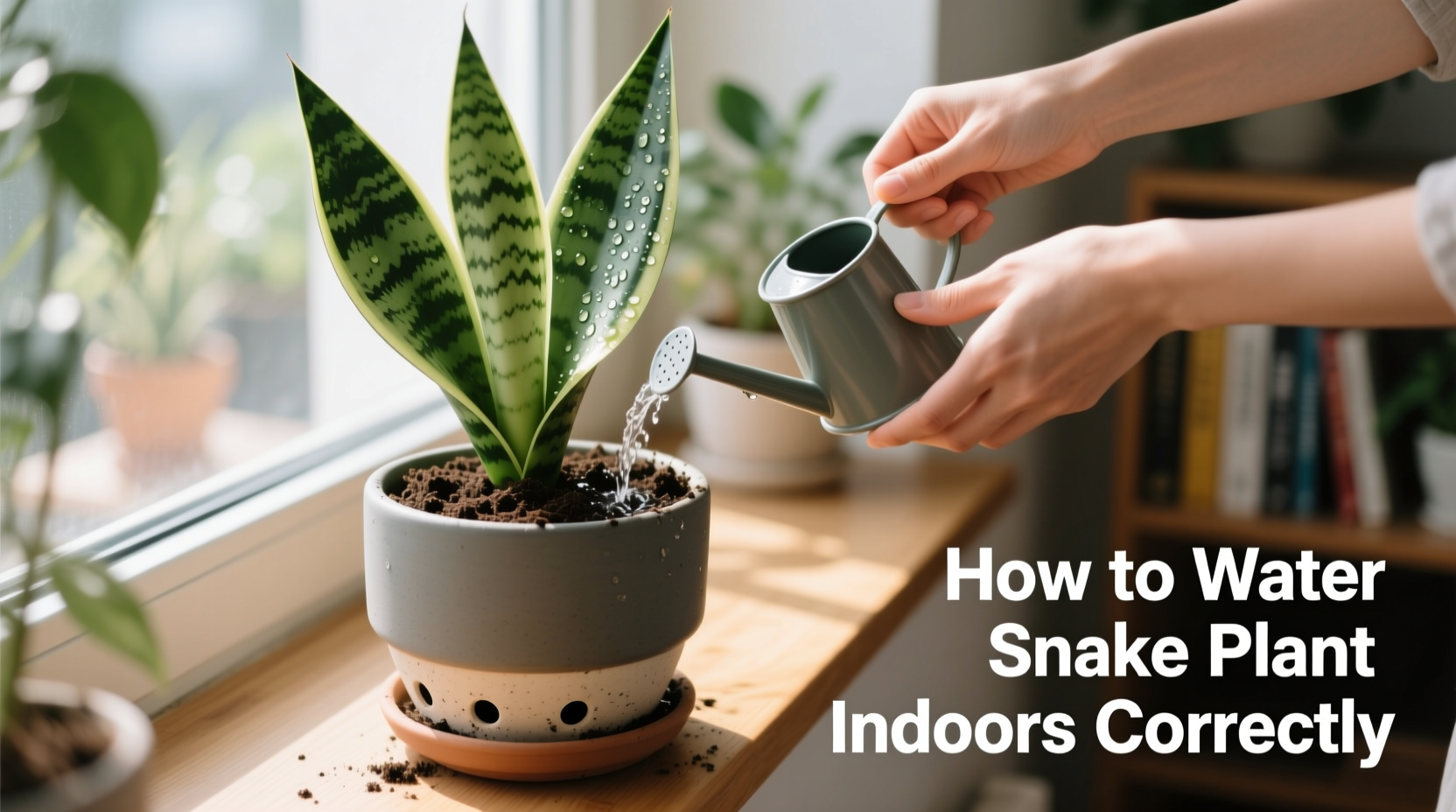
- Indoors: use finger test and pot weight. Aim for deep watering every 7–14 days for most tropicals.
- Outdoors: check daily in hot weather. Containers may need water once or twice a day in summer.
- Ground beds: water less often but much deeper. Aim for 6–8 inches down.
A drip line or soaker hose outside keeps soil even and saves time. It also prevents leaf diseases from overhead splashing.
Tools and techniques that make watering easy
You can master how to water plants correctly for beginners with a few simple tools. I use these in my own home and yard.
Helpful tools:
- Moisture meter: a basic model helps you learn each plant’s rhythm.
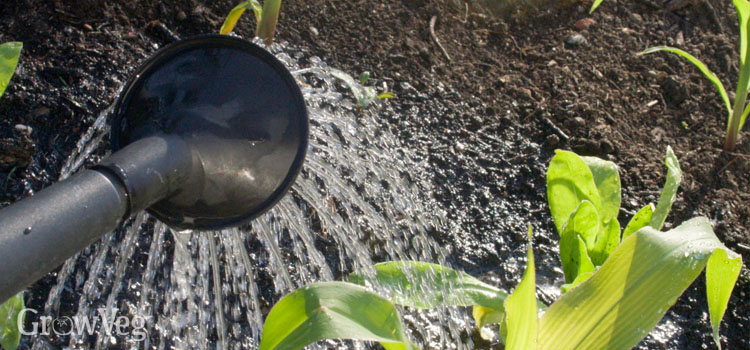
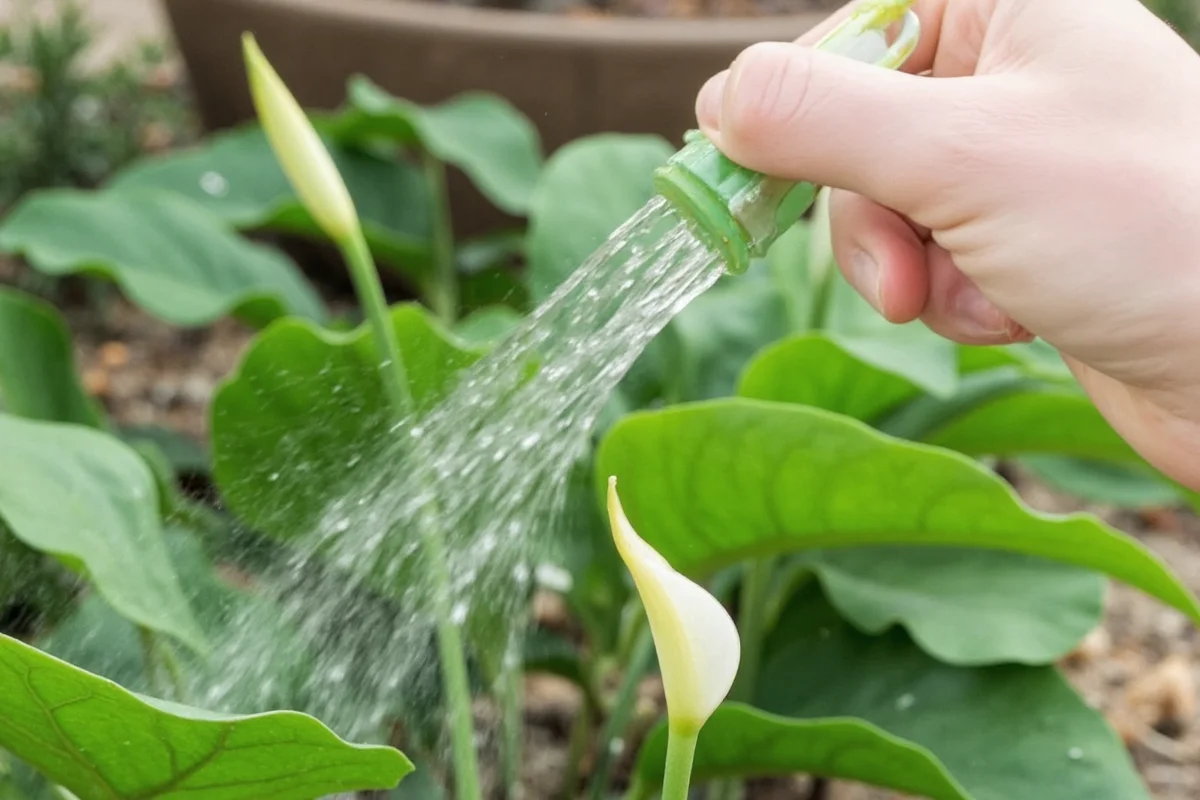
- Watering can with a narrow spout: better aim at the soil, not the leaves.
- Bottom-watering tray: great for African violets, peperomia, and seedlings.
- Drip system or soaker hose: set-and-forget for beds and large container groups.
- Mulch: wood chips or cocoa hulls outside reduce evaporation and keep roots cool.
Techniques to try:
- Bottom watering for small pots: let them sit in a tray for 15–30 minutes, then drain.
- Pulse watering for large pots: water, pause, water again for deeper soak.
- Grouping plants by need: high-thirst plants together so you can water them more often.
Common mistakes and how to fix them
Even with a guide on how to water plants correctly for beginners, mistakes happen. I’ve made them too. Here’s how to spot and fix them fast.
Mistakes to avoid:
- Watering on a fixed day only: plants need water based on dryness, not the calendar.
- Splashing leaves at night: leaves stay wet longer and invite fungus.
- Ignoring drainage: no hole means drowned roots. Drill holes or repot.
- Using huge pots for tiny plants: soil stays wet too long. Size up slowly.
Quick fixes:
- If you overwatered: tilt the pot, drain the saucer, move to bright, indirect light, and wait. Consider repotting into fresh, airy mix if it smells sour.
- If you underwatered: give a slow soak. If soil pulls from the pot edge, bottom-water to rehydrate fully.
Seasonal and climate tips
Climate shifts how to water plants correctly for beginners in big ways. Heat, light, and humidity change water needs month to month.
Simple rules:
- Summer: water more often. Wind and heat pull moisture fast.
- Winter: water less. Growth slows. Give more time between deep waterings.
- Dry climates: add humidity trays, group plants, or use a small humidifier.
- Humid climates: use looser soil and increase airflow to avoid fungus.
A trick I use outdoors: push a screwdriver into the soil. If it goes down easy and comes out damp, you can wait. If it’s hard and dusty, water now.

Water quality, timing, and drainage
Good water, good timing, and drainage are pillars in how to water plants correctly for beginners.
Water quality:
- Most tap water is fine. Let it sit 24 hours if chlorine is high.
- If you see leaf tips burn on sensitive plants, try filtered water.
- Rainwater is gold for acid-loving plants like ferns and calatheas.
Timing:
- Water in the morning. Roots drink while leaves dry through the day.
- Avoid late evening watering outdoors, which invites disease.
Drainage and soil:
- Use a potting mix suited to the plant: cactus mix for succulents; peat-free airy mix for tropicals.
- Add perlite or bark for more air. Roots love it.

Simple schedules and logs to build your routine
To lock in how to water plants correctly for beginners, track what works. A tiny log builds skill fast.
How to set a schedule:
- Start with the finger test twice a week.
- Write down dates you water each plant.
- Note how long it takes to dry again.
- Adjust. If leaves droop before your next date, shorten the gap. If soil is still wet, extend it.
Real example from my notebook: my pothos in medium light dries in 9–10 days in spring, 14–16 in winter. That one note saves guesswork all year.
Frequently Asked Questions of how to water plants correctly for beginners
How often should I water most houseplants?
Most houseplants like a full soak when the top inch or two feels dry. This is often every 7–14 days, but light, pot size, and season change the timing.
Is tap water safe for my plants?
Yes, most plants do well with tap water. If your tap water is very hard or chlorinated, let it sit 24 hours or use filtered water.
Should I mist my plants?
Misting gives short-term humidity, but it fades fast. Use a humidity tray or a small humidifier for a steadier boost.
How do I water succulents and cacti?
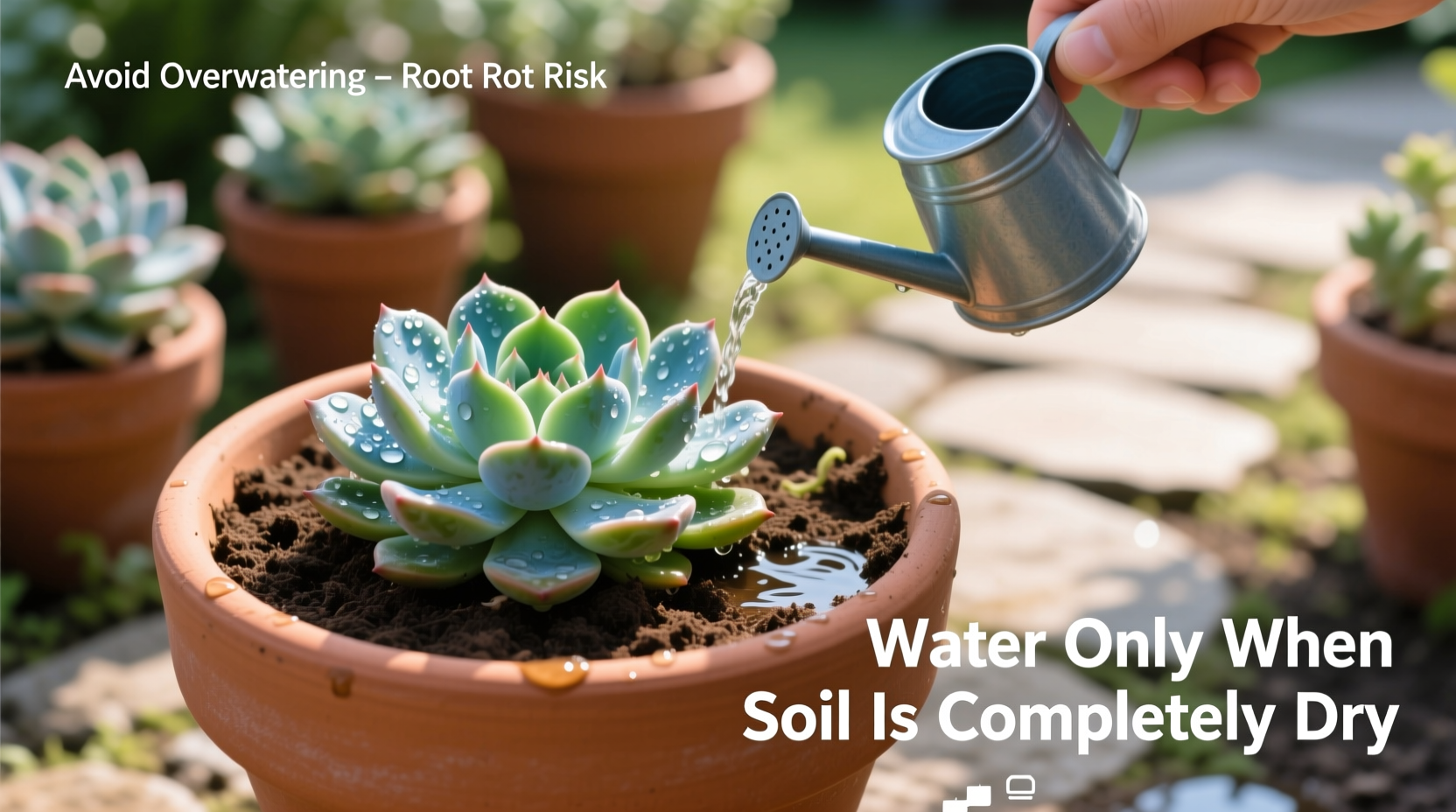
Water only when the soil is fully dry, then soak deeply. Use a very fast-draining cactus mix and a pot with a hole.
What’s the best way to avoid overwatering?
Use the finger test, check pot weight, and track your dates. Always ensure great drainage and empty the saucer after 10 minutes.
Conclusion
You now know the core rhythm: soak the roots, then wait for a healthy dry-down. Match water to light, season, pot size, and soil, and you’ll read your plants like a pro. Small habits like a finger test, a simple log, and clean drainage prevent most problems.
Start today with three plants. Test the soil, water only the dry ones, and write down the date. Want more plant care tips and quick checklists? Subscribe, share your wins in the comments, and tell me which plant you’d like help with next.

Laura Bennett is a gardening writer at MyGardenLabs who creates beginner-friendly guides focused on solving common plant care and gardening problems.