How To Make Soil Drain Better For Plants: Proven Tips 2026
Add compost, loosen soil, use coarse amendments, and redirect excess water.
You want strong roots and fewer soggy spots. I’ve spent years fixing heavy clay, sad pots, and waterlogged beds. In this guide, I show you how to make soil drain better for plants with simple tests, sound science, and field-proven fixes. Follow along, and you will see faster growth, fewer diseases, and happier plants.

Why drainage matters for plant health
Good drainage keeps roots breathing. When soil stays wet, roots suffocate. Microbes shift to low oxygen modes. That leads to rot and weak plants.
Well drained soil holds water yet lets extra pass. Roots explore deeper. Nutrients move to them. Growth speeds up.
If you want how to make soil drain better for plants, start here. Aim for moisture, not mud. That one target changes everything.

How to test your soil drainage at home
Start with a simple percolation test. It takes a day.
- Dig a hole 12 inches deep and 6 inches wide.
- Fill with water and let it drain.
- Fill again. Measure drop per hour.
Two inches per hour is good. Less than one inch is slow. That means you need to improve structure.
Try the squeeze test. Moisten a handful. Squeeze it hard. Open your palm. If it falls apart, it is sandy. If it holds a ribbon, it is clay. Clay needs more organic matter and air.
Watch your site after rain. Puddles after 24 hours point to compaction or poor grading. That is a red flag when asking how to make soil drain better for plants.

Quick wins for containers and houseplants
Pots should never sit in water. Make sure each one has clear holes. Empty saucers after watering.
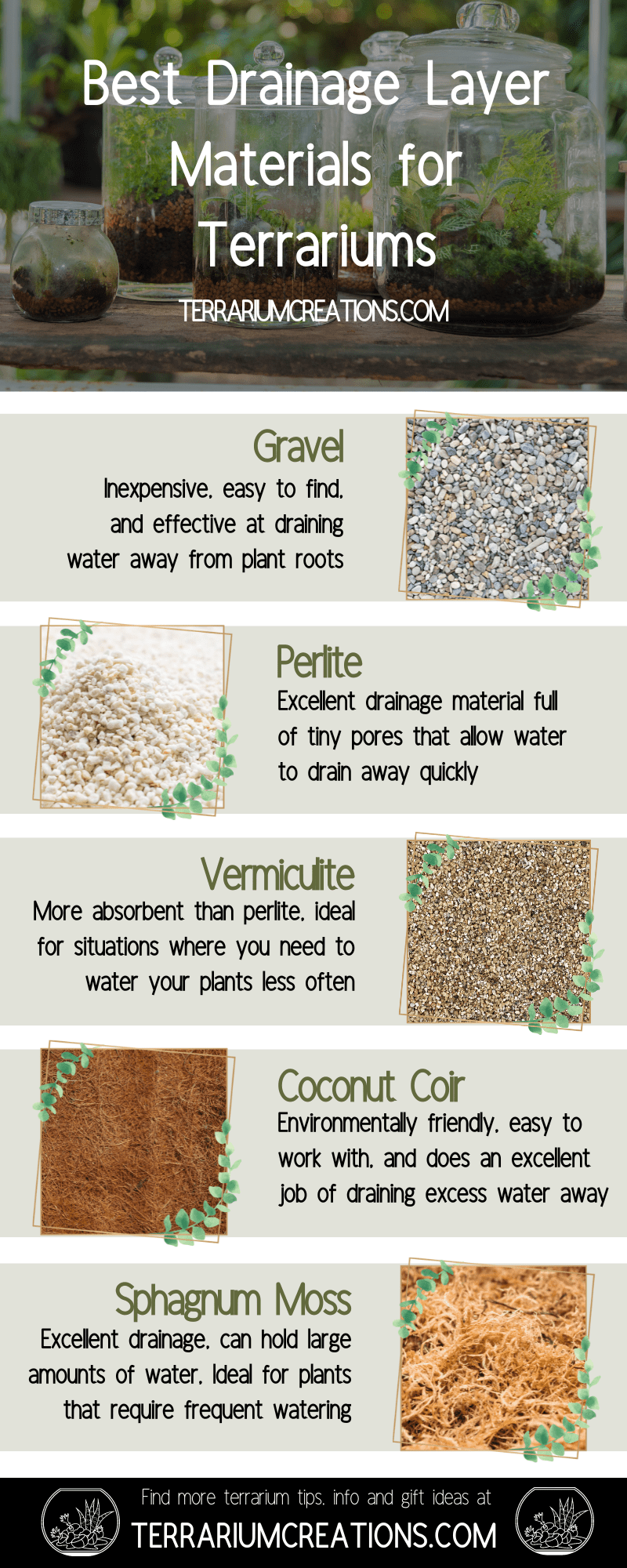
Use a porous mix. Add perlite, pumice, or bark. Aim for a mix that feels springy.
- For succulents, add up to half pumice or perlite.
- For herbs and veggies, add one third bark fines.
- For tropicals, use a blend with composted bark and coco coir.
Do not line the bottom with gravel. Water perches above that layer. It gets wetter, not drier. If you search how to make soil drain better for plants in pots, this is the most common fix.
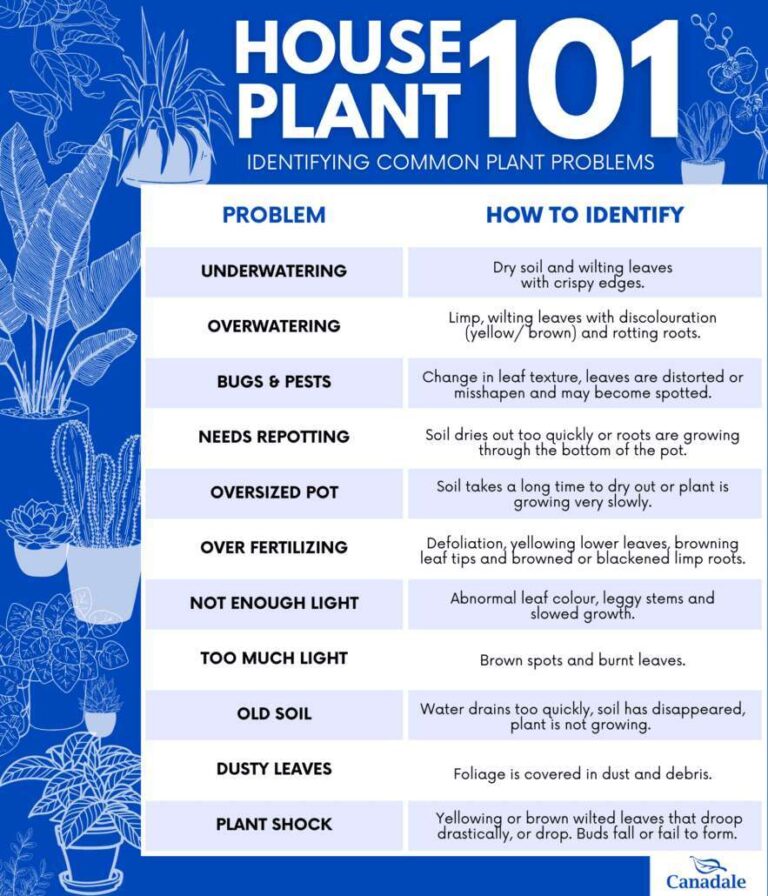
Water less but more often if needed. Check with your finger. Water when the top inch is dry.

How to make soil drain better for plants in garden beds
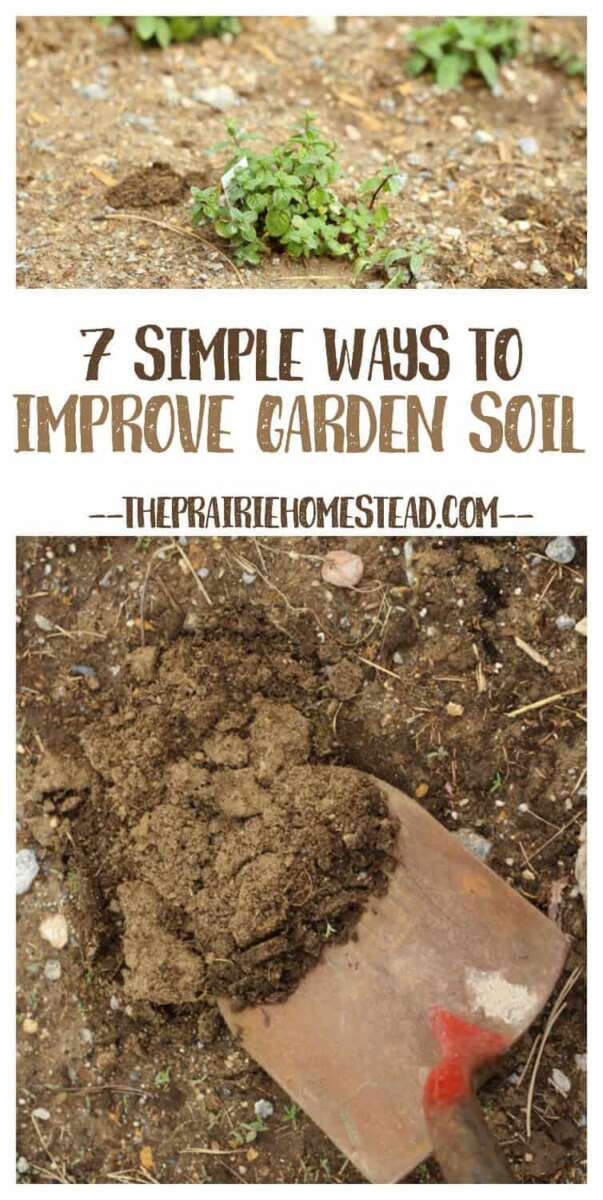
Start with organic matter. Good compost is your best tool. Spread 2 to 3 inches over the bed. Mix it into the top 8 to 10 inches.
Add coarse structure. Fine particles pack tight. Coarse particles make space.
- Use pine bark fines, pumice, or expanded shale.
- Mix one to two inches into the top layer.
- Avoid beach sand. If you add sand to clay in small amounts, it can make bricks.
Air is as important as water. Use a garden fork or broadfork. Slide it down, rock back, and lift slightly. Do not flip layers. This opens channels without killing soil life.
Topdress each year. Add one inch of compost in spring. Mulch with wood chips in paths. This feeds fungi and worms. Over time, pore spaces grow.
If your soil is sodic clay, gypsum can help. It can improve structure in that case. It will not fix all clays. Test before you spend money.
Cover crops build tilth. Sow oats, rye, or clover in the off season. Chop and drop before seeds set. This is a long game answer to how to make soil drain better for plants.
Fix compaction without hurting soil life
Never work wet soil. Wait until a squeezed handful crumbles. If it smears, it is too wet.
Open compacted ground with gentle tools. A garden fork or broadfork lifts without turning. Roots and worms do the rest.
Protect soil from foot traffic. Add thick mulch in paths. Use boards to spread weight when you work.
Topdressing beats deep tilling. Each season, add compost to the surface. Water and time pull it down.
Manage water flow and excess rain
Sometimes the problem is not soil. It is where the water goes. Fix the flow first.
Slope beds slightly. Aim for a 1 to 2 percent grade away from buildings. Keep gutters clean. Extend downspouts well beyond beds.
Use raised beds if the site is low. Twelve inches high solves many issues fast. Fill with a mix rich in compost and bark fines.
Add a French drain if needed. Dig a trench on the uphill side. Line with fabric. Fill with gravel and a perforated pipe. Send the water to a safe spot.
Irrigate smart. Many people who ask how to make soil drain better for plants are overwatering. Use a timer. Water less often but deeper. Check soil before each cycle.

Seasonal care and maintenance plan
Think of drainage as a habit, not a one-time job.
Spring
- Fork compacted areas lightly.
- Add one inch of compost.
- Refresh mulch in paths.
Summer
- Spot check moisture by hand.
- Adjust drip runs and emitters.
- Keep beds weeded to cut water use.
Fall
- Chop fallen leaves into the beds.
- Sow a cover crop.
- Clean gutters and check grades.
Winter
- Avoid walking on soggy beds.
- Plan upgrades for problem zones.
This steady rhythm is a simple way how to make soil drain better for plants year after year.
Common mistakes to avoid
Gravel at the bottom of pots is a myth. It makes the mix hold more water above the layer.
Do not add a little sand to heavy clay. Small amounts make it worse. Use compost and coarse amendments instead.
Stop tilling every season. It breaks soil crumbs. It also harms fungi. Structure gets worse over time.
Skip quick-fix wetting agents unless you know the cause. Some help water move. They do not repair poor structure. When in doubt, choose compost and time.
If you want how to make soil drain better for plants fast, raise beds. Fix the soil while plants grow.
Handy materials and tools
Materials
- Finished compost for structure and life.
- Pine bark fines for lasting pore space.
- Pumice or expanded shale for aeration and drainage.
- Perlite for light mixes in pots.
- Leaf mold for water balance and microbes.
- Biochar, charged with compost tea or worm castings.
- Gypsum for sodic clay issues, after testing.
- Coarse sand only in large, correct ratios with expert guidance.
Tools
- Garden fork or broadfork to open soil.
- Rake and spade for mixing and shaping.
- Wheelbarrow for moving compost.
- Mulch for paths to prevent compaction.
- Rain gauge and moisture meter to guide watering.
These are the core items I use when clients ask how to make soil drain better for plants.
Real-world examples from my beds
My first house had heavy clay. After rain, it stayed slick for days. I added three inches of compost and one inch of bark fines. I forked the soil and built raised rows. By season two, carrots grew straight, and tomatoes stayed healthy.
A client had droopy houseplants. The pots had no holes. We repotted into mixes with more bark and pumice. We also taught a finger test for watering. The plants perked up in a week.
Over time, these steps work. If you follow them, you will learn how to make soil drain better for plants on any site.
Frequently Asked Questions of how to make soil drain better for plants
Does putting rocks at the bottom help drainage?
No. It creates a perched water layer above the rocks. Soil stays wetter, not drier.
How much compost should I add to clay soil?
Add 2 to 3 inches once or twice a year. Mix into the top 8 to 10 inches at first, then topdress.
Is sand good for improving clay?
Not by itself in small amounts. Use compost plus bark fines or pumice to avoid brick-like soil.
What is the best mix for potted plants?
Use a blend with composted bark, perlite or pumice, and a light base like coco coir. Adjust ratios by plant type.
How do I know if I am overwatering?
Check the top inch of soil before watering. If it is still damp, wait a day and test again.
Will gypsum fix my drainage?
Only if your clay is sodic. Test first. In many soils, compost gives better results.
Are raised beds a long-term fix?
Yes. They lift roots above soggy zones and let you control the mix. Keep adding organic matter each year.
Conclusion
Better drainage is a system, not a single trick. Open the soil, add the right structure, and manage where water flows. Use simple tests, gentle tools, and steady care. That is how to make soil drain better for plants in any garden.
Start small this weekend. Amend one bed, repot one plant, or fix one downspout. Share your results or questions, and subscribe for more practical garden tips.

Laura Bennett is a gardening writer at MyGardenLabs who creates beginner-friendly guides focused on solving common plant care and gardening problems.