How To Identify Common Plant Problems: Quick Guide 2026
Most plant problems leave clues in leaves, roots, and growth—slow down and look.
You want healthy, thriving plants. You also want fast answers when something looks off. In this guide, I show you how to identify common plant problems with simple checks, clear steps, and field-proven tips. I have spent years helping gardeners and growers. You will learn what to look for, what to test, and what to fix first. Keep reading, and you will spot issues sooner and act with confidence.

How to identify common plant problems at a glance
Start with what you can see. Then use what you can test. That is the fastest way to diagnose. Most issues show first in leaves, then stems, then roots.
Use this fast check.
- Look for patterns. One plant or many? Top leaves or lower leaves? One side or all sides?
- Feel the soil. Is it wet, dry, or compacted?
- Check the roots if you can. Healthy roots are white and firm. Bad roots are brown, soft, or smelly.
- Scan for pests. Use a hand lens. Check leaf undersides, new growth, and stems.
- Note light and heat. Is the plant sunburned or shaded?
- Smell for rot or mildew. Your nose helps more than you think.
This is the core of how to identify common plant problems. It is simple, fast, and repeatable.

A simple diagnostic checklist
Work through this checklist. Take notes. The goal is to avoid guesses.
- Define the symptom. Yellowing, spots, holes, wilt, droop, stunted growth, or leaf drop.
- Map the location. New leaves, old leaves, edges, tips, or between veins.
- Time the change. Did this start after repotting, pruning, or a heat wave?
- Check moisture. Use a moisture meter or your finger. Go 2 inches down.
- Test the light. Track hours of direct sun. Note strong afternoon sun.
- Inspect for pests. Look for webbing, honeydew, frass, or crawling insects.
- Review your care. Watering frequency, fertilizer type and dose, any sprays used.
- Test soil pH if possible. Many issues start with a pH mismatch.
- Compare with trusted photos. Use extension guides and official plant health pages.
Use this list when you want to know how to identify common plant problems without stress. It keeps you from chasing the wrong fix.
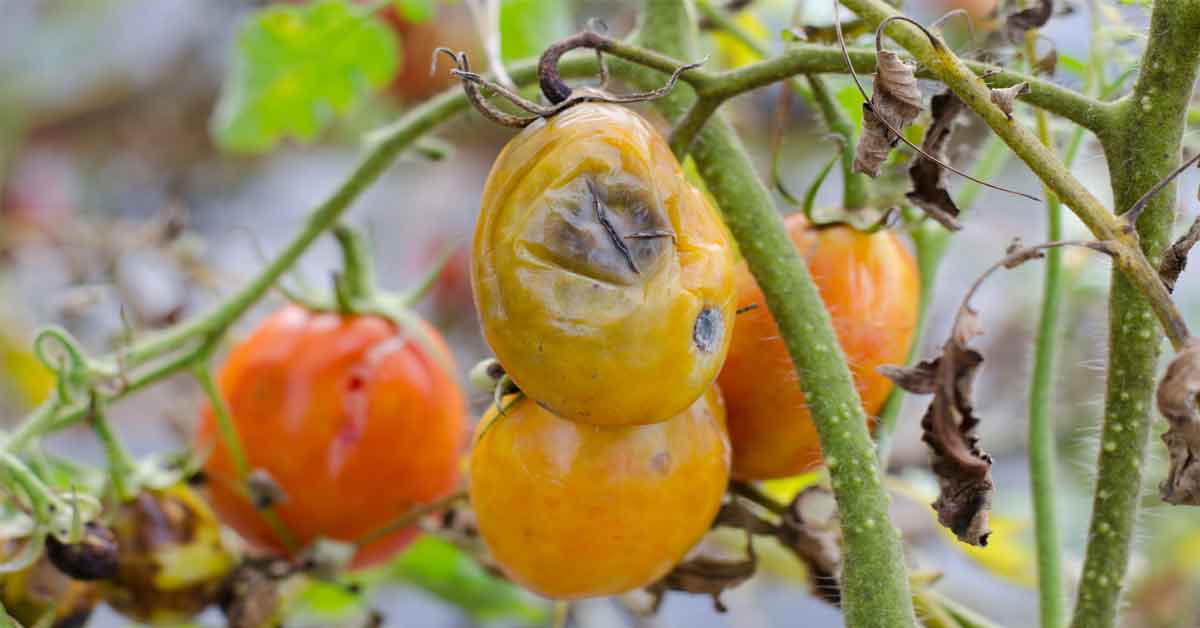
Symptom decoder: what leaf, stem, and root changes mean
Symptoms speak. You just need to learn the language. Here is a quick decoder I use in the field.
Leaves
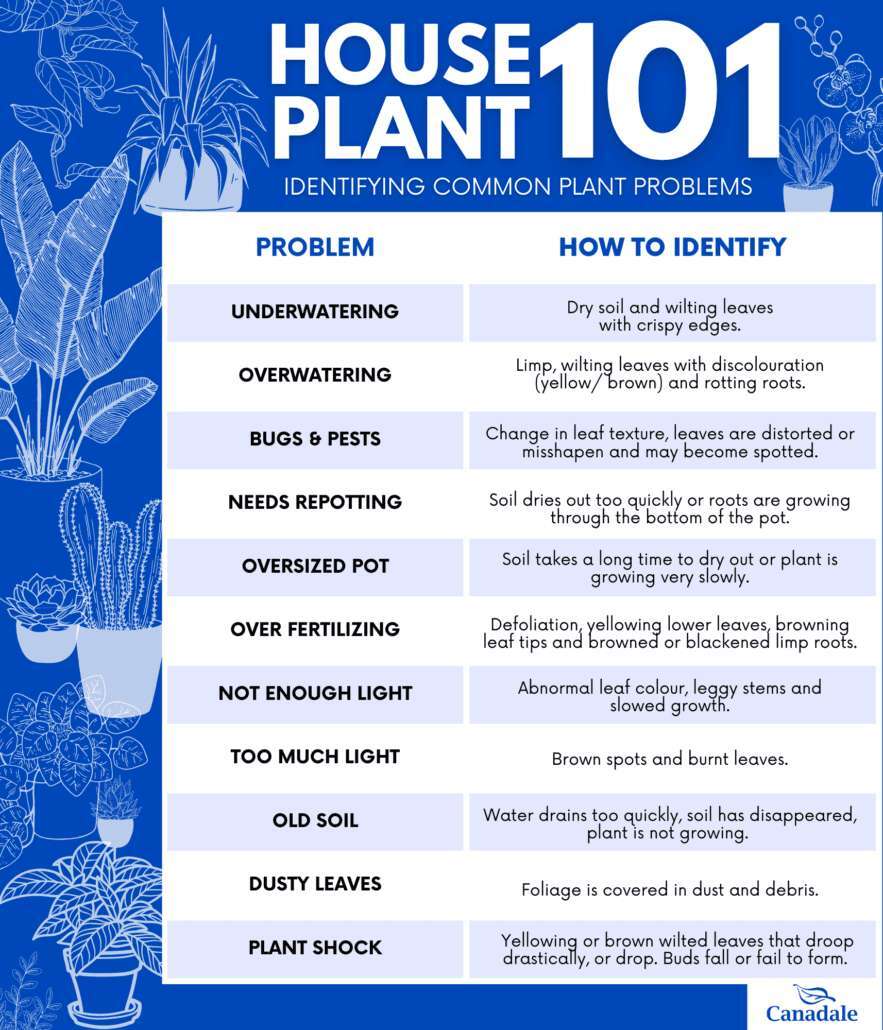
- Yellowing on old leaves first. Often nitrogen shortage or simple underwatering.
- Yellowing between veins on new leaves. Often iron or manganese lack, common in high pH soil.
- Crispy brown edges. Salt buildup, root damage, or low humidity.
- Large brown patches after hot days. Sunscald or heat stress.
- Tiny yellow specks with fine webbing. Spider mites feeding.
- Sticky leaves with soot. Aphids, scale, or whiteflies producing honeydew.
- Powdery white film. Powdery mildew, common in crowded, humid spots.
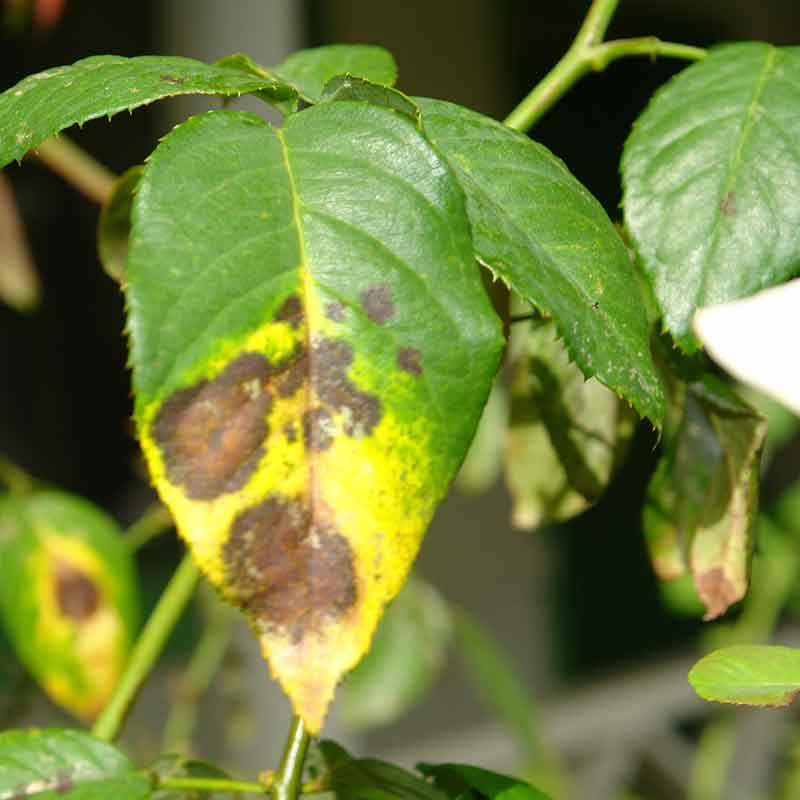
- Black or brown leaf spots with halos. Fungal or bacterial leaf spot.
Stems
- Mushy, dark stems at soil line. Damping-off or stem rot from overwatering.
- Split or corky stems. Irregular watering or wind stress.
- Holes or tunnels in stems. Borer insects.
Roots
- Sour smell and brown roots. Root rot from excess water and poor drainage.
- Circular, tight roots circling a pot. Rootbound plant that needs repotting.
- Few feeder roots. Overfertilizing or severe drought.
Flowers and fruit
- Buds drop before opening. Underwatering, heat stress, or sudden moves.
- Misshapen fruit. Poor pollination or pest damage.
- Fine white larvae in fruit. Fruit fly or moth pests.
When learning how to identify common plant problems, match symptoms to likely causes. Then confirm with a small test or change.
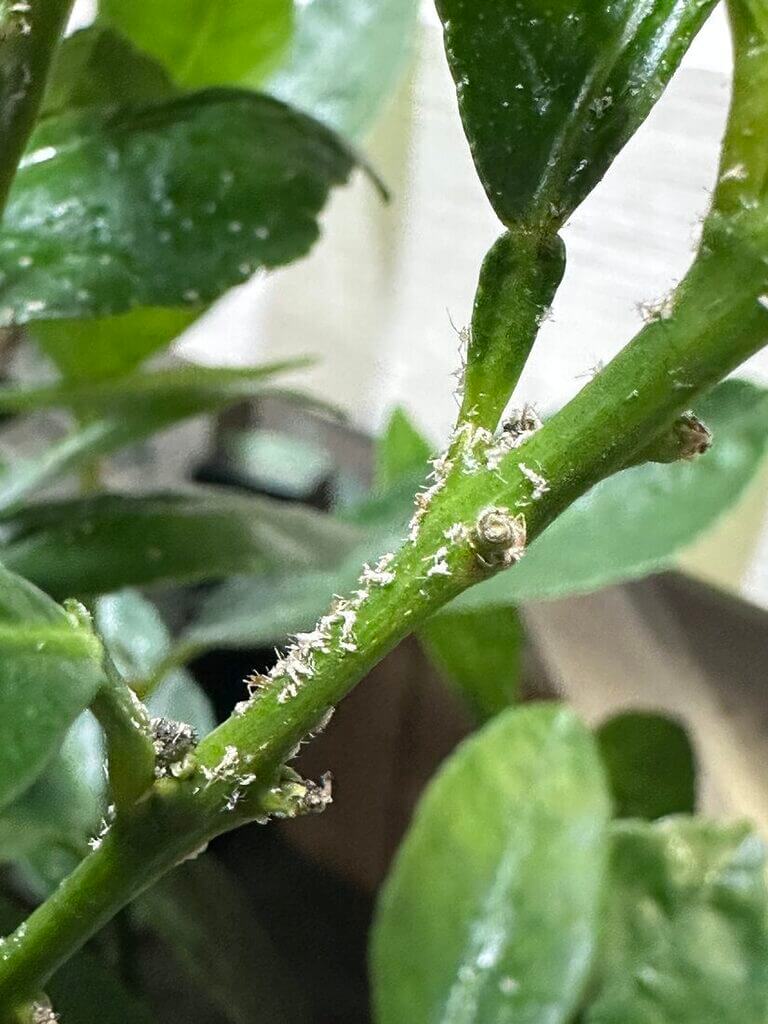
Pests, disease, or stress: how to tell them apart
You can split most issues into three buckets. Pests. Disease. Stress. Each has a signature.
- Pests. Look for movement, residue, or patterns like stippling and holes. Sticky honeydew or webbing is a strong clue.
- Disease. Look for spots with rings, fuzzy growth, or rots that spread in wet weather. Spread often follows water splash or poor airflow.
- Stress. Think uneven patterns. One side burned by sun. Leaves crisp after a missed watering. Nutrient issues show by leaf age patterns.
When you know how to identify common plant problems, you scan for these three first. You will make faster, smarter calls.

Water, light, and soil: the usual suspects
Most plant problems come from care, not rare pathogens. Fix the basics first.
Water
- Water deep and less often for soil-grown plants.
- Check drainage holes. Pots must drain fast.
- Avoid a strict schedule. Water by need, not by date.
Light
- Track actual sun hours. Morning sun is gentle. Afternoon sun can burn.
- Rotate indoor plants each week for even growth.
- Move shade lovers away from south-facing windows.
Soil and pH
- Use the right mix for the plant. Succulents need gritty soil. Herbs like well-drained loam.
- Test pH if symptoms persist. Many nutrients lock out when pH is off.
- Refresh old potting mix every year for containers.
This is the heart of how to identify common plant problems in real life. Most fixes start here.
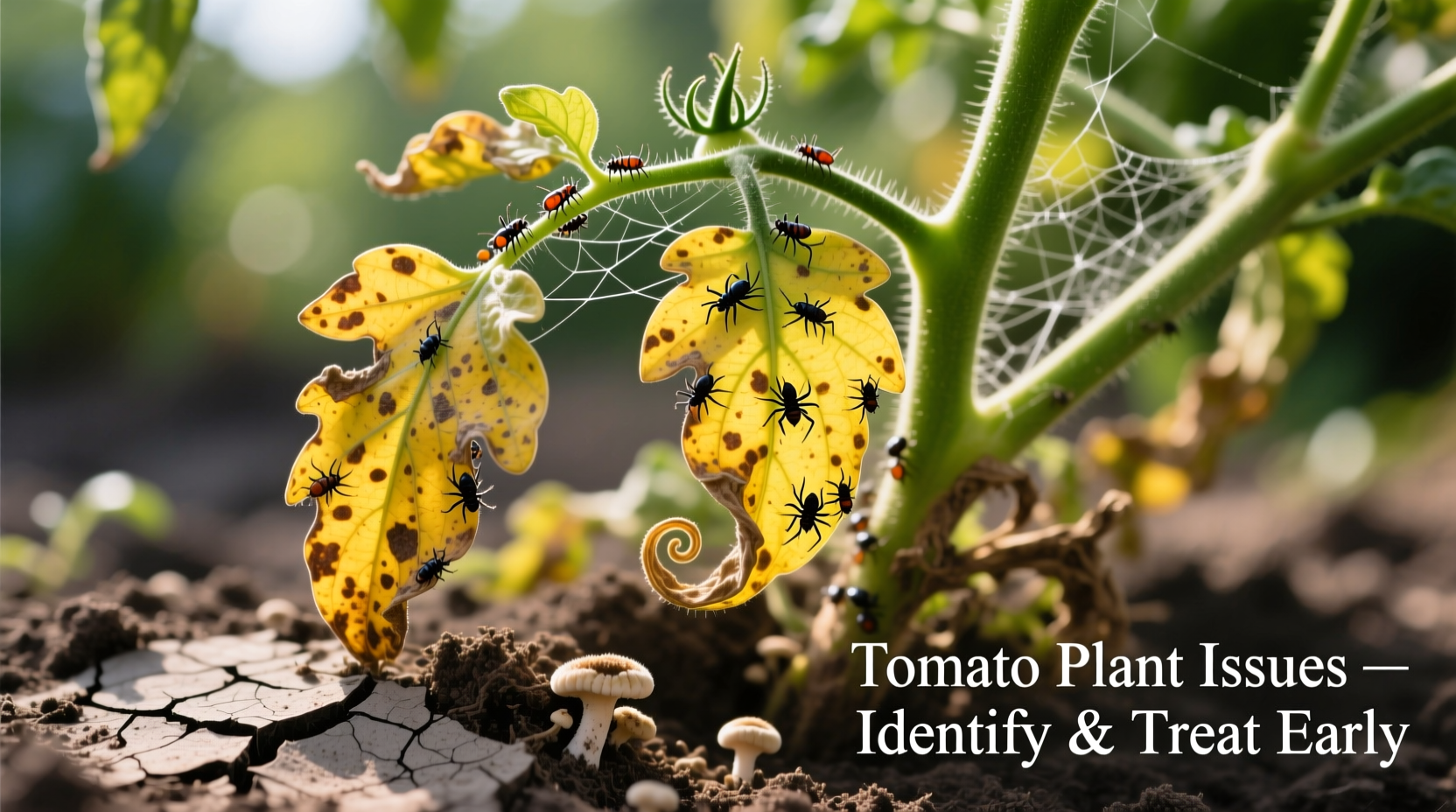
Tools and quick tests that save time
A few simple tools make you faster and more accurate.
- Hand lens. Spot mites, scale crawlers, and fungus on the spot.
- Moisture meter. Check deep moisture without guesswork.
- Sticky traps. Monitor flying pests like fungus gnats and whiteflies.
- pH meter or test kit. Confirm soil pH before changing fertilizer.
- Clean shears. Remove infected parts and prevent spread.
- Diagnostic apps and guides. Compare photos and symptom trees.
Use these each time you work through how to identify common plant problems. They turn hunches into facts.

Real-world examples and fixes
Here are cases from my own work. Each shows the process.
Case 1: Yellowing new leaves on a gardenia
- Clue. New leaves turned pale with green veins.
- Check. Soil pH read 7.8. That is too high.
- Fix. Acidic fertilizer and chelated iron. Mulch with pine fines. Leaves greened in two weeks.
Case 2: Droopy pothos in a big pot
- Clue. Leaves wilted after each watering.
- Check. Soil stayed wet for days. Roots smelled sour.
- Fix. Repotted into a smaller, fast-draining mix. Watered only when top 2 inches were dry. Growth recovered.
Case 3: Tomato leaves with tiny yellow dots
- Clue. Fine stippling and webbing under leaves.
- Check. Found spider mites with a hand lens.
- Fix. Rinsed foliage, raised humidity, and used a labeled miticide. Added mulch to reduce dust. Mites dropped fast.
Case 4: Brown edges on peace lily
- Clue. Tips brown, edges crisp.
- Check. Tap water high in salts. Water schedule was frequent sips.
- Fix. Switched to filtered water. Flushed soil. Watered deep, less often. New leaves grew clean.
This is how to identify common plant problems without panic. Observe, test, and pick the smallest fix that fits.
Prevention playbook to avoid repeat problems
Prevention is cheaper than cure. Build these habits into your routine.
- Quarantine new plants for two weeks before mixing them in.
- Clean tools and pots with a mild disinfectant.
- Water in the morning so leaves dry fast.
- Space plants for airflow. Crowding breeds disease.
- Feed light but steady. Avoid heavy doses that burn roots.
- Mulch beds to hold moisture and block soil splash.
- Track what you do. A simple log helps spot patterns.
Master these steps if you want to know how to identify common plant problems and stop them early. You will see fewer surprises each season.
Frequently Asked Questions of how to identify common plant problems
How do I tell overwatering from underwatering?
Overwatered plants droop with wet soil and may have yellow leaves. Underwatered plants wilt with dry soil and often have crisp edges.
What is the easiest way to spot spider mites?
Check for tiny yellow specks and fine webbing on leaf undersides. Tap a leaf over white paper and look for moving dots.
When should I do a soil test?
Test when problems persist after you fix water and light. Test before planting, and every year for containers if growth slows.
How can I tell if it is a nutrient issue or disease?
Nutrient issues follow leaf age patterns and spread slowly. Disease often shows spots, fuzzy growth, or rot that spreads in wet weather.
Do I need to throw away a plant with root rot?
Not always. Trim soft roots, repot in dry, clean mix, and adjust watering. If rot returns, discard to protect other plants.
How often should I inspect for pests?
Do a quick scan each time you water, and a deep check weekly. Early detection saves time and money.
Can sunburn happen indoors?
Yes, near hot windows with harsh afternoon sun. Use sheer curtains or move the plant back a few feet.
Conclusion
You can solve most plant issues with a calm, simple plan. Look for patterns, test the basics, and match symptoms to likely causes. Use a few tools to confirm your hunch.
Put these steps into practice this week. Walk your space, take notes, and make one small change per plant. If you found this helpful, subscribe for more guides, ask a question, or share your own win in the comments.

Laura Bennett is a gardening writer at MyGardenLabs who creates beginner-friendly guides focused on solving common plant care and gardening problems.