How To Protect Plants From Pests Naturally: Best Guide 2026
Use prevention, smart plant choices, habitat helpers, barriers, and gentle organic controls.
If you want a garden that stays lush without harsh sprays, you are in the right place. I have spent years helping home growers learn how to protect plants from pests naturally with simple steps that work. In this guide, I will show you the exact methods I use, why they work, and when to use them for best results.

What “natural” pest protection really means
Natural pest protection is a system, not a single product. It blends prevention, timing, and gentle tools that target pests but spare your plants and the good bugs. This method keeps your garden in balance and avoids resistance.
Think of it like home security. Locks, lights, and neighbors all help. In the garden, soil care, plant choice, and clean habits do the same. This is the core of how to protect plants from pests naturally.
Start with prevention: healthy soil and watering
Pests love weak plants. Healthy plants fight back with stronger cells and better sap flow. Good soil and steady water make a big difference.
Do this first:
- Feed the soil with compost each season. It boosts life in the soil.
- Mulch with leaves, straw, or wood chips. Soil stays cool and moist.
- Water early and deep. Wet leaves invite disease and pests.
- Do a simple soil test. Adjust pH and nutrients as needed.
In my beds, a yearly layer of compost cut aphid issues in half. This is a quiet but powerful step in how to protect plants from pests naturally.

Choose and place plants wisely
Some plants shrug off pests. Others invite them. Smart picks and smart spacing prevent many problems before they start.
Use these tips:
- Grow resistant or tolerant varieties. Check seed notes for pest resistance.
- Mix crops. Avoid big blocks of one plant.
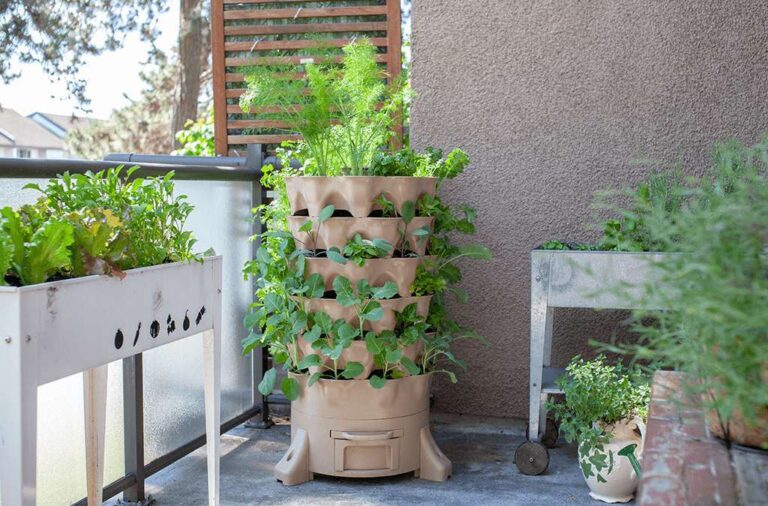
- Give space and airflow. Crowded leaves attract pests and disease.
- Rotate crops each year. Pests build up if you plant the same spot.
Companion planting can help. Basil near tomatoes, or marigolds around beans, can reduce damage. While results vary, I find diverse beds are calmer beds. This is one of the easiest ways to practice how to protect plants from pests naturally.
Encourage beneficial insects and wildlife
Nature already has a pest control team. Lacewings, lady beetles, hoverflies, parasitic wasps, birds, and frogs all eat garden pests. Invite them, and they will work for you nonstop.
Make your garden a buffet:
- Plant flowers that bloom spring to fall. Dill, alyssum, yarrow, and cosmos work well.
- Let some herbs bolt. Their tiny flowers feed small wasps and flies.
- Provide water in shallow trays with pebbles.
- Avoid broad-spectrum sprays. They harm the helpers first.
Research shows flowering strips can cut aphids and caterpillars in vegetable plots. I seed alyssum along my beds each spring. Aphid spikes are smaller and shorter. This is a key part of how to protect plants from pests naturally.

Physical barriers and smart garden hygiene
Barriers stop pests without chemicals. Clean habits remove pest hideouts. Together they give fast, reliable results.
Use simple barriers:
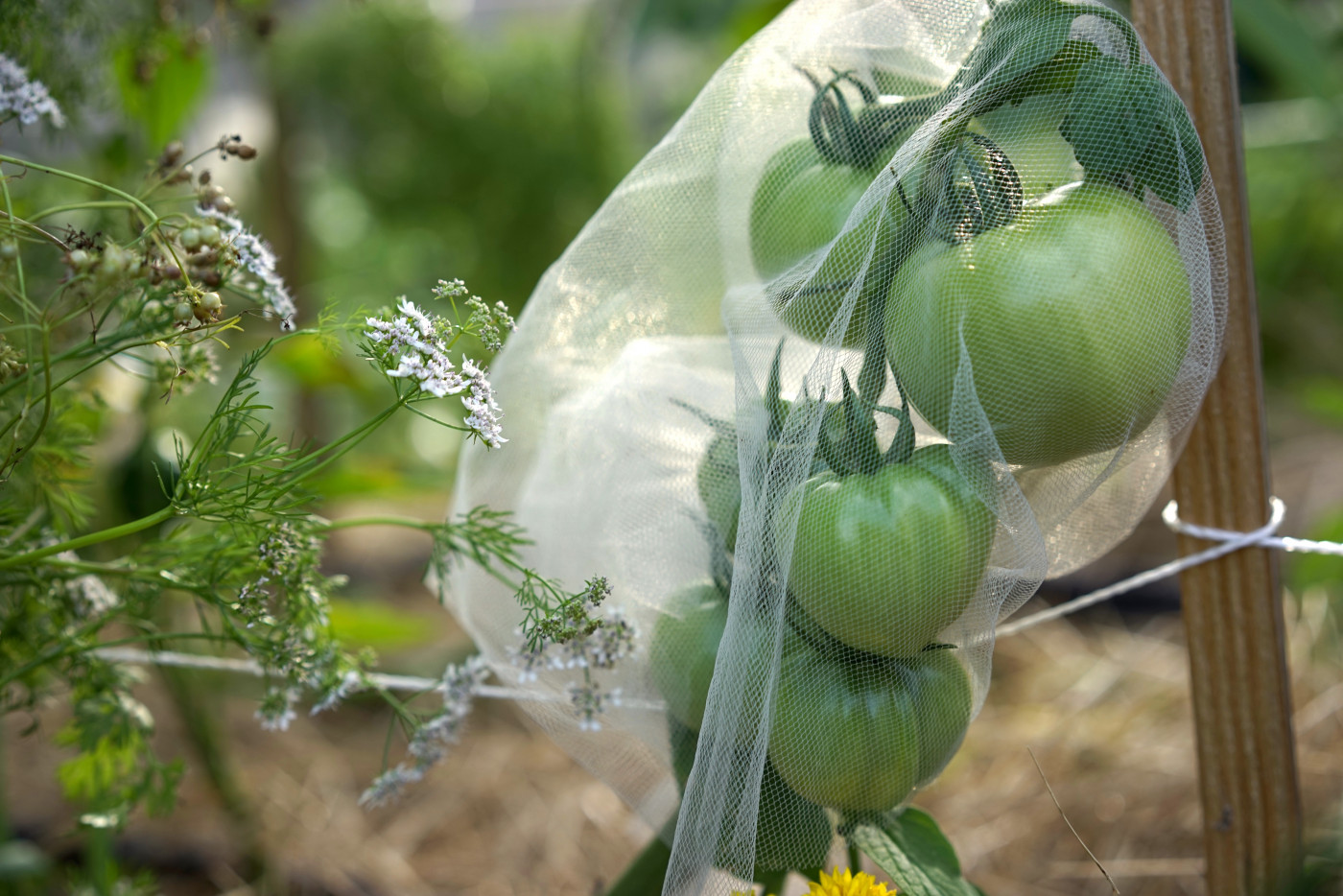
- Row covers keep caterpillars, beetles, and leaf miners off crops.
- Fine mesh or tulle lets in light and water but blocks insects.
- Collars around stems deter cutworms and borers.
- Sticky traps help monitor flying pests.
Practice clean garden habits:
- Remove weak plants fast. Bag and trash them.
- Pick up fallen fruit and spent leaves.
- Sanitize pruners between sick plants.
- Weed often. Weeds can host pests and disease.
In trials and in my yard, row covers cut cabbage worm damage by over 80%. Barriers are a clear win when learning how to protect plants from pests naturally.

Safe homemade and organic sprays that work
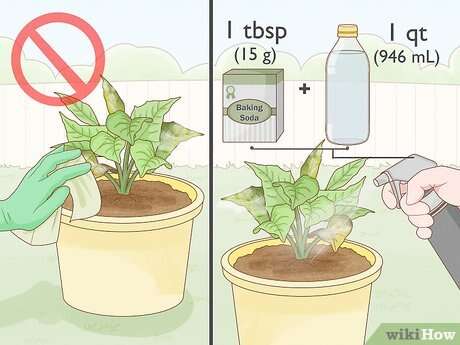
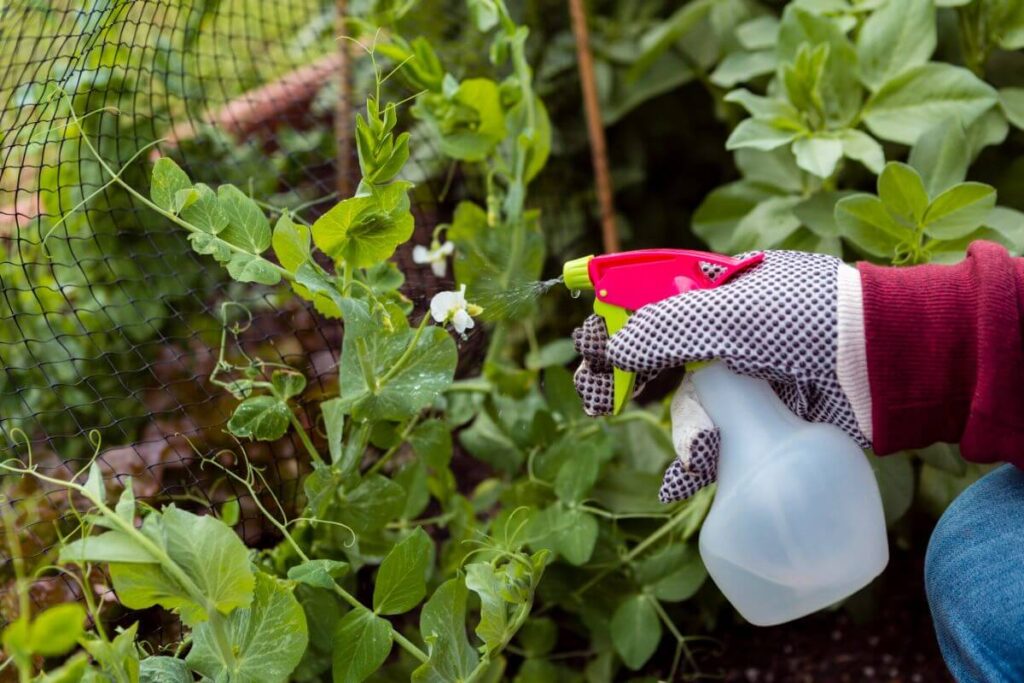
Sometimes you need a gentle knockback. Use spot sprays that target pests and spare allies. Always test on a small leaf first and apply in cool hours.
Good options:
- Insecticidal soap. Great for soft pests like aphids and mites. It breaks down fast.
- Neem oil. Disrupts growth and feeding of many insects. Also helps with some fungi.
- Horticultural oil. Smothers eggs and soft bugs. Use light rates on tender leaves.
- BT (Bacillus thuringiensis). Targets caterpillars and leaves bees alone.
- Kaolin clay. Creates a particle film that deters chewing and egg laying.
- DIY garlic or hot pepper teas. Mild deterrents that help when used often.
Spray only when you see an active outbreak. Aim for thorough coverage but avoid runoff. This is how to protect plants from pests naturally while keeping your garden’s allies safe.

Monitoring and thresholds: act at the right time
Great control is about timing. Check plants often so you catch problems early. Act when pests cross a level that will cause real harm.
Do this each week:
- Flip leaves to spot eggs and nymphs.
- Shake branches over white paper to count mites or thrips.
- Note pest counts in a small log.
- Set a threshold. For example, treat when 20% of leaves show damage.
Studies show early action with gentle tools works best. Big outbreaks need harsher steps. Regular checks are vital to how to protect plants from pests naturally.

Season-by-season natural pest strategy
Plan your steps through the year. This keeps issues small and predictable.
Spring
- Add compost. Set up drip or soaker lines.
- Install row covers at planting if pests are common.
- Seed flowers for beneficials.
Summer
- Scout twice a week. Hand-pick pests in the cool morning.
- Use spot sprays only when needed.
- Keep mulch topped and water steady.
Fall
- Remove spent plants. Do not compost diseased material.
- Plant cover crops to feed soil life.
- Clean tools and store row covers.
Winter
- Review notes. Order resistant varieties.
- Sharpen pruners and plan rotations.
A simple plan like this is a proven way to master how to protect plants from pests naturally.
Troubleshooting common pests naturally
Aphids
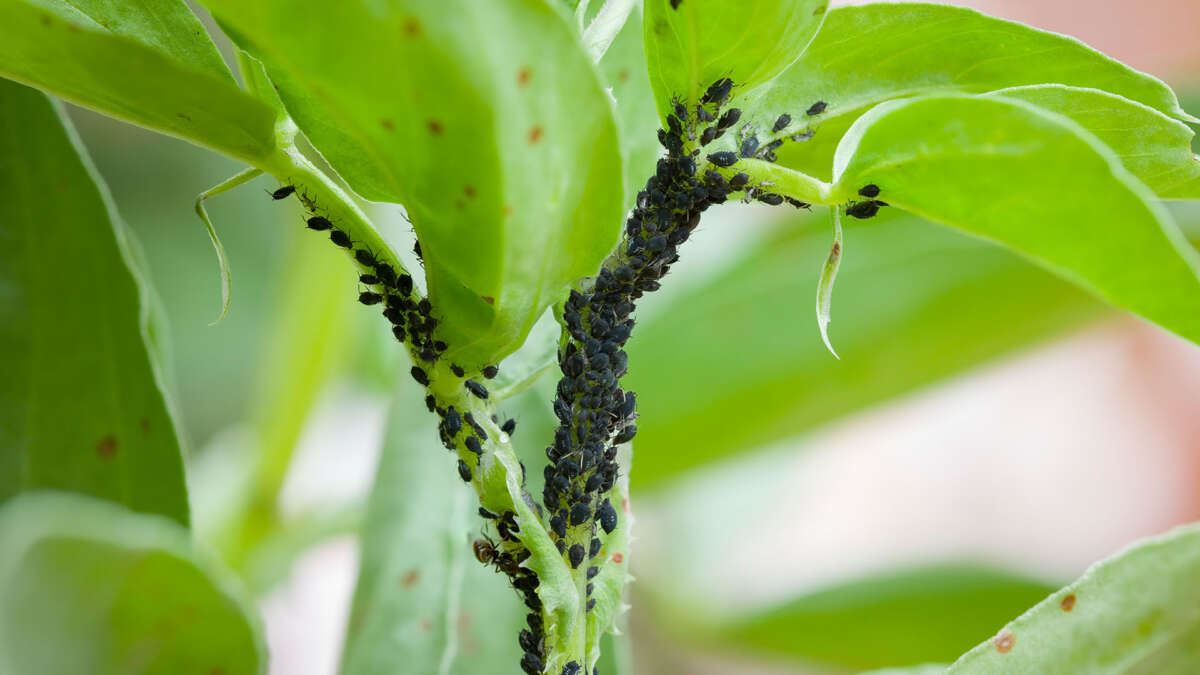
- Blast with water. Follow with insecticidal soap if needed.
- Encourage lady beetles and hoverflies with flowering herbs.
- Clip off heavy clusters and bag them.
Caterpillars (cabbage worms, tomato hornworms)
- Cover brassicas early with mesh.
- Hand-pick daily. Drop into soapy water.
- Use BT on small larvae for fast, targeted control.
Spider mites
- Reduce stress with steady water and shade in heat.
- Spray with insecticidal soap or oil. Repeat in 5 to 7 days.
- Increase humidity under leaves with a gentle rinse.
Whiteflies
- Use yellow sticky cards to monitor and reduce adults.
- Spray neem or soap on leaf undersides.
- Remove heavily infested leaves.
Slugs and snails
- Water in the morning, not at night.
- Use iron phosphate bait, which is low-risk.
- Set beer traps or hand-pick at dusk.
Squash vine borers
- Use row covers until vines bloom.
- Wrap lower stems with foil or cloth.
- Inject BT into stems if larvae enter.
Japanese beetles
- Shake into soapy water early in the day.
- Use row covers on young plants.
- Plant traps away from crops if needed.
These fixes are simple and proven. They fit the big picture of how to protect plants from pests naturally.
Frequently Asked Questions of how to protect plants from pests naturally
What is the fastest way to stop an outbreak naturally?
Start with physical removal and water sprays. Follow with a spot treatment like insecticidal soap or BT if needed.
Will natural sprays harm bees and butterflies?
Most focused sprays, like BT, spare pollinators when used right. Spray in early morning or evening and avoid open blooms.
How often should I apply neem oil?
Use it only when you see pests and repeat every 7 to 10 days. Stop once levels drop under your threshold.
Can companion planting replace other controls?
It helps but does not replace other steps. Mix it with soil care, barriers, and monitoring for best results.
What if pests keep coming back each year?
Rotate crops, improve soil, and switch tactics through the season. Persistent pests need a layered plan to break the cycle.
Conclusion
Natural pest control is not a single fix. It is a series of small habits that add up. Build soil, mix plants, invite helpers, use barriers, and treat only when needed. This is the heart of how to protect plants from pests naturally, and it works year after year.
Start with one change this week. Add compost, set a row cover, or plant a strip of flowers. Want more tips on how to protect plants from pests naturally? Subscribe, share your biggest pest problem, and I will help you fix it.

Laura Bennett is a gardening writer at MyGardenLabs who creates beginner-friendly guides focused on solving common plant care and gardening problems.