How To Transplant Seedlings Safely: Pro Tips That Work
Move young plants on a cool, calm day. Water well. Handle gently.
You are about to learn how to transplant seedlings safely like a pro. I have moved thousands of starts in home gardens and market plots. I know what causes shock, and what saves a crop. Follow this guide on how to transplant seedlings safely to reduce stress, keep growth steady, and boost yields from day one.

Read the plant and pick the right day
Transplants do best when the weather is kind. Aim for a mild, overcast day with light wind. Late afternoon is ideal. The soil should be moist, not wet.
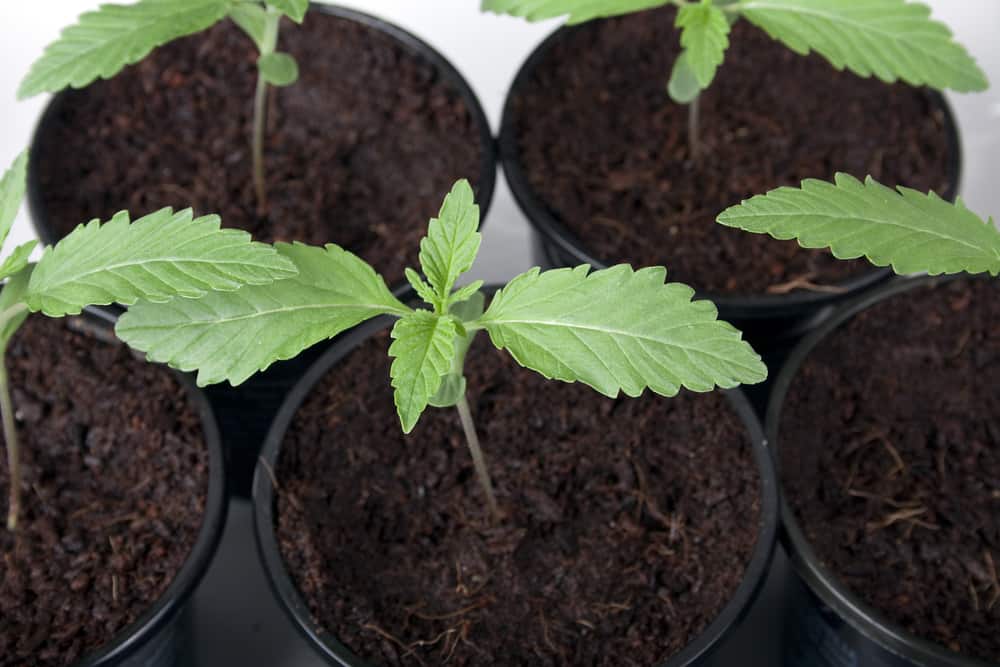
Look at the seedling. It should have two to four true leaves. Stems should be sturdy, not thin or long. Roots should hold the soil plug together. If roots circle hard, tease them a bit before planting.
Why this timing works is simple. Cool air and soft light reduce water loss. This helps you practice how to transplant seedlings safely without shock.

Gather simple tools and prep your site
Set yourself up before you start. Lay out your tools where you will work. Keep water close.
You will need:
- A clean trowel or narrow spade
- A watering can with a rose head
- Dilute starter feed or kelp solution
- Shade cloth or a light cover
- Labels and a marker
- A tub of water to pre-soak trays
- Mulch such as straw or compost
Prep the bed. Remove weeds. Loosen the top 8 to 10 inches. Mix in finished compost. Rake smooth. Water the bed well one day before you plant. This is one of the best tips for how to transplant seedlings safely.

Harden off for 5 to 7 days
Indoor starts need time to adjust. This step prevents sunburn and shock. Many skips it. Do not.
Try this simple plan:
- Day 1 to 2: Put seedlings outside in shade for 2 hours. Bring them in.
- Day 3 to 4: Increase to 4 to 6 hours. Add light morning sun.
- Day 5 to 6: Leave out most of the day. Add more sun. Shelter from wind.
- Day 7: Leave out day and night if nights are above 50°F.
Keep the soil moist through this time. You are training leaves and roots. This is a key part of how to transplant seedlings safely.

Step-by-step: how to transplant seedlings safely
Follow these steps in order. They work for most crops. I use this exact flow on busy planting days.
- Water seedlings an hour before planting. Moist roots slide out clean. Dry roots tear.
- Shade your work area. Use a hat, a cloth, or your body. Keep trays cool.
- Dig holes before you remove plants from trays. Holes should be a bit wider and a touch deeper than the root ball.
- Add a small scoop of compost to each hole. Mix it with the soil at the base.
- Check planting depth. Plant at the same depth as in the tray, except tomatoes. Tomatoes can be planted deeper to root along the stem.
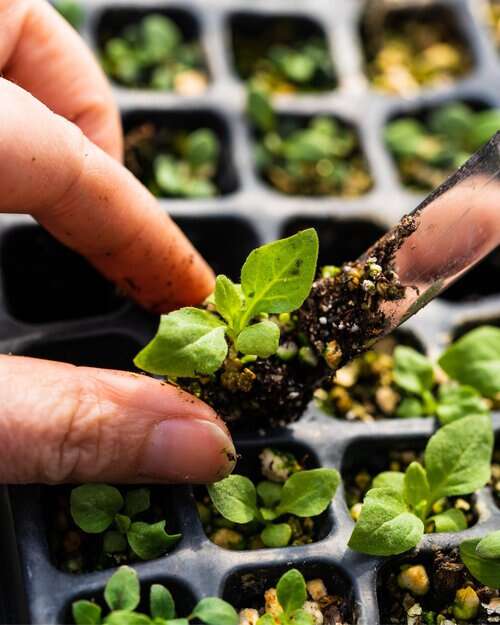
- Gently remove the seedling. Press the bottom of the cell. Do not yank the stem.
- Tease roots only if they circle hard. Split the mat with your fingers. Be soft.
- Set the plant in the hole. Fan roots outward. Make sure leaves sit above soil.
- Backfill and firm. Press soil around the root zone to remove air pockets. Do not crush the stem.
- Water to settle soil. Soak the hole until water reaches root depth.
- Mulch the surface. Add a light ring of compost, straw, or leaves around each plant.
- Provide shade for two days. Use a crate, row cover, or shade cloth.
Repeat the phrase to keep it top of mind: this is how to transplant seedlings safely every time. Move with care. Keep roots moist. Protect from harsh sun. If you must plant on a bright day, increase shade and water more often.

Aftercare for the first 14 days
Your job is not done at planting. The next two weeks lock in success. Plants need steady water and gentle light.
Use this simple plan:
- Days 1 to 3: Keep soil evenly moist. Shade at midday. Check twice a day.
- Days 4 to 7: Remove shade when plants look perked up. Water in the morning.
- Days 8 to 14: Start light feeding with a diluted organic fertilizer. Watch for pests.
I learned this the hard way after a hot snap cooked my brassicas. Shade saved the rest. Aftercare is the secret sauce in how to transplant seedlings safely.

Common mistakes and how to avoid them
These pitfalls cause shock and slow growth. Avoid them with small tweaks.
- Planting in midday sun. Choose late afternoon or cloud cover.
- Dry roots during the process. Pre-water and keep trays in shade.
- Planting too deep or too shallow. Match the original soil line. Only bury tomatoes deeper.
- Over-fertilizing at planting. Use gentle, dilute feed. Strong salts burn roots.
- Skipping hardening off. Give seedlings a week to adapt.
Each fix makes how to transplant seedlings safely feel easy and repeatable.
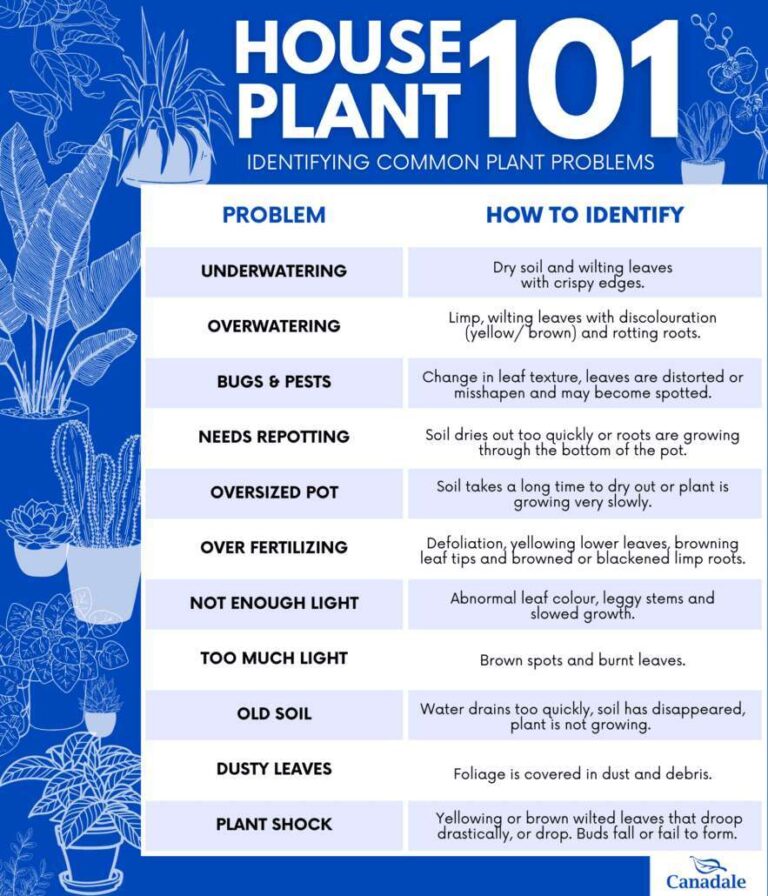
Troubleshooting transplant shock
Even with care, some plants droop. Do not panic. Most will recover with help.
Signs of shock:
- Wilting leaves at midday that do not perk up by evening
- Pale or scorched leaves
- No new growth after one week
Quick fixes that work:
- Provide temporary shade for two to three days
- Water in the morning and check soil moisture by hand
- Foliar spray with a kelp or seaweed solution
- Trim a few damaged leaves to reduce stress
Research on plant stress shows shade and steady water are the fastest aids. Keep notes. The notes will guide how to transplant seedlings safely in future rounds.

Special tips by crop
Each plant has small quirks. Use these notes for higher success.
Tomatoes:
- Plant deeper or trench and lay the stem sideways. Remove lower leaves.
- Support at planting with stakes or cages.
Peppers:
- Do not bury stems deeper than the original line.
- Keep nights warm. Use row cover if nights dip.
Cucumbers, squash, melons:
- Move at the two true leaf stage. Roots hate disturbance.
- Avoid breaking the root ball. Plant fast and water well.
Brassicas like cabbage, kale, and broccoli:
- Plant at the same depth. Firm the soil well to prevent wobble.
- Watch for flea beetles. Use row cover right away.
Flowers like zinnia and marigold:
- Pinch weak tops after they settle to promote branching.
- Keep blooms deadheaded for steady growth.
Knowing these nuances is part of how to transplant seedlings safely across your whole garden.
Soil, water, and nutrition that support safe transplants
Healthy soil buffers stress. Focus on texture and life. Think sponge and pantry.
Do this before and after planting:
- Blend in 1 to 2 inches of compost before planting.
- Water deeply, less often. Aim for 1 inch per week from rain or irrigation.
- Use a dilute starter feed at transplant. Fish or kelp works well.
- Add a light mulch after watering to hold moisture and cool soil.
Extension guidance notes that consistent moisture reduces stress by keeping leaf pores open but stable. This supports the root zone while it expands. It is core to how to transplant seedlings safely.
Weather, wind, and protection
Weather can make or break the day. Plan around it. Watch the forecast.
Use these simple rules:
- Avoid planting before a heat wave or a cold snap.
- If wind is strong, set up a windbreak with row cover or a fence panel.
- If sun is harsh, shade for the first two afternoons.
- If frost is possible, delay or cover at night.
I once raced a storm and lost half my cucumbers. Now I wait for a calm window. Patience is a big part of how to transplant seedlings safely.
Evidence-backed best practices
Good habits come from field tests and research. These ideas are backed by trials and farm practice.
Key points supported by industry data:
- Transplant at two to four true leaves for best root-to-shoot balance.
- Keep root disturbance low to protect fine root hairs that handle most water intake.
- Hardening off raises survival rates and reduces leaf burn.
- Post-plant shade for 48 hours lowers water loss and speeds recovery.
These notes map to what you feel in the field. They also map to how to transplant seedlings safely with less guesswork.
Frequently Asked Questions of how to transplant seedlings safely
When is the best time of day to transplant?
Late afternoon or early evening is best. The light is soft and temps are lower, which reduces shock.
How wet should the soil be when planting?
The bed should be moist like a wrung-out sponge. Water the tray and the bed before you start, then water again after planting.
Do I need to harden off seedlings from a greenhouse?
Yes, even greenhouse plants need a step-down period. A week of gradual exposure prevents sunburn and wind stress.
How deep should I plant different seedlings?
Match the original depth for most crops. Only tomatoes benefit from deeper planting, since they root along buried stems.
What should I do if my seedlings wilt after transplanting?
Give shade for two days and water in the morning. A kelp foliar spray can also help them bounce back.
Can I transplant on a sunny day?
You can, but give shade for 48 hours and water more. Plant later in the day to reduce stress.
How far apart should I space my plants?
Follow crop guides for spacing. Crowding increases disease and stress, which hurts recovery.
Conclusion
Safe moves lead to strong growth and bigger harvests. Pick the right day, prep the site, harden off, plant with care, and give steady aftercare. These simple steps are how to transplant seedlings safely in any garden.
Start with one bed this week. Use the steps, watch the leaves, and note what works. Share your results, subscribe for more guides, and ask your questions in the comments.

Laura Bennett is a gardening writer at MyGardenLabs who creates beginner-friendly guides focused on solving common plant care and gardening problems.