How To Deal With Pests Without Chemicals: Proven Home Fixes
Stop entry, remove food and water, trap smart, use heat, and boost natural predators.
If you want real, lasting control, you need a plan. I’ve spent years showing people how to deal with pests without chemicals in homes and gardens. This guide gives you a simple, proven system. You will learn what works, what to skip, and how to prevent pests from coming back.

What “chemical-free” pest control really means
Chemical-free pest control is about using prevention, mechanics, and biology first. The method is called integrated pest management, or IPM. It focuses on blocking entry, removing what pests need, and using traps, heat, cold, and beneficial insects.
This is how to deal with pests without chemicals in a safe and steady way. It cuts risk, saves money, and keeps your space healthier. It also builds long-term control instead of quick fixes.

Start with prevention: seal, clean, and dry
Pests need food, water, and shelter. Remove those, and most leave on their own. In my work, this step alone has solved many “infestations.”
Do these first:
- Seal entry points Use caulk, weatherstripping, door sweeps, and fine-mesh screens.
- Store food tightly Use glass or metal containers. Clean crumbs and grease daily.
- Fix leaks and damp spots Dry sinks, basements, and crawl spaces. Run fans or a dehumidifier.
- Declutter Remove piles of paper, cardboard, and fabric where pests hide.
This is the core of how to deal with pests without chemicals. It is simple. It is also the part most people skip, so stick with it.

Smart monitoring and action thresholds
You cannot manage what you do not measure. I set sticky monitors in kitchens, baths, and garages. I check traps weekly and log what I see.
Follow this plan:
- Place monitors Put them along walls, under sinks, and near doors.
- Count and map Note where you catch pests and how many.
- Set action thresholds Decide when to act. For example, one mouse is action time. A few ants at a door may need sealing only.
This habit shows you how to deal with pests without chemicals before a small issue grows. You will act fast and avoid heavy fixes later.
Physical and mechanical controls that work
When you know where pests move, switch to simple tools. These help fast and keep risk low.
Traps and barriers:
- Snap traps for mice Place along walls with the bait end to the wall. Use peanut butter or seeds.
- Live traps Release outdoors where allowed. Check traps daily.
- Sticky traps Catch roaches, spiders, and beetles. Replace as they fill.
- Copper tape for slugs Wrap pots and bed edges. Slugs avoid crossing.
- Door sweeps and brush seals Block crawling insects and rodents at the base of doors.
Heat, cold, and suction:
- Heat treatment Place infested fabrics in a dryer on high for 30 minutes. Use a steam cleaner on seams and cracks for bed bugs.
- Freezing Seal small items in bags and freeze for 3 days. This kills many pantry pests.
- Vacuuming Vacuum pests, eggs, and droppings. Empty the canister into a sealed bag outside.
Screens and covers:
- Window and vent screens Keep flying insects out.
- Row covers and netting Protect garden beds from moths, beetles, and birds.
This is a hands-on way to learn how to deal with pests without chemicals. It is safe, fast, and repeatable.

Biological controls and habitat boosts
Nature has helpers. Use them. I have seen aphids drop in a week after a simple habitat change.
Try these steps:
- Beneficial insects Release ladybugs or lacewings for aphids and mites. Water plants before release so they stay.
- Beneficial nematodes Apply to soil for grubs and fungus gnat larvae. Follow label timing and moisture.
- Birds and bats Add birdhouses and bat boxes. They cut mosquitoes and garden pests.
- Plant diversity Mix flowers with herbs and veggies. More good insects arrive when you offer nectar and shelter.
These methods show how to deal with pests without chemicals by letting natural enemies work for you.

Room-by-room and garden playbooks
Every space needs a tailored plan. Here is a quick guide from my checklists.
Kitchen and pantry
- Store grains in airtight jars. Wipe shelves with hot, soapy water.
- Vacuum crumbs under appliances. Pull out the stove and fridge monthly.
- Use sticky monitors in corners. Seal pipe gaps with steel wool and caulk.
Bedrooms and closets
- For bed bugs, heat and vacuum. Steam seams and baseboards.
- Reduce clutter under beds. Use encasements for mattresses and box springs.
- Wash linens hot and dry high weekly if you travel often.
Bathroom and laundry
- Fix leaks under sinks. Run exhaust fans to drop humidity.
- Seal gaps where pipes enter walls.
- Keep floors dry. Clean hair and soap scum that attract drain flies.
Garage and basement
- Elevate storage on shelves. Use sealed bins, not cardboard.
- Install door sweeps. Screen floor drains.
- Set rodent traps along walls where droppings appear.
Garden and yard
- Water in the morning. Wet leaves overnight attract pests.
- Mulch smart. Keep mulch 12 inches from the foundation.
- Prune dense plants for airflow. Use row covers on young crops.
Use this to guide how to deal with pests without chemicals in each space. Adjust as you learn what your site needs.
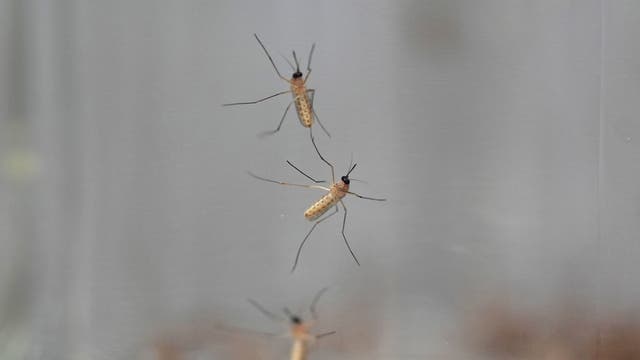
Pest-specific quick wins
These are the fixes I turn to first. They are low risk and high impact.
Ants
- Find and seal the entry line. Clean trails with soapy water.
- Set bait stations outside the door, not in the middle of the kitchen. Keep counters dry.
Cockroaches
- Dry the zone under sinks. Fix leaks and caulk gaps.
- Use sticky traps at wall edges. Vacuum droppings and egg cases. Starve them of grease.
Rodents
- Seal holes with steel wool plus caulk. Add door sweeps.
- Place snap traps along baseboards. Pre-bait for a day without setting to build trust.
Bed bugs
- Heat kills fast. Use a dryer and a steamer on seams.
- Use encasements and vacuum often. Reduce hiding spots by decluttering.
Flies and mosquitoes
- Drain standing water weekly. Clean drains with a stiff brush.
- Install screens and keep doors closed. Use fans on patios; wind disrupts flight.
When people ask how to deal with pests without chemicals, these targeted steps often do the trick.

Mistakes to avoid and when to call a pro
I learned these lessons the hard way. Skip them and save time.
Common mistakes:
- Skipping the seal-and-dry step You cannot out-trap a leak or a gap.
- Overusing sticky traps Traps help, but they do not fix the source.
- Ignoring clutter Pests love piles. Clear floors and corners.
Call a pro if:
- You have stings, bites, or health risks.
- You see many rodents or bed bugs after strong prevention steps.
- You need whole-house heat treatment or safe wildlife removal.
A good pro can teach you how to deal with pests without chemicals and set up long-term IPM. Ask for monitoring, exclusion, and least-risk methods first.

Frequently Asked Questions of how to deal with pests without chemicals
What is the fastest way to start without chemicals?
Seal entry points, remove food and water, and set traps. This cuts pest numbers fast and keeps new ones out.
Do “natural” sprays count as chemicals?
Many do. If you want true no-chemical control, focus on sealing, cleaning, traps, heat, cold, and biology.
How long until I see results?
Often within days for ants and roaches once leaks are fixed. Bed bugs and rodents may take weeks with steady work.
Can I make my home pest-proof for good?
You can get very close. Keep up with maintenance, monitor hotspots, and fix gaps each season.
Is how to deal with pests without chemicals cheaper than sprays?
Usually yes over time. Upfront work saves on repeat treatments and prevents damage.
Conclusion
You now have a clear, step-by-step plan. Block entry. Remove food and water. Monitor. Use traps, heat, cold, and natural allies. This is how to deal with pests without chemicals and keep control for the long haul.
Pick one area today and start with sealing and drying. Then add monitors and traps this week. Want more tips like this? Subscribe, share your results, or ask a question so we can solve it together.

Laura Bennett is a gardening writer at MyGardenLabs who creates beginner-friendly guides focused on solving common plant care and gardening problems.