How To Reuse Containers For Gardening: Easy Upcycling Tips
Clean safe containers, add drainage and fresh mix, then plant what fits.
If you want a garden on a tight budget, this guide shows how to reuse containers for gardening with skill. I have turned yogurt tubs, paint buckets, tote bins, and tea tins into thriving planters. You will learn how to reuse containers for gardening the right way, avoid common mistakes, and grow more food with less waste. Stick with me, and you will feel ready to start today.

Why reusing containers works
Reusing containers cuts costs, saves space, and keeps items out of landfills. It also lets you grow almost anywhere, even on a small balcony. This approach is ideal for herbs, greens, and many flowers.
I have tested dozens of odds and ends over the years. The key is drainage, clean surfaces, and a good potting mix. When you learn how to reuse containers for gardening, you open the door to fresh produce and a greener home.
Safety first: what is safe to plant in
Safety comes before style. Not every container is food-safe. Some materials can leach chemicals or metals.
Choose food-safe plastics and avoid risky ones.
- Good choices: #2 HDPE, #4 LDPE, #5 PP
- Use with care: #1 PET for short-term crops
- Avoid for food: #3 PVC, old #7 polycarbonate
Metal can work. Line painted or rusted metal with a food-safe liner. Galvanized steel is often fine for ornamentals. For food crops, line it and avoid very acidic soil.
Terracotta breathes and keeps roots cool but dries fast. Unglazed pots need more water. Glazed ceramic is safe if the glaze is lead-free.
Skip containers that held pesticides, solvents, or motor oil. If you are unsure, do not plant food in it. This is a core rule in how to reuse containers for gardening.
Step-by-step: how to reuse containers for gardening
Use this simple process for any container, large or small.
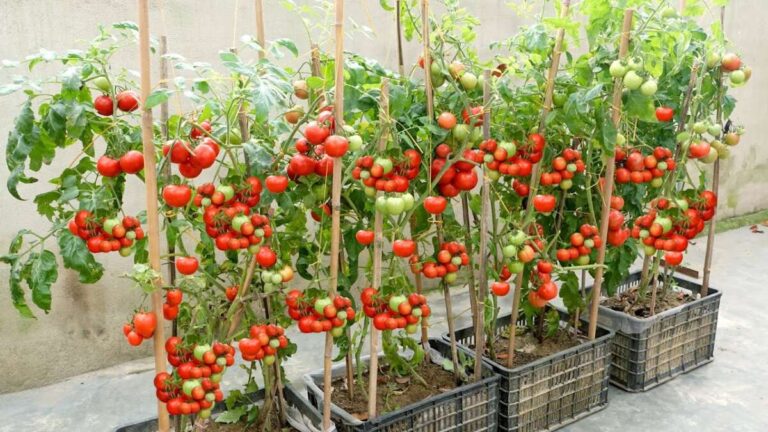
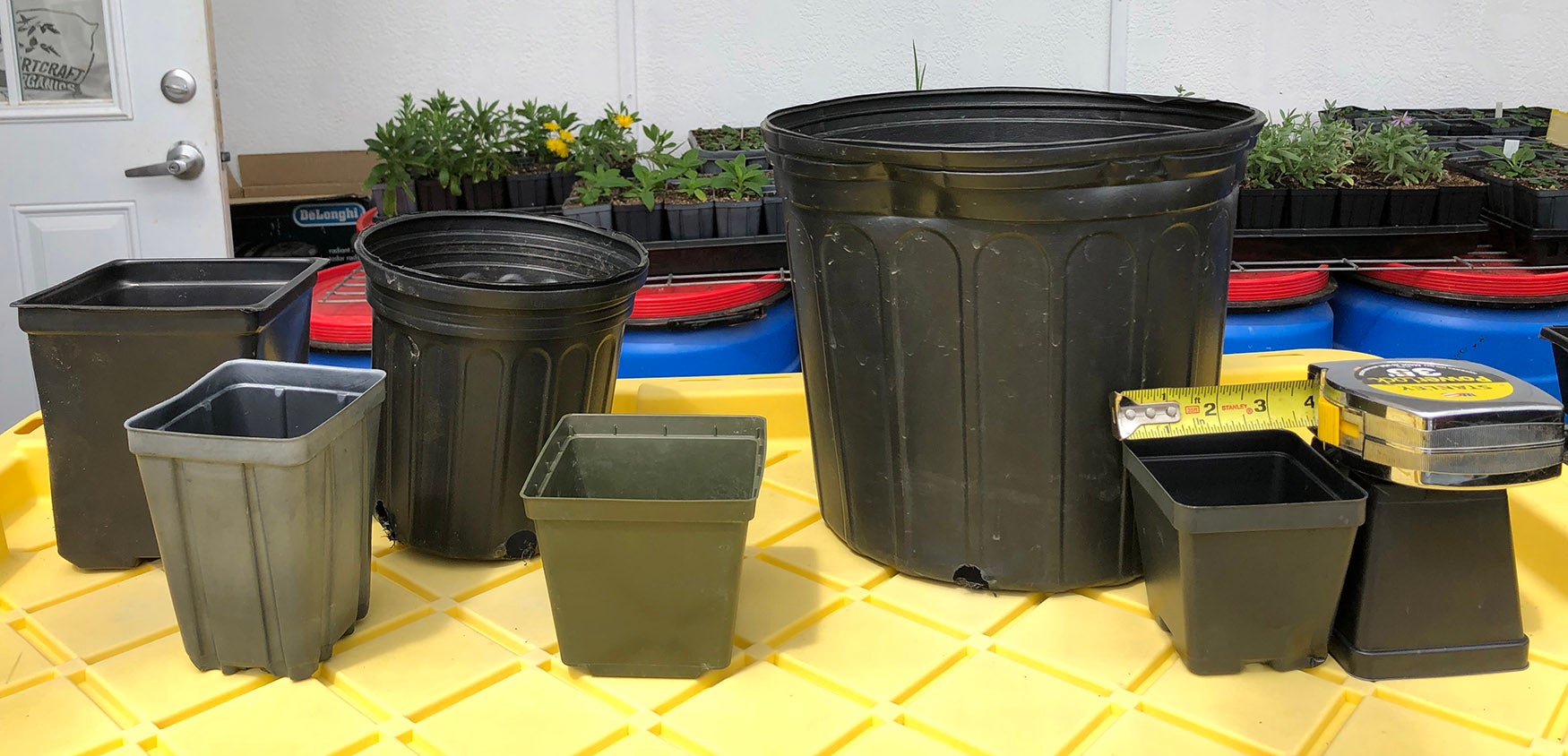
- Pick the right size: Match container volume to plant needs. Lettuce can grow in 1 gallon. Peppers need 3 to 5 gallons. Tomatoes do best in 10 gallons or more.
- Clean well: Scrub with soap and hot water. Disinfect with 1 part bleach to 9 parts water. Or use 3% hydrogen peroxide. Rinse and dry.
- Add drainage: Drill several 1/4-inch holes in the base. Add two or three side holes slightly above the bottom. Cover holes with mesh or a coffee filter.
- Skip the gravel: Gravel at the bottom hurts drainage due to a perched water table. It traps water higher in the pot.
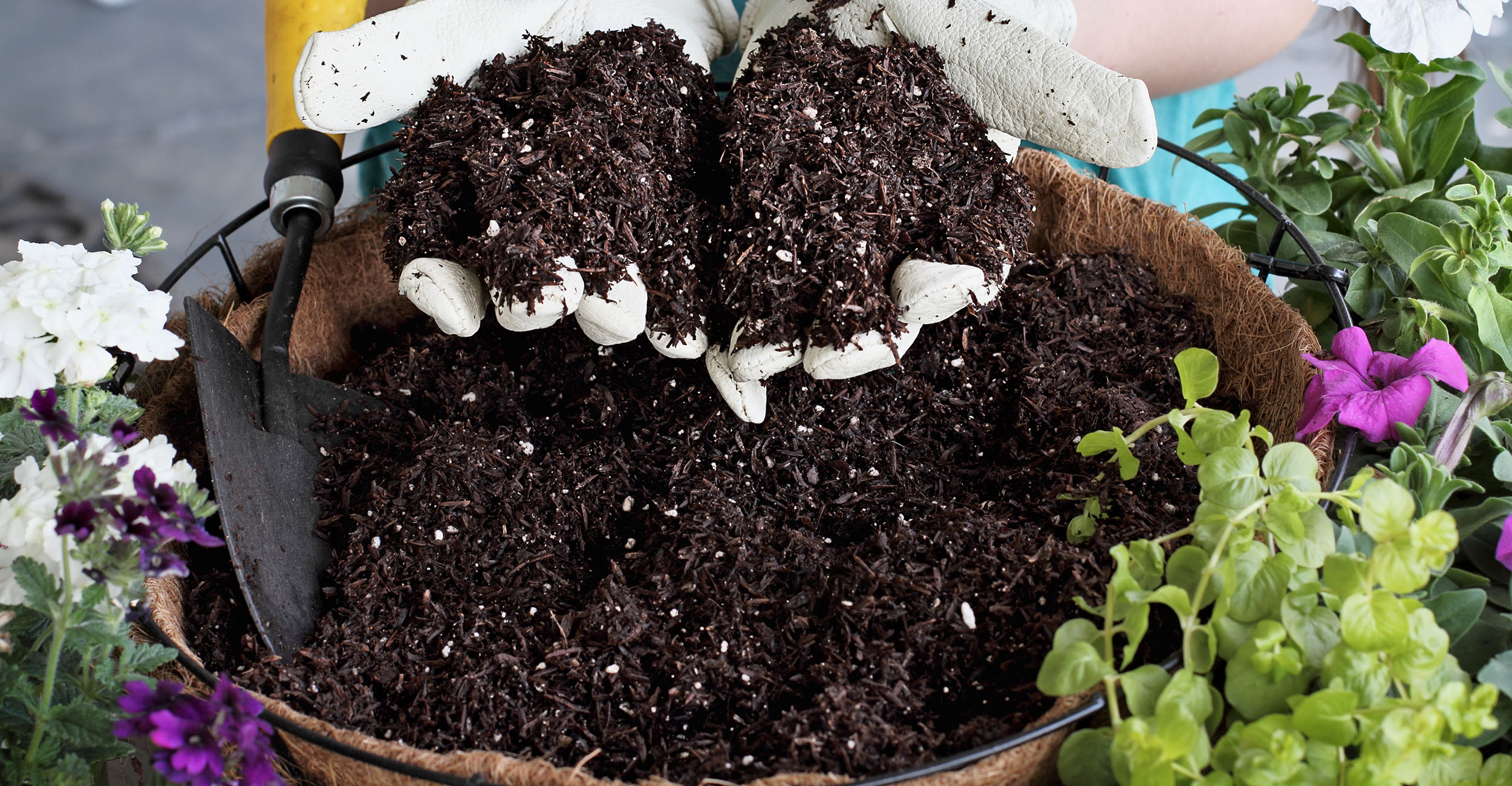
- Mix media: Use a potting mix, not garden soil. Blend two parts mix, one part compost, and one part perlite or coarse sand. This gives air and steady nutrients.
- Plant and water: Plant at the same depth as in the nursery pot. Water until you see a small drip from the holes.
- Place for sun: Most food crops need 6 to 8 hours of sun. Move light containers to follow the sun if needed.
- Feed and check: Add a slow-release fertilizer at planting. Top-dress with compost monthly.
I once used a 5-gallon paint bucket for a cherry tomato. I drilled six holes, added side vents, and lined the top with a thin mulch. The plant gave fruit for months. This is how to reuse containers for gardening with confidence.

Soil, water, and fertility for reused containers
Soil in containers is closer to hydroponics than a field. Air, moisture, and nutrients must stay in balance.
- Best base: Peat or coco coir holds water. Perlite or pumice adds air. Compost adds food and biology.
- Watering: Push a finger into the mix. If it is dry to your first knuckle, water. Try bottom watering for small pots to avoid fungus gnats.
- Fertility: Use a slow-release organic fertilizer at planting. Boost heavy feeders with a liquid feed every 2 to 3 weeks. Rinse salts by watering deeply once a month.
If you master this part, you will know how to reuse containers for gardening without stress. The plants will tell you. Yellow leaves can mean low nitrogen. Wilting at noon can mean small roots or heat, not always dry soil.
Smart ideas: container types and what to grow
Here are practical matches that work well when you learn how to reuse containers for gardening.
- Coffee cans: Great for herbs like basil, chives, and mint. Drill four holes.
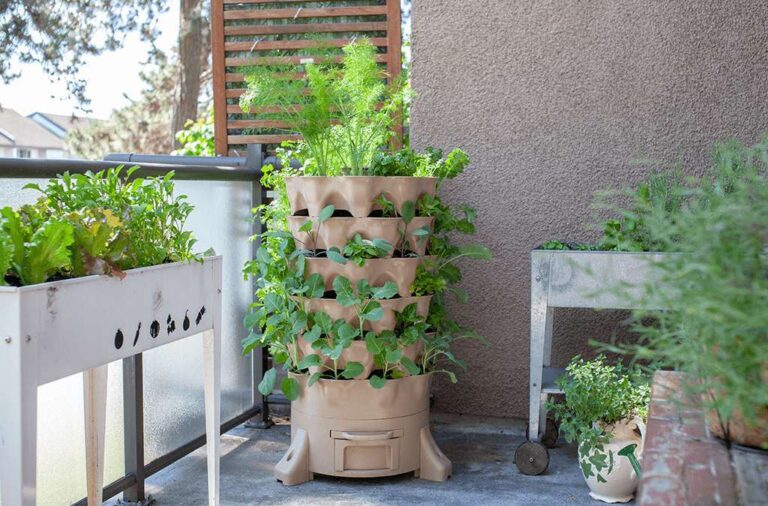
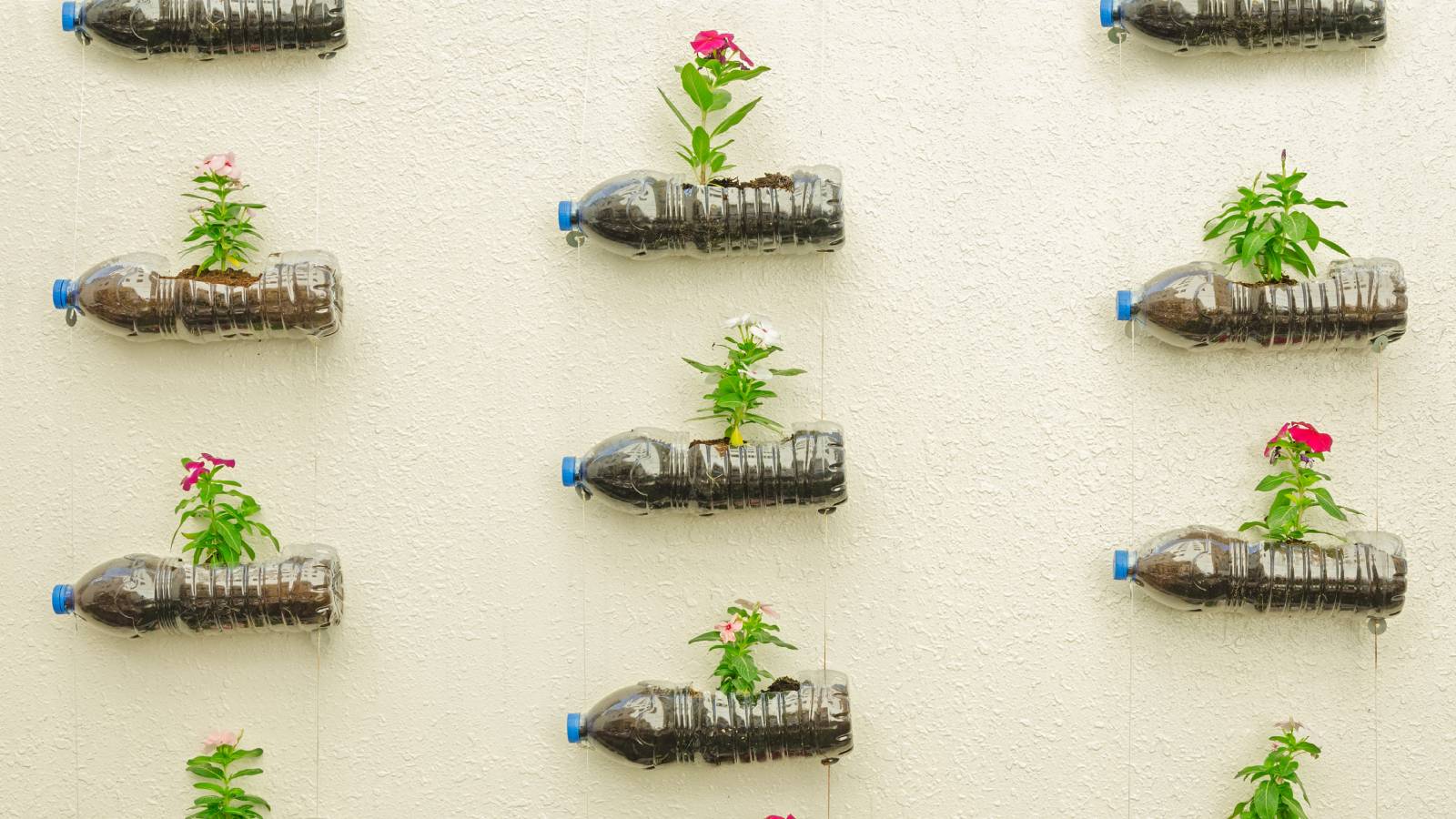
- 2-liter bottles: Cut in half for seedlings or a herb tower.
- Tote bins: Turn into salad boxes. Drill many holes. Plant cut-and-come-again greens.
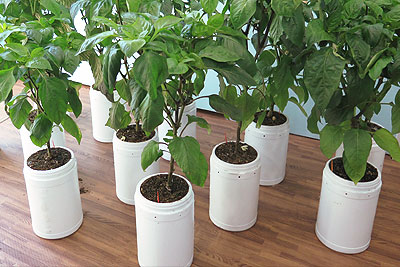
- Buckets: Excellent for peppers, eggplant, and dwarf tomatoes. Add a stake.
- Wine crates or drawers: Line with landscape fabric. Grow lettuce, radish, and strawberries.
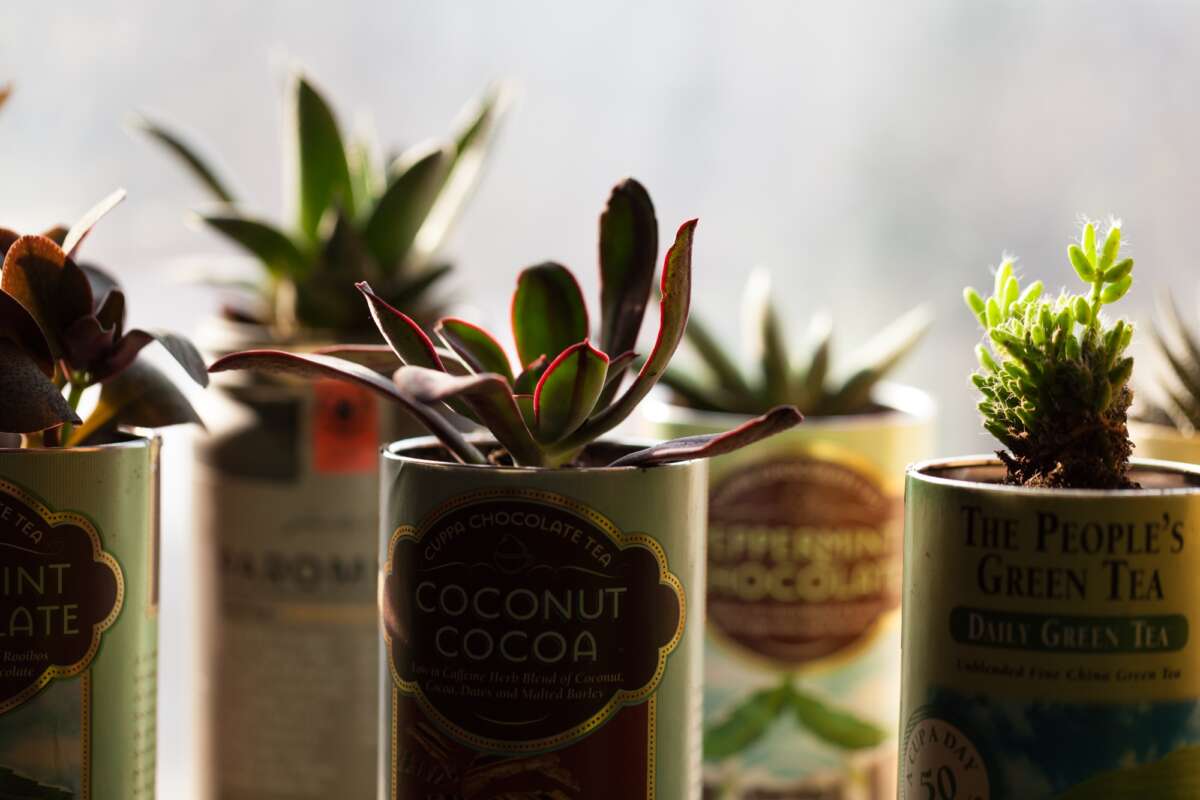
- Tea tins and kettles: Nice for kitchen herbs. Keep near a sunny window.
Match plant needs to root depth.
- Shallow roots (6 to 8 inches): Lettuce, arugula, spinach, radish
- Medium roots (8 to 12 inches): Basil, beans, peppers, chard
- Deep roots (12 inches or more): Tomatoes, carrots, dwarf squash
Placement, sun, and microclimate tips
Small moves can double your harvest. Dark containers heat up fast. Light-colored containers keep roots cooler in summer.
- Track the sun: Note where light falls at 9 a.m., noon, and 3 p.m. Move pots as seasons change.
- Block wind: Use a fence or a row of taller pots to reduce stress and water loss.
- Use heat sinks: A brick wall stores heat for peppers and tomatoes in spring.
- Elevate pots: Pot feet or bricks stop waterlogging and reduce pests.
This mindset is central to how to reuse containers for gardening in tight spaces.
Care, maintenance, and troubleshooting
A small issue in a pot becomes big fast. Check plants often.
- Overwatering: Leaves yellow from the bottom. Let the top inch dry. Improve airflow and light.
- Underwatering: Leaves droop and feel dry. Water slowly until it drains.
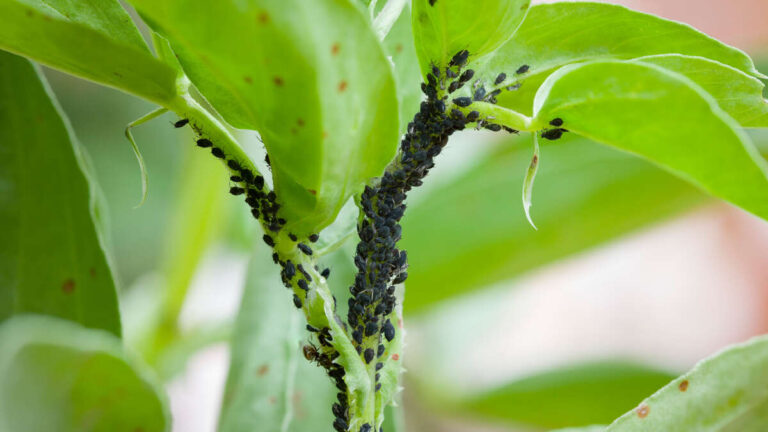
- Pests: Check leaf undersides. Knock off aphids with water. Use insecticidal soap if needed.
- Root-bound plants: If roots circle the pot, upsize one container size.
At season’s end, empty soil used for annuals into a compost pile or a flower bed. Clean and store containers out of sun. This habit extends tool life and supports how to reuse containers for gardening year after year.

Budget and sustainability wins
Reusing beats buying new, but you can stack more gains.
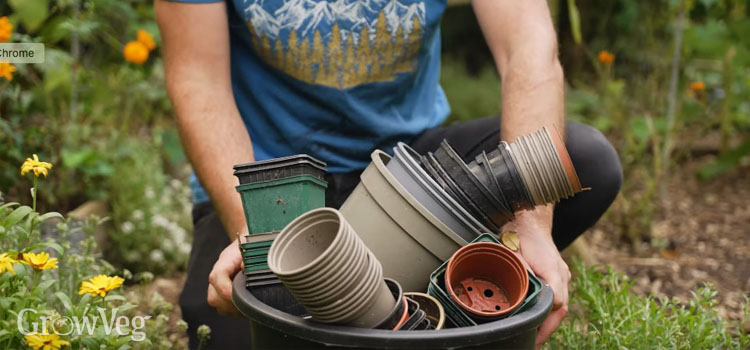
- Source free pots: Ask local cafes for food-safe buckets. Garden centers often give away nursery pots.
- Line and paint: Use non-toxic exterior paint to refresh old surfaces. Add a liner for food crops.
- Harvest water: Place pots near a rain barrel. Use a watering can to prevent runoff.
- Share and swap: Trade spare containers and cuttings with neighbors.
These small steps make how to reuse containers for gardening even more rewarding and earth-friendly.
Frequently Asked Questions of how to reuse containers for gardening
What containers should I avoid for food crops?
Skip anything that held chemicals, paint thinners, or oil. Avoid #3 PVC and old #7 polycarbonate for long-term food use.
How many drainage holes do I need?
Aim for four to eight holes for a 5-gallon bucket. Add two side holes near the base to prevent waterlogging.
Can I use garden soil in a reused container?
It compacts and drains poorly in pots. Use a potting mix with compost and perlite for air and steady moisture.
Do I need to sterilize old pots?
Yes, clean with soap, then disinfect with a 1:9 bleach mix or 3% hydrogen peroxide. Rinse well and dry before planting.
What is the best way to water reused containers?
Water when the top inch feels dry. Soak until you see a small drain, and avoid light, frequent sips.
How can I grow tomatoes in reused containers?
Use at least a 10-gallon pot, rich potting mix, and a sturdy stake. Feed every 2 to 3 weeks and keep soil evenly moist.
Will painted containers harm plants?
Use non-toxic, exterior-grade paint and let it cure fully. For food crops, add a food-safe liner for extra safety.
Conclusion
Reusing containers turns everyday items into a living garden. Clean well, add solid drainage, use a light potting mix, and match plants to pot size. With those steps, you now know how to reuse containers for gardening in a smart, safe, and low-cost way.
Start with two or three planters this week. Track what works, fix what does not, and expand next season. If this helped, subscribe for more practical guides, share your wins, or ask a question in the comments.

Laura Bennett is a gardening writer at MyGardenLabs who creates beginner-friendly guides focused on solving common plant care and gardening problems.