How To Grow Vegetables In Pots For Beginners: Easy Steps
Start with big pots, quality potting mix, full sun, and steady watering.
You can grow a small farm on a balcony if you understand the basics. I’ve coached hundreds of new gardeners and tested setups in tight spaces. In this guide, I’ll show you how to grow vegetables in pots for beginners with simple steps, clear tools, and real results. Expect practical advice, easy wins, and fixes when things go sideways.
Containers That Set You Up For Success
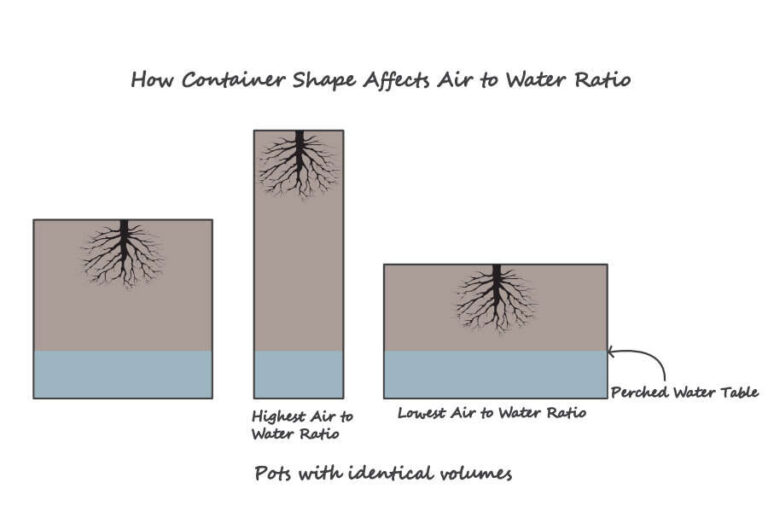
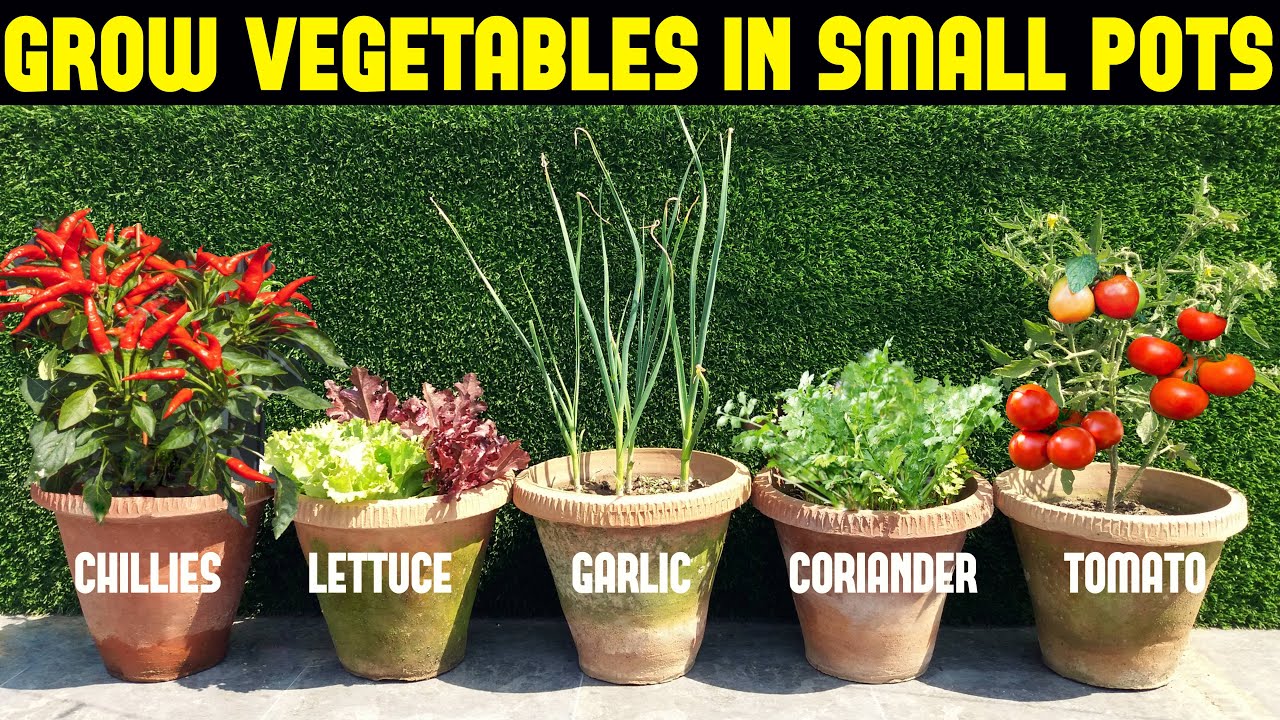
If you want a smooth start with how to grow vegetables in pots for beginners, your container choice matters most. Bigger pots are more forgiving. They hold more water, buffer roots from heat, and give plants room.
Look for containers with several drainage holes. Add a small pot-foot or bricks under each pot to help water escape. Choose materials that fit your climate and lifestyle.
- Plastic or resin: Light, affordable, slow to dry out.
- Fabric grow bags: Great drainage, air-prunes roots, dries faster.
- Glazed ceramic: Stable and pretty, can be heavy, moderate drying.
- Terra-cotta: Breathes well, dries fast, good in humid climates.
Recommended minimum sizes by crop
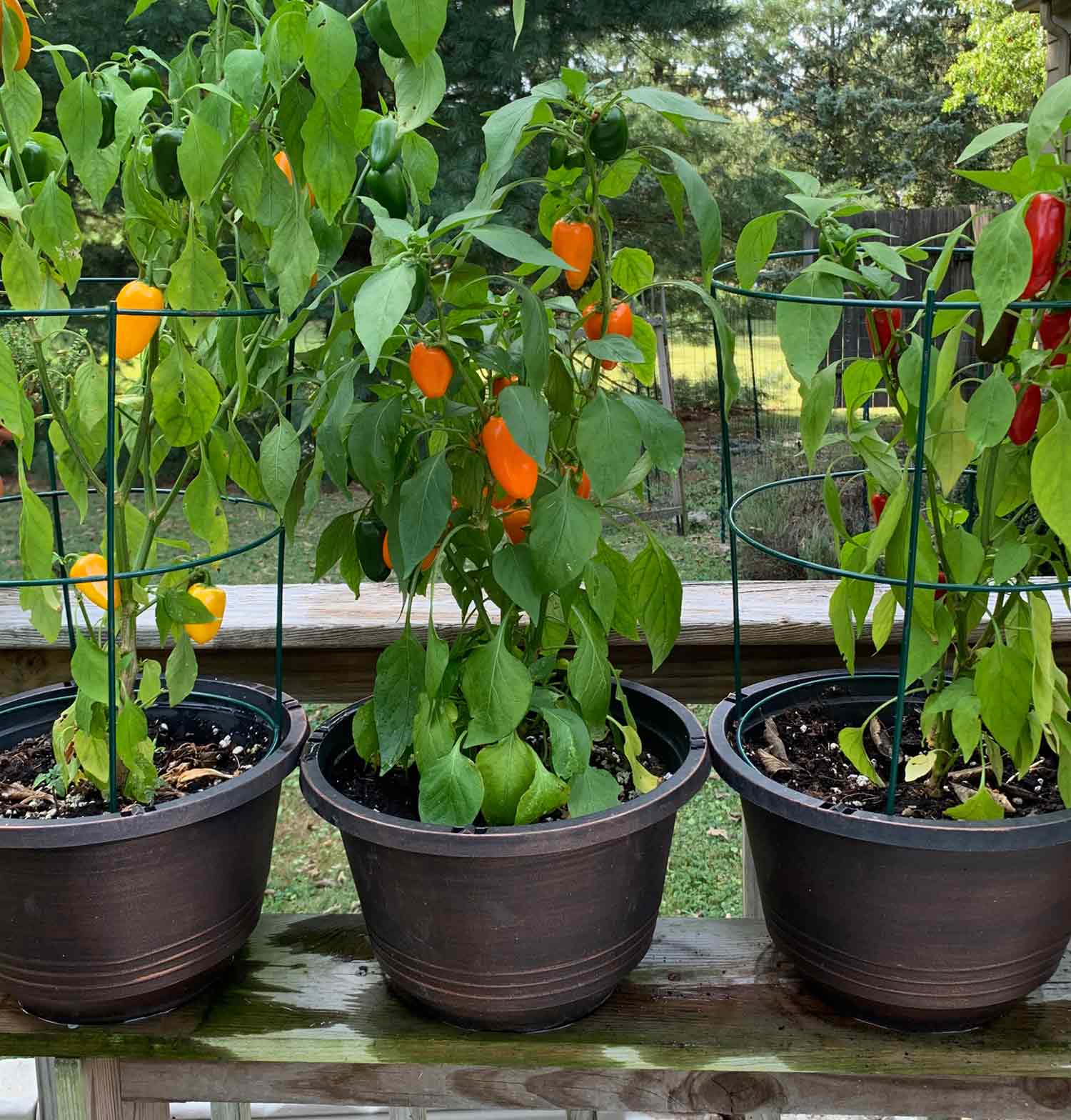
- Tomatoes and peppers: 10–15 gallons per plant.
- Cucumbers and zucchini: 10–15 gallons with a trellis.
- Eggplant: 7–10 gallons.
- Bush beans: 3–5 gallons for 3–4 plants.
- Lettuce and spinach: 1–3 gallons per 2–3 plants.
- Carrots and radishes: 2–5 gallons, 10–12 inches deep.
- Herbs like basil and parsley: 1–3 gallons.
Pro tip from my patio: I moved a cherry tomato from a 5-gallon to a 15-gallon pot and doubled harvest. Roots need room.
The Right Potting Mix (Not Garden Soil)
A smart soil plan is a cheat code for how to grow vegetables in pots for beginners. Do not use ground soil. It compacts, holds water unevenly, and can carry pests.
Use a high-quality potting mix. It should be light, fluffy, and drain well. I like this simple blend that has worked across summers and winters:
- 60% peat moss or coconut coir for water retention.
- 30% compost for nutrients and biology.
- 10% perlite or pumice for drainage and airflow.
Helpful add-ons
- Slow-release organic fertilizer mixed in at planting.
- A scoop of worm castings for a mild nutrient boost.
- A handful of biochar or rice hulls for structure.
- pH target 6.0–7.0 for most veggies.
Scientific trials show healthy potting mixes reduce disease and improve yields. That’s because roots breathe better, and good microbes thrive.
:max_bytes(150000):strip_icc()/great-vegetables-to-grow-in-containers-848214-hero-65f115c9dab2463293b8296e85a73a71.jpg)
Sunlight and Placement
Sun is fuel. For how to grow vegetables in pots for beginners, aim for 6–8 hours of direct sun daily. Fruiting crops like tomatoes and peppers love full sun. Leafy greens do fine with 4–6 hours and some afternoon shade.
Watch your space for a day. Note where sun hits longest. Move pots to the brightest zone, and rotate them weekly for even growth.
- South-facing spaces: Best for heat-loving crops.
- East-facing spaces: Great morning sun, gentle on leaves.
- West-facing spaces: Hot afternoons; add shade cloth in summer.
- North-facing spaces: Grow greens, herbs, and peas.
Wind dries pots fast. Use walls or screens for shelter. On hot balconies, light-colored pots and mulch keep roots cool.
Watering Made Simple
If there’s one habit that decides success with how to grow vegetables in pots for beginners, it’s watering. Pots dry faster than ground beds. Keep water steady, not soaked.
Use the finger test before you water. If the top inch is dry, water. If it’s still moist, wait. Water in the morning so leaves dry fast and roots drink well.
- Water deeply until it drains out the bottom.
- Lift the pot after watering to learn the “wet weight.”
- Mulch the top with straw or shredded leaves to reduce evaporation.
- Self-watering containers or drip lines save time in summer.
- On very hot days, shallow pots may need a second drink.
I keep a cheap moisture meter for backup. It prevents guesswork.
Planting: Seeds vs. Seedlings
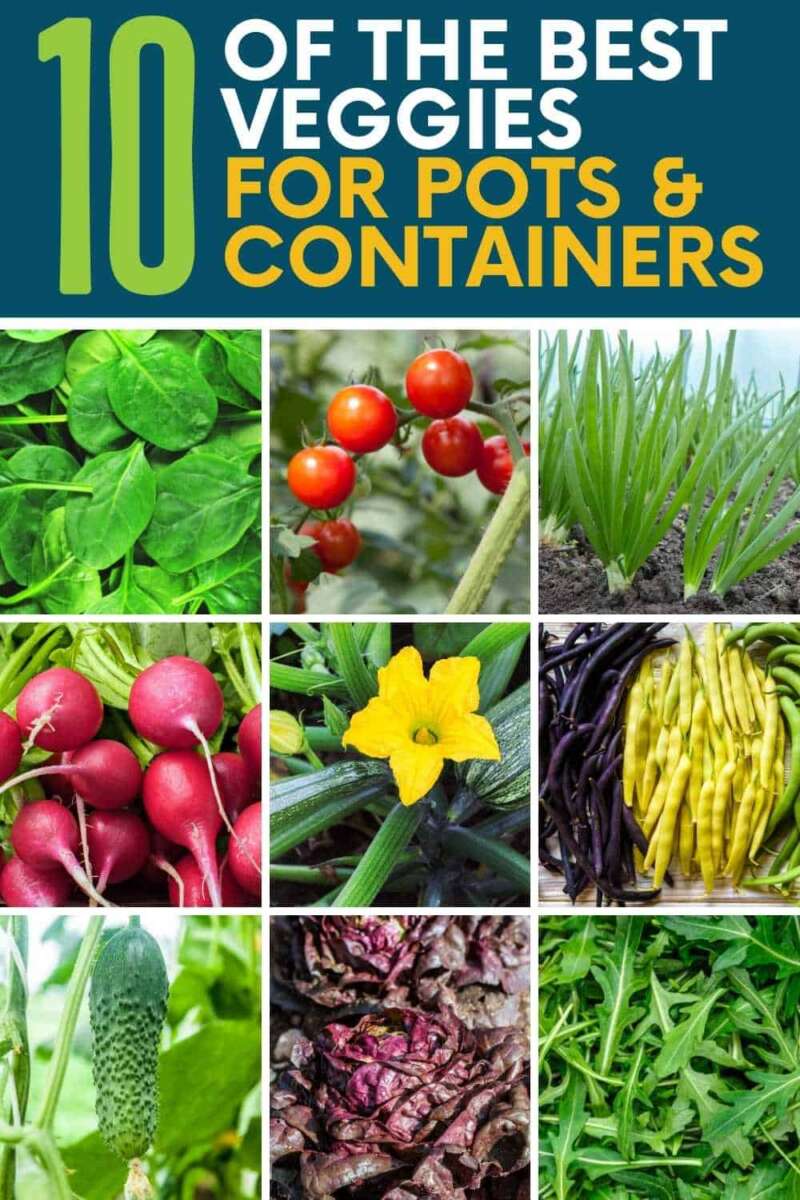
Here’s how to grow vegetables in pots for beginners without overthinking it: start easy. Use seedlings for tomatoes, peppers, and eggplant. Direct sow fast crops like lettuce, spinach, arugula, peas, beans, radishes, and carrots.
Planting basics
- Depth: Most seeds like 2–3 times their diameter.
- Spacing: Follow the label, then adjust for pots. For example, plant 1 tomato per 10–15 gallon pot, 4–6 lettuce in a 5-gallon pot.
- Timing: Follow your local frost dates. Warm crops wait for warm nights.
- Succession: Sow small batches every 2–3 weeks for steady harvests.
One trick I use: sow 20% more seeds than you need. Thin to the strongest seedlings. It’s easier to thin than replant.
:max_bytes(150000):strip_icc()/tomato-plant-494972782-1eb7eb60d7cf4beea010c7c304dca95b.jpg)
Feeding and Fertilizer Schedule
Feeding is a key pillar in how to grow vegetables in pots for beginners because nutrients in containers run out faster. Mix a slow-release fertilizer into the potting mix at planting. Then feed with a gentle liquid every 1–2 weeks.
Match nutrients to growth stage
- Early growth: More nitrogen for leafy growth.
- Flowering and fruiting: Balanced or higher potassium and phosphorus.
- Leafy greens: Stay with balanced or nitrogen-lean feeds to avoid bitterness.
Easy schedule
- Week 0: Slow-release in mix.
- Weeks 2–4: Start liquid feed every other week.
- Mid-season: Top-dress with compost and reapply slow-release.
- Late season: Back off nitrogen to focus on fruit.
If leaves yellow between veins, add iron or magnesium. If growth is lush but few fruits, reduce nitrogen.

Support, Pruning, and Training
Plants are like tents. They stand better with poles and lines. Support is part of how to grow vegetables in pots for beginners that most people skip, then regret when stems snap.
- Tomatoes: Use a cage at planting. Prune suckers on indeterminate types to keep air moving.
- Cucumbers: Trellis up a string or mesh. Harvest often to keep plants producing.
- Peppers and eggplant: Stake early. Heavy fruit can bend stems.
- Herbs: Pinch basil tops often. It gets bushy and sweet.
Keep air flowing. Do not cram too many plants in a pot. Space between leaves cuts disease risk.

Pest and Disease Basics
Even the best setups get pests. Part of how to grow vegetables in pots for beginners is spotting trouble early. Check leaves every few days, top and bottom.
Common issues
- Aphids and whiteflies: Spray water, then insecticidal soap or neem oil.
- Spider mites: Mist leaves, increase humidity, and use miticide soap.
- Caterpillars: Hand-pick or use a BT product.
- Powdery mildew: Improve airflow, avoid late overhead watering, use approved fungicides when needed.
- Blossom end rot on tomatoes: Keep watering even; add calcium if needed.
Quarantine new plants. Clean snips with alcohol. Remove dead leaves from soil. Healthy, well-watered plants resist pests better.

Seasonal and Climate Tips
Climate shapes how to grow vegetables in pots for beginners more than any product. Track your frost dates. Aim your planting around them.
Warm regions
- Use shade cloth in heat waves.
- Water early and mulch deep.
- Choose heat-tolerant varieties like cherry tomatoes and Malabar spinach.
Cool regions
- Start seeds indoors 4–8 weeks early.
- Use black pots for warmth.
- Try cold-tolerant crops: peas, kale, radishes, lettuce.
Shoulder seasons
- Roll pots on dollies to chase sun or hide from frost.
- Cover plants with a breathable frost cloth on cold nights.
- Use cloches or mini-greenhouses to gain a few degrees.
Simple Pot Plans You Can Copy
If you’re mapping how to grow vegetables in pots for beginners, use these proven kits. They fit on a small patio and deliver steady harvests.
Five-pot balcony garden
- Pot 1, 15 gallons: One cherry tomato, caged. Underplant basil.
- Pot 2, 10 gallons: Two bush cucumbers on a trellis.
- Pot 3, 7 gallons: One pepper, plus green onions at edges.
- Pot 4, 5 gallons: Cut-and-come-again lettuce mix. Sow every 3 weeks.
- Pot 5, 5 gallons: Carrots, 12 inches deep. Thin to a finger-width.
Fast salad box (two 5-gallon pots)
- Pot A: Arugula and spinach. Harvest baby leaves after 25–30 days.
- Pot B: Radishes and green onions. Sow radishes every 10 days.
Herb trio (three 2–3 gallon pots)
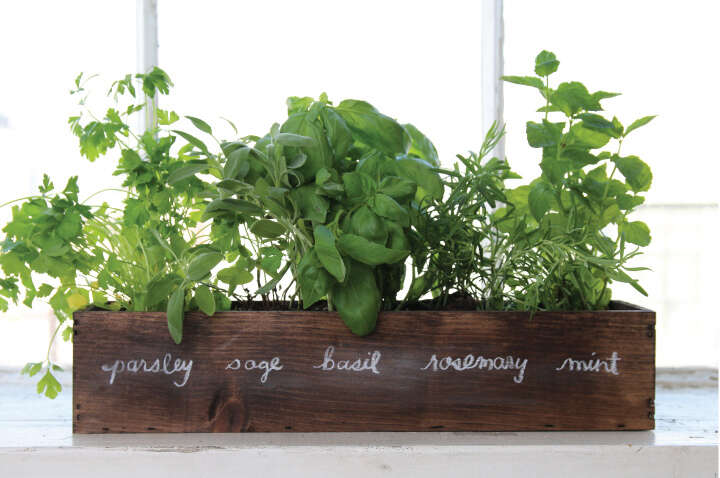
- Basil, parsley, mint. Keep mint in its own pot to avoid takeover.
Yield notes from my setups: one 15-gallon cherry tomato gives several pints a week in peak season. The lettuce pot refills every 5–7 days if you harvest outer leaves.
Tools and Setup Checklist
Simple tools remove friction. A short list helps you master how to grow vegetables in pots for beginners without clutter.
- Watering can with a rose or a gentle nozzle.
- Moisture meter or your finger.
- Pruners or sharp scissors.
- Organic slow-release fertilizer and a liquid feed.
- Mulch like straw or shredded leaves.
- Stakes, trellis, or cages.
- Pot feet or bricks for drainage.
- A small notebook or notes app to track sun, water, and harvests.
Lay everything out once. You’ll move faster all season.
Common Mistakes to Avoid
Avoid these pitfalls to smooth your path with how to grow vegetables in pots for beginners.
- Using garden soil in pots: It compacts and suffocates roots.
- Tiny pots for big plants: Go larger to avoid stress.
- Inconsistent watering: Causes blossom end rot and bitter greens.
- Overcrowding: Spreads disease and lowers yields.
- Skipping supports: Leads to broken stems and messy plants.
- Ignoring sun changes: Move pots as seasons shift.
- Feeding too hard or too late: Causes leafy growth and few fruits.
I’ve made all these mistakes. The fixes are simple. The payoff is big.
Frequently Asked Questions of how to grow vegetables in pots for beginners
What are the easiest vegetables to grow in pots?
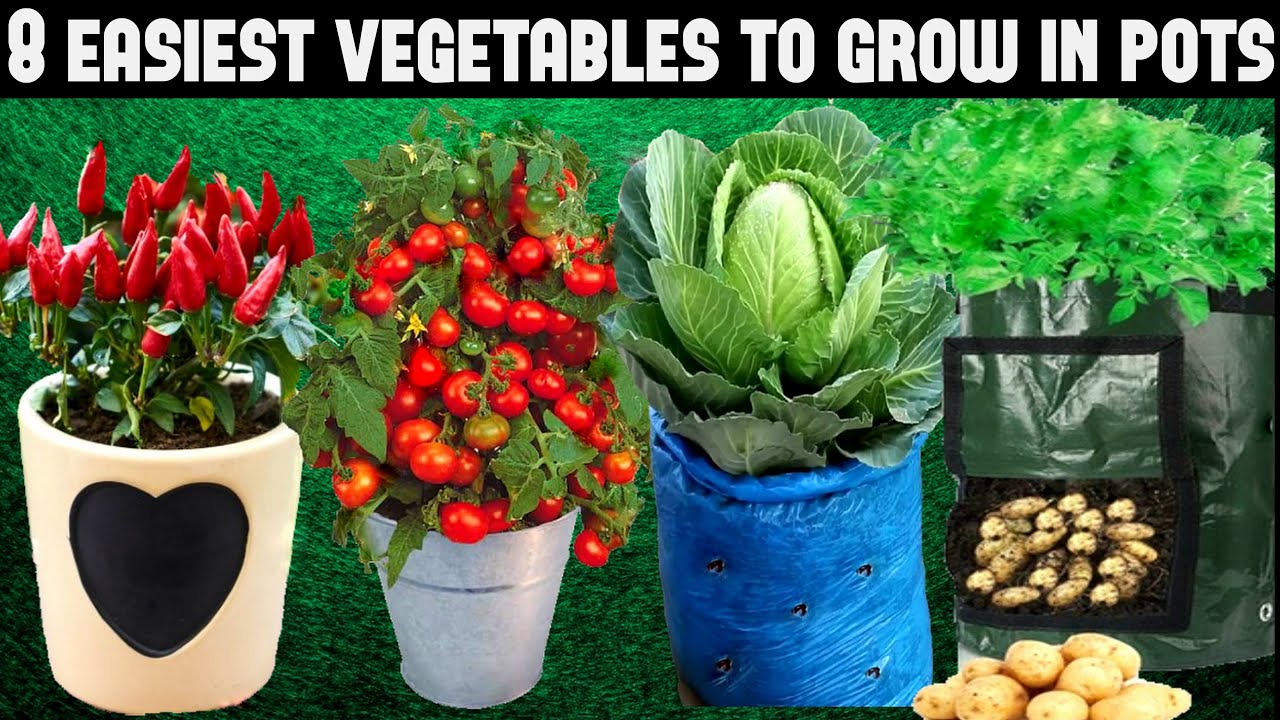
Start with lettuce, spinach, radishes, bush beans, and cherry tomatoes. They grow fast, forgive mistakes, and taste great fresh.
How often should I water potted vegetables?
Water when the top inch feels dry. In summer, most pots need water daily; in spring and fall, every 2–3 days may work.
Can I reuse potting mix next season?
Yes, refresh it. Remove old roots, mix in 30–50% new potting mix or compost, and add slow-release fertilizer.
Do I need to fertilize if I used compost?
Usually yes. Compost feeds slowly. Add a balanced slow-release fertilizer and a gentle liquid feed every couple of weeks.
Why are my tomato leaves turning yellow?
It may be uneven watering, low nitrogen, or lack of sun. Check watering first, then feed and ensure 6–8 hours of light.
How big should the pot be for peppers?
Use at least 7–10 gallons per pepper plant. Bigger pots give better yields and steadier moisture.
Conclusion
You now have a clear path to grow real food in small spaces. Choose big pots, use a quality mix, give strong sun, water well, and feed on schedule. With those basics, your plants will reward you week after week.
Start with one or two pots this weekend. Keep notes, learn fast, and add more next month. If this helped, subscribe for more weekly tips or leave a comment with your setup and I’ll help you dial it in.

Laura Bennett is a gardening writer at MyGardenLabs who creates beginner-friendly guides focused on solving common plant care and gardening problems.