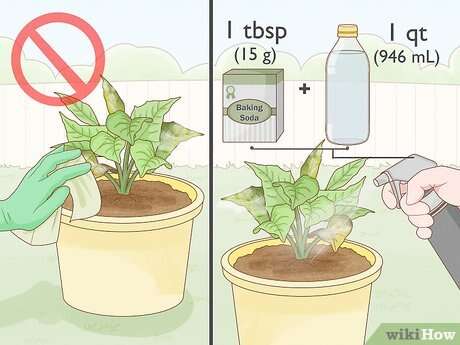
How To Prevent Mold In Potted Plants: Essential Tips 2026
Keep soil drier on top, improve airflow, water less, and use clean, draining pots.
You want clear, proven steps on how to prevent mold in potted plants. You will get them here. I grow and troubleshoot houseplants for a living. I have seen every fuzzy, green, and black patch there is. This guide shows how to prevent mold in potted plants with simple steps, smart tools, and steady care.

What mold is doing in your pots
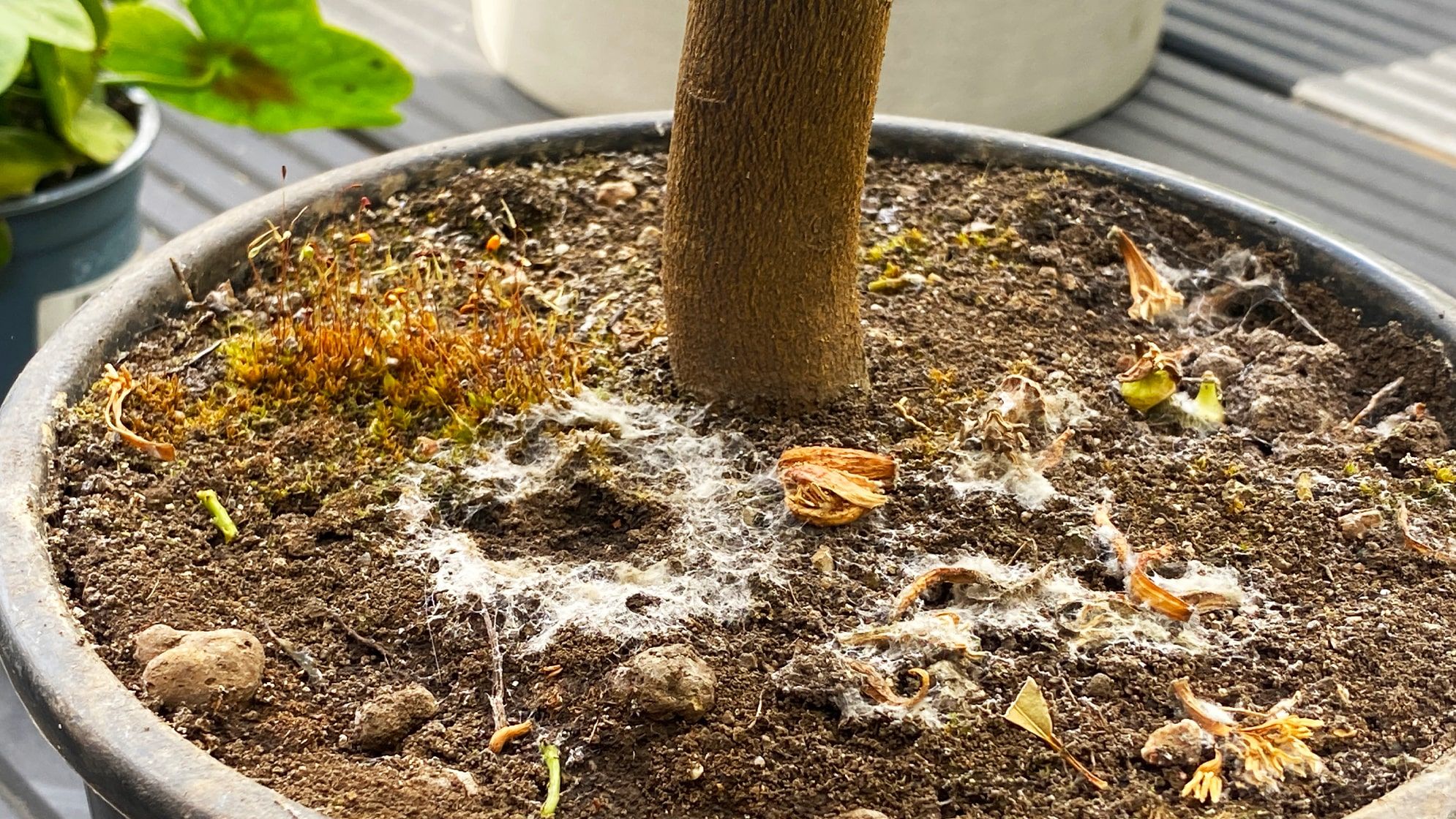
Mold loves damp, dark, and still air. It feeds on wet soil and dead bits. Overwatering is the usual trigger. Poor light and weak airflow help it spread. Cheap, heavy soil and pots without drainage make it worse.
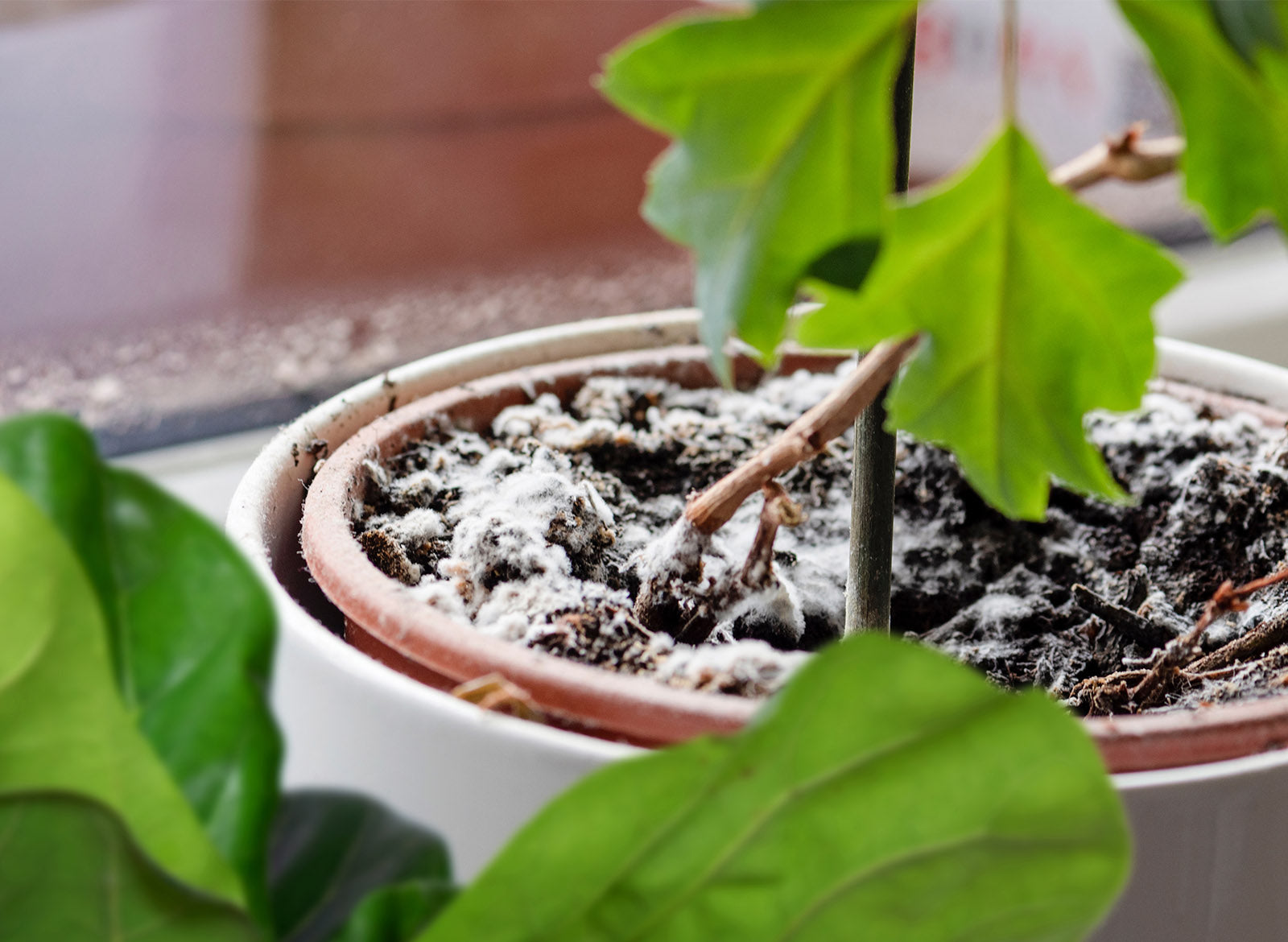
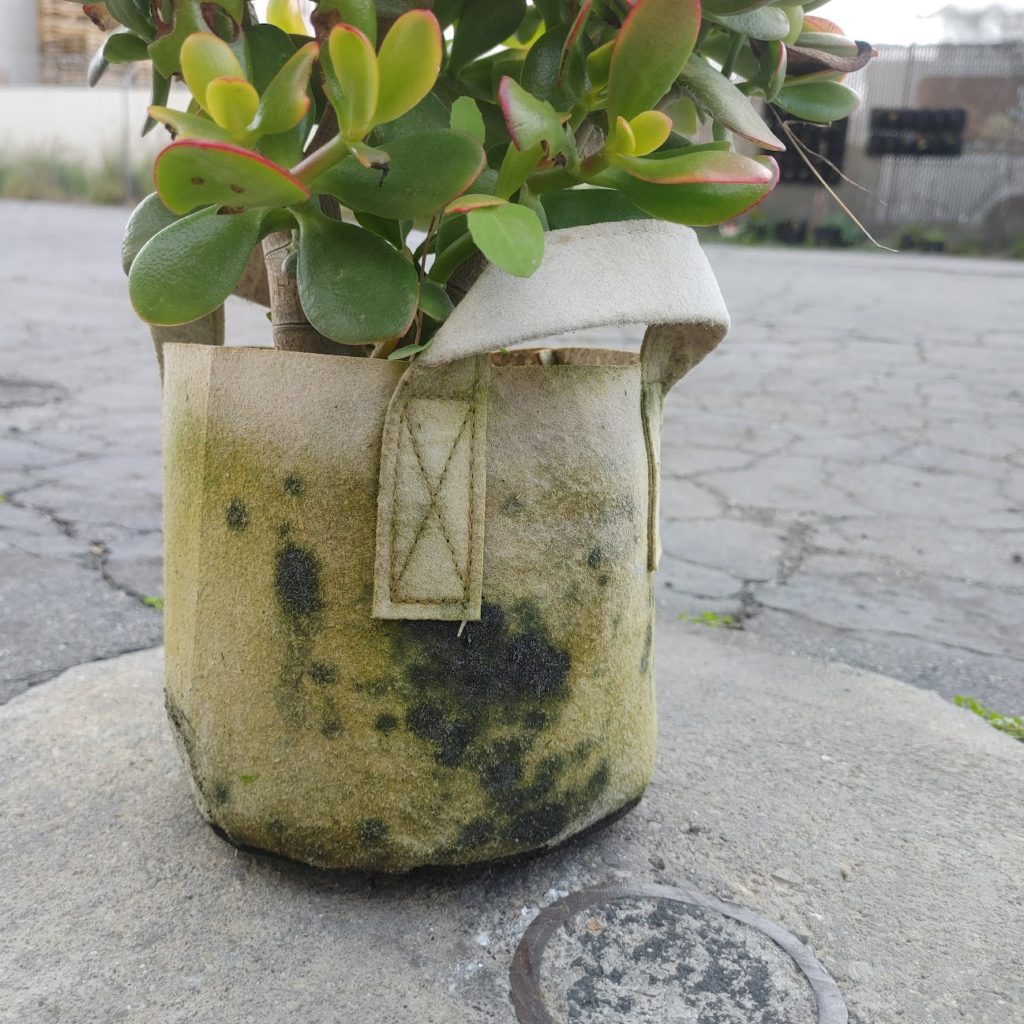
You may see white fuzz on the soil. You may smell a musty scent. You might spot green film or black dots. The plant may slow down. It might drop leaves. But do not panic. You can fix it with small changes that last.
I once had white fuzz on a pothos wall. It hit fast after a cold, dim week. My fix was simple. I let the top inch dry, moved a fan near it, and cleaned the pot lip. No more mold. This is how to prevent mold in potted plants in real life.
Watering that keeps mold away
Water is the big lever. Mold starts when soil stays wet for too long. If you master water, you master how to prevent mold in potted plants.
Follow these steps:
- Check first, water second. Press a finger into the top inch. If it feels dry, water. If it is damp, wait a day.
- Water deep, not often. Soak the soil until water exits the drain holes. Then empty the saucer.
- Water in the morning. Daylight and airflow help the surface dry by night.
- Bottom-water for thirsty plants. Set the pot in a tray of water for 10 to 15 minutes. Then drain well.
- Use a moisture meter if you are unsure. Aim for a dry top layer between drinks.
- Do not leave pots in standing water. Stagnant water breeds mold and gnats.
A rule I teach clients is simple. Dry top, moist core. That one tweak alone explains how to prevent mold in potted plants across many homes.

Soil and pot choices that block mold
Good soil drains fast and breathes well. That is core to how to prevent mold in potted plants.
Use these tips:
- Pick a high quality potting mix. It should feel springy and light. Look for perlite, bark, or pumice in the blend.
- Do not use garden soil indoors. It is heavy and often holds spores and pests.
- Add extra perlite or pumice for dense mixes. Aim for free flow after watering.
- Top-dress with a dry layer. A thin cap of horticultural sand, fine pumice, or LECA keeps the surface drier. Mold hates that.
- Try a small amount of activated charcoal in the mix. It helps with odor and improves drainage.
- Repot tired soil. If the mix compacts or smells sour, refresh it.
Choose the right pot:
- Always use a pot with drainage holes. No drainage, more mold.
- Terracotta breathes and helps soil dry. It is great for plants that hate wet feet.
- Clean old pots before reuse. Scrub with soap and hot water. Rinse. Wipe with alcohol.
These simple choices are a long term way to practice how to prevent mold in potted plants.
:max_bytes(150000):strip_icc()/how-to-prevent-and-treat-mold-in-houseplants-0123-2000-b009a2b8c8de4ff393809417cd559a1c.jpg)
Light, airflow, and humidity control
Light dries soil and fuels growth. Airflow cuts mold fast. Humidity matters too.
Make these moves:
- Give bright, indirect light. A window with filtered light is perfect. If light is low, use a grow light for 10 to 12 hours.
- Add gentle airflow. A small fan on low, not pointed right at plants, helps the surface dry.
- Space your pots. Leave a bit of air between them. Crowding traps moisture.
- Prune dense growth. Remove dead leaves on soil. Mold feeds on debris.
- Track humidity with a small meter. Most houseplants like 40 to 60 percent. If you keep it higher for tropicals, add more airflow.
I keep a clip fan near my plant shelf. It runs on a timer for a few hours a day. That one step changed how to prevent mold in potted plants for me and many clients.

Clean, monitor, and treat early
Catch mold early. Fast action saves time and roots.
Do this when you see mold:
- Scrape and toss the top half inch of soil. Use a clean spoon or scoop. Do not shake it indoors.
- Replace with fresh, dry potting mix. Or add a dry top-dress like sand or pumice.
- Wipe the pot rim. Use a cloth with 70 percent alcohol. Clean the saucer too.
- Improve airflow and light right away. Shift the plant closer to light if safe.
Safe treatments:
- Hydrogen peroxide drench. Mix 1 part 3 percent peroxide with 3 parts water. Pour once through the soil. It adds oxygen and helps curb microbes. Do not use daily.
- Biofungicide. Look for products with Bacillus or Trichoderma. They are gentle options for soil health.
- Cinnamon on the surface is a mild option. It may slow surface mold, but it will not fix root rot.
Avoid harsh bleach in soil. It can burn roots. Always test on one plant first.
Watch for fungus gnats. They love wet soil and mold. A dry top layer plus yellow sticky traps work well. This twin plan is key in how to prevent mold in potted plants.
Safety tip: Wear a mask if you are sensitive. Bag and bin moldy soil right away.
Seasonal routines and plant-specific notes
Seasons change your care. Adjust to stay ahead.
Winter:
- Light drops. Water less. Let the top inch dry more between drinks.
- Rooms run cooler. Soil stays wet longer. Use a fan or move the plant to a brighter spot.
Spring:
- Growth ramps up. Repot if roots circle the pot. Refresh soil and trim dead roots.
Summer:
- Heat speeds drying. Check moisture more often. Morning water helps with afternoon heat.
Plant types:
- Succulents and cacti want a very dry top. Use gritty soil and terracotta.
- Ferns like more moisture. Aim for even moisture but keep the surface tidy and clean.
- Orchids prefer bark mixes. Water runs through. Mold on bark means poor airflow or too frequent watering.
Matching care to the season and plant type is a smart part of how to prevent mold in potted plants.

A weekly checklist that works
Use this quick routine. It is my go-to method for how to prevent mold in potted plants.
- Check tops of pots. Dry top, water if needed. Damp top, wait.
- Empty all saucers. No standing water.
- Remove dead leaves and petals. Keep the surface clean.
- Rotate plants a quarter turn. This evens light and growth.
- Run a fan on low for an hour or two. Keep air moving.
- Scan for gnats. Use sticky traps if you see a few.
- Wipe pot rims and trays. Quick clean, big payoff.
Small habits beat big fixes. This is how to prevent mold in potted plants without stress.
:max_bytes(150000):strip_icc()/GettyImages-1248697271-e8da4b21941c45109ca5c12f0cca5a30.jpg)
Common mistakes to avoid
Skip these pitfalls. They invite mold.
- Watering on a fixed schedule. Plants need water based on light, pot, and season, not the day of the week.
- Pots without drainage. That is a mold magnet.
- Thick organic mulch indoors. It stays wet and feeds fungi.
- Reusing old, compacted soil. It lacks air pockets and holds too much water.
- Crowding too many plants together. Air stalls and surfaces stay damp.
- Reading every yellow leaf as thirst. Sometimes it is low light or age, not dry soil.
Avoiding these traps is a core part of how to prevent mold in potted plants.
Frequently Asked Questions of how to prevent mold in potted plants
Why does mold keep coming back on my soil?
The surface likely stays wet for too long. Dry the top layer, improve airflow, and reduce watering frequency.
Is mold on soil bad for my plant?
Light surface mold is mostly a sign of excess moisture. It can stress roots over time, so fix the cause early.
Can I use cinnamon to stop mold?
Cinnamon can slow surface growth. It is not a cure for deep moisture issues, so fix water and airflow.
Will repotting stop mold?
Repotting into fresh, well-draining mix helps a lot. Clean the pot, trim any mushy roots, and improve light and airflow.
Are terracotta pots better than plastic for mold control?
Terracotta breathes and dries faster, which helps. Plastic can work if you water less and ensure perfect drainage.
Does hydrogen peroxide harm roots?
Diluted 3 percent peroxide at 1 to 3 parts water is usually safe. Use it sparingly and only as a short-term aid.
How do I prevent mold when growing herbs indoors?
Use bright light, trim often, and keep the top soil dry. Water in the morning and use a dry top-dress like sand.
Conclusion
Mold thrives on wet soil, weak light, and still air. Your fix is simple. Keep the top soil dry, water less often, boost airflow, and use clean, draining pots. With these habits, you now know how to prevent mold in potted plants and keep them strong.
Start with one shelf today. Clean the pots, add a fan, and reset your watering rhythm. Want more plant care tips like this? Subscribe, share your wins, or drop a question in the comments.

Laura Bennett is a gardening writer at MyGardenLabs who creates beginner-friendly guides focused on solving common plant care and gardening problems.