How To Stop Fungus On Plant Leaves: Best Remedies 2026
Prune, improve airflow, water early, and apply fungicides to protect plant leaves.
Fungal spots can turn a healthy plant into a struggle in days. In this guide, I’ll show how to stop fungus on plant leaves with steps I use in real gardens. We’ll cover fast fixes, proven sprays, and habits that keep leaves clean season after season.
What leaf fungus looks like and why it starts
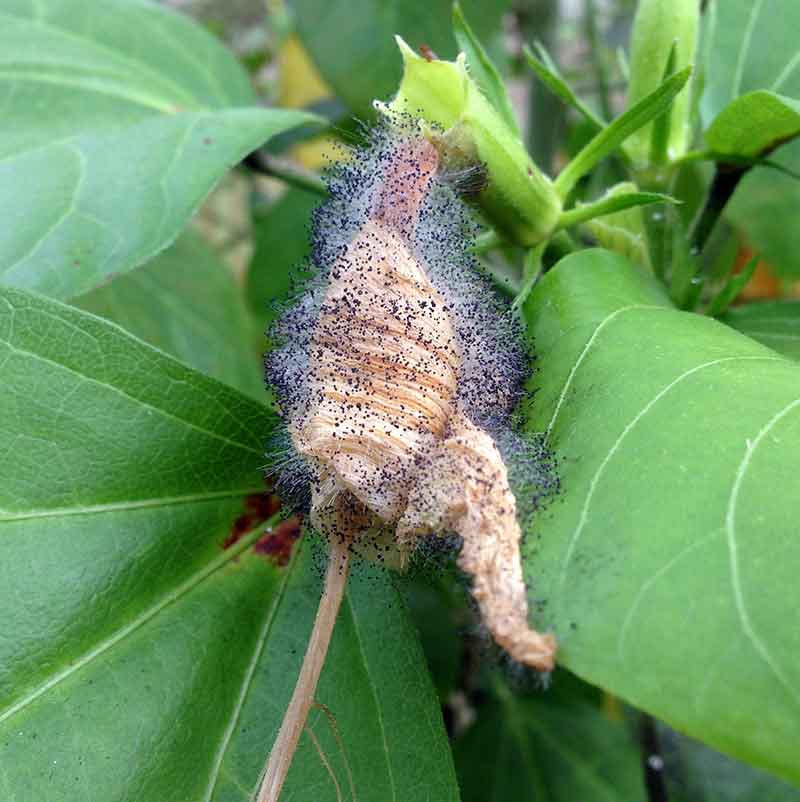
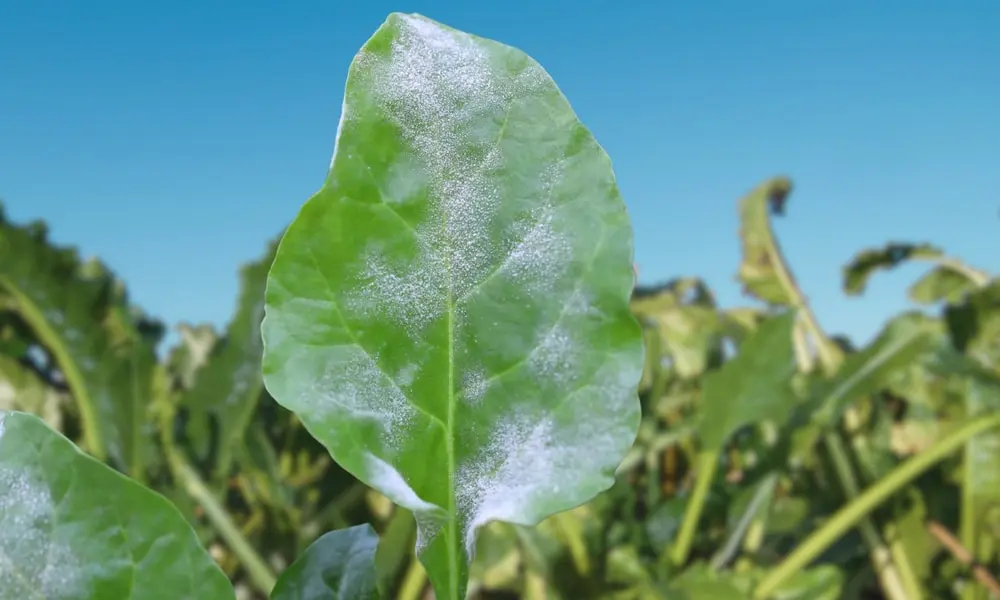
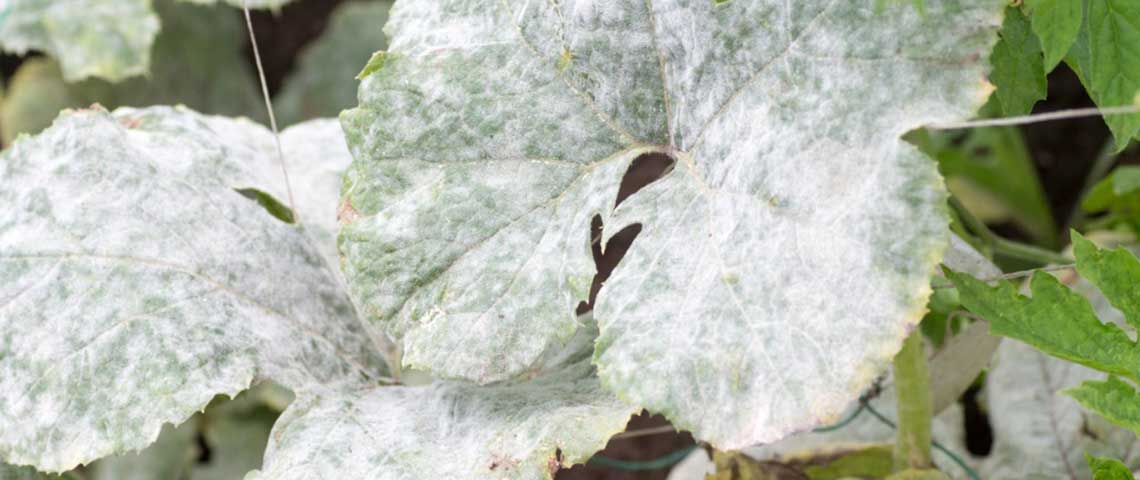
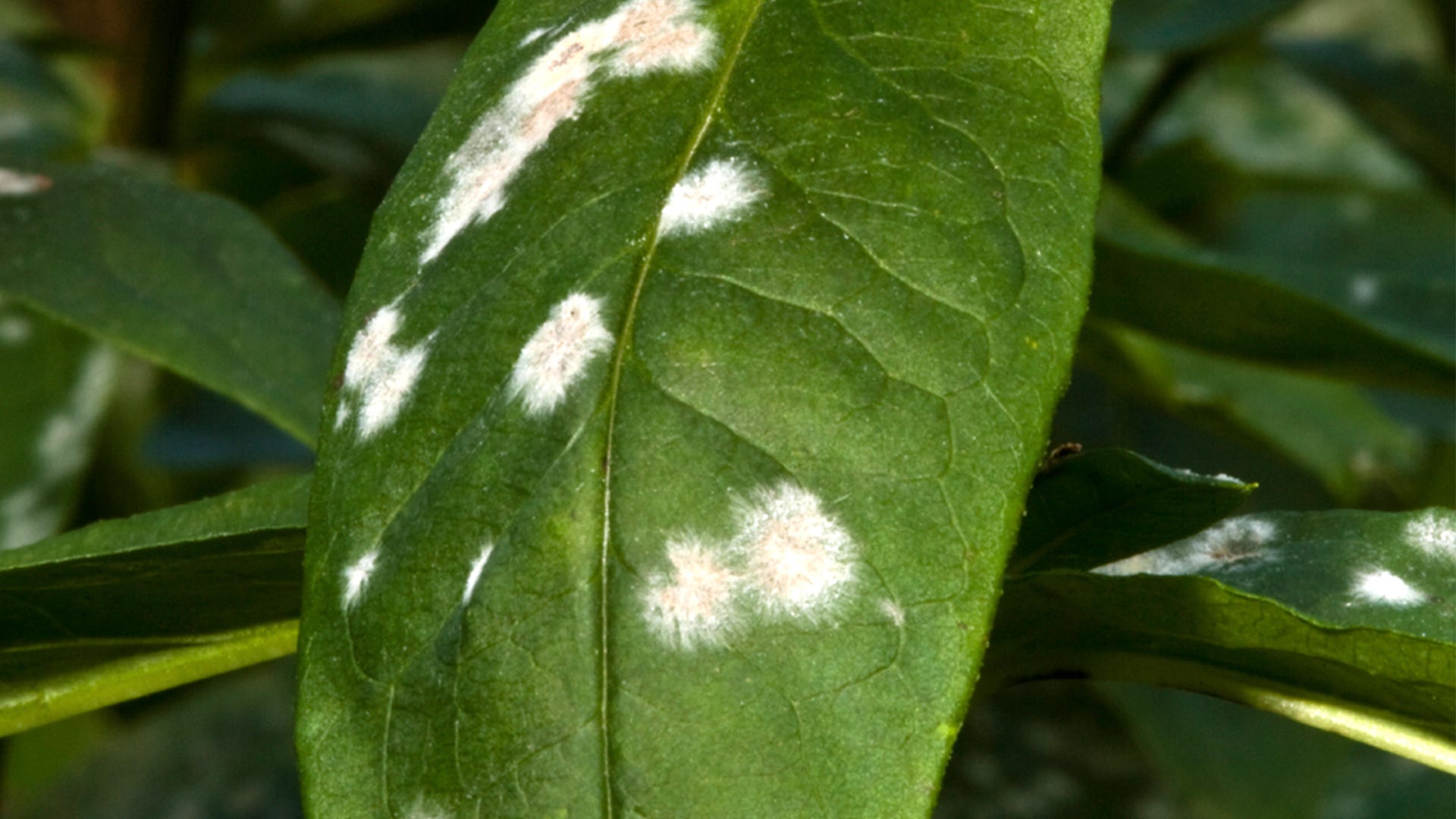
Before you map how to stop fungus on plant leaves, learn to read the signs. Powdery mildew looks like white flour dust. Downy mildew shows yellow patches on top and gray fuzz under leaves. Black spot and leaf spot make round, dark lesions. Rust looks like orange or brown dots that rub off.
Fungi love still air, shade, and wet leaves at night. Overhead watering, crowded plants, and poor pruning feed outbreaks. Spores travel by wind, splash, tools, and even your hands. Once you spot it, act fast to cut spread.
Quick action plan: how to stop fungus on plant leaves today
When you see spots, use this same-day plan. It is simple and works.
- Isolate the plant. Keep it away from others while you treat.
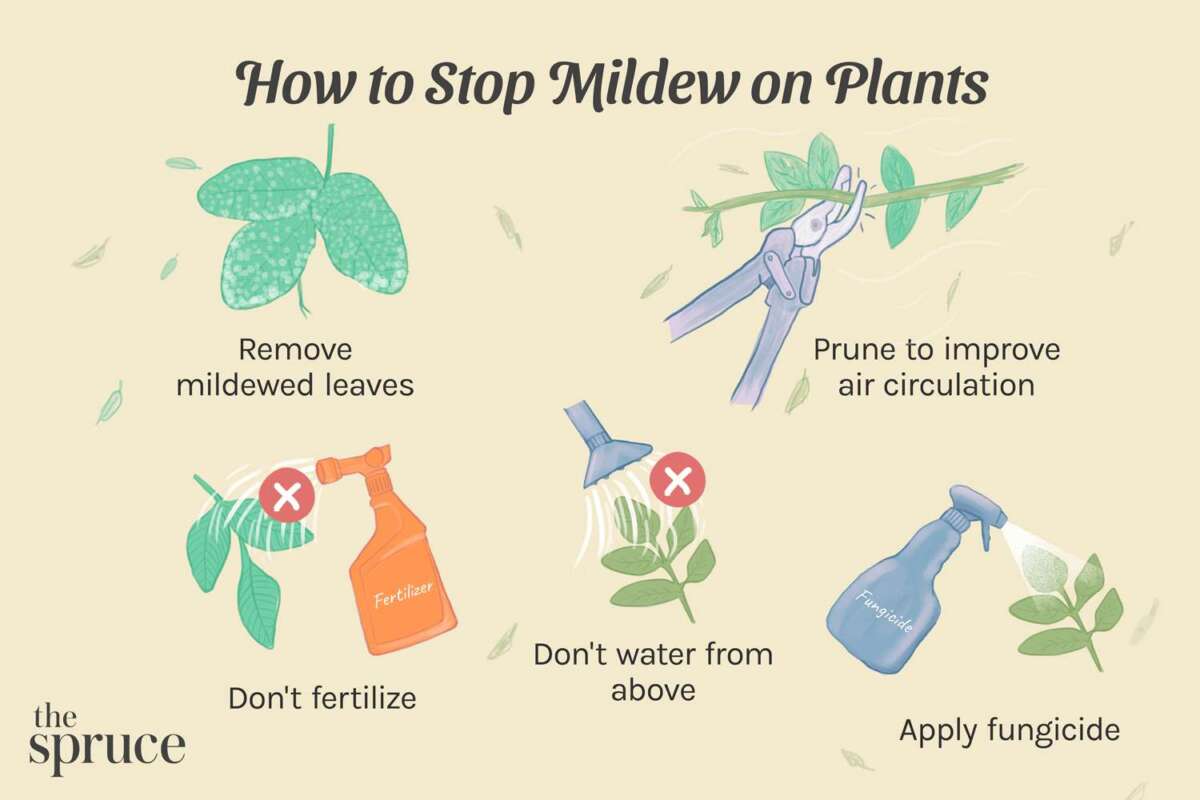
- Prune off the worst leaves. Bag them. Do not compost infected debris.
- Disinfect tools. Wipe with 70% alcohol or dip in 10% bleach for 10 minutes.
- Water at soil level, early morning only. Keep leaves dry.
- Improve airflow. Space plants, stake vines, and remove dense inner growth.
- Apply a targeted product. Choose one suited to the disease you see.
- Re-check in 48 hours. Repeat sprays as the label says.
When I fought powdery mildew on zucchini, this plan stopped it within one week. The key was coverage under leaves and pruning for airflow. That is how to stop fungus on plant leaves before it spreads.
:max_bytes(150000):strip_icc()/prevent-rust-fungus-1316106-final-32cf0cc55ce64c7aa290e90e3b20d9d4.jpg)
Water, light, and airflow: daily habits that block fungus
Simple routines prevent most outbreaks. They also support every spray you use. This is the quiet secret behind how to stop fungus on plant leaves.
- Water roots, not leaves. Use a watering can spout, drip line, or soaker hose.
- Water in the morning. Leaves dry during the day, not overnight.
- Mulch the soil. Keep a 2 to 3 inch layer, but do not touch stems.
- Give plants room. Follow spacing on the tag. Crowding traps humidity.
- Boost light and air. Prune a little often. Use a fan in greenhouses.
- Raise pots off the ground. Use pot feet to improve drainage and airflow.
Cleanliness and pruning: stop spores at the source
Good hygiene is a core part of how to stop fungus on plant leaves. Spores hide in debris and spread fast with a splash.
- Remove fallen leaves. Bag and trash them, especially after rain.
- Prune lower leaves. Keep the bottom 6 to 8 inches of tall plants clean.
- Stake or cage plants. Keep foliage off wet soil.
- Clean tools after each plant. Wipe blades before you move on.
- Avoid working wet. Do not prune or harvest when foliage is damp.
These small habits cut the spore “fuel” that feeds outbreaks. They also make other treatments work better.

Safe treatments: organic, biological, and synthetic options that work
You have many choices. Match the product to the problem. That is smart, safe, and cost-effective. It is also the most reliable way for how to stop fungus on plant leaves.
Organic and biological options
- Potassium bicarbonate: Very effective on powdery mildew. Works fast by raising leaf pH. Reapply 7 to 14 days.
- Horticultural oil or neem oil: Smothers spores and offers light protection. Best as a preventive. Do not spray in high heat.
- Sulfur: Classic for powdery mildew. Do not apply above 85°F, and never mix with oils within 2 to 3 weeks.
- Copper fungicides: Broad-spectrum. Use sparingly and follow the label to avoid leaf burn and soil buildup.
- Beneficial microbes: Bacillus-based products and Trichoderma can protect leaves and roots. Great as preventives in a rotation.
Synthetic options
- Systemics and protectants: Look for myclobutanil, propiconazole, azoxystrobin, or chlorothalonil. Rotate FRAC groups to prevent resistance.
- Downy mildew and blights: Phosphites (phosphorous acid) help on oomycetes. Check the label for the target disease.
Application tips
- Coat both sides of leaves. Spray to the point of drip.
- Reapply after rain and as the label says. Stick to the interval.
- Test on a few leaves first. Watch for burn, then scale up.
- Mind food safety. Follow pre-harvest intervals on edibles.
This focused, labeled approach is the backbone of how to stop fungus on plant leaves in tough seasons.

DIY sprays that help (and when not to use them)
Home mixes can support a larger plan. They are not a cure-all. Use them with care.
Baking soda and oil mix
- Mix 1 teaspoon baking soda in 1 quart water.
- Add 1 teaspoon horticultural oil and a few drops of mild soap.
- Test first. Apply weekly for powdery mildew. Avoid hot, sunny hours.
Milk spray
- Mix 1 part milk to 9 parts water.
- Works best as a preventive for powdery mildew. Sunlight helps.
- Can smell if overused. Rinse tools after.
Hydrogen peroxide
- Use with caution. It can burn leaves.
- If you try it, start very weak and test. Many growers skip it.
Skip vinegar and strong soaps. They often burn foliage. The goal of how to stop fungus on plant leaves is healthy growth, not scorched leaves.

Seasonal strategy: a simple year-round routine
A steady routine beats emergency fixes. This is how to stop fungus on plant leaves across the whole year.
- Pre-season: Clean beds, rotate crops, and choose resistant varieties. Set up drip lines.
- Spring: Start preventive sprays in damp weather. Prune for air.
- Early summer: Mulch, space, and stake. Scout twice a week.
- Rainy spells: Use protectants every 7 days. Remove spotted leaves fast.
- Late season: Keep the lower canopy clean. Support heavy branches.
- Fall clean-up: Bag debris. Wash stakes and trays. Refresh mulch.
For houseplants, aim for 40 to 50% humidity, bright light, and light fans if air is still.
Prevention checklist and common mistakes to avoid
How to stop fungus on plant leaves becomes easy when you build habits.
Prevention checklist
- Water in the morning at soil level.
- Keep good spacing and prune for airflow.
- Mulch to prevent splash.
- Rotate fungicides by FRAC group.
- Sanitize tools and remove debris weekly.
- Scout leaves top and bottom twice a week.
Mistakes to avoid
- Overhead watering late in the day.
- Spraying without full coverage or label rates.
- Ignoring the underside of leaves.
- Treating once and stopping too soon.
- Crowding plants because “they’ll fill in.”

My field notes: what has worked in real gardens
On my tomatoes, early blight used to win. The fix was simple: prune the lower 10 inches, add mulch, and water at dawn. A protectant spray every 10 days during rain kept leaves clean. That is how to stop fungus on plant leaves before fruiting peaks.
My squash had powdery mildew every summer. Potassium bicarbonate cleared it in two sprays. Then I shifted to oil as a preventive. Airflow and weekly scouting made the biggest difference.
Roses with black spot improved when I spaced them and watered only at the base. I rotate copper and a labeled systemic, with careful intervals. Consistency is the quiet secret of how to stop fungus on plant leaves in ornamental beds.
Frequently Asked Questions of how to stop fungus on plant leaves
What causes fungus on leaves in the first place?
Fungi love humidity, shade, and long periods of leaf wetness. Overhead watering, crowding, and poor airflow make it worse.
How often should I spray to control leaf fungus?
Follow the label, but many products need 7 to 14 day intervals. Reapply after heavy rain for best protection.
Can I compost infected leaves?
It is safer to bag and trash them. Most home piles do not get hot enough to kill all spores.
What is the difference between powdery and downy mildew?
Powdery looks like white dust on top of leaves in dry, warm weather. Downy makes yellow patches with gray fuzz underneath and loves cool, wet weather.
Do DIY sprays really work?
Some help for mild cases, especially on powdery mildew. They work best with pruning, airflow, and proper watering.
Will leaf fungus spread to my other plants?
Yes, spores move by air, splash, and tools. Isolate the plant and sanitize tools to slow spread.
Conclusion
You can stop leaf fungus fast with simple steps done on time. Prune for airflow, keep leaves dry, and use targeted treatments with good coverage. That steady plan is how to stop fungus on plant leaves in any season.
Start with one bed or one plant this week. Build the habits, then add the right spray. Want more tips and plant-specific guides? Subscribe, ask a question, or share your results so we can learn together.

Laura Bennett is a gardening writer at MyGardenLabs who creates beginner-friendly guides focused on solving common plant care and gardening problems.