How To Grow Vegetables For Beginners Step By Step: Checklist
Start small: sunny spot, good soil, easy crops, and steady care.
If you want to learn how to grow vegetables for beginners step by step, you’re in the right place. I’ve helped many first-time gardeners turn a few pots and a small patch of soil into bowls of salads and baskets of beans. This guide breaks the process into clear, simple steps you can follow today, with the same tips I use in my own garden.
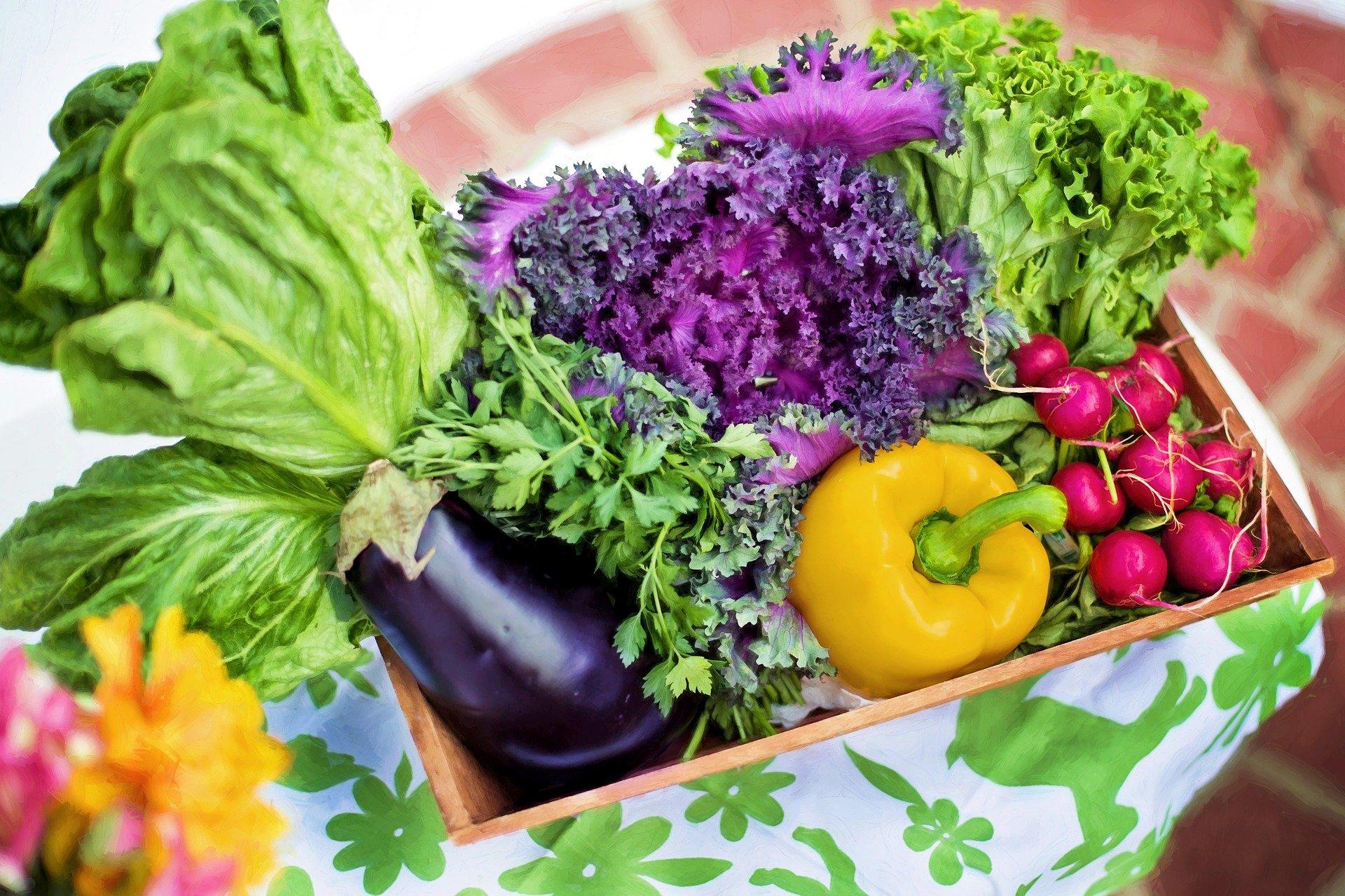
Step 1: Set simple goals and pick easy wins
Start with a small area you can care for well. A 4×4 raised bed or a few large containers is plenty. Choose vegetables that grow fast and forgive mistakes. This keeps you excited and learning.
Great beginner picks:
- Leafy greens such as lettuce, spinach, arugula
- Root crops such as radishes and carrots
- Bush beans and peas
- Cherry tomatoes and zucchini
- Herbs such as basil, parsley, chives
One clear aim helps. For example, grow enough salad greens for two bowls a week. This keeps your plan aligned with how to grow vegetables for beginners step by step without stress.

Step 2: Choose the right spot and light
Most vegetables need full sun. Aim for 6 to 8 hours of direct light daily. Watch your yard or balcony for a few days and note where the sun hits longest. Pick that spot.
Good airflow helps leaves dry fast after rain. This lowers disease risk. Keep your garden near a water source so you will water more often. This step is key in how to grow vegetables for beginners step by step because the right site solves many problems before they start.
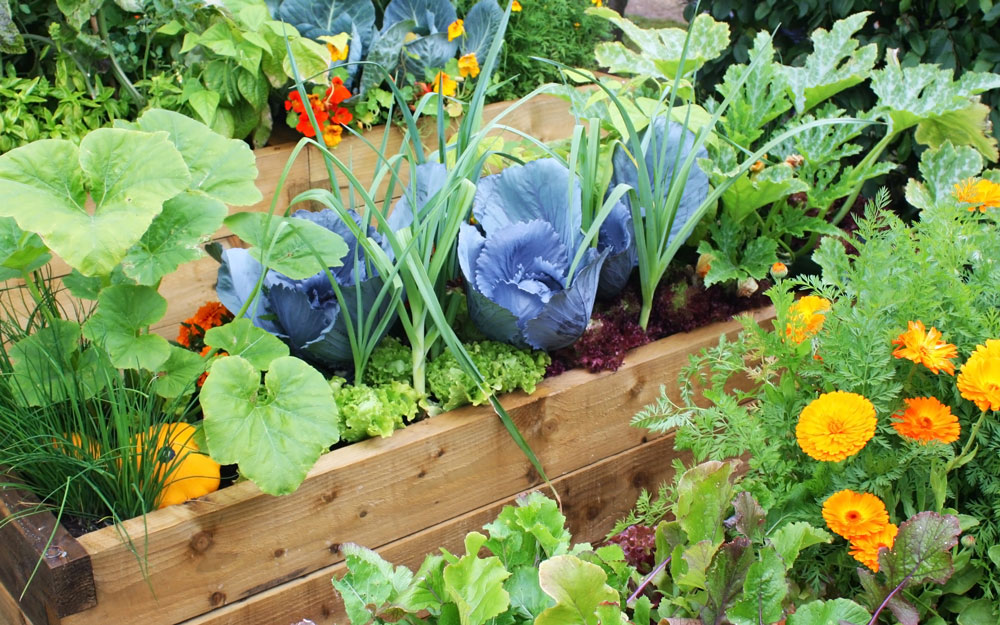
Step 3: Decide on containers, raised beds, or in-ground
Each setup works if you match it to your space and time.
- Containers are great for balconies and patios. Use pots at least 10 to 15 inches wide for most veggies. Ensure drainage holes.
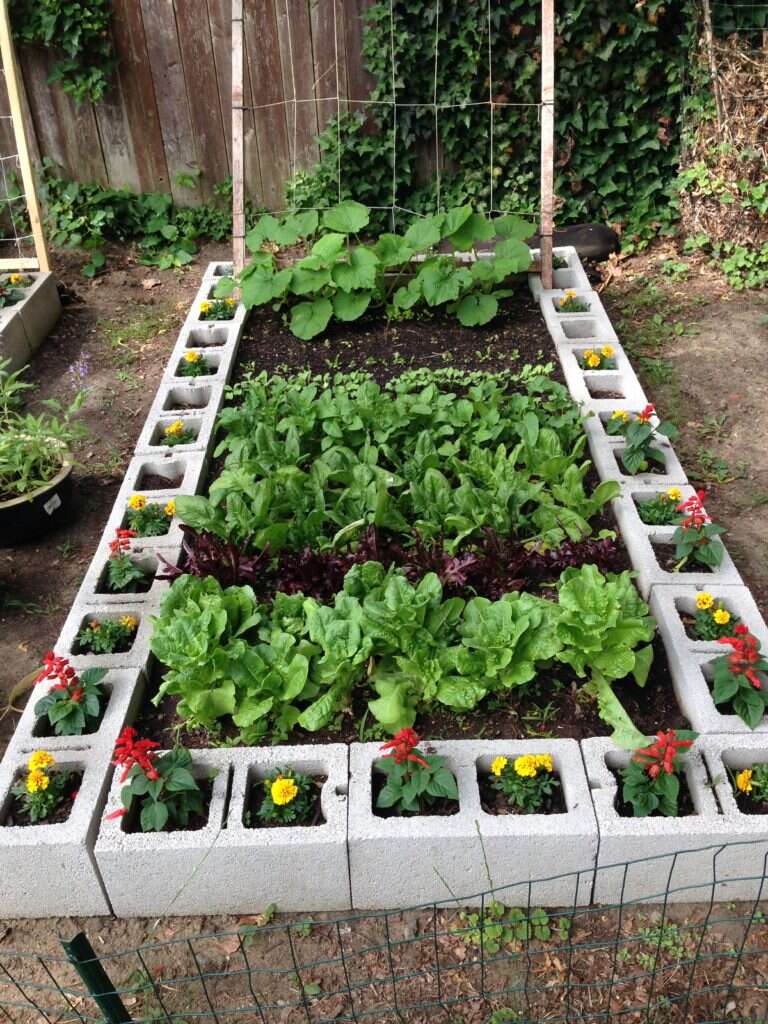
- Raised beds warm up fast and drain well. A 4×8 bed is easy to reach from both sides.
- In-ground beds are cheap and can be great if your soil is decent. Avoid low, soggy areas.
Choose one system and stick with it your first season. That focus supports how to grow vegetables for beginners step by step with fewer moving parts.

Step 4: Test and build healthy soil
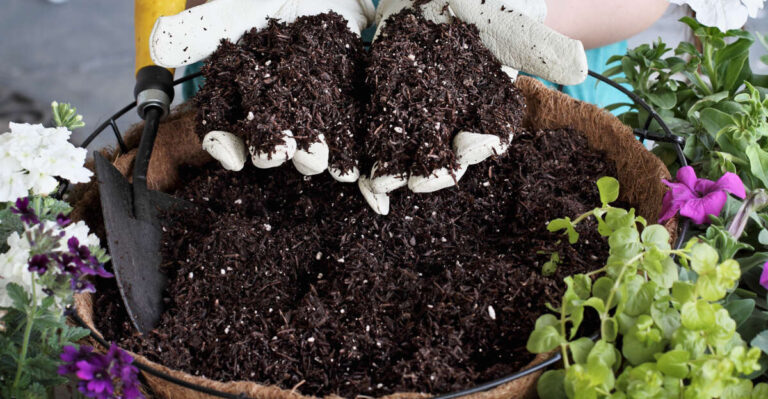
Healthy soil grows healthy plants. If you can, do a simple soil pH test. Most vegetables like a pH between 6.0 and 7.0. Add compost to improve structure and nutrients.
Use a balanced, slow-release organic fertilizer at planting. Follow the label. Avoid fresh manure. It can burn roots and carry pathogens. Soil care is the core of how to grow vegetables for beginners step by step because good soil forgives small mistakes.

Step 5: Plan layout, spacing, and companions
Good spacing reduces pests and disease. It also boosts yields.
Use these simple rules:
- Give tomatoes 18 to 24 inches
- Space bush beans 4 to 6 inches
- Thin carrots to a finger width apart
- Leave pathways wide enough to step without crushing roots
Group plants with similar needs. Put thirsty crops together. Keep tall plants on the north side so they do not shade shorter crops. A clear layout is a quiet superpower in how to grow vegetables for beginners step by step.
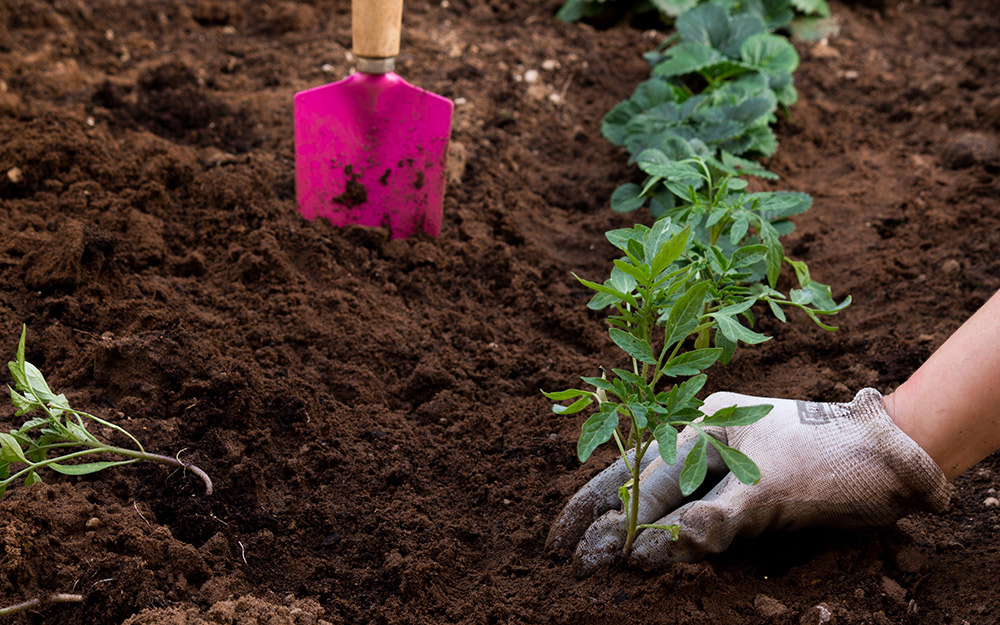
Step 6: Seeds vs seedlings and when to plant
Seeds are cheap and great for fast crops. Use seeds for radishes, beans, peas, carrots, and most greens. Buy healthy seedlings for tomatoes, peppers, and eggplants to save time.
Plant at the right temperature:
- Cool-season crops like lettuce and peas prefer cooler weather
- Warm-season crops like tomatoes and basil prefer warm nights
Check the last expected frost date in your area. Do not rush warm crops before the soil warms. Timing is a big lesson in how to grow vegetables for beginners step by step.

Step 7: Plant the right way
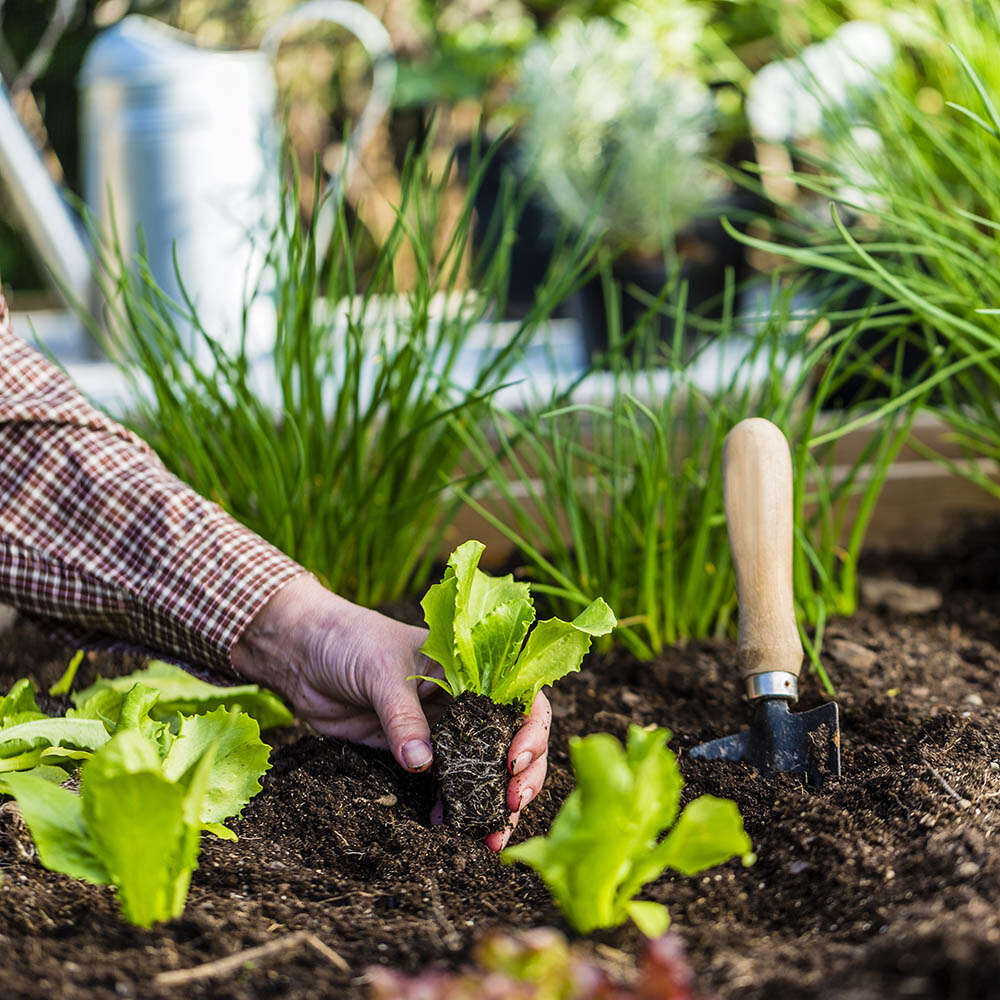
Read packet labels. Follow depth and spacing. As a rule, plant seeds two to three times as deep as the seed is wide. Press soil gently so seeds touch soil.
Water right after planting. For transplants, water the hole before and after. Keep roots level with the soil surface. Proper planting sets you up for success in how to grow vegetables for beginners step by step.

Step 8: Watering made simple
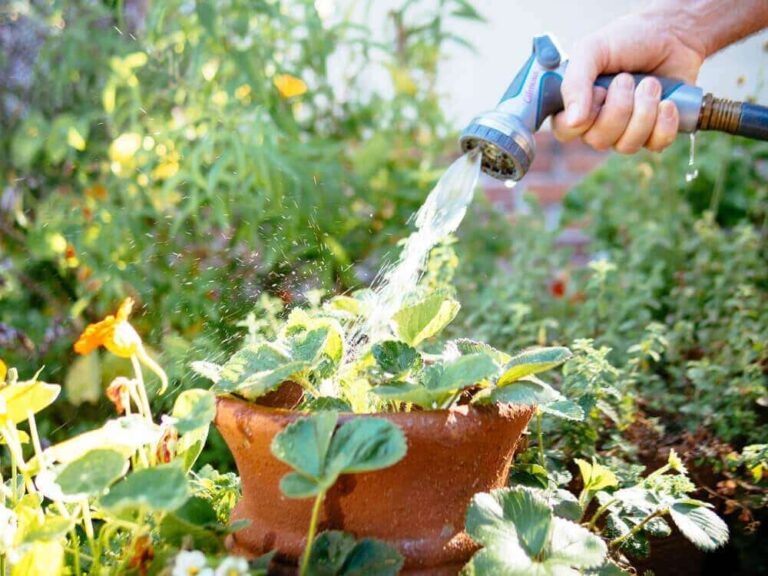
Water deeply, not just the surface. Aim for about 1 inch of water per week from rain or hose. In heat, water more often. In cool weather, less.
Best practice:
- Water early in the morning
- Aim at the base of plants, not leaves
- Use your finger to test the top inch of soil. If dry, water.
Steady moisture stops cracked tomatoes and bitter lettuce. A simple routine locks in how to grow vegetables for beginners step by step.
Step 9: Feed, mulch, and support growth
Mulch keeps water in and weeds down. Use straw, shredded leaves, or compost. Keep mulch a few inches away from stems.
Feed plants based on need:
- Leafy greens like more nitrogen
- Fruiting crops need steady but not heavy feeding
Stake or cage tomatoes and tall plants early. It is easier to support them before they flop. These habits make how to grow vegetables for beginners step by step much easier week to week.
Step 10: Prevent pests and disease
Prevention beats cure. Healthy plants resist problems.
Smart habits:
- Inspect leaves twice a week, top and bottom
- Remove yellow or diseased leaves
- Hand-pick pests like caterpillars
- Use row covers for seedlings if pests are common
- Water soil, not leaves
If needed, use gentle controls last. For example, insecticidal soap for aphids. Always follow labels. A calm, watchful eye is vital in how to grow vegetables for beginners step by step.
Step 11: Harvest at the right time
Pick early and often. Many vegetables taste best when young.
- Lettuce: cut outer leaves when they are hand length
- Radishes: pull when roots are thumb size
- Beans: pick when pods snap cleanly
- Tomatoes: harvest when fully colored and slightly soft
Morning harvests are crisp. Frequent picking tells plants to make more. This is a happy part of how to grow vegetables for beginners step by step.
Step 12: Weekly routine and troubleshooting
A short weekly checklist keeps your garden on track.
Do this each week:
- Water deeply as needed
- Pull small weeds before they spread
- Top up mulch where soil shows
- Tie up vines and check supports
- Scout for pests and remove damaged leaves
If a plant fails, remove it and replant with a fast crop. Everyone loses a plant sometimes. Staying flexible is the secret behind how to grow vegetables for beginners step by step.
Personal tips from the first season
My first year, I tried to grow everything. It was chaos. The next year, I grew only greens, beans, and cherry tomatoes. I fed the soil, watered early, and mulched. Yields doubled and work felt light.
Lessons I share with new growers:
- Start small and repeat what works
- Choose easy crops you eat often
- Keep notes on dates, seeds, and what you harvest
- Celebrate small wins, like your first radish or salad
These small habits make how to grow vegetables for beginners step by step enjoyable and repeatable.
Budget and tools for beginners
You do not need fancy gear. A simple kit will do.
Must-haves:
- Hand trowel and pruners
- Watering can or hose with a gentle spray head
- Gloves and a small rake
- Compost and a slow-release fertilizer
- Stakes or cages for tomatoes
Buy quality once when you can. Tools that feel good in your hand get used more. This also supports how to grow vegetables for beginners step by step with less frustration.
Seasonal tweaks to stay ahead
Adjust with the seasons to keep harvests rolling.
- Spring: plant greens, peas, radishes, and carrots
- Summer: switch to tomatoes, beans, zucchini, and basil
- Fall: return to greens and roots; use row covers for light frost
- Winter in mild areas: grow hardy greens or cover beds to protect soil
These shifts fit the rhythm of how to grow vegetables for beginners step by step across the year.
Common mistakes to avoid
Avoid these traps I see most often.
- Starting too big
- Overwatering or underwatering
- Planting too early for warm lovers
- Skipping spacing rules
- Ignoring the soil
Fix one habit at a time. Each fix moves you closer to how to grow vegetables for beginners step by step with confidence.
Simple 30-day action plan
Follow this quick plan to get moving.
Days 1 to 7:
- Choose your spot and setup
- Buy tools, seeds, or seedlings
- Add compost and prep the bed
Days 8 to 14:
- Plant greens and fast seeds
- Install supports and mulch
Days 15 to 21:
- Water on schedule
- Thin seedlings and top up mulch
Days 22 to 30:
- Scout for pests twice a week
- Start harvesting radishes and baby greens
This plan is a fast start for how to grow vegetables for beginners step by step, with results you can taste in one month.
Frequently Asked Questions of how to grow vegetables for beginners step by step
How much sun do vegetables need?
Most vegetables need 6 to 8 hours of direct sun daily. Leafy greens can handle a bit less, but fruiting crops need full sun.
How often should I water my garden?
Water when the top inch of soil is dry. Aim for about 1 inch per week, more during hot spells.
What are the easiest vegetables for beginners?
Lettuce, radishes, bush beans, peas, zucchini, and cherry tomatoes are reliable starters. They grow fast and tolerate small mistakes.
Should I start with seeds or seedlings?
Use seeds for greens, radishes, beans, and peas. Choose seedlings for tomatoes, peppers, and eggplants to save time.
How do I prevent pests without harsh chemicals?
Inspect plants twice a week, remove pests by hand, and use row covers for young plants. If needed, use insecticidal soap as labeled.
Why are my seedlings thin and leggy?
They need more light and less heat. Move them to a brighter spot and reduce indoor heat if possible.
When do I harvest for best flavor?
Harvest in the cool morning. Pick veggies young and often to keep plants producing.
Conclusion
You now have a clear path to plant, grow, and harvest with ease. Start small, pick easy crops, feed the soil, water on time, and check plants often. These simple habits stack up fast.
Your first bowl of homegrown salad is closer than you think. Put this plan into action this week and learn as you go. Want more tips and seasonal checklists? Subscribe for updates or drop a question in the comments so we can grow together.

Laura Bennett is a gardening writer at MyGardenLabs who creates beginner-friendly guides focused on solving common plant care and gardening problems.