How To Control Insects In Garden Naturally: 2026 Guide
Use prevention, good bugs, barriers, and gentle sprays to keep pests down.
You want a garden that thrives without harsh chemicals. I’ve helped home growers, school gardens, and small farms solve the same problem: how to control insects in garden naturally while keeping soil, bees, pets, and kids safe. In this guide, you’ll learn step-by-step methods that work in real yards. I’ll show how to control insects in garden naturally using prevention, beneficial insects, traps, and targeted treatments, backed by research and field-tested in my own beds.

The natural pest-control mindset: IPM for home gardens
Natural control starts with balance, not a bug-free yard. Integrated Pest Management (IPM) is a simple system: prevent first, monitor often, and act with the least-harm tool at the right time. This is the heart of how to control insects in garden naturally.
Key IPM principles:
- Start with healthy plants and diverse flowers to support helpful insects.
- Scout weekly and identify pests before they surge.
- Set action thresholds so you treat only when needed.
- Use the gentlest control first, and save stronger tools for last.
In my plots, this plan cut pest losses by half in one season. One proven way for how to control insects in garden naturally is to follow IPM and keep actions small and steady.

Identify the problem: pests, allies, and thresholds
You can’t fix what you can’t name. Learn the common pests in your area and the “good guys” that eat them. Snap photos, use a hand lens, and note the host plant and damage pattern.
How to get IDs right:
- Look at mouthparts and damage. Chewing marks point to caterpillars or beetles. Stippled leaves suggest mites or thrips.
- Check the undersides of leaves and new growth where pests hide.
- Compare with reliable extension guides or a local nursery.
Know your allies:
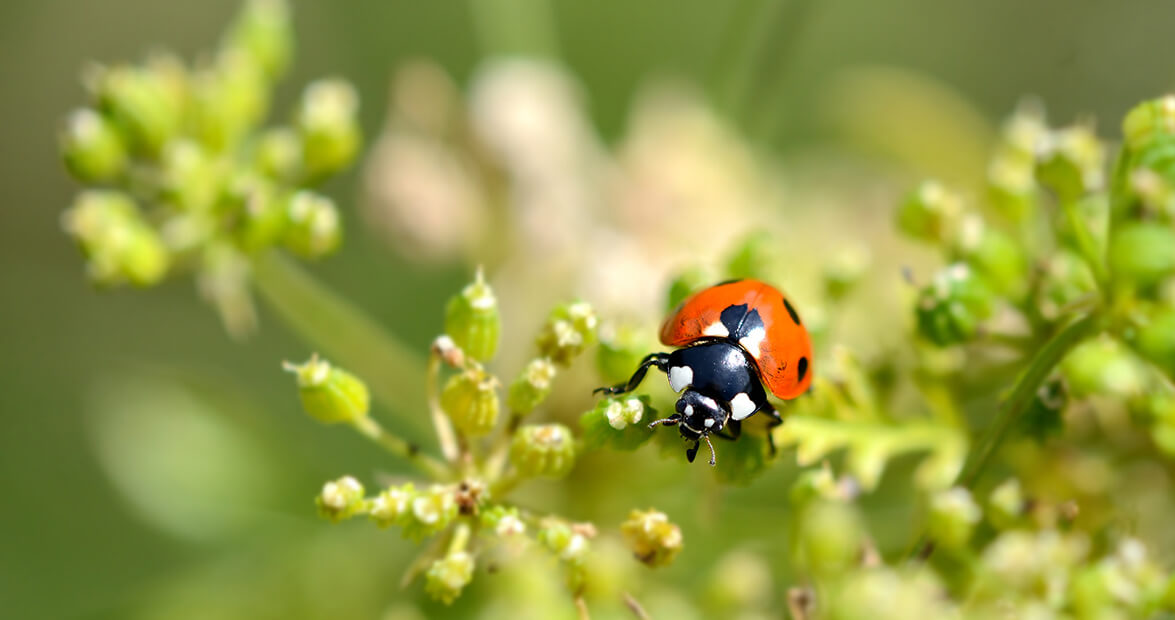
- Lady beetles, lacewings, hoverflies, and parasitic wasps crush aphids and whiteflies.
- Ground beetles and spiders reduce night feeders like slugs and cutworms.
Set thresholds. A few aphids on kale? Wait and watch. A colony on every tip? Act now. If you’re asking how to control insects in garden naturally, start by scouting and using thresholds to avoid panic spraying.

Build plant resilience with soil and water
Strong plants resist pests. Weak plants call them in. Soil health is the backbone of how to control insects in garden naturally.
Soil and water tips that pay off:
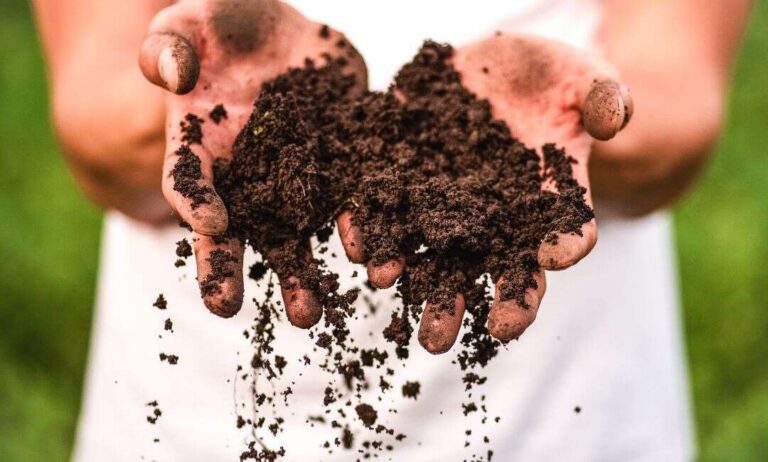
- Feed the soil. Add finished compost each season to boost life and nutrients.
- Keep soil covered. Use mulch to reduce stress, swings in moisture, and splashing that spreads disease.
- Water deeply and less often. Morning irrigation keeps leaves dry and stress low.
- Avoid too much nitrogen. It makes lush, soft growth that aphids love.
Studies show plants under water stress attract more pests and suffer more damage. Healthy soil and steady moisture help with how to control insects in garden naturally before pests even arrive.
Cultural controls that stop pests before they start
Little set-up choices block big problems. Cultural tactics are quiet power moves in how to control insects in garden naturally.
Do these early:
- Choose resistant or quick-maturing varieties for your region.
- Rotate crops each year to break pest life cycles.
- Space plants for airflow and easy inspection.
- Time plantings to miss peak pest windows, like late plantings to dodge cabbage moths.
- Remove weeds and plant debris where pests hide.
- Use trap crops. Nasturtiums can lure aphids from lettuce, and radishes can draw flea beetles from eggplant.
Companion planting is part of how to control insects in garden naturally, especially when you mix flowers and herbs that support predators.

Attract and protect beneficial insects
Good bugs are your free workforce. Feed them, and they will patrol your beds daily.
Plant a continuous bloom:
- Early season: alyssum, calendula, chives.
- Mid season: dill, fennel, yarrow, cosmos, coreopsis.
- Late season: zinnias, rudbeckia, asters.
Help them thrive:
- Provide shallow water with pebbles for safe landing.
- Leave small wild patches or a mini brush pile for shelter.
- Skip broad-spectrum sprays that hurt bees and allies.
I watched aphids vanish on my peppers after I added a strip of sweet alyssum and dill. That’s how to control insects in garden naturally by building a buffet for your bodyguards. Row covers and targeted sprays fit into how to control insects in garden naturally without harming these allies.

Physical barriers and traps that actually work
Sometimes the best defense is a simple shield. Barriers are core tools in how to control insects in garden naturally.
Use these:
- Floating row covers keep out cabbage moths, cucumber beetles, and leaf miners. Seal edges well.
- Insect netting protects berries and brassicas while letting in light.
- Collars around seedlings stop cutworms the first two weeks.
- Copper tape and handpicking reduce slugs and snails.
- Yellow sticky cards monitor whiteflies and fungus gnats. Blue cards help with thrips.
- Handpick squash bug eggs and tomato hornworms in the cool morning.
Sticky traps support how to control insects in garden naturally by monitoring trends so you act before pests explode. Barriers add instant protection with no residue.

Safe DIY sprays and soft-contact options
Use sprays as a last step, not the first. Soft-contact products can save a crop when used with care and proper timing.
Simple options that work:
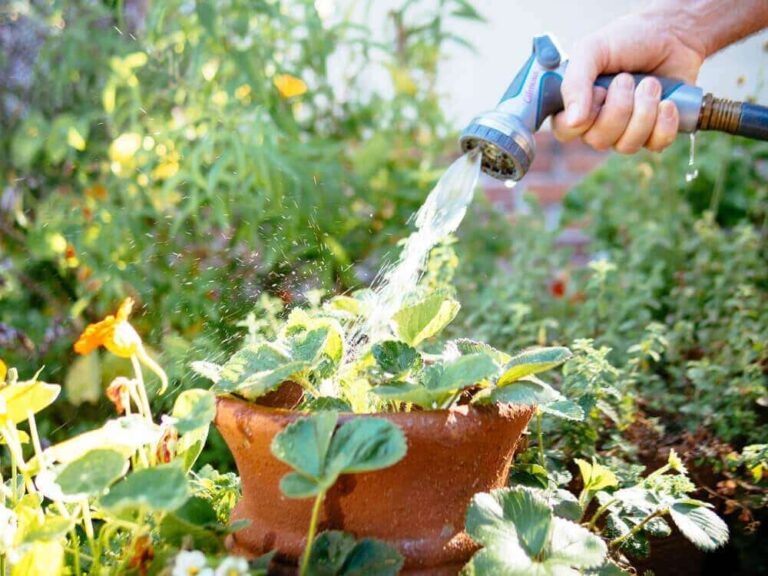
- Hard water blast. Knock aphids and mites off stems with a firm spray.
- Insecticidal soap. Mix 2 teaspoons pure liquid soap in 1 quart water. Test a leaf. Coat pests directly.
- Horticultural oil. Smothers mites, scale, and eggs. Spray in the evening to protect bees and prevent leaf burn.
- Neem oil. Disrupts growth and feeding on soft-bodied pests. Apply on cool, calm days. Neem oil works in how to control insects in garden naturally for soft-bodied pests.
- Garlic-chili spray. Steep crushed garlic and chili in hot water, strain, add a drop of soap, and spray for deterrence.
- Diatomaceous earth. Dust dry surfaces to cut down crawling insects. Keep it dry and away from flowers to protect pollinators.
- Kaolin clay. Forms a white film that deters leafhoppers and beetles on fruit trees and squash.
Always test on one plant first. Spray at dusk to spare bees. Insecticidal soap is safe and helps with how to control insects in garden naturally when populations spike.
Biological controls and organic products that fit “natural”
Biologicals target pests with precision. They are great tools for how to control insects in garden naturally when prevention and barriers need backup.
Top picks:
- Bacillus thuringiensis (Bt var. kurstaki). Targets caterpillars on brassicas and tomatoes. Reapply after rain.
- Bt israelensis. Controls fungus gnats in containers and mosquito larvae in standing water.
- Spinosad. Strong on thrips, leaf miners, and caterpillars. Use sparingly and at dusk to protect bees.
- Beneficial nematodes. Hunt soil-dwelling grubs and cutworms. Apply to moist soil.
- Beauveria bassiana. A beneficial fungus that infects whiteflies and aphids.
Use OMRI-listed products and follow labels. Bt is key for how to control insects in garden naturally when worms chew fast. Rotate modes of action to prevent resistance.
A seasonal checklist and 15-minute weekly routine
Turn good ideas into habits. This plan breaks down how to control insects in garden naturally in small, steady steps.
Seasonal flow:
- Pre-season: Add compost, plan rotations, and order row covers and sticky cards.
- Spring: Install covers on brassicas and cucurbits. Plant flowers for beneficials.
- Summer: Scout weekly, prune for airflow, and spot-treat with soap or oil as needed.
- Fall: Remove spent plants, solarize problem beds if needed, and sow cover crops.
Weekly 15-minute routine:
- Walk the garden with pruners and a bucket.
- Check new growth and leaf undersides.
- Pop off egg clusters and diseased leaves.
- Note pests on sticky cards.
- Water deep if the top inch is dry.
This seasonal checklist breaks down how to control insects in garden naturally month by month, so you never feel behind.
Common mistakes to avoid and quick fixes
A few simple tweaks save time and plants. These are the mistakes I see most, plus fast fixes.
Watch out for:
- Misidentifying the insect. Confirm before you spray. Many “pests” are harmless or helpful.
- Overwatering. It invites fungus gnats and root stress. Water by soil feel, not by calendar.
- Spraying at midday. Heat plus oils or soaps can burn leaves. Spray at dusk.
- Using broad-spectrum products first. You can wipe out your allies and get bigger outbreaks later.
- Expecting zero damage. A few holes are normal in a living garden.
If kids or pets share the yard, here’s how to control insects in garden naturally and safely: focus on barriers, handpicking, and dusk-only, bee-safe treatments.
Frequently Asked Questions of how to control insects in garden naturally
What is the fastest natural way to stop aphids?
Blast them off with water, then apply insecticidal soap to the undersides of leaves. Add flowers like sweet alyssum to invite hoverflies that finish the job.
How do I protect my cabbage without chemicals?
Use floating row covers from transplant through heading to block moths. Check weekly for sneaky gaps, and use Bt if you see fresh caterpillar frass.
Are homemade sprays safe for bees?
They can be if used right. Spray at dusk, avoid open flowers, and target only infested plants to reduce bee contact.
Do companion plants really help with pests?
Yes, when used with other steps. Diverse flowers feed predators, and trap crops can pull pests away from your main bed.
What’s the best natural control for tomato hornworms?
Handpick at dawn with a UV flashlight, which makes them glow. If you see white cocoons on a hornworm, leave it to support beneficial wasps.
Conclusion
Natural pest control is a system, not a single trick. Start with healthy soil, add smart planting and barriers, scout every week, and use the gentlest treatments only when needed. That is how to control insects in garden naturally while keeping your space safe for people, pets, and pollinators.
Ready to put this into action? Pick one tactic today, like row covers or a scouting walk, and build from there. Share your wins or questions in the comments, and subscribe for more research-backed, real-world garden tips.

Laura Bennett is a gardening writer at MyGardenLabs who creates beginner-friendly guides focused on solving common plant care and gardening problems.