
How To Treat Plant Diseases Naturally: Proven 2026 Tips
Use prevention, correct diagnosis, pruning, organic sprays, and soil health.
If your plants look sick, you want fixes that work and feel safe. I’ve spent years solving garden problems the natural way, from backyard tomatoes to small orchards. This guide shows how to treat plant diseases naturally with clear steps, proven recipes, and simple tools you can use today. Stay with me, and you’ll learn how to protect your plants without harsh chemicals.

Understand plant diseases: signs, causes, and spread
Healthy plants start with fast, accurate diagnosis. Many issues look the same at first. A yellow leaf can mean pests, disease, or stress. Slow down, look close, and test your ideas.
Common signs to watch:
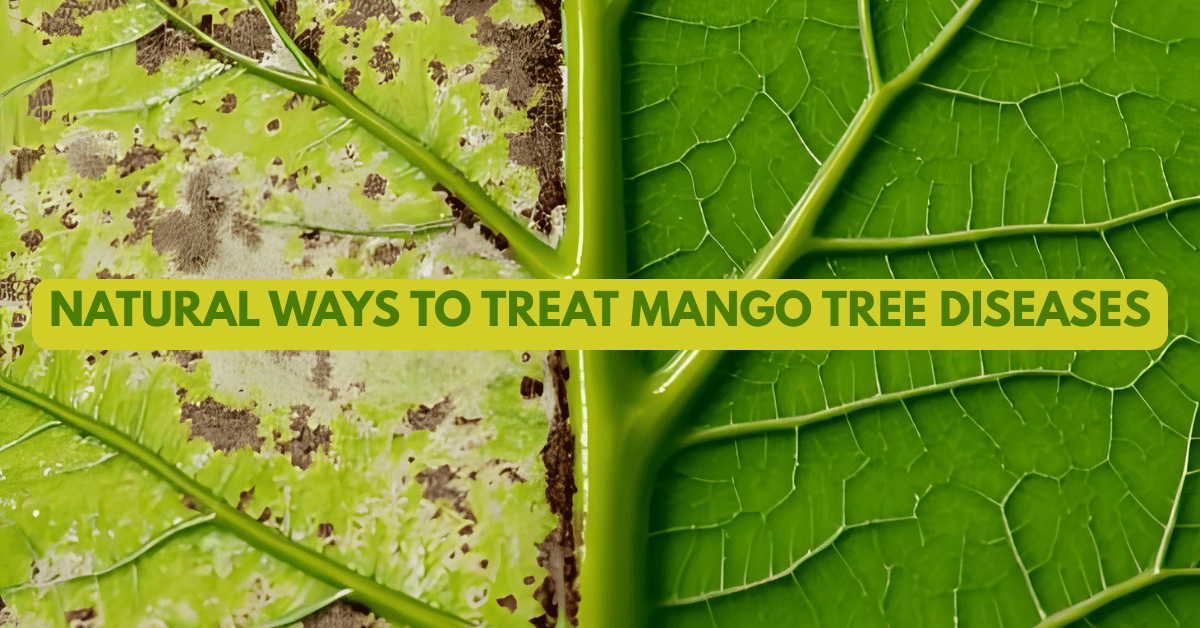
- Powdery or fuzzy growth on leaves is often fungal disease.
- Water-soaked or oozy spots can point to bacterial infections.
- Mottled, twisted leaves with stunted growth often suggest viruses.
- Sudden wilt without dry soil can be root disease.
How diseases spread:
- Splashing water moves spores and bacteria from soil to leaves.
- Wind spreads spores across beds and even neighborhoods.
- Dirty tools and hands carry pathogens from plant to plant.
- Infected seeds and transplants start problems before you plant.
Why this matters: Good ID guides how to treat plant diseases naturally. The right fix saves time, money, and your crop.

Step-by-step: how to treat plant diseases naturally
Follow these steps in order. They work for most home gardens and small farms.
- Confirm the problem. Inspect both sides of leaves, stems, and roots. Smell for rot. Take a clear photo and compare with trusted ID guides.
- Isolate and prune. Remove the worst infected leaves or stems. Bag and trash them. Do not compost disease-heavy material.
- Clean tools. Wipe pruners with 70% alcohol or a 10% bleach solution between plants.
- Improve airflow. Thin dense growth. Stake plants. Space pots. Dry leaves help stop fungi fast.
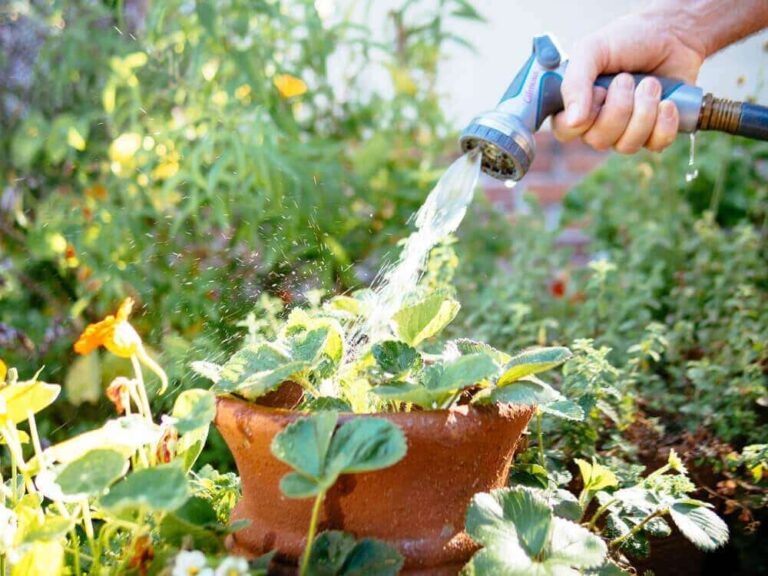
- Adjust watering. Water early in the day and at soil level. Keep leaves dry whenever you can.
- Treat with a targeted natural spray. Choose a recipe below based on the pathogen. Coat tops and undersides of leaves.
- Repeat on schedule. Many natural products need weekly reapplication, and after rain.
- Feed the soil. Add compost, mulch, and balanced, slow-release nutrition. Strong plants shrug off disease.
- Monitor results. If it gets worse, revisit your diagnosis and treatment.
- Rotate crops next season. Keep related crops out of the same bed for 2–3 years.
Use this system each time you ask how to treat plant diseases naturally. It keeps you calm, focused, and effective.

Natural treatments that work (recipes and rates)
Choose the simplest, safest option that fits the disease. Always spot-test on a few leaves first.
Proven low-risk options:
- Baking soda spray for powdery mildew. Mix 1 teaspoon baking soda + 1 quart water + ½ teaspoon mild liquid soap. Spray weekly at first sign.
- Potassium bicarbonate for tough powdery mildew. Mix 1 tablespoon per gallon of water plus a few drops of soap. More effective than baking soda.
- Milk spray for powdery mildew on cucurbits and roses. Use 1 part milk to 9 parts water. Apply every 7–10 days in sun.
- Neem oil for many leaf fungi and some pests. Mix 1–2 tablespoons per gallon with a few drops of soap as an emulsifier. Avoid hot midday sun. Do not use on drought-stressed plants.
- Biofungicides (Bacillus, Trichoderma, Streptomyces). These beneficial microbes outcompete pathogens. Apply preventively or at first sign. Follow label rates.
Useful, but use with care:
- Sulfur. Helps powdery mildew and some leaf spots. Do not mix with oils. Avoid use in heat to prevent leaf burn.
- Copper. Organic-approved in many regions, but can build up in soil. Use only when needed and rotate tools. Follow label.
Sanitation helpers:
- 70% isopropyl alcohol. Great for tool disinfection. Wipe, wait 30 seconds.
- 10% bleach solution. Dip tools, rinse, dry, and oil to prevent rust.
Items often suggested but limited or mixed evidence:
- Compost teas. May improve leaf microbiome, but results vary. Use only with clean, well-made compost to avoid pathogens.
- Cinnamon or chamomile for damping-off. May help very early, but do not rely on them in severe cases.
- Aspirin water (salicylic acid) for plant defenses. Very dilute rates show promise in studies. Use sparingly and test first.
Keep it simple. When you ask how to treat plant diseases naturally, start with sanitation, airflow, and a matched spray. Then reassess in 7 days.

Prevention through healthy soil and habitat
Prevention is the most natural cure. Change the environment so disease struggles to survive.
Soil and roots:
- Add mature compost to boost microbes and structure.
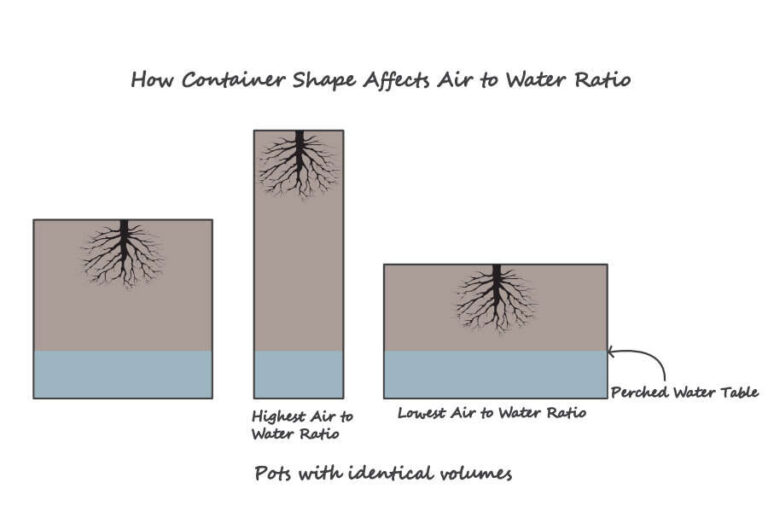
- Ensure drainage. Raised beds or coarse material help heavy soils.
- Mulch 2–3 inches deep to reduce splash and lock in moisture.
Water and light:
- Water early and at the base. Drip or soaker hoses are ideal.
- Prune for light and airflow. Sun and wind keep leaves dry.
- Avoid overhead watering late in the day.
Plant choices:
- Grow disease-resistant varieties when possible.
- Rotate crops by family. Keep tomatoes, peppers, and potatoes away from last year’s solanaceae bed.
- Quarantine new plants for 1–2 weeks.
This is the heart of how to treat plant diseases naturally. Build health first, and outbreaks stay minor.
Natural integrated pest and disease management plan
Think like a coach, not a firefighter. Guide the system so problems stay small.
Key moves:
- Scout weekly. Check new growth and lower leaves. Track what you see in a notebook.
- Set thresholds. A few spots? Prune and monitor. Many spots? Spray and tighten sanitation.
- Reduce humidity. Space plants, thin foliage, and vent greenhouses.
- Encourage allies. Plant flowers for lady beetles, lacewings, and hoverflies. Healthy predator numbers lower disease by removing vector pests like aphids and thrips.
- Sanitize. Clean stakes, pots, and tools between seasons.
- Time actions. Treat early mornings when wind is calm and temps are mild.
Follow this plan whenever you wonder how to treat plant diseases naturally without harsh sprays. Small, steady moves beat big crises.

Quick guides for common diseases
Use these mini playbooks for faster results.
Powdery mildew
- Signs: White powder on leaves, often in dry weather with cool nights.
- Actions: Prune for airflow. Spray milk or potassium bicarbonate weekly. Avoid excess nitrogen.
Early or late blight on tomatoes and potatoes
- Signs: Dark spots with halos (early blight), or fast black lesions and stem collapse (late blight).
- Actions: Remove infected leaves. Mulch soil. Water at base. Use copper only if pressure is high, and rotate. Dispose of infected debris far from beds.
Downy mildew
- Signs: Yellow patches above, gray-purple fuzz below. Loves cool, moist air.
- Actions: Increase spacing and morning sun. Use neem or biofungicides at first sign. Avoid overhead watering.
Botrytis gray mold
- Signs: Gray fuzzy mold on flowers and fruit.
- Actions: Remove old petals and dead tissue. Improve airflow. Use sanitation first, then biofungicides.
Rust and leaf spots (roses, beans, many ornamentals)
- Signs: Orange pustules or small dark spots with yellow halos.
- Actions: Prune and bag infected parts. Water at base. Rotate sprays like neem and sulfur, but never mix oil and sulfur.
Root rot and damping-off
- Signs: Seedlings collapse at soil line. Roots are brown and mushy.
- Actions: Use sterile seed mix and clean trays. Water less. Bottom-water only. Add a fan for airflow. Avoid reusing soil.
Viral diseases (mosaic viruses)
- Signs: Mottled leaves, twisted growth, stunted plants. Often spread by aphids or handling.
- Actions: Remove infected plants at once. Control aphids with insecticidal soap or neem. Disinfect tools and wash hands.
Keep these on hand, and you’ll know how to treat plant diseases naturally the moment symptoms show.

Tools, timing, and safety
Great tools make natural care easy.
Essentials:
- A hand sprayer for indoor and small beds, and a pump sprayer for larger areas.
- Clean pruners with sharp blades.
- Gloves, eye protection, and a simple mask when spraying.
Timing tips:
- Spray early morning or late afternoon. Avoid high heat and direct sun.
- Reapply after rain if the label calls for it.
- Do not spray when bees are active. Target leaves, not blooms.
Label wisdom:
- Always read labels on approved organic products.
- Respect re-entry intervals and rates.
- Spot-test to prevent leaf burn.
These habits support how to treat plant diseases naturally with less risk and better results.

Real-world wins: what worked for me
Tomatoes with leaf spots
- I saw small brown leaf spots in midsummer. I pruned lower leaves, mulched, and switched to morning drip.
- I sprayed potassium bicarbonate weekly for three weeks. Disease stopped spreading, and yields held steady.
Powdery mildew on cucumbers
- I caught the white film early. I removed 20% of bad leaves and opened the trellis.
- I rotated milk spray and neem every 7–10 days. Growth stayed strong, and fruit kept coming.
These simple moves show how to treat plant diseases naturally without losing a season.

Frequently Asked Questions of how to treat plant diseases naturally
What is the fastest way to stop a new outbreak?
Prune infected leaves, clean tools, and improve airflow right away. Then apply a matched natural spray and monitor for one week.
Can I cure viral diseases with natural methods?
No. You cannot cure plant viruses. Remove infected plants and control vector pests like aphids to protect the rest.
Is neem oil safe for all plants?
Most plants tolerate neem at 0.5–1%. Test first, avoid midday heat, and never mix with sulfur products.
Do milk and baking soda sprays really work?
They help with powdery mildew when used early and often. For severe cases, potassium bicarbonate or biofungicides work better.
How often should I spray natural treatments?
Many need weekly applications and after rain. Follow label guidance and stop once new growth stays clean.
Can I learn how to treat plant diseases naturally without lab tests?
Yes. Careful scouting, good sanitation, and targeted sprays work well for most home gardens. Keep notes so you can adjust fast.
What’s the best long-term strategy?
Build soil health, choose resistant varieties, and rotate crops. That is the backbone of how to treat plant diseases naturally year after year.
Conclusion
You can protect plants without harsh chemicals. Diagnose early, prune smart, clean tools, boost airflow, and use targeted natural sprays on a schedule. Feed the soil and choose the right varieties to prevent most problems before they start.
Make this your week to put a system in place. Try one recipe, improve spacing, and set a simple scouting routine. If you found this helpful, subscribe for more guides, share with a garden friend, or leave a question—I’m here to help.

Laura Bennett is a gardening writer at MyGardenLabs who creates beginner-friendly guides focused on solving common plant care and gardening problems.