How To Fix Hard Soil For Gardening: Quick Fixes That Work
Add organic matter, aerate gently, water well, mulch, and grow cover crops.
Hard soil can feel like concrete. I’ve fixed it in backyard beds, urban plots, and clay-heavy yards. In this guide, I’ll show you how to fix hard soil for gardening with simple, proven steps. You’ll see what works fast, what lasts, and how to keep your soil loose for years. Let’s turn your tough ground into a rich, crumbly bed your plants love.

Why soil gets hard and how to spot it
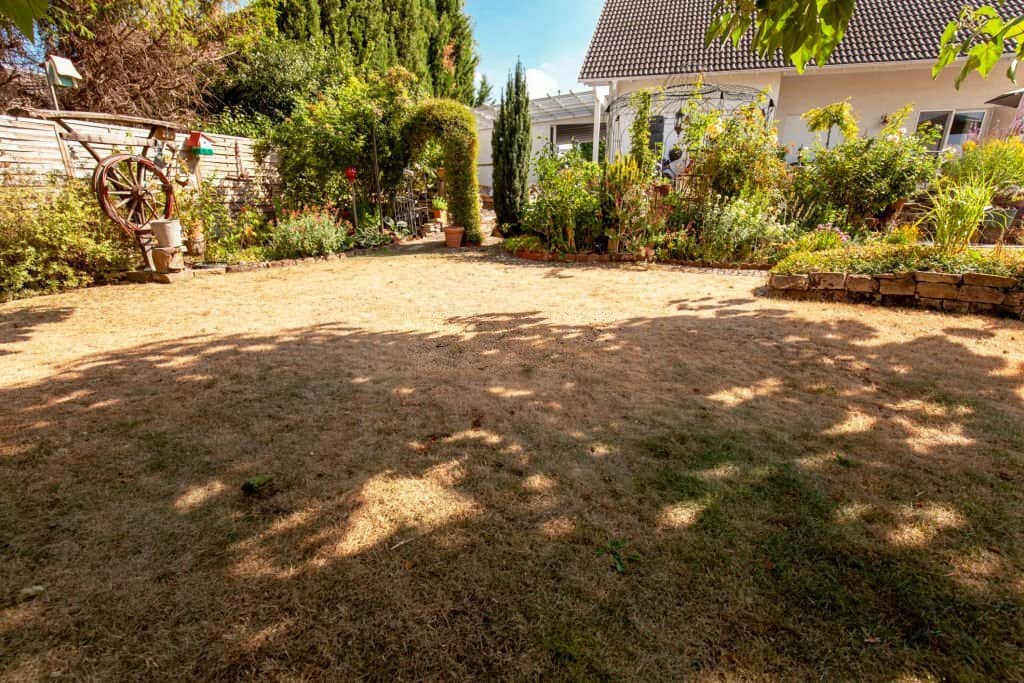
Hard soil comes from compaction, low organic matter, and poor structure. Heavy clay, foot traffic, and tilling at the wrong time make it worse. Salt and sodium can also tighten soil.
Look for these signs:
- Water pools on top or runs off fast.
- The surface crusts after rain.
- Roots circle or stay near the top.
- A shovel or fork bounces off the soil.
Try quick tests:
- Screwdriver test. Push a long screwdriver into moist soil. If it stops fast, compaction is high.
- Jar test. Shake soil in a jar with water. Sand settles first, then silt, then clay. This shows texture.
- Infiltration test. Pour one inch of water in a ring on the soil. Time how long it takes to soak in.

The core strategy: how to fix hard soil for gardening
Here is the simple plan I use for how to fix hard soil for gardening:
- Loosen soil with a fork or a broadfork. Do not flip layers.
- Add lots of compost and leaf mold. Aim for two inches on top.
- Mulch the surface to stop crust and keep moisture.
- Water deep and less often to train roots.
- Grow cover crops to build structure with roots.
- Test soil to fine-tune calcium, pH, and salts.
Do this for one season and you will feel a big change. Keep it up and it lasts.

Step-by-step: break compaction without wrecking soil life
Gentle loosening beats deep tilling
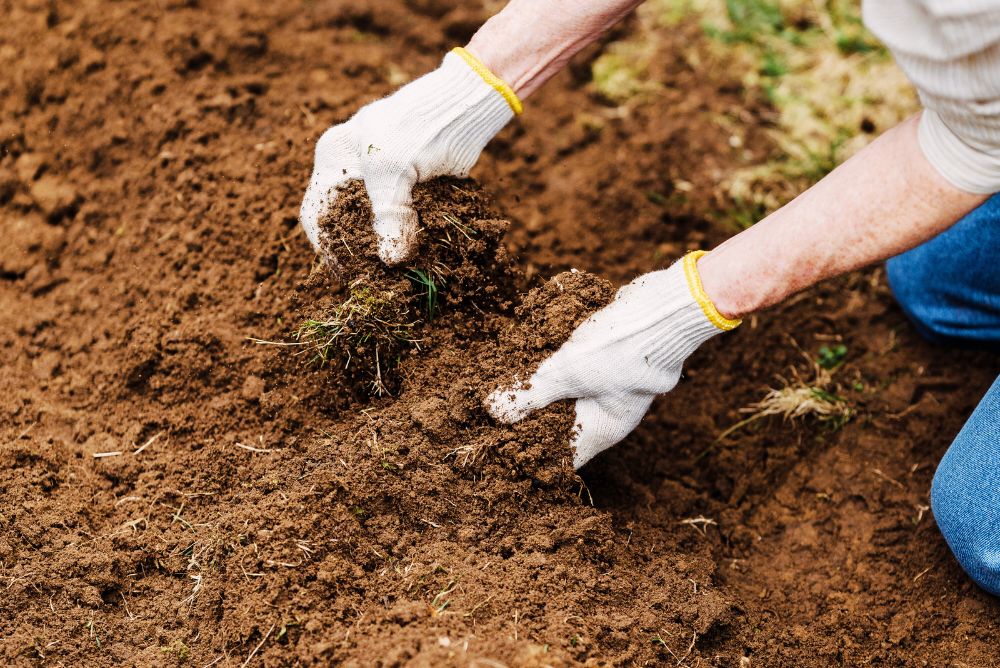
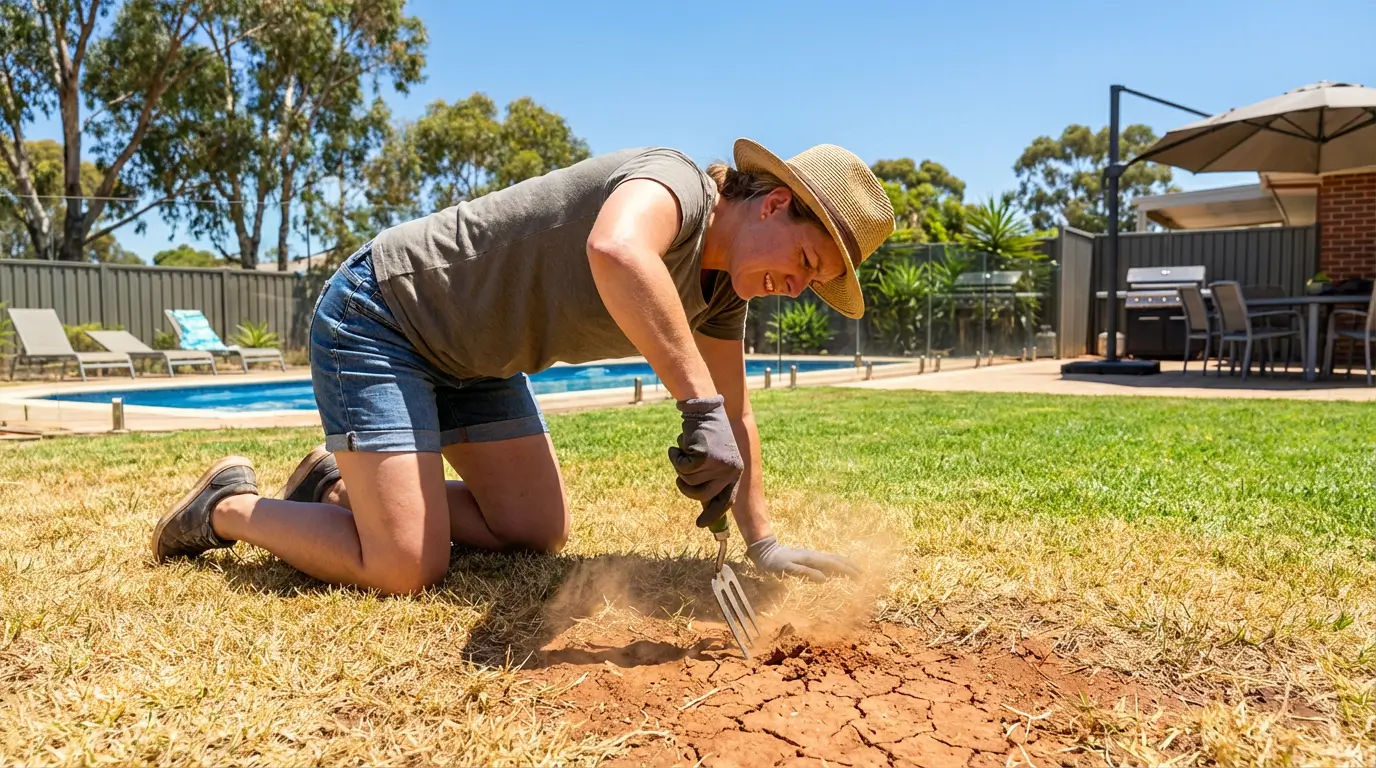
- Use a garden fork or broadfork. Step it in, rock back, and lift a bit. Move back one foot and repeat.
- Do this when soil is moist, not soggy. Wet soil smears. Dry soil shatters.
- Avoid rototillers for hard clay. They can make a hard pan and kill soil life.
Core aeration helps lawns and paths
- A plug aerator pulls small cores. Leave them to break down.
- Top-dress with compost after aeration. It falls into the holes.
Keep roots in the ground
- Living roots open channels. They work day and night.
- Cover bare soil as little as possible. This keeps pores from sealing.
Amendments that work
Compost, leaf mold, and aged manure
- Compost feeds microbes and builds crumbs. Spread one to two inches each season.
- Leaf mold holds water like a sponge. Use one inch under mulch.
- Aged manure adds nutrients and life. Make sure it is well composted.
Research shows that organic matter is the top fix for tight soil. It improves pore space, water flow, and tilt.
Biochar, charged right
- Biochar can help structure and hold nutrients. But it must be charged first.
- Soak it in compost tea or mix with compost for two to four weeks.
- Use up to 10% by volume in beds.
Gypsum for sodic clay, not all clay
- Gypsum helps when sodium is high. It lets clay clump in a good way.
- Do not add gypsum unless a test shows high sodium or a high sodium percentage.
- It does not fix normal clay on its own.
What not to add
- Sand in small amounts makes brick with clay. Avoid it unless you add a lot with full mixing, which is not practical.
- Do not dig in fresh wood chips. Use them as mulch on top.
- Limit peat moss. It is hard on bogs and can repel water once dry.
 drainage habits that heal soil”
style=”max-width: 100%; height: auto; border: 2px solid black; border-radius: 10px; display: block; margin: 0 auto;”
loading=”lazy”
/>
Water and drainage habits that heal soil
- Water deep but less often. Aim for one inch per week from rain and irrigation.
- Use a soaker hose or drip line. These cut runoff and crust.
- Mulch with two to four inches of leaves, straw, or chipped wood. Keep mulch off the stems.
- Fix low spots and compaction near downspouts. Add swales or shallow channels to guide water.
- Avoid working soil when it is wet. That locks in compaction.
Living fixes: roots, microbes, and worms
Cover crops that punch through hard soil
- Daikon radish drills deep holes that loosen subsoil.
- Winter rye builds lots of roots and adds biomass.
- Clover adds nitrogen and feeds microbes.
- Buckwheat grows fast and breaks crust in summer gaps.
Mow or crimp cover crops. Leave the residue as mulch. Do not till if you can avoid it.
Microbes and mycorrhizae
- Compost introduces diverse microbes. This helps structure.
- Mycorrhizal fungi help roots explore soil. Dust seeds or root balls if your soil is new or was bare.
Earthworm care
- Keep soil covered and moist. Worms will come.
- Avoid harsh salts and high-dose synthetic fertilizers. These can push worms away.
Soil test and how to read it
A lab test is the best guide. It shows pH, organic matter, nutrients, and salts.
- pH. Most veggies like 6.2 to 6.8.
- Organic matter. Aim for 5% or more over time.
- Calcium and magnesium. A good balance helps soil crumbs form.
- Sodium and salinity. High values cause tight soil. Gypsum may help here.
- Cation exchange capacity. Higher numbers hold nutrients better.
Use the report to set rates for lime, gypsum, or sulfur. Adjust slowly and retest in a year.

Seasonal plan for the first year
Here is a simple plan for how to fix hard soil for gardening across one year:
- Early spring. Broadfork beds. Add two inches of compost. Lay drip lines.
- Late spring. Mulch with leaves or straw. Plant crops. Water deep.
- Summer. Keep mulch topped up. Add compost tea or a light compost top-dress mid season.
- Fall. Sow cover crops like rye and clover after harvest.
- Winter. Let roots and mulch work. Do not leave soil bare.
Repeat the cycle. You will see soil get darker, looser, and easier to work.

Mistakes to avoid when you fix hard soil
- Over-tilling. It breaks structure and can form a hard pan.
- Adding sand to clay. This can make a brick.
- Working wet soil. It smears and compacts.
- Skipping mulch. Bare soil crusts and bakes.
- Using fresh manure. It can burn roots and add weeds.
- Chasing quick fixes. Soil health is a slow, steady build.
Tools, materials, and cost snapshot
- Broadfork or digging fork. One-time cost. Lasts for years.
- Soaker hose or drip kit. Saves water and reduces crust.
- Compost and leaf mold. Make your own or buy in bulk.
- Mulch. Leaves, straw, or wood chips are low cost or free.
- Cover crop seed. Inexpensive and high impact.
- Soil test. Small fee for big insight.
Tip from my own work: spend first on water and compost. Those two make the fastest change.
How to track progress
- Infiltration time. Re-test every season. Faster soak time means better structure.
- Root depth check. Dig a small hole. Roots should reach 8 to 12 inches.
- Shovel slice test. Look for crumbs that hold together but break with light pressure.
- Earthworm count. Five or more in one square foot is a good sign.
- Feel test. Soil should feel springy, not brick-hard when moist.
Take photos each season. Notes help you see slow but steady wins.
Frequently Asked Questions of how to fix hard soil for gardening
How long does it take to fix hard soil for gardening?
You can feel a change in one season with compost and mulch. Full change can take one to three years with steady care.
Can I fix hard soil for gardening without tilling?
Yes. Broadfork, compost, mulch, and roots can do the job. No-till builds stable structure that lasts longer.
Should I add sand to clay to fix hard soil for gardening?
No, not in small amounts. Sand plus clay makes a brick unless you add huge amounts and mix well, which is not practical.
Will gypsum always fix hard soil for gardening?
No. Gypsum helps sodic soils with high sodium. Test first to see if you need it.
What is the best mulch to fix hard soil for gardening?
Leaves, straw, and arborist wood chips work well. They stop crust, hold water, and feed soil life.
Can raised beds help with how to fix hard soil for gardening?
Yes. Raised beds give fast results while the native soil improves. They also drain better in wet spots.
How much compost should I add to fix hard soil for gardening?
Add one to two inches on top each season. Mix lightly at first, then switch to top-dressing only.
What cover crops are best for how to fix hard soil for gardening?
Daikon radish, rye, and clover are great. They open channels, add biomass, and feed the soil.
Is it okay to walk on beds after I fix hard soil for gardening?
Limit foot traffic. Use paths and boards to spread weight. This keeps your gains.
How do I water when working on how to fix hard soil for gardening?
Water slow and deep with drip or soaker hoses. Let the top inch dry between waterings.
Conclusion
Hard soil can change. With compost, mulch, smart watering, and living roots, you build structure that stays. Start small. Stick with the plan. Your shovel will sink easier each month, and your plants will show it.
Now put this guide to work. Pick one bed, follow the steps, and track your wins. Want more tips like this? Subscribe for updates or drop a question in the comments.

Laura Bennett is a gardening writer at MyGardenLabs who creates beginner-friendly guides focused on solving common plant care and gardening problems.