How To Water Indoor Plants Properly: Expert Tips 2026
Water when top inch is dry, soak deeply, and always let excess drain.
If you want healthy, glossy leaves and steady growth, the secret is learning how to water indoor plants properly. I’ve cared for hundreds of houseplants in homes, studios, and offices, and I’ve made every watering mistake so you don’t have to. This guide blends hands-on experience with proven plant science. Read on and you’ll know exactly how to water indoor plants properly in any room, any season.
Why watering houseplants feels tricky
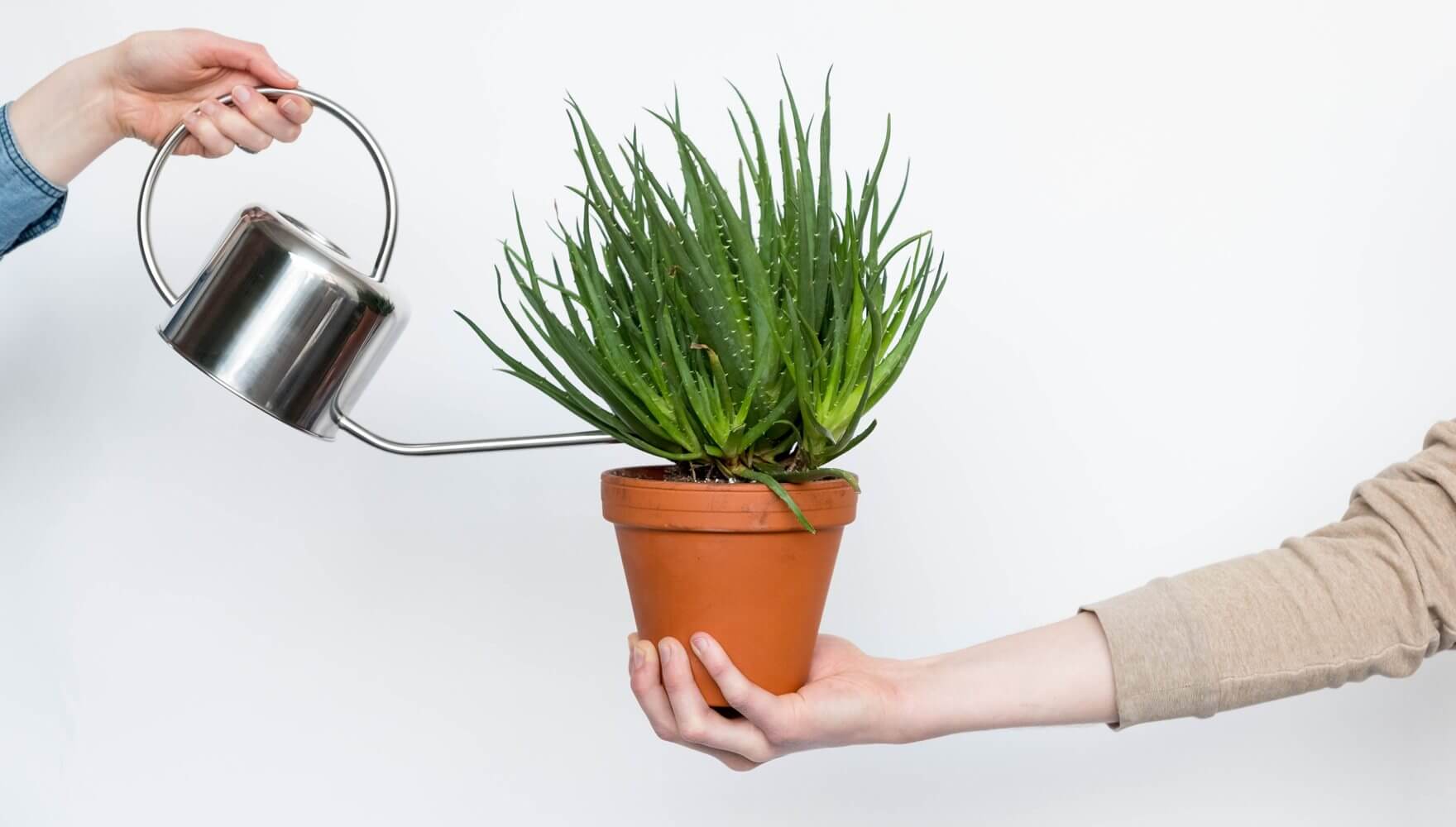
Indoor pots are small worlds. Water moves down by gravity, then spreads sideways, and evaporates from the mix. Light, heat, and airflow change how fast it dries. Roots need both water and air. When soil stays wet too long, oxygen drops and roots suffocate.
To learn how to water indoor plants properly, you must grasp simple pot physics. A free-draining mix holds water and air at the same time. A dense mix stays soggy, which invites root rot. Horticulture research shows most root problems start with low oxygen, not a lack of water.
Here is the key idea. Water well, then wait long enough for the mix to re-aerate before you water again.
Factors that change how often you water
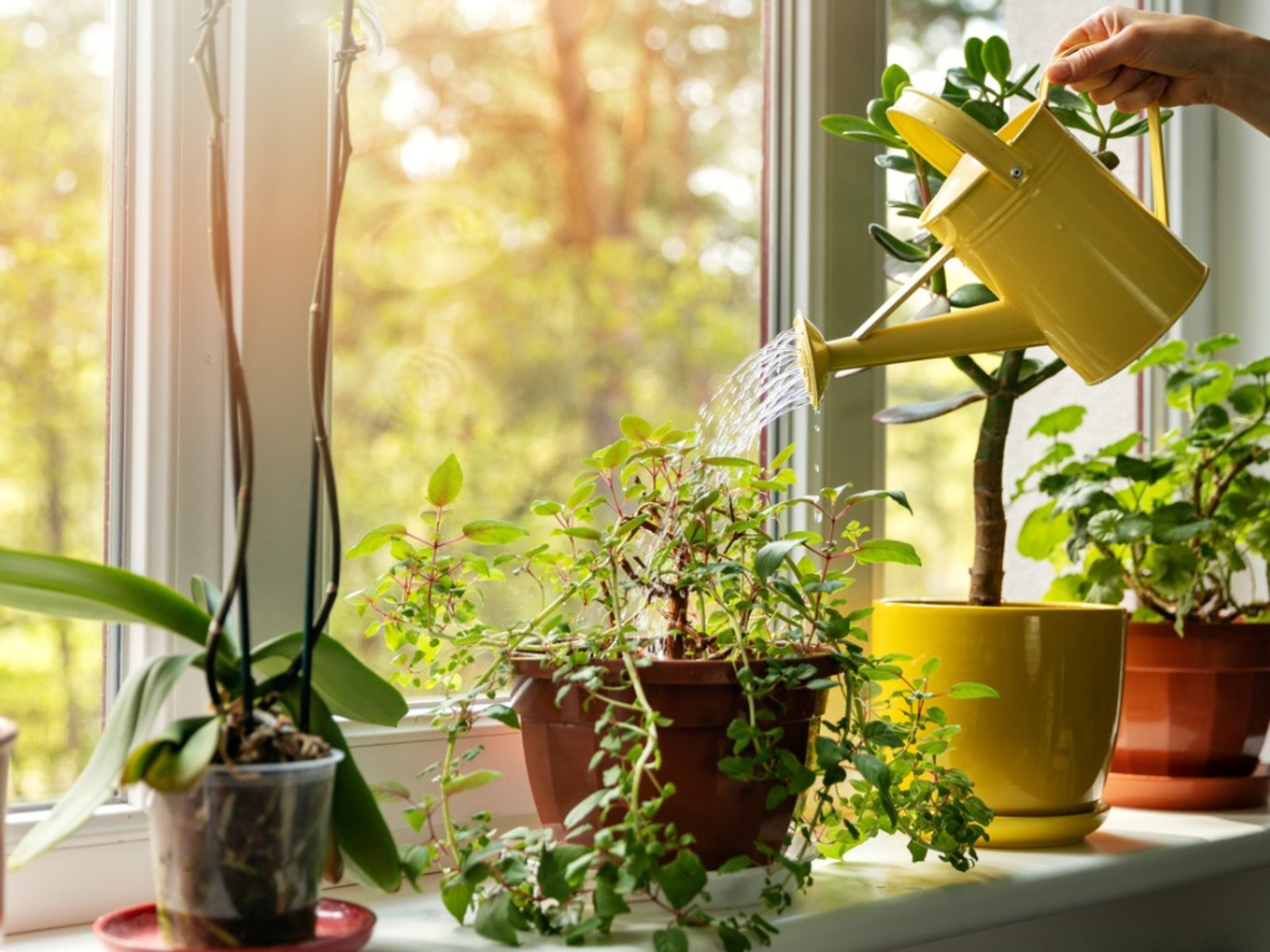
Your plant is unique. Some like it moist, some like it dry. Size, pot, and room all matter.
Knowing your plant is key to how to water indoor plants properly. Keep these factors in mind:
- Plant type. Ferns, peace lilies, and calatheas like even moisture. Cacti and succulents like a full dry-out between drinks.
- Light. More light means faster growth and faster drying. Low light slows both.
- Pot size and material. Small pots dry fast. Terra cotta breathes and dries faster than plastic or ceramic.
- Potting mix. Chunky mix with perlite or bark drains fast. Heavy peat or garden soil holds water too long.
- Temperature and humidity. Warm, dry rooms pull water from soil and leaves. Cool, humid rooms slow drying.
- Drainage. A pot with a clean hole is vital. Cachepots need a way to empty the saucer.
Simple checks that tell you when to water
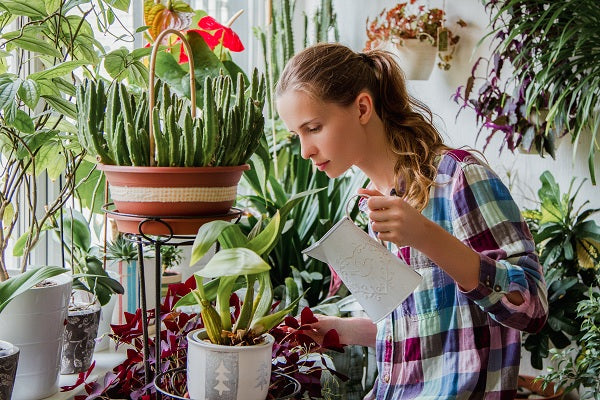
Forget the calendar. Check the plant. Simple tests work better than strict schedules.
Simple checks are the heart of how to water indoor plants properly:
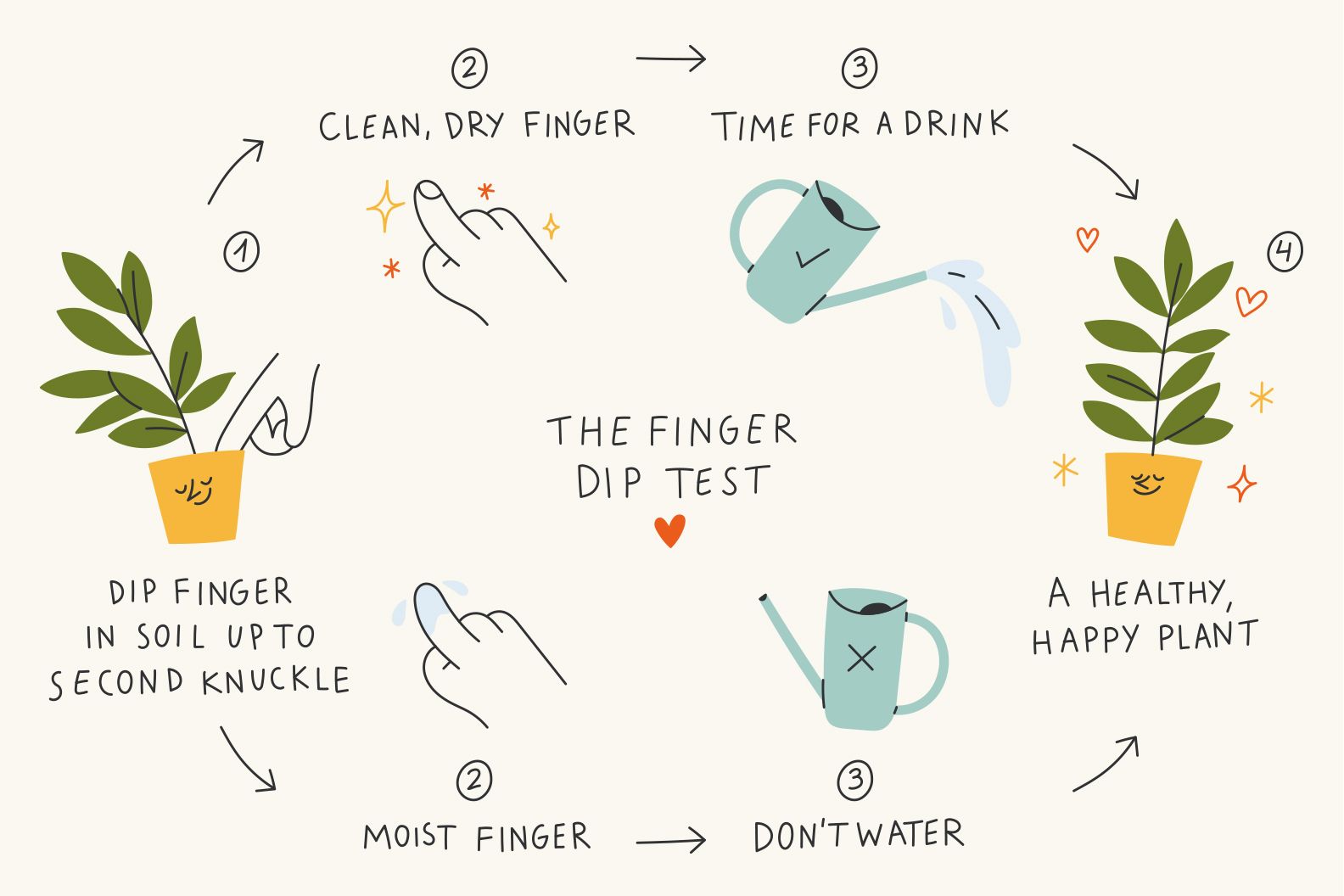
- Finger test. Press your finger 1 inch into the soil. If it feels dry at that depth, water. If it is cool and damp, wait.
- Wooden skewer test. Insert a bamboo skewer and pull it out. If it looks dark or feels damp, wait. If it comes out dry, water.
- Pot weight. Lift the pot. Dry pots feel light. Wet pots feel heavy. Over time, your hands learn the difference.
- Moisture meter. Use as a guide, not a rule. Calibrate by cross-checking with the finger test.
- Visual cues. Wilting can mean dry or too wet. Check the soil before you act.
When in doubt, wait one day and test again. Most plants forgive a short dry spell. Few forgive a long wet spell.
Step-by-step: how to water indoor plants properly
Follow this simple routine for consistent results. This is the backbone of how to water indoor plants properly.
- Check moisture. Use the finger or skewer test.
- Prep the plant. Take it to a sink, tub, or place a saucer nearby.
- Water evenly. Pour slowly around the soil surface until water runs from the drain hole.
- Pause and repeat. Wait 30 seconds, then water again to soak dry pockets.
- Drain fully. Let it sit to drain for 5 to 10 minutes. Empty the saucer.
- Return to its spot. Record the date or make a quick note.
For large floor pots, water in passes. Use a watering can with a narrow spout. Stop when you see steady runoff. Then let it drain.

Watering methods: when to use each one
Choosing a method is part of how to water indoor plants properly. Pick the method that suits the plant, pot, and mix.
- Top watering. Best for most plants. It flushes salts and refreshes the whole root zone.
- Bottom watering. Set the pot in a tray of water for 10 to 20 minutes. Good for plants that hate wet leaves, like African violets. Finish with a brief top water to flush salts.
- Soak and drain. Useful for very dry, water-repellent soil. Soak until bubbles stop, then drain well.
- Self-watering planters. Great for even moisture lovers. Use the right wick and mix. Let the reservoir empty now and then to prevent constant saturation.
- Wicking systems. Useful during travel. Test them before you go.
Avoid misting as a watering method. It raises humidity for a moment but does not water roots.

Water quality and temperature
Water quality matters in how to water indoor plants properly. Most plants are fine with normal tap water. Let cold water reach room temp before use. Ice-cold water can shock roots.
If your tap water is very hard or high in salts, flush the soil monthly. You can use filtered, rain, or distilled water for salt-sensitive plants like calatheas. Chlorine usually dissipates if water sits out overnight. Chloramine does not. A basic carbon filter helps reduce both.
Research shows salt buildup can burn leaf tips. Regular deep watering with drainage helps wash salts out.

Seasonal rhythms and environment
Seasonal changes shape how to water indoor plants properly. In spring and summer, plants grow fast. They drink more. In fall and winter, growth slows with lower light. Most plants need less water.
Watch the room, not the date:
- Winter heat dries air and soil. Check faster.
- Air conditioning also dries air. Pots near vents dry first.
- Bright windows speed drying. Dark corners slow it.
- After repotting, wait longer between waterings as the larger volume holds more moisture.
Growth stage matters too. Fresh cuttings and seedlings like steady, gentle moisture. Mature succulents like deeper, less frequent drinks.
Soil mixes and drainage that make watering easy
Good soil and drainage make how to water indoor plants properly much easier. A quality indoor mix should be airy, not dense.
Aim for:
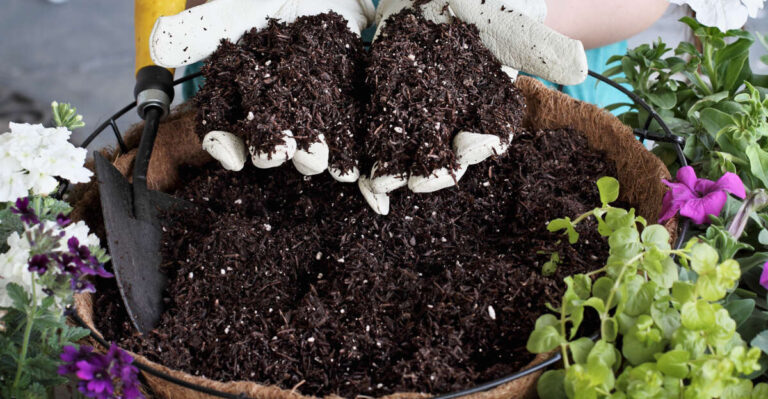
- A base mix of peat or coco coir for water holding.
- Perlite or pumice for air pockets and drainage.
- Pine bark for structure and long-term porosity.
Always use pots with drainage holes. If you love cachepots, keep the plant in a nursery pot inside. Water at the sink or empty the saucer fully after each watering.
Common mistakes and quick fixes
Avoid these errors to master how to water indoor plants properly. Each has a simple fix.
- Watering on a strict schedule. Fix: Check the soil first. Let the plant set the pace.
- Leaving water in saucers. Fix: Empty saucers 5 to 10 minutes after watering.
- Using dense garden soil indoors. Fix: Switch to a well-aerated indoor mix.
- Soggy soil and root rot. Fix: Improve light, airflow, and drainage. Repot in fresh mix if needed.
- Only giving tiny sips. Fix: Water deeply so all roots get moisture. Then let it drain.
If leaves yellow from the bottom up and soil stays wet, reduce frequency and improve light. If leaves crisp and curl and soil is bone dry, water more deeply and more often.
Tools and a simple, flexible schedule
Right tools help with how to water indoor plants properly. You do not need many.
Useful tools:
- Watering can with a narrow spout for control.
- Long-spout bottle or syringe for tight spots.
- Moisture meter as a backup to your finger test.
- Bamboo skewers to probe the root zone.
- Trays and saucers you can empty with ease.
Use a flexible schedule. Take a weekly walkthrough to test plants. Some will need water twice a week. Some will wait two weeks. Group plants by how fast their soil dries to save time.
Lessons from my own plant room
My own wins and fails taught me how to water indoor plants properly. Years ago, I lost a rubber plant by watering “every Sunday.” The soil stayed wet in winter. It rotted. I learned to check the mix, not the calendar.
On the bright side, bottom watering saved my African violets. Their leaves stayed dry, and blooms lasted longer. Now I top water most plants, bottom water a few, and always drain the saucers. That small change made a big difference.
Frequently Asked Questions of how to water indoor plants properly
How often should I water most houseplants?
There is no single rule. Check the top inch of soil and water only when it feels dry. Light, pot size, and mix change the timing.
Is tap water safe for indoor plants?
In most homes, yes. If your water is very hard or leaves white crust, flush monthly or use filtered water for sensitive plants.
Should I mist my plants to water them?
Misting does not water roots. It can help humidity for a short time, but the soil still needs proper watering.
What is bottom watering and when should I use it?
You set the pot in a tray of water so soil absorbs moisture from below. It is great for plants that dislike wet leaves and for rehydrating dry soil.
How do I stop overwatering?
Use a free-draining mix, a pot with a drain hole, and the finger test. Water deeply, then wait until the top inch is dry before watering again.
Do self-watering pots cause root rot?
Not if used right. Choose a wicking mix, keep the reservoir clean, and let it run dry now and then to refresh air in the root zone.
Conclusion
Water with purpose, then let the soil breathe. Check the mix, choose the right method, and let the plant guide the timing. Once you practice this a few times, you will know exactly how to water indoor plants properly without guesswork.
Start today. Do a quick walkthrough, test the soil, and give the plants that need it a deep, draining drink. Want more tips like this? Subscribe for weekly plant care guides and share your questions in the comments.

Laura Bennett is a gardening writer at MyGardenLabs who creates beginner-friendly guides focused on solving common plant care and gardening problems.