How To Keep Indoor Plants Alive For Beginners: Quick Tips
Use bright indirect light, water by feel, and always ensure drainage.
If you have ever wondered how to keep indoor plants alive for beginners, you are in the right place. I’ve helped many new plant parents go from wilted leaves to lush growth with simple, repeatable steps. This guide shows you how to keep indoor plants alive for beginners with clear rules, easy checks, and real tips that work in busy homes.
The simple framework that works every time
Here is how to keep indoor plants alive for beginners in one easy path. Give the right light, water based on soil feel, use fast-draining mix, and keep a steady routine. Adjust slowly and watch how your plant responds. That is the heart of how to keep indoor plants alive for beginners.
Follow this four-step loop each week:
- Check light. Is the plant in bright, indirect light most of the day?
- Check soil. Stick a finger in the top inch. Water only if dry.
- Check pot. Confirm drainage holes and empty any standing water.
- Check leaves. Note changes in color, spots, or pests and act early.
Light made simple
Light is food for plants. Most houseplants want bright, indirect light. That means near a bright window, but not in harsh midday sun. If the plant leans or grows thin stems, it needs more light.
Use this quick test:
- Soft, blurry shadow on your hand equals bright, indirect light.
- Faint or no shadow equals low light.
- Sharp shadow equals direct sun.
North and east windows are gentle. South and west windows can be strong; move plants back a few feet or use a sheer curtain. If your room is dim, add a small LED grow light on a timer for 10 to 12 hours. This single step can decide how to keep indoor plants alive for beginners.

Water without guesswork
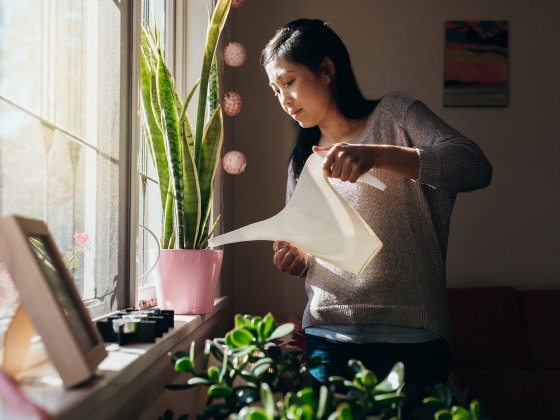
Overwatering is the top killer. Underwatering is easier to fix. Check soil before you water. Press a finger into the soil up to the first knuckle. If it feels dry, water. If it feels damp or cool, wait.
Try these simple checks:
- Weight test. Lift the pot after a full soak and when dry. Learn the difference.
- Chopstick test. Insert a wooden stick for 10 minutes. If it comes out clean, water.
Water until it runs from the drainage holes. Then let it drain fully. Do not let pots sit in saucers full of water. For how to keep indoor plants alive for beginners, this habit prevents root rot.
Soil, pots, and drainage
Fast-draining mix keeps roots healthy. Most tropical houseplants like a blend with coco coir or peat-free base, perlite, and a bit of bark. Cacti and succulents need even more grit for faster drain.
Pick a pot with drainage holes. If you love a pot without holes, use it as a cover. Keep the plant in a nursery pot that drains, then set it inside. Move up only one to two inches in pot width when repotting. Good drainage is a key part of how to keep indoor plants alive for beginners.

Humidity and temperature
Most indoor plants thrive at 40 to 60 percent humidity and steady room temps. Aim for 65 to 80°F. Keep plants away from heaters, AC vents, and drafty doors. Rapid swings can stress them.
Boost humidity with:
- A small humidifier near your plant group.
- A pebble tray filled with water under the pot.
- Grouping plants together to share moisture.
These simple steps support how to keep indoor plants alive for beginners, especially in dry seasons.

Feeding and repotting
Feed during spring and summer when plants grow. Use a gentle, balanced liquid fertilizer at half strength every 4 to 6 weeks. Skip feeding in winter when growth slows. More is not better.
Repot every 12 to 24 months, or when roots circle the pot or water runs right through. Refreshing mix adds air and nutrients. This keeps roots strong, which is central to how to keep indoor plants alive for beginners.
Pests, disease, and plant hygiene
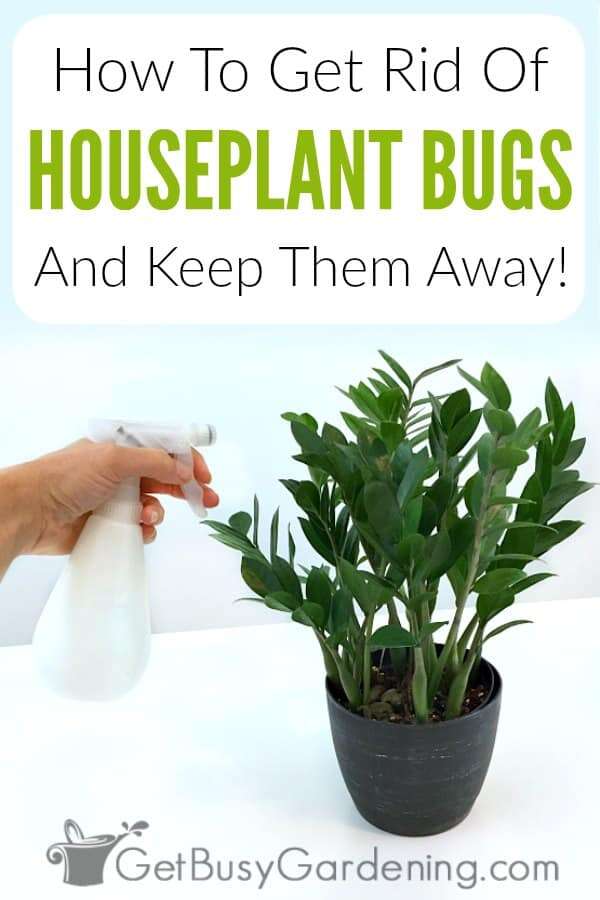
Pests happen, even with good care. Check new plants for hitchhikers. Isolate new buys for two weeks. Wipe leaves monthly with a damp cloth to remove dust and boost light use.
If you see trouble:
- Spider mites make fine webbing and speckled leaves. Rinse, then use insecticidal soap.
- Fungus gnats fly near soil. Let the top inch dry, use sticky traps, and add a layer of sand.
- Mealybugs look like white cotton. Dab with alcohol and treat with soap or oil.
Act fast and follow up weekly. Clean care is part of how to keep indoor plants alive for beginners.

Easy starter plants that forgive mistakes
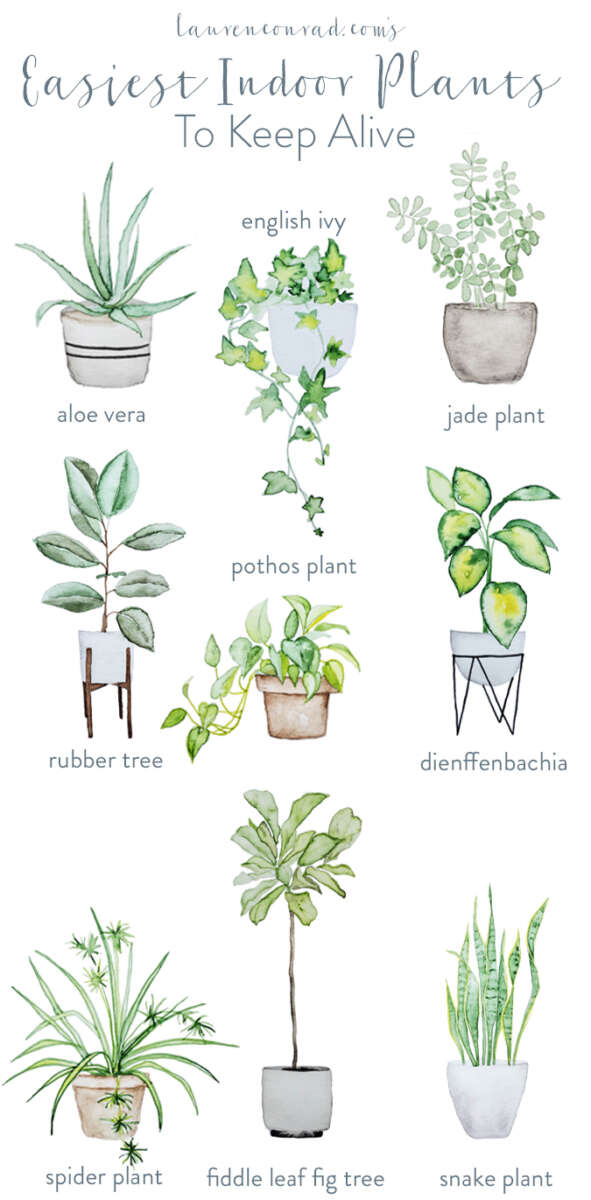
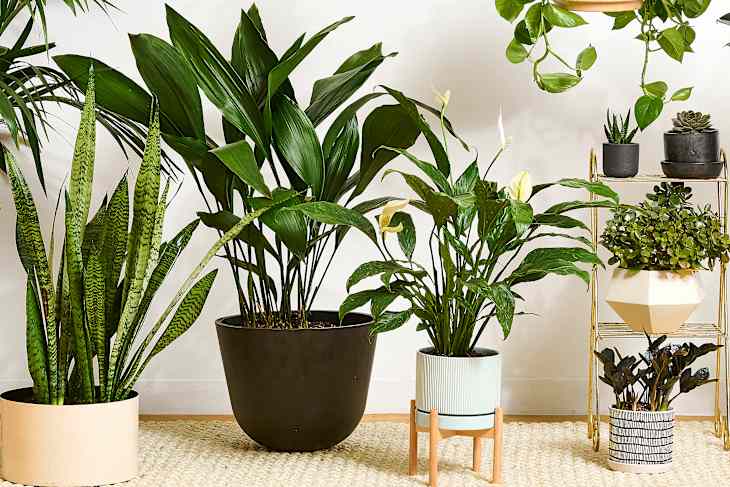
Some plants bend before they break. Start with these patient picks while you learn how to keep indoor plants alive for beginners.
- Pothos (Epipremnum aureum). Bright to low light, drinks when dry, grows fast.
- Snake plant (Dracaena). Handles low light and rare watering. Very tough.
- ZZ plant (Zamioculcas zamiifolia). Low light champ, let soil dry deep.
- Heartleaf philodendron (Philodendron hederaceum). Trails well, loves bright, indirect light.
- Spider plant (Chlorophytum). Easy to divide, likes bright, indirect light.
- Peace lily (Spathiphyllum). Wilts to signal thirst, then perks up fast.
A weekly care routine and troubleshooting
A small routine keeps things simple. It is the secret sauce in how to keep indoor plants alive for beginners. Set a weekly plant date and do the same checks each time.
Do this every week:
- Feel the soil. Water only if the top inch is dry.
- Rotate the pot a quarter turn to keep growth even.
- Dust leaves and check for pests with a quick glance.
- Empty saucers and wipe the shelf or tray.
Quick fixes for common signs:
- Yellow leaves. Often too much water. Let the soil dry more between drinks.
- Brown tips. Dry air or salt build-up. Rinse soil and raise humidity.
- Leggy growth. Not enough light. Move closer to a bright window or add a light.
- Mushy stems. Root rot. Trim bad roots, repot in fresh, airy mix, water less.
Tools and supplies that help
You do not need fancy gear to master how to keep indoor plants alive for beginners. A few basics will make care easier and faster.
- Watering can with a narrow spout for control.
- Pruning shears for clean cuts.
- Indoor potting mix, perlite, and bark for airflow.
- LED grow light with a timer for dark rooms.
- Humidifier or pebble tray for dry homes.
- Sticky traps and insecticidal soap for pests.
- A small magnifier to spot bugs early.
Frequently Asked Questions of how to keep indoor plants alive for beginners
How often should I water my plants?
Water on demand, not on a calendar. Check the top inch of soil and water only when dry.
Do I need a grow light?
If your space is dim for most of the day, a grow light helps. Pick an LED with full spectrum and run it 10 to 12 hours.
Why are my plant’s leaves turning yellow?
It is often too much water or low light. Improve drainage, let soil dry more, and give brighter, indirect light.
How do I pick the right pot size?
Move up one to two inches wider than the current pot. Too large a pot holds water and risks root rot.
Are self-watering pots good for beginners?
Yes, if you use airy mix and watch the reservoir. Let the soil dry at the top before refilling.
What indoor plants are safe for pets?
Spider plant and some calatheas are safer choices. Always check a trusted pet safety list before buying.
Conclusion
You can do this. Start with light, soil feel, and good drainage. Keep a steady weekly check, and adjust one thing at a time. This simple system is how to keep indoor plants alive for beginners, and it works in real homes with real schedules. Pick one plant today, set a five-minute routine, and watch it thrive. Want more tips? Subscribe for monthly care guides or share your plant wins in the comments.

Laura Bennett is a gardening writer at MyGardenLabs who creates beginner-friendly guides focused on solving common plant care and gardening problems.