
How To Maintain A Garden With Little Time: Quick Tips
Use tough plants, automate watering, mulch deep, and work in short bursts.
If you want to know how to maintain a garden with little time, you’re in the right place. I’ve helped busy homeowners, parents, and pros reclaim their weekends without losing lush beds and fresh herbs. In this guide, I’ll show you the exact systems, tools, and plant choices that keep gardens thriving with minutes, not hours. Stick with me, and you’ll learn what matters most—and what you can skip.

Build a low-maintenance plan
A small, smart plan beats a big, messy yard. Start by mapping sun, shade, and wind. Then match plants and layouts to your real life, not your wish list.
Focus on high-impact, low-effort zones. Place plants you use most near the door. Put thirsty or fussy plants in one patch so care is quick.
I use a rule that works for anyone asking how to maintain a garden with little time. Design for five-minute tasks. If a task takes longer, break it into steps you can finish fast.
- Pick two goals for the season. For example: fresh herbs and clean edges.
- Group plants by water needs. This saves walking and guessing.
- Shrink lawn edges and widen beds. Curves are pretty but keep them smooth and simple.

Choose plants that thrive on neglect
Plant choice is your biggest time win. Native and regionally adapted plants need less water, less food, and less fuss. Perennials return each year, so you plant once and enjoy for years.
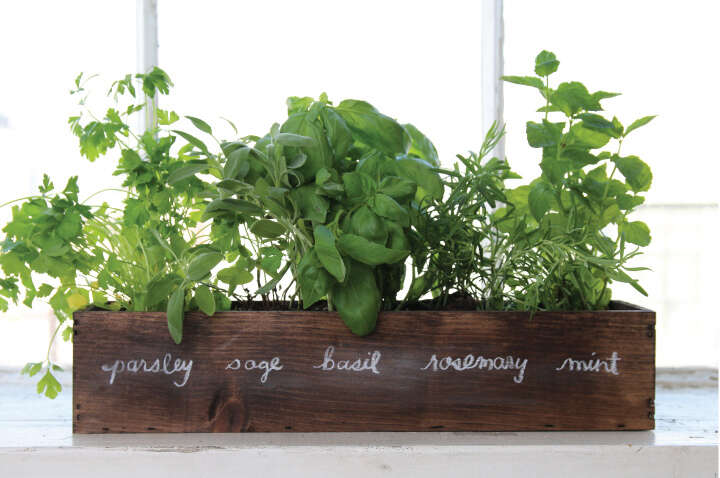
I like sturdy stars: sedum, daylily, echinacea, salvia, thyme, rosemary, and dwarf grasses. In shade, go for hosta, heuchera, and ferns. For containers, pick compact tomatoes, peppers, and basil bred for pots.
When people ask how to maintain a garden with little time, I point them to right plant, right place. If a plant fails twice, swap it. Do not force it.
- Choose dwarf or compact varieties. They need less pruning.
- Use fewer species in bigger drifts. It looks tidy with less work.
- Avoid water-hungry divas unless you love them and will care for them.

Set up soil and mulch for autopilot care
Healthy soil is your silent helper. Add compost once or twice a year to feed the soil life. This boosts plant health and cuts your need for fertilizer.
Mulch is your second helper. A 2 to 3 inch layer locks in moisture and stops most weeds. Research shows mulch can cut water loss by up to half and reduce weeds by most. I refresh thin spots each spring.
If your aim is how to maintain a garden with little time, go no-dig. Lay cardboard over weeds, add compost, then mulch. Plant right into it and let worms do the heavy lifting.
- Use shredded bark or leaf mold. They breathe and break down well.
- Keep mulch off stems. A small gap prevents rot and pests.
- Top-dress with compost in spring. Skip heavy tilling.

Water smart with automation and habits
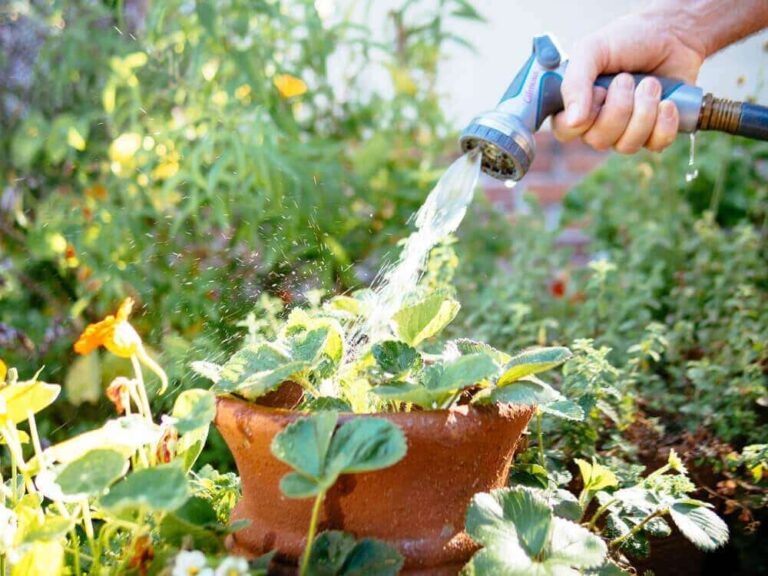
Drip irrigation is the best friend of busy gardeners. It puts water at the roots, not on leaves or paths. Studies show drip can save 30 to 50 percent water compared to sprinklers.
Set a timer for early morning. Run longer, less often. Deep water builds deep roots. I audit my system each season in five minutes: turn it on, walk the line, fix clogs.
To master how to maintain a garden with little time, pick one method and standardize it. Drip for beds, self-watering planters for containers, and a soaker hose for hedges.
- Use a smart timer with a rain sensor. It skips watering after rain.
- Check moisture with your finger. If the top inch is dry, water.
- Group pots on a saucer tray to hold extra water on hot days.

Simple weekly and monthly routines
Tiny habits keep chaos away. I run a fast loop on Sundays. I walk the beds with a bucket, pull obvious weeds, deadhead blooms, and check moisture. It takes 10 to 15 minutes.
Monthly, I edge beds, top up mulch bare patches, and tidy tools. I tie in any flopping stems. I also note any plant that needed extra care. If it begs too much, it goes.
If you want how to maintain a garden with little time, make a checklist and stick it on the fridge. Routine beats willpower.
- Weekly: five-minute walk, spot-water, quick weed pull.
- Monthly: edge beds, prune light, compost top-dress.
- Seasonally: plant, divide, or swap anything that struggles.
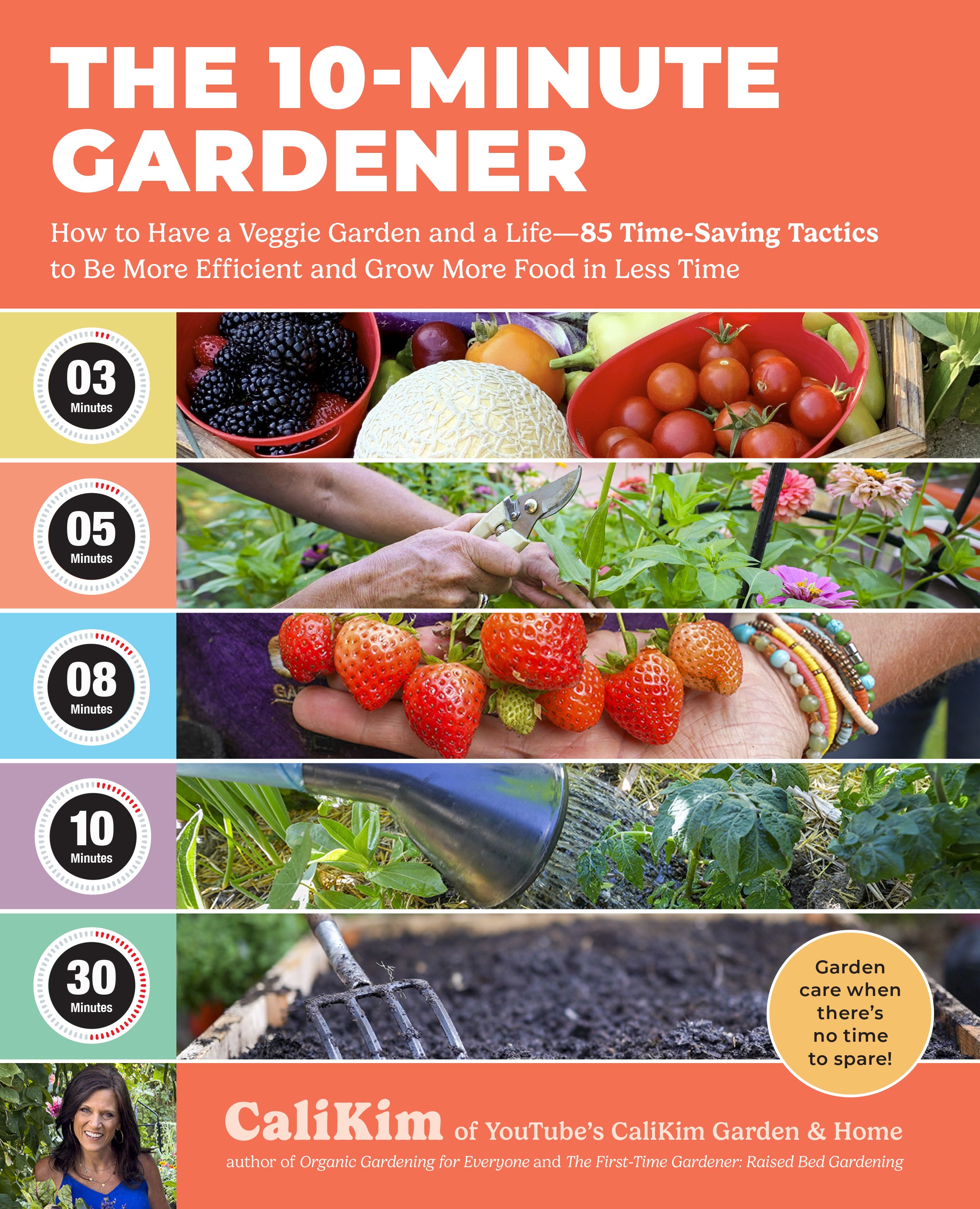
Tools and gear that save minutes
Good tools cut work. Keep them sharp and close at hand. A small caddy near the door can save many steps.
I keep pruners, a hori-hori knife, gloves, a hand rake, and a kneeling pad in one tote. A battery hedge trimmer and a lightweight blower are handy for quick tidies.
For anyone focused on how to maintain a garden with little time, automate what you can. A timer, drip kit, and self-watering planters are worth every dollar.
- Use bypass pruners for clean cuts. They heal faster.
- Buy one good hose with quick-connects. No more threading fittings.
- Keep a five-gallon bucket as your mobile trash can.

Seasonal quick-check calendar
Seasons set the rhythm. You can keep it light and still stay ahead. Use these quick checks to stay in control.
Spring
- Add compost, set drip, plant tough perennials.
- Mulch to 2 to 3 inches, edge beds, check timer.
Summer
- Deep water in morning, deadhead, and stake as needed.
- Cut back spent bloomers for a second flush.
Fall
- Plant bulbs and perennials, divide crowded plants.
- Leaf mulch beds and clean tools.
Winter
- Prune dormant shrubs as needed.
- Plan next year’s swaps and order seeds.
This rhythm supports how to maintain a garden with little time. You invest once per season, then coast.
Pests, diseases, and weeds with minimal effort
Healthy plants resist most problems. Start with clean tools and good spacing. Water the soil, not the leaves. That alone stops many fungal issues.
I use sticky traps and hand-pick pests during my Sunday walk. For outbreaks, I start simple: a strong water spray, insecticidal soap, or neem, used in the evening. Avoid spraying blooms to protect pollinators.
The key to how to maintain a garden with little time is prevention. Mulch to block weed seeds. Fill gaps with groundcovers that shade soil.
- Rotate edibles each year to reduce disease.
- Remove sick leaves fast. Do not compost them.
- Plant disease-resistant varieties for tomatoes and roses.

Design tricks that cut work and add joy
Design with clean lines and fewer edges. Wide, simple beds are faster to weed and water. Repetition of plants reads calm and needs less pruning.
Add evergreen anchors so the garden looks good without blooms. Use containers to bring color where soil is poor. A bench or path invites you out for that five-minute check.
A smart layout is the secret to how to maintain a garden with little time. Form shapes your work, every week of the year.
- Use crushed stone or bark paths to keep mud down.
- Choose large containers with self-watering inserts.
- Place a hose hook in each zone to save steps.
Budget and small-space tips
You do not need a big budget. Split perennials with friends. Start herbs from cuttings. Buy soil and mulch in bulk if you can share with a neighbor.
For balconies and patios, focus on containers. Pick light pots, mix potting soil with compost, and use slow-release fertilizer. Group pots by sun and water them all at once.
If you want how to maintain a garden with little time in a small space, think vertical. Use trellises and wall planters to grow more with less mess.
- Choose dwarf fruit in pots for high reward.
- Use a single color palette for calm and simple care.
- Add a small rain barrel to feed a drip line for containers.
Frequently Asked Questions of how to maintain a garden with little time
What is the fastest way to reduce garden work?
Mulch your beds 2 to 3 inches deep and install drip irrigation. Those two steps cut weeds and water stress fast.
How often should I water if I’m busy?
Water deeply one to two times per week, early in the morning. Use a timer so it happens even if you forget.
Which plants are best for low effort?
Choose natives and tough perennials like sedum, echinacea, daylily, and herbs like rosemary and thyme. They thrive with little fuss.
Can I keep containers alive with little time?
Yes. Use large self-watering planters, a good potting mix, and slow-release fertilizer. Group pots and run a drip line on a timer.
How do I handle weeds quickly?
Mulch well and pull small weeds during a weekly five-minute walk. A sharp hori-hori knife makes it fast.
What’s a simple routine for beginners?
Do a Sunday walk: check moisture, pull a few weeds, and deadhead blooms. Once a month, edge beds and add compost.
How to maintain a garden with little time if I travel?
Automate watering with a timer and drip, and choose drought-tolerant plants. Ask a neighbor to do one check after heat waves.
Conclusion
You can have a vibrant, tidy garden without losing your weekends. Pick tough plants, build healthy soil, mulch deep, and automate water. Work in short, steady bursts and let design do half the work.
Start this week with one change: set a timer and lay down mulch. Then add a drip line and a simple five-minute Sunday walk. If this helped you learn how to maintain a garden with little time, subscribe for more quick guides, share your wins, or drop a question—I’m here to help.

Laura Bennett is a gardening writer at MyGardenLabs who creates beginner-friendly guides focused on solving common plant care and gardening problems.