How To Grow Herbs For Beginners Indoors: Quick Start 2026
Start with easy herbs, bright light, well drained pots, steady watering, and patience.
You want a windowsill that smells like summer and tastes like fresh pesto. I’ve spent years teaching new growers how to grow herbs for beginners indoors, from tiny apartments to windowless studios with grow lights. This guide gives you the steps, the science, and the small tricks that keep herbs alive and lush. If you want practical help on how to grow herbs for beginners indoors, you’re in the right place.

What You Need To Get Started
If you ask me how to grow herbs for beginners indoors, I start with simple tools. You do not need a fancy setup. You need light, good pots, and a plan.
Essentials I use and recommend:
- Pots with drainage holes Choose 4 to 6 inch pots for most herbs.
- Saucers or a waterproof tray Catch extra water and protect surfaces.
- Quality indoor potting mix Use a peat or coco base with perlite for airflow.
- Grow light if light is weak Look for full spectrum LED around 4000 to 6500 K.
- Small watering can or squeeze bottle Helps you water the soil, not the leaves.
- Scissors or snips Clean cuts prevent damage and disease.
- Gentle fertilizer A balanced liquid feed at half strength.
- Sticky cards Yellow cards help monitor pests like fungus gnats.
Choose The Right Herbs For Beginners
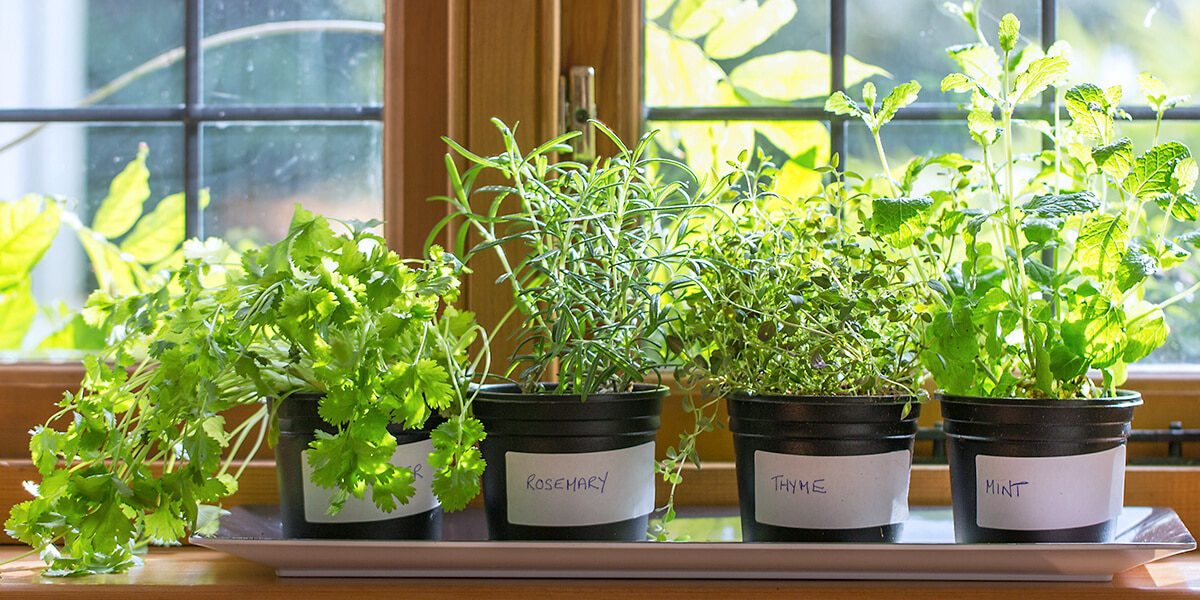
Picking the right plants is the easiest win in how to grow herbs for beginners indoors. Some herbs are forgiving. Some are divas.
Great starter herbs and why they work:
- Basil Fast, fragrant, and happy with strong light. Pinch often for a bushy plant.
- Mint Grows fast in medium light. Keep it in its own pot.
- Parsley Slow to start, then steady. Curly parsley stays tidy on a sill.
- Chives Thin leaves, mild onion taste. Low fuss and good in cooler rooms.
- Thyme Small leaves, woody stems, needs strong light but little water.
- Oregano Similar to thyme. Warm and dry suits it best.
- Cilantro Quick to grow but quick to bolt. Best in cooler rooms with bright light.
- Rosemary Woody and slow. Needs bright light and careful watering.
If your window gets less than 4 hours of sun, pick mint, parsley, or chives. If you add a grow light, basil, thyme, oregano, and rosemary shine. This choice alone boosts your success with how to grow herbs for beginners indoors.
:strip_icc()/window-hanging-herb-planter-05014de0-c912aa196673407ea37d5ff6dbc7bcda.jpg)
Light, Temperature, And Airflow
Light is the number one factor in how to grow herbs for beginners indoors. Aim for 12 to 16 hours of bright light per day. South or west windows work best. East can work for mint and parsley. North windows need a grow light.
Grow light tips that work:
- Spectrum Look for full spectrum LED around 4000 to 6500 K.
- Distance Keep lights 6 to 12 inches above the leaves.
- Timer Use 14 hours on and 10 hours off for most herbs.
- Power Many herbs do well with modest output. A simple 20 to 40 watt LED bar over a small shelf works.
Keep rooms at 65 to 75°F. Night can drop to 60°F, but not lower. Keep humidity near 40 to 50 percent. A small fan on low keeps air moving and stops mildew. Good airflow is a quiet hero in how to grow herbs for beginners indoors.
:max_bytes(150000):strip_icc()/herbs-to-grow-indoors-5220148-hero-a3d35c36664b4785a13f2b5134bf7856.jpg)
Soil, Pots, And Drainage
Roots need air as much as water. The right mix and pot prevent root rot. This is a core rule in how to grow herbs for beginners indoors.
What to use:
- Potting mix Use indoor potting mix with perlite. Not garden soil.
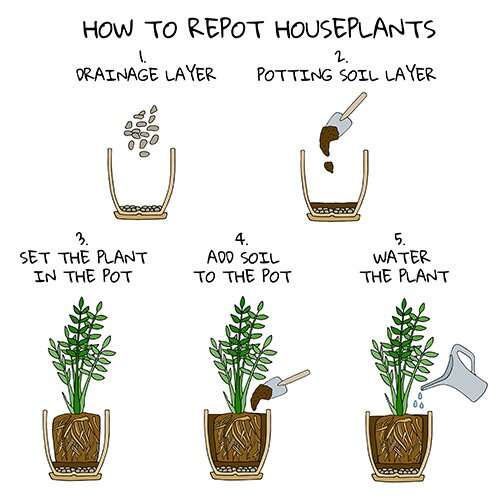
- Pot size Start with 4 to 6 inch pots. Up pot when roots fill the pot.
- Drainage Holes are a must. Use a saucer to catch extra water.
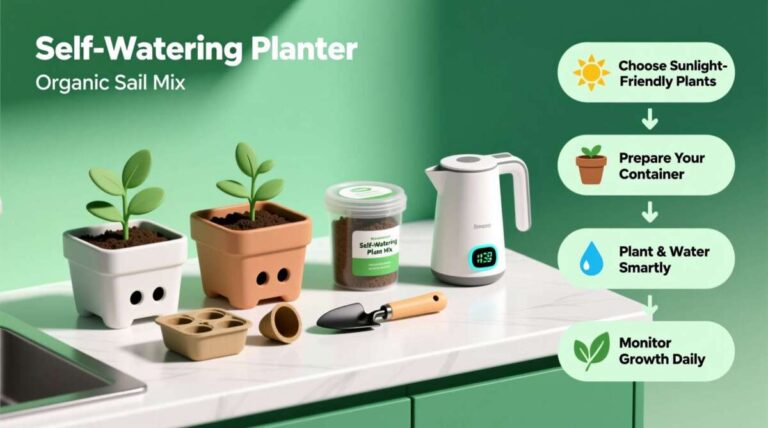
- Self watering planters They help if you forget to water. Keep the soil airy.
- pH Aim for 6.0 to 7.0. Most potting mixes are close to this.
If your mix compacts, add extra perlite. If water pools on top, loosen the surface with a fork. Healthy roots are the quiet engine of every indoor garden.

Watering And Feeding Made Simple
Overwatering is the top mistake in how to grow herbs for beginners indoors. Herbs like even moisture, not soggy feet.
Easy watering method I teach:
- Finger test Press your finger one inch into the soil. If dry, water. If damp, wait.
- Weight test Lift the pot. Light means dry. Heavy means wet.
- Bottom watering Set the pot in a tray of water for 10 to 15 minutes. Drain well.
Feeding should be light but steady:
- Use a balanced liquid fertilizer at half strength every 2 to 4 weeks.
- Skip feeding the first 3 to 4 weeks after potting if the mix has fertilizer.
- Flush with plain water once a month to prevent salt build up.
Herbs taste best with modest feeding. Too much fertilizer gives big leaves but weak flavor.
Planting: Seeds vs Starter Plants
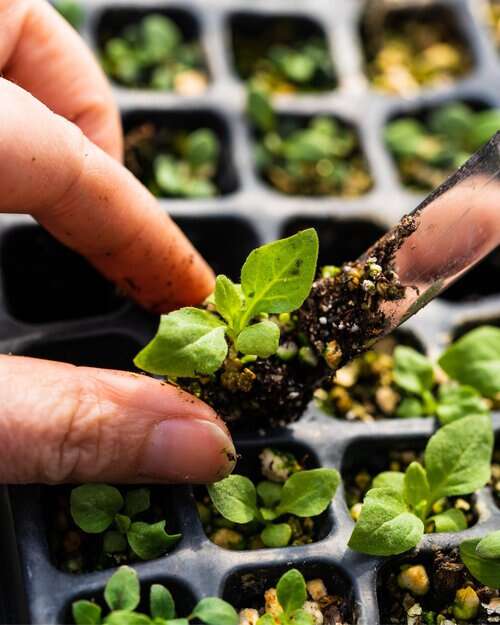
Both paths work in how to grow herbs for beginners indoors. Seeds cost less and teach you a lot. Starters give you a head start.
Starting from seed:
- Fill pots with moistened mix. Level and tap to settle.
- Sow seeds shallow. Basil and cilantro need only a dusting of mix.
- Cover with a clear lid or plastic wrap. Vent daily for fresh air.
- Keep warm. Most herbs sprout best at 68 to 75°F.
- Typical times Basil 5 to 7 days. Cilantro 7 to 10 days. Parsley 14 to 21 days.
- Remove cover when seeds sprout. Give bright light at once.
Using starter plants:
- Pick compact, green plants with no spots or bugs.
- Gently loosen roots. Plant at the same depth.
- Water to settle. Keep in bright light from day one.
If you want fast results, start with basil, mint, and parsley starters. Add a few seed trays for cilantro and chives. It is a smooth path for how to grow herbs for beginners indoors.
Daily And Weekly Care Routine
A simple routine removes guesswork in how to grow herbs for beginners indoors. I keep mine short and easy.
Daily
- Check soil with the finger test. Water only if the top inch is dry.
- Rotate pots a quarter turn for even growth.
- Pinch tips on basil and mint for bushy plants.
- Scan for pests under leaves.
Weekly
- Wipe dust off leaves with a damp cloth.
- Trim leggy stems. Cut above a leaf node.
- Check the light height and adjust.
- Feed if it is a feeding week.
A 30 day plan to get momentum:
- Days 1 to 7 Pot herbs. Set lights. Learn the finger test. No feeding yet.
- Days 8 to 14 Start light feeding. Begin pinching basil tops.
- Days 15 to 21 Harvest small sprigs for taste tests. Rotate pots daily.
- Days 22 to 30 Trim leggy growth. Flush with plain water once.

Harvesting, Pruning, And Keeping Herbs Bushy
Good pruning is the secret sauce in how to grow herbs for beginners indoors. Harvest often, but never take more than one third of the plant at once.
Quick rules by herb:
- Basil Pinch above a pair of leaves. Remove flower buds to keep flavor strong.
- Mint Cut stems above a leaf pair. It rebounds fast.
- Parsley Cut outer stems at the base. Leave inner shoots to grow.
- Chives Snip leaves 1 inch above soil. They regrow like grass.
- Thyme and oregano Cut soft tips, not hard wood. Take 3 to 5 inch sprigs.
- Rosemary Take tender tips only. Let the plant rest between harvests.
- Cilantro Cut by the handful above the lowest leaves. Grow in waves for a steady supply.
Want fuller plants Fast, light harvests every week beat rare big cuts. That rhythm builds dense, happy herbs.
Common Problems And Quick Fixes
Troubleshooting is part of how to grow herbs for beginners indoors. Most issues come from light or water.
Match the symptom to the fix:
- Leggy, pale stems Not enough light. Move to a brighter spot or lower the light.
- Yellow leaves at the bottom Overwatering or poor drainage. Let the soil dry and add more perlite.
- Droopy leaves If soil is dry, water. If soil is wet, wait and improve airflow.
- Brown tips on leaves Low humidity or too much fertilizer. Mist gently and flush the pot.
- Fungus gnats Keep the top inch dry between waterings. Use sticky cards and bottom watering.
- Powdery mildew Increase airflow. Water soil, not leaves. Trim affected parts.
If growth stalls, check light hours and pot size. Small pots dry fast and can slow growth. Fix the basics first.
Simple Indoor Garden Layouts
Good layout makes how to grow herbs for beginners indoors easy to live with. Keep it neat and close to your kitchen.
Three simple setups:
- Sunny windowsill Three 4 inch pots of basil, parsley, and chives. Rotate daily.
- Under cabinet strip light One 24 inch LED bar. Four 4 inch pots of mint, basil, thyme, and oregano on a tray.
- Two tier shelf grow station Two LED bars, one per shelf. Eight 4 to 6 inch pots mixed herbs. Add a small fan.
Use timers for lights. Use trays to catch water. Put scissors nearby so you harvest more often.
Budget And Sustainability Tips
You can master how to grow herbs for beginners indoors without spending much. Small tweaks cut waste and cost.
Ideas that work:
- Upcycle clean food containers Drill holes for drainage. Add a saucer.
- Use a simple mechanical timer Saves power and keeps light hours steady.
- Try a wick system Cotton cord through the pot into a water jar. It evens out moisture.
- Choose efficient LEDs They run cool, use less power, and last long.
- Prevent pests first Quarantine new plants for one week. Check under leaves.
- Go light on fertilizer Less is more with flavor and saves money.
Dry extra harvest in a paper bag in a warm room. Store in jars away from light. You grew it, keep it.
Frequently Asked Questions of how to grow herbs for beginners indoors
How much light do indoor herbs need?
Most herbs need 12 to 16 hours of bright light each day. Use a timer and keep lights 6 to 12 inches above the leaves.
Can I grow herbs without a sunny window?
Yes, use a full spectrum LED grow light. A simple 20 to 40 watt bar can support several small pots.
How often should I water indoor herbs?
Water when the top inch of soil is dry. Expect every 2 to 4 days in warm rooms and less in cool rooms.
What is the easiest herb for beginners?
Mint, chives, and parsley are very forgiving. Basil is easy too with strong light.
Why is my basil getting leggy?
It needs more light or closer light. Give 14 hours daily and pinch the tops to promote branching.
Do I need fertilizer for indoor herbs?
Yes, but go light. Use a half strength liquid feed every 2 to 4 weeks during active growth.
Can I grow cilantro indoors year round?
Yes, but keep it cool and bright. Sow fresh seeds every 3 to 4 weeks to avoid gaps.
Conclusion
You now know how to grow herbs for beginners indoors with calm, clear steps. Pick easy herbs, give strong light, use airy soil, water with care, and harvest often. Small, steady habits turn windowsills into fresh food.
Start today with three plants and a simple timer. Track what works, tweak one thing at a time, and enjoy the scent of fresh leaves in your kitchen. If this helped, subscribe for more indoor growing guides or leave a comment with your setup and wins.

Laura Bennett is a gardening writer at MyGardenLabs who creates beginner-friendly guides focused on solving common plant care and gardening problems.