How To Propagate Plants From Cuttings: Quick Guide 2026
Take healthy cuttings, keep them humid and warm, root in sterile, moist medium.
If you want fast, low-cost houseplants or more shrubs for your yard, learning how to propagate plants from cuttings is the skill that changes everything. I’ve spent years testing mixes, light, and timing across seasons. This guide blends real-world tips with proven methods so you can master how to propagate plants from cuttings with confidence.

Why cuttings work and what you need
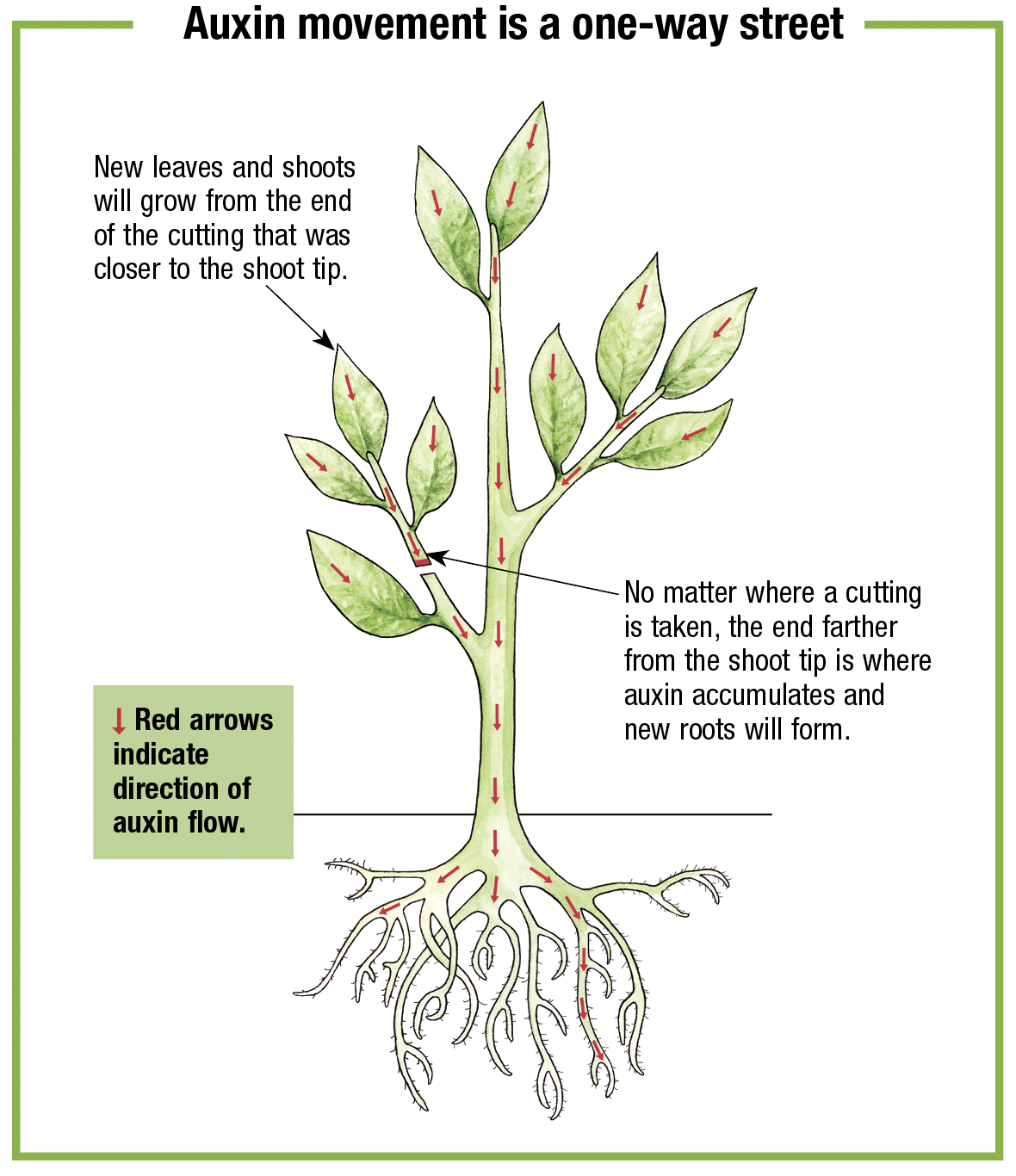
Plant cuttings root because stems and leaves carry growth signals. These include auxin, the hormone that triggers roots near nodes. With the right moisture, warmth, and clean tools, a cut stem can grow into a full plant.
I’ve seen this work best when I keep things simple. Start clean, reduce stress, and give steady care. That mix beats fancy hacks.
Tools and supplies:
- Sharp, clean pruners or a sterile razor
- 70% isopropyl alcohol or a 10% bleach solution for tool dips
- Rooting hormone with IBA or NAA, powder or gel
- Seed tray or small pots with drainage
- Rooting medium: perlite, vermiculite, or a light mix
- Humidity dome, clear bag, or a clear storage bin
- Heat mat with thermostat, if your home is cool
- Spray bottle with clean water
- Plant labels and a pen
- A bright, indirect light source or small grow light

Types of cuttings you can take
Knowing the type helps you choose timing and care. This makes how to propagate plants from cuttings much easier.
- Softwood cuttings: Young, bendy stems from spring to early summer. Coleus, hydrangea, rosemary.
- Semi-hardwood cuttings: Firmer mid-season stems. Boxwood, camellia, olive.
- Hardwood cuttings: Mature, dormant wood in late fall or winter. Grapes, figs, roses, willow.
- Leaf cuttings: A leaf forms roots and new shoots. Snake plant, begonia, African violet.
- Root cuttings: A root segment sprouts a new crown. Blackberry, oriental poppy, Japanese anemone.
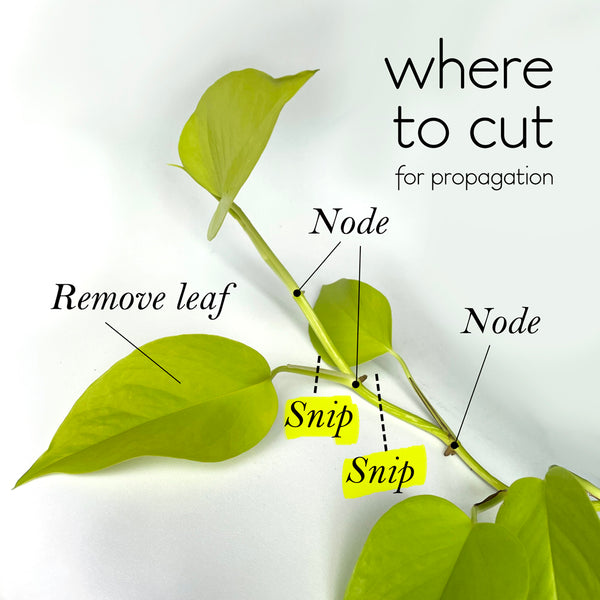
- Node cuttings: A small stem section with one node. Pothos, philodendron, monstera.
Quick tip: If the stem snaps clean, it is hardwood. If it bends, it is softwood to semi-hardwood.

Step-by-step: how to propagate plants from cuttings
Use these steps to standardize how to propagate plants from cuttings. This is the method I teach beginners and use myself.
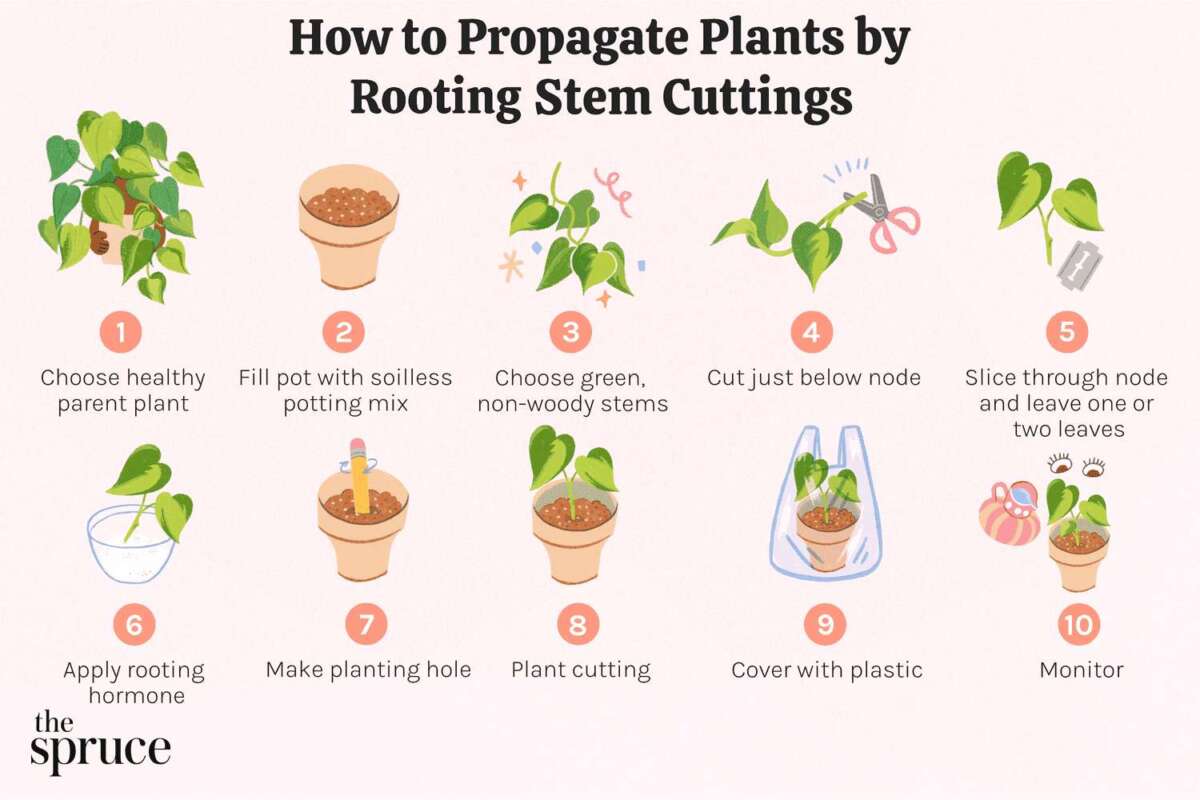
- Choose a healthy parent plant. Avoid pests and disease.
- Time it right. Take softwood in spring, hardwood in winter.
- Select a stem with at least two nodes. Avoid flower buds.
- Sterilize tools. Wipe blades before each plant.
- Make the cut. Cut just below a node at a slight angle.
- Strip lower leaves. Keep two small leaves near the top.
- Reduce leaf size if large. Cut big leaves in half to lower loss.
- Optional wounding. Lightly scrape one side of the base to expose green tissue.
- Dip in hormone. Tap off extra so it does not cake.
- Insert into moist medium. Bury at least one node.
- Firm the medium. You want contact without crushing the stem.
- Cover for humidity. Use a dome or clear bag on a support.
- Add bottom heat if cool. Aim for 70 to 75°F at the root zone.
- Give bright, indirect light. No hot sun on tender cuttings.
- Vent once a day. Let in fresh air to prevent mold.
- Water only as needed. Keep medium moist, not soggy.
- Check for roots in 2 to 6 weeks. Tug lightly or look for new growth.
- Harden off. Open the cover longer each day over a week.
- Pot up. Move to a light potting mix when roots are 1 to 2 inches long.
- Feed lightly after two weeks. Use quarter-strength fertilizer.
Mistakes I learned to avoid:
- Overwatering. Soggy mix equals rot.
- Too much sun. Leaves burn and droop fast.
- Skipping labels. You forget timing and variety.
- Dirty tools. One cut can spread disease to all.
Best rooting mediums and setups
The right medium is the backbone of how to propagate plants from cuttings. It must hold air and some water. It should also be clean.
Great mixes:
- Perlite and peat at 1:1. Airy and steady moisture.
- Perlite and coco coir at 1:1. Sustainable and clean.
- Straight perlite. Best for rot-prone plants.
- Seed-starting mix cut with perlite at 1:1. Easy to find and light.
Water vs medium:
- Water rooting is fast for pothos, philodendron, coleus. But roots from water can be weak in soil at first.
- Medium rooting builds stronger roots for woody plants. It cuts down on shock at potting up.
Light, heat, and humidity:
- Light: Bright, indirect light. Think a north window or a low grow light.
- Heat: Root zone at 70 to 75°F. A heat mat helps in cool rooms.
- Humidity: 80 to 95% at first. Vent daily to stop mold.
Rooting hormones, cleanliness, and safety
Rooting hormone helps, but it is not magic. It shines when wood is firm or slow to root. It also levels out results as you learn how to propagate plants from cuttings.
How to choose and use:
- Powder is simple and cheap. Gel sticks well to slick stems.
- Strength guide: 0.1% IBA for softwood. 0.3% for hardwood.
- Dip just the base, then tap off extra. Too much can burn tissue.
Cleanliness is non-negotiable:
- Dip tools in 70% alcohol between plants.
- Clean pots and trays with 10% bleach, then rinse.
- Use fresh, sterile medium. Do not reuse old mix for new cuttings.
Safety tips:
- Wear gloves when handling hormone.
- Label the product and keep away from kids and pets.
- Wash hands after use.

Aftercare: potting up and training young plants
After you master how to propagate plants from cuttings, aftercare makes or breaks success. Gentle steps avoid shock and stall.
What to do when roots form:
- Harden off humidity over 5 to 7 days. Open vents longer each day.
- Pot up into a small container. Use a light, well-drained mix.
- Water to settle. Then let the top inch dry before the next drink.
- Light feed after two weeks. Use a gentle, balanced fertilizer.
- Step up pot size as roots fill the space. Do not jump too big.
Shape and train:
- Pinch soft tips to branch bushy plants.
- Stake tall, soft stems so they do not bend.
- Rotate pots weekly for even growth.

Troubleshooting: fixes to common problems
Most issues link to water, air, or light. Small tweaks often rescue a tray. Keep notes as you learn how to propagate plants from cuttings so you can adjust faster next round.
- Wilting under the dome: Too hot. Move to softer light and vent more.
- Leaves yellowing: Overwater or low nitrogen. Let mix dry a bit. Feed later.
- Mold on medium: Stale air or soggy mix. Vent daily. Cut back water.
- Stem rot at base: Dirty tools or deep burying. Sterilize and re-cut above rot.
- No roots after weeks: Low heat or old wood. Add bottom heat or switch to fresh softwood.
- Weak water roots that stall in soil: Step down. Move to moist perlite first, then to soil.
Plant-specific tips for fast success
Dialing tips by plant makes how to propagate plants from cuttings far more reliable. Here are quick wins I use a lot.
- Pothos and philodendron: One node in water or perlite. Change water weekly.
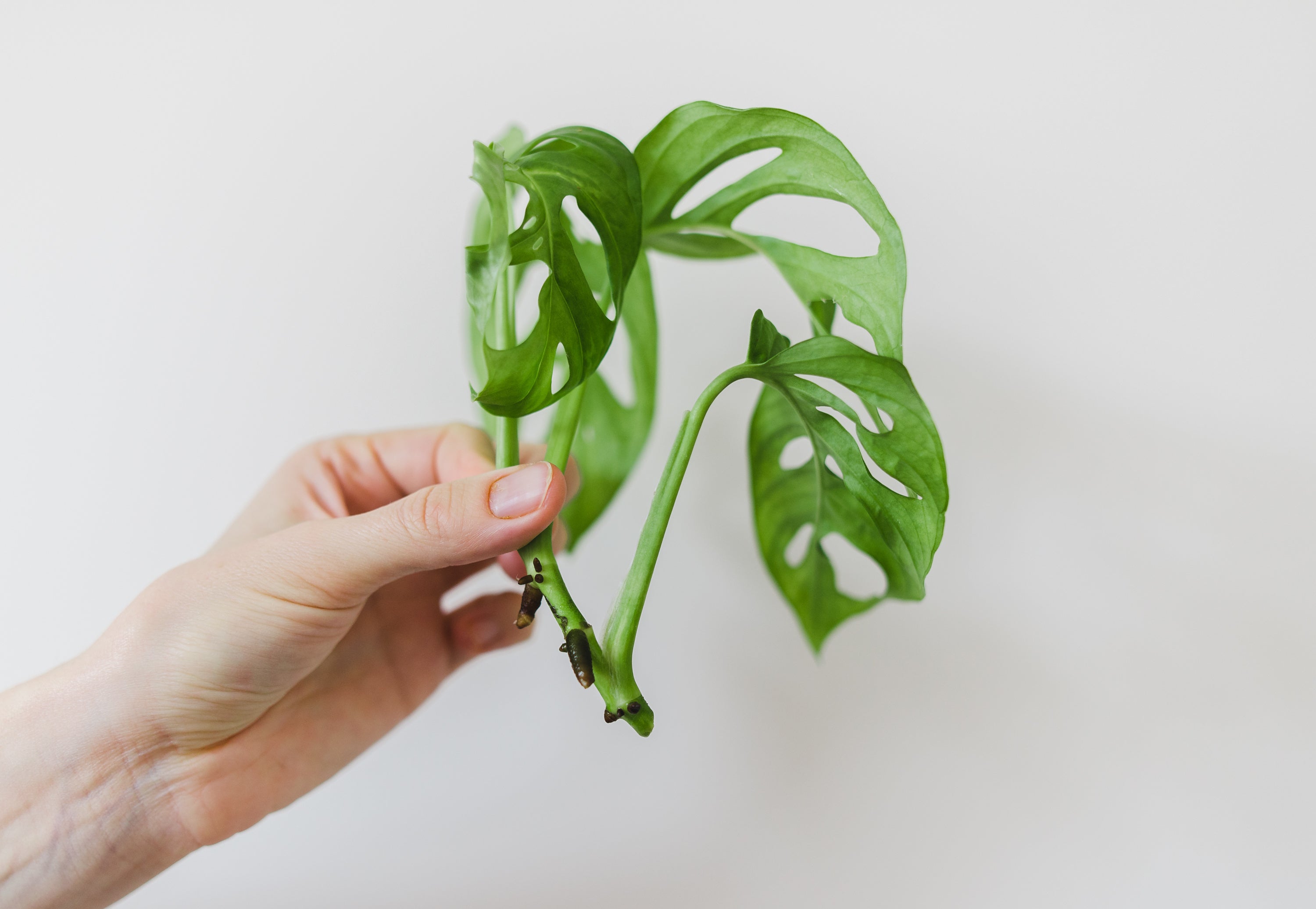
- Monstera: Include at least one node and an aerial root nub. Medium beats water.
- Coleus: Roots in a week in water. Pot up early to avoid flop.
- Snake plant: Cut leaf into 2-inch sections. Keep orientation. Tip faces up.
- Jade and succulents: Let cut ends dry 2 to 4 days. Then set on dry mix and mist.
- Rosemary and lavender: Softwood in spring. Use 0.1% hormone and perlite-heavy mix.
- Hydrangea: Softwood nodes in early summer. Remove big leaves or cut them in half.
- Roses: Hardwood in late fall. Heel cuttings outdoors in a sheltered bed.
- Fiddle leaf fig and rubber plant: One-node cuttings with a leaf. Higher humidity and warmth help.
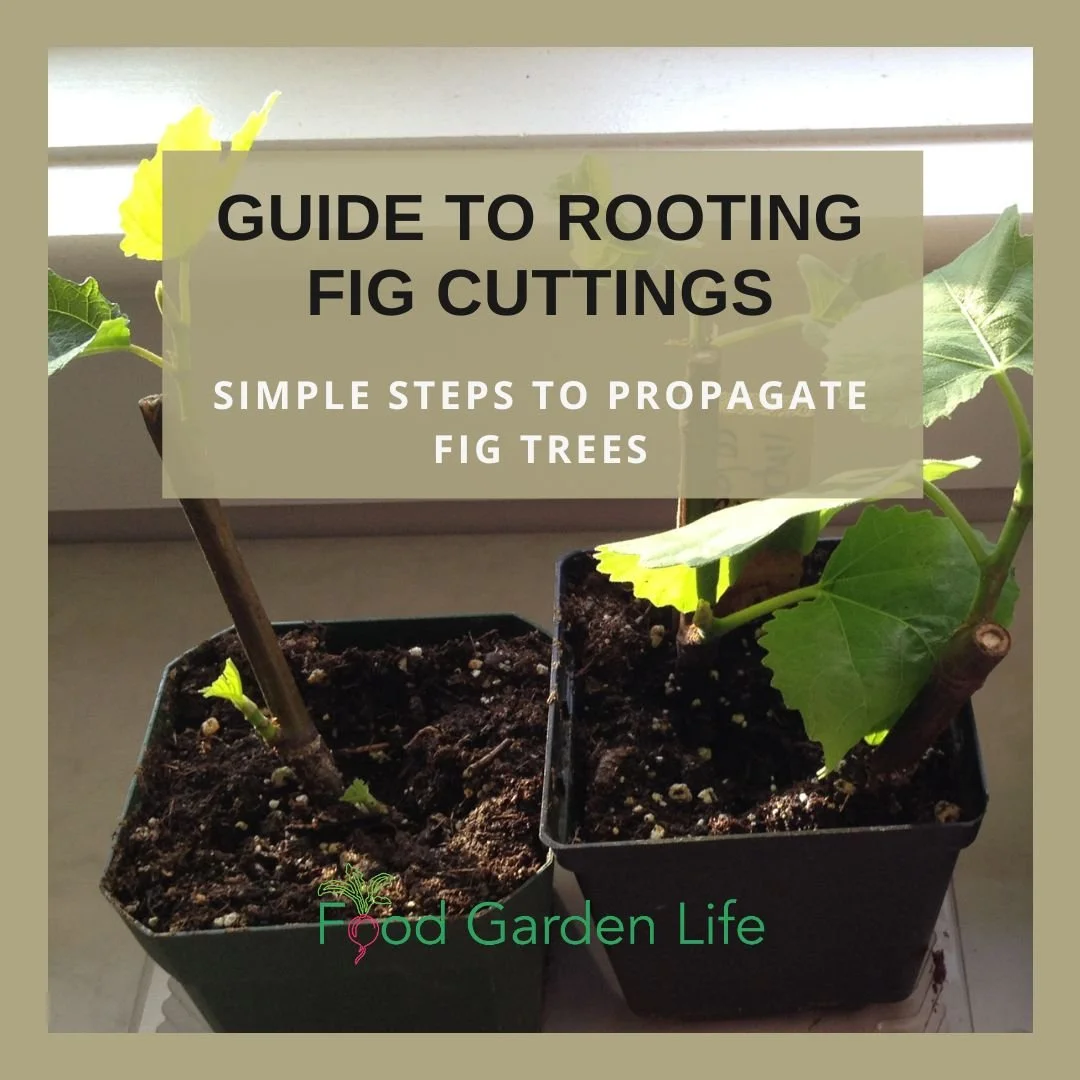
- Fig tree and grapes: Hardwood sticks in winter. Bottom heat speeds callus.
Ethics, legal notes, and biosecurity
Do not propagate patented or trademarked cultivars without permission. Many modern plants carry a tag that bans propagation. Buy licensed stock if you want more.
Protect your garden and others. Quarantine new plants for two weeks. Sterilize tools between plants. Do not share cuttings across borders without permits. This keeps pests and disease from spreading as you explore how to propagate plants from cuttings.
Frequently Asked Questions of how to propagate plants from cuttings
How long do cuttings take to root?
Soft plants can root in 7 to 14 days. Woody plants often take 4 to 8 weeks, sometimes more.
Can I root cuttings in water?
Yes, many houseplants root in water. Move to soil once roots are 1 to 2 inches long to build strength.
Do I need rooting hormone?
Not always, but it helps with slow or woody stems. It can improve success and speed.
What temperature is best for rooting?
Aim for 70 to 75°F at the root zone. Use a heat mat if your room runs cool.
Why do my cuttings rot?
Usually from too much water, low air flow, or dirty tools. Use a lighter mix, vent daily, and sterilize.
Can I take cuttings from flowering stems?
It is better to choose non-flowering stems. Flowers drain energy needed for roots.
How much light do cuttings need?
Bright, indirect light works best. Avoid direct sun until the plant is well rooted.
Conclusion
You now have a simple, proven path to grow more plants for less. Choose the right cutting, keep it clean, give steady warmth and humidity, and be patient. As you practice how to propagate plants from cuttings, your success will rise fast.
Start with one tray this week. Label, log, and adjust. Share your wins or questions in the comments, and subscribe for more hands-on plant guides.

Laura Bennett is a gardening writer at MyGardenLabs who creates beginner-friendly guides focused on solving common plant care and gardening problems.