How To Care For Outdoor Plants For Beginners: 2026 Guide
Start small: right plant, right place, consistent water, mulch, and observe daily.
If you want a clear, friendly guide on how to care for outdoor plants for beginners, you’re in the right spot. I’ve helped new gardeners turn bare patios into green corners and sad beds into healthy blooms. I’ll show you the simple steps, the why behind them, and the easy wins you can use today. By the end, how to care for outdoor plants for beginners will feel doable, fun, and rewarding.

Know Your Space: Sun, Wind, and Climate
Your yard is its own tiny world. Sun hits one side more. Wind funnels down paths. Soil holds more or less water. Take a week to watch how light moves, where water pools, and which spots stay warm or cool.
Check your hardiness zone. This tells you the coldest temps your plants must face. Note microclimates too. A brick wall stores heat. A low spot can trap frost.
Try a simple soil test. Grab a jar, add soil and water, shake, and let it settle. Sand drops fast. Clay stays cloudy. This helps you plan drainage and amendments.
Begin with what your space gives you. You will learn faster, spend less, and lose fewer plants. This is the heart of how to care for outdoor plants for beginners.

Choose Beginner-Friendly Plants
Pick plants that match your light, soil, and zone. Read plant tags. They tell you sun needs, water, and size. Right plant, right place saves time and stress.
Start with tough, proven picks:
- Natives that thrive in your region
- Lavender, salvia, and yarrow for sun and low water
- Marigolds, zinnias, and petunias for easy color
- Hostas, ferns, and heuchera for shade
- Rosemary, thyme, and oregano for hardy herbs
Mix annuals and perennials. Annuals bloom fast and teach you quick lessons. Perennials return each year and build your base. This approach is core to how to care for outdoor plants for beginners.

Soil Basics and Planting the Right Way
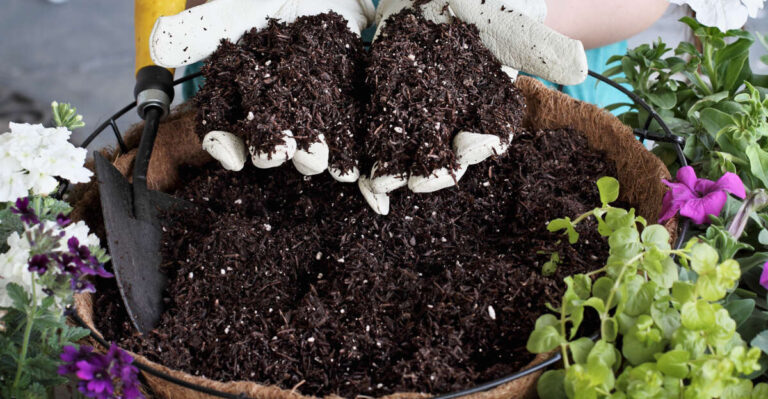
Healthy soil makes healthy plants. Aim for crumbly soil that drains well but holds some moisture. Add compost to improve texture. Work it in 2 to 4 inches deep.
Plant at the right depth. The top of the root ball should sit level with the soil. Loosen circling roots so they can spread. Backfill, press gently, and water well.
Do not overwork wet soil. It compacts and hurts roots. Take your time and set strong foundations. Soil care is key in how to care for outdoor plants for beginners.

Watering Made Simple
Water deep, not often. Most plants need about 1 inch per week from rain or a hose. Check soil with your finger. If the top inch is dry, it is time to water.
Water in the morning. Leaves dry fast, which reduces disease. Use a soaker hose for even, slow water. Aim at the base, not the leaves.
Adjust for weather and soil. Sandy soil dries fast. Clay holds water longer. In heat waves, check daily. Smart watering is a pillar of how to care for outdoor plants for beginners.

Light and Heat Management
Match plants to light. Full sun means 6 or more hours. Part sun is 3 to 6. Shade is less than 3. Watch how many hours each bed gets.
Help plants in heat. Add mulch, water early, and give afternoon shade if needed. A light fabric can shield tender plants. Move pots if they bake on concrete.
Rotate containers during the season if the sun shifts. Fine tuning light is part of how to care for outdoor plants for beginners.
Feeding, Mulching, and Weed Control
Feed the soil first. Compost adds life. A slow-release, balanced fertilizer supports growth. Follow the label. More is not better.
Mulch 2 to 3 inches deep. Keep it an inch off stems. Mulch stops weeds, holds water, and keeps roots cool. It also makes beds look neat.
Weed a little, often. Pull after rain when roots let go. Cover bare soil so weeds do not take over. This routine is central to how to care for outdoor plants for beginners.

Pruning, Deadheading, and Staking
Cut to shape, not to punish. Remove dead, damaged, or crossing stems. Make clean cuts just above a bud. Use sharp, clean tools.
Deadhead spent blooms. This often brings more flowers. Stake tall plants early to avoid breakage.
Do small touch-ups each week. It keeps plants healthy and tidy. These simple tasks define how to care for outdoor plants for beginners.

Pests and Diseases: Prevention First
Strong plants resist problems. Good sun, airflow, and clean tools go a long way. Water the soil, not leaves, to lower disease risk.
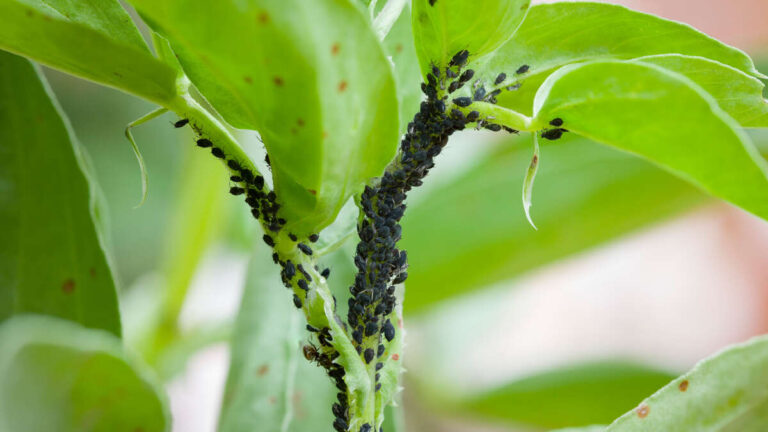
Scout often. Flip leaves and look for spots or pests. Early action works best. Try hand-picking, a strong water spray, or insecticidal soap as labeled.
Invite allies. Ladybugs, lacewings, and birds eat pests. Plant flowers that bring them in. Prevent and observe. That is how to care for outdoor plants for beginners without harsh steps.

Seasonal Care Checklist
Spring
- Clean beds, test soil, and add compost
- Plant cool-season annuals and perennials
- Start a watering and mulch plan
Summer
- Water deep, weed weekly, and deadhead
- Watch for heat stress and pests
- Feed light if growth slows
Fall
- Plant perennials, bulbs, and trees
- Top up mulch and tidy beds
- Collect leaves to make compost
Winter
- Protect roots with mulch
- Water evergreens on thawed days if dry
- Plan and order seeds for spring
Use this cycle as your guide. It is a simple map for how to care for outdoor plants for beginners.
Smart Setup: Tools, Time, and Budget
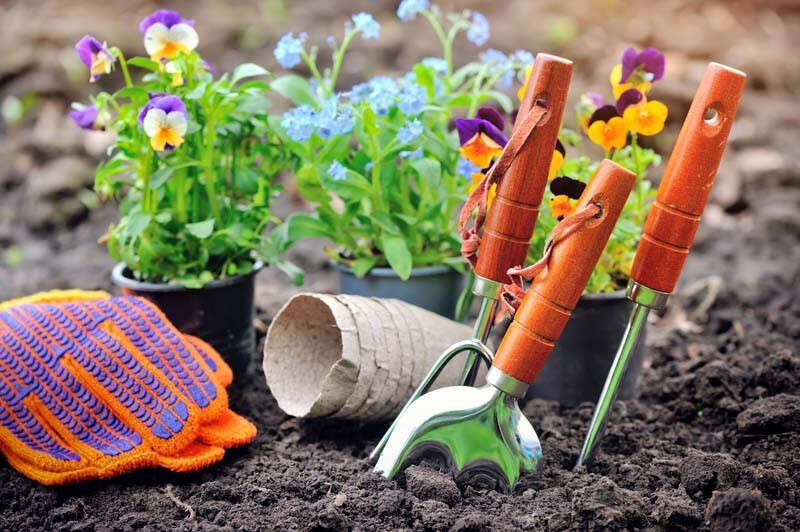
You do not need every tool. Start with:
- Hand trowel, pruners, and a weeder
- A sturdy hose with a gentle spray head
- Gloves, a kneeling pad, and a watering can
Set a weekly garden hour. Scout, water, and tidy. Small, steady care beats rare big jobs. Track what works in a simple notebook.
Buy plants in season sales. Share divisions with friends. Focus on soil and mulch. This is budget-wise and fits how to care for outdoor plants for beginners.
Troubleshooting: What That Symptom Means
Yellow leaves
- Often too much water or lack of nitrogen
- Check drainage and feed as needed
Brown tips
- Common from salt or drought stress
- Flush soil and water deep
Droopy plants
- Could be heat or water issues
- Shade at midday and water in the morning
Leggy growth
- Not enough light
- Move to more sun or pick shade-loving plants
Spots on leaves
- Could be fungus or bacteria
- Remove bad leaves and improve airflow
Learn the pattern, not just the symptom. This skill is a big win in how to care for outdoor plants for beginners.
Frequently Asked Questions of how to care for outdoor plants for beginners
How often should I water new plants?
Water new plants every 2 to 3 days for the first few weeks. Then switch to deep, less frequent watering as roots set.
What is the easiest way to start a flower bed?
Pick sun-tough annuals, add compost, and mulch. Plant in groups of three for impact and water on a schedule.
Do I need fertilizer if I use compost?
Often less. Compost feeds soil life, which feeds plants. Use a light, slow-release fertilizer only if growth lags.
How do I know my light level?
Track sun hours with your phone timer. Note the total daily direct sun and match plants to that number.
What is the fastest way to improve clay soil?
Add compost and coarse bark. Work in small amounts each season rather than a big one-time dig.
Can I learn how to care for outdoor plants for beginners without a big yard?
Yes. Use pots and grow bags. The same rules of sun, water, soil, and mulch apply, even on a balcony.
What is the biggest mistake beginners make?
Overwatering. Always check soil before watering. Deep, steady water is safer than daily sips.
Conclusion
You now have the basics and the why behind them. Right plant, right place. Good soil, deep water, and steady checks. Simple steps repeated well will grow your skill fast.
Pick one bed or a few pots this week and start. Keep notes. You will learn how to care for outdoor plants for beginners by doing, observing, and adjusting. Share your wins, ask questions, and subscribe for more easy guides and seasonal tips.

Laura Bennett is a gardening writer at MyGardenLabs who creates beginner-friendly guides focused on solving common plant care and gardening problems.