How To Grow Plants Faster Naturally: Best Guide 2026
Give plants more light, living soil, steady water, and gentle organic feed.
If you want to learn how to grow plants faster naturally, you’re in the right place. I’ve helped home gardeners and small farms boost growth without harsh chemicals or gimmicks. In this friendly, data-backed guide, I’ll show you what works, what to skip, and how to get faster, healthier growth using simple, natural steps you can apply today.

How plant growth really works
Plants grow fast when five things line up: light, water, nutrients, temperature, and soil life. Miss one and growth slows. Nail all five and plants race.
Think of it like a team. Light fuels photosynthesis. Water moves food inside the plant. Nutrients build leaves, stems, and roots. The right temperature sets the pace. Soil microbes act like tiny chefs, turning raw materials into plant-ready meals. To master how to grow plants faster naturally, stack these pieces so they all help each other.
Maximize sunlight, indoors and out
The simplest speed boost is more light. Most fruiting plants love 6 to 8 hours of direct sun. Leafy greens can thrive with a bit less, but more light still helps.
Tips that work fast:
- Place sun-hungry plants on the south side in the Northern Hemisphere.
- Trim or tie back nearby plants to reduce shade.
- Clean dusty leaves so they absorb more light.
- Use reflective surfaces near indoor plants to bounce light back.
- If indoors, use full-spectrum LED grow lights and keep them close but cool.
I’ve seen tomatoes stall on a shady patio. Moving them three feet into full sun changed everything. For anyone asking how to grow plants faster naturally, light is your first and most powerful lever.

Build living soil
Rich, living soil is like a gourmet kitchen. It feeds plants around the clock. Aim for a crumbly texture, good drainage, and lots of organic matter.
Do this:
- Add 1 to 2 inches of finished compost to the top of beds each season.
- Mix in worm castings for a gentle nutrient boost.
- Keep soil covered with mulch to protect roots and microbes.
- Inoculate with mycorrhizae when transplanting many perennials and vegetables.
- Keep soil pH in the sweet spot: 6.0 to 7.0 for most vegetables.
Research shows soil organic matter improves water holding and nutrient flow. In my beds, a yearly compost top-dress cut watering needs and sped up early growth. If you want to know how to grow plants faster naturally, start by feeding the soil life that feeds your plants.
Water like a pro
Fast growth needs steady moisture. Not soggy. Not dry. Just right. Think deep and even.
Watering rules of thumb:
- Water in the morning to reduce loss and disease risk.
- Go deep and less often to train strong roots.
- Use drip lines or soaker hoses for steady moisture at the roots.
- Mulch 2 to 3 inches to cut evaporation.
- Use rainwater when you can. It is soft and plant friendly.
A cheap soil moisture meter can save crops. I test near the root zone before I water. This one habit helps a lot with how to grow plants faster naturally because it prevents stress that slows growth.
Feed organically and wisely
You do not need heavy, fast salts. Plants respond best to steady, gentle food. Use organic sources that release over time.
Good options:
- Finished compost for broad nutrition and biology.
- Worm castings as a side-dress around heavy feeders.
- Fish hydrolysate for nitrogen and amino acids.
- Kelp extract for trace minerals and natural growth hormones.
- Alfalfa meal for slow nitrogen and triacontanol, a known growth promoter.
Keep it balanced. Too much nitrogen makes soft, weak growth. That attracts pests. Avoid Epsom salt unless a soil test shows a magnesium issue. For how to grow plants faster naturally, feed the soil first, then the plant.

Dial in temperature, air, and space
Plants grow faster at their ideal temperature. Warm-season crops like tomatoes and peppers love warm soil. Cool-season crops like lettuce and peas prefer cooler days.
Try these:
- Plant at the right time for your climate zone.
- Warm soil for heat lovers with dark mulch or low tunnels.
- Use shade cloth to cool greens in summer.
- Space plants so leaves dry fast and roots do not compete.
- Protect from strong winds with fences or hedges.
A simple change like planting a week later, when soil is warmer, can save two weeks of catch-up time. When people ask how to grow plants faster naturally, I point to timing and spacing as silent speed hacks.
Use natural biostimulants (with evidence)
Some natural products help plants use food better, grow stronger roots, or handle stress.
Useful tools:
- Kelp extract for cytokinins and trace minerals. I use it as a light foliar spray at transplant.
- Humic and fulvic acids to improve nutrient uptake in poor soils.
- Compost extracts (not strong teas) to coat seeds or roots with helpful microbes.
- Mycorrhizal fungi at planting for many perennials and vegetables.
Be clear: none of these fix bad soil, low light, or poor watering. They are helpers, not magic. Still, used with good basics, they can support how to grow plants faster naturally.

Prune, train, and time your planting
Smart handling speeds growth and harvest.
What to do:
- Pinch basil and some flowers to push bushier, faster regrowth.
- Remove tomato suckers on indeterminate types to focus fruit and airflow.
- Train vines up a trellis to get more light and dry leaves fast.
- Start seeds at the right time so transplants meet ideal weather.
- Harden off seedlings so they do not stall from shock.
I once skipped hardening off a tray of peppers. They paused for two weeks. Lesson learned. Gentle steps keep momentum. If your goal is how to grow plants faster naturally, reduce every source of shock.

Prevent stress, pests, and disease naturally
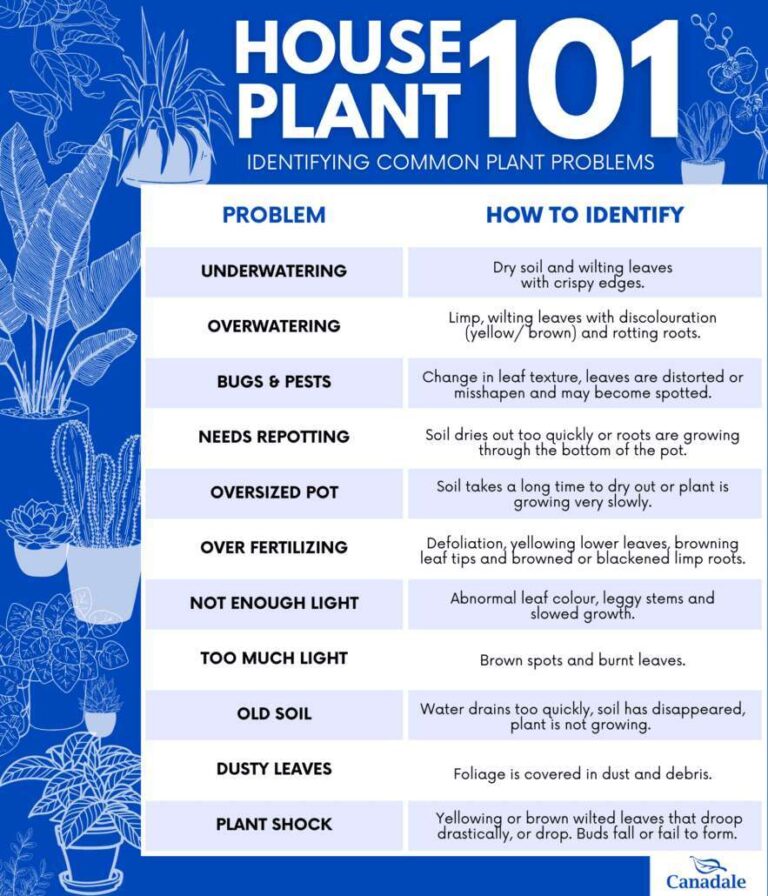
Healthy plants grow faster. Stressed plants crawl. Focus on prevention.
Simple wins:
- Rotate crops to reduce soil disease.
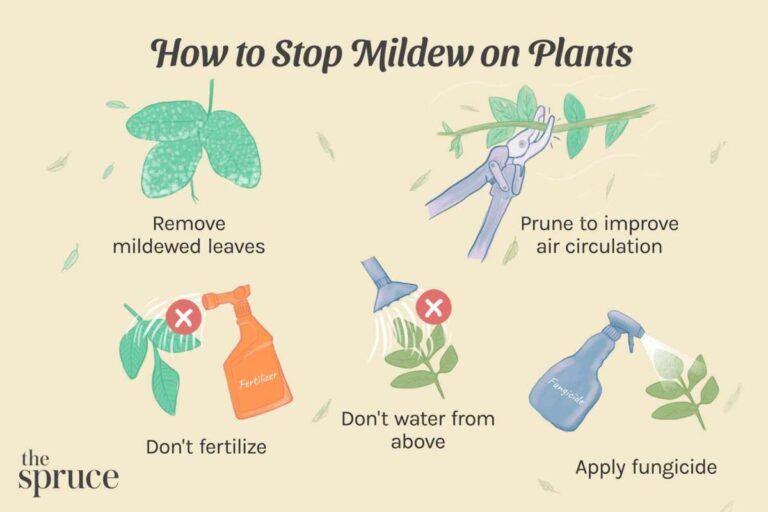
- Sanitize tools and remove sick leaves fast.
- Invite beneficial insects with diverse flowers.
- Use row covers early to block pests.
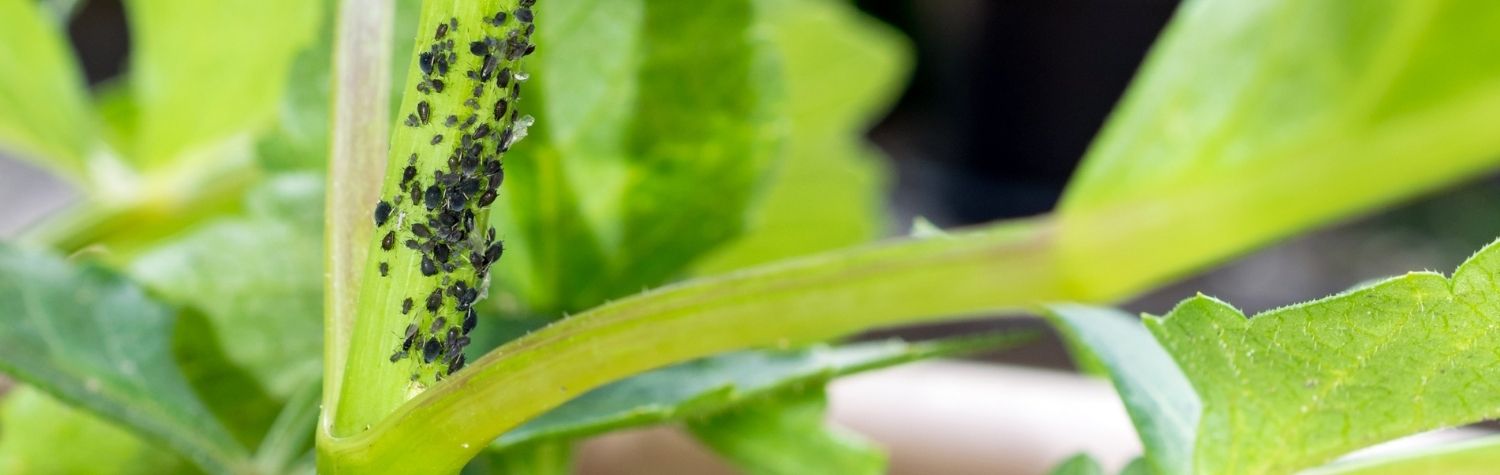
- Spray only as needed with mild options like insecticidal soap or neem.
Scout weekly. Catch issues early. A few minutes of care saves weeks of lost growth. This is core to how to grow plants faster naturally.
A simple week-by-week plan
Use this easy rhythm to build speed without strain.
Week 1
- Test soil moisture. Adjust watering to deep and even.
- Top-dress with compost and a light organic feed.
- Add mulch where soil is bare.
Week 2
- Prune or train to improve light and airflow.
- Foliar spray kelp at label rates on stressed plants.
- Check pH and adjust if needed.
Week 3
- Scout for pests and remove damaged leaves.
- Side-dress heavy feeders with worm castings.
- Check irrigation and fix slow leaks or clogs.
Week 4
- Review spacing. Thin crowded plants.
- Refresh mulch. Clean dusty leaves.
- Log what worked, then repeat the cycle.
Follow this loop and you will see steady gains. It is a simple system for how to grow plants faster naturally that fits into busy weeks.
Real-world lessons from the garden
A few cases from my own beds:
- Compost timing matters. A spring top-dress led to quick early growth in greens. The same compost buried deep did less.
- Light is king. A pepper in half shade lagged. Its twin in full sun outgrew it by weeks.
- Steady moisture beats feast or famine. A low-cost timer on a drip line kept growth even and lush.
These small shifts made a big difference. They will help you crack how to grow plants faster naturally without chasing myths.
Common mistakes to avoid
Skip these traps:
- Overwatering, which starves roots of air.
- Overfeeding nitrogen, which invites pests.
- Planting too early in cold soil.
- Ignoring pH and soil structure.
- Letting weeds steal light, water, and food.
Fix these and you remove the brakes. That is half the battle for how to grow plants faster naturally.
Frequently Asked Questions of how to grow plants faster naturally
What is the fastest natural way to boost growth?
Increase light and improve soil life. Add compost, mulch, and water deeply and evenly.
Do coffee grounds make plants grow faster?
Use them in compost, not raw on soil. Fresh grounds can tie up nitrogen and change pH.
Is Epsom salt good for faster growth?
Only if a soil test shows magnesium is low. Unneeded Epsom salt can upset nutrient balance.
Can banana peels speed plant growth?
In compost, yes, as part of a mix. Raw peels can attract pests and break down slowly.
How often should I use kelp or fish fertilizer?
Use at label rates every 2 to 4 weeks during active growth. Start lighter for young plants.
Does talking to plants help them grow?
Your voice does not feed plants, but the care you take while checking them does. Regular checks catch issues early.
How do I harden off seedlings without slowing growth?
Give them a few hours outside in bright shade, then increase time daily. Protect from wind and harsh sun for a week.
Conclusion
You do not need harsh chemicals to grow fast, strong plants. Focus on light, living soil, steady water, gentle organic food, the right temperature, and stress-free care. Layer these simple steps and you will see faster growth and better harvests.
Start today. Pick one area to improve this week, then build from there. If this helped, subscribe for more guides, share your results, or drop a question so we can grow together.

Laura Bennett is a gardening writer at MyGardenLabs who creates beginner-friendly guides focused on solving common plant care and gardening problems.