How To Care For Plants During Winter Indoors: Pro Tips
Keep plants warm, bright, slightly dry, and humid; adjust watering and watch pests.
If you’ve ever watched a lush plant sulk by December, you know the struggle is real. In this guide on how to care for plants during winter indoors, I’ll share what works, what fails, and why. I’ve helped thousands of houseplants ride out cold months with simple tweaks that protect roots, leaves, and blooms. Stick with me, and you’ll master how to care for plants during winter indoors without stress.
Lighting That Works In Short Winter Days
Short days mean weaker light. That is the top winter stress for houseplants. Lighting is the heart of how to care for plants during winter indoors.
Do this first:
- Move plants to your brightest windows. South or west windows are best.
- Clean windows and leaves. Dust cuts light fast.
- Rotate pots a quarter turn each week. This prevents lean and leggy growth.
Use grow lights when natural light is not enough:
- Pick full-spectrum LED in the 4000–6500K range.
- Keep lights 10–14 inches above leaves, depending on intensity.
- Run 10–12 hours daily for most tropicals. Succulents may want 12–14.
Pro tip from my studio: I pair a bright window with a small LED bar on a timer. It fills the dim morning and late afternoon gap. That alone stopped my pothos from stretching all winter.
Temperature And Humidity Sweet Spot
Temperature and humidity drive how to care for plants during winter indoors. Warm roots and steady air moisture keep cells happy.
Aim for these ranges:
- Day: 65–75°F. Night: 60–65°F.
- Never drop below 55°F for tropicals.
- Humidity: 40–60% for most plants.
Simple ways to protect comfort:
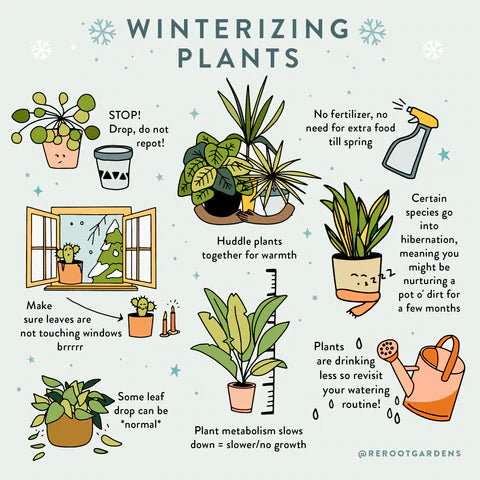
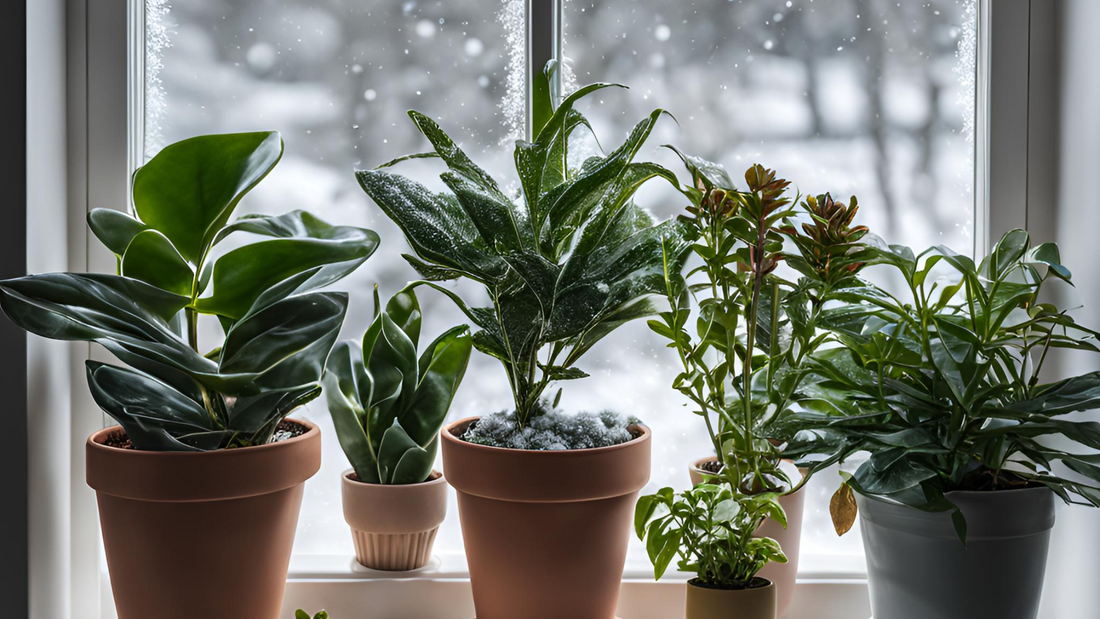
- Keep plants 12–24 inches from cold glass. Cold panes chill leaves.
- Avoid heater blasts and drafty doors. Leaves burn or curl near vents.
- Use a small humidifier. Set it near plants, not right on them.
- Try pebble trays and group plants to share moisture.
I lost a calathea one January when a draft hit it at night. A small door sweep and a fan on low solved it the next year. Plant drama ended.
Smarter Winter Watering
Smarter watering is core to how to care for plants during winter indoors. Growth slows when light drops. Soil stays wet longer.
Follow this simple plan:
- Check with your finger two inches down. Water only when that layer is dry.
- Water less often, but water well. Then let extra drain out.
- Use room-temperature water. Cold water shocks roots.
Dial it in by plant type:
- Succulents and cacti: Let soil dry fully. Water every 3–4 weeks.
- Tropicals like pothos and philodendron: Let the top half dry. Water every 1–2 weeks.
- Thirsty plants like ferns: Keep slightly moist, never soggy.
Watch for signs:
- Yellow, mushy leaves mean overwatering.
- Crisp brown edges often mean dry air or underwatering.
- Lift the pot. Light pot means it is time to water.
Soil, Pots, And Nutrients
Soil choices shape how to care for plants during winter indoors. Airy mixes help roots breathe in cool months.
Smart soil setup:
- Use a chunky mix that drains. Add perlite or bark for airflow.
- Always use pots with drainage holes.
- Slip a nursery pot into a cachepot to avoid water pooling.
Fertilizer timing:
- Most plants do not need much feed in winter.
- If growth continues under strong lights, use a weak dose. Try quarter strength, once a month.
- Hold repotting until spring unless the plant is root-bound or sick.
Salt build-up is common with lower watering. Flush pots with plain water monthly. Let it run out the bottom. This prevents tip burn and crispy edges.

Pests And Diseases Don’t Take A Holiday
Dry air and warm rooms invite tiny pests. Pest control is part of how to care for plants during winter indoors.
Scan weekly for:
- Spider mites: Fine webbing and speckled leaves.
- Fungus gnats: Tiny flies over wet soil.
- Mealybugs and scale: Cottony tufts or brown bumps on stems.
Fix fast:
- Wipe leaves with a damp cloth. Clean plants resist pests.
- Rinse in the sink or shower. Water knocks mites down.
- Spot-treat mealybugs with a cotton swab and alcohol.
- Use insecticidal soap or neem on leaves, as labeled.
- Let the top soil dry to fight fungus gnats. Sticky traps help a lot.
Quarantine new plants for two weeks. That simple step has saved my collection more than once.
Placement, Airflow, And Home Habits
Small placement tweaks define how to care for plants during winter indoors. The goal is steady light, warmth, and clean air.
Set your space:
- Keep leaves off cold windows and away from hot radiators.
- Use a plant stand to lift pots from cold floors.
- Hang sheer curtains to soften harsh window cold while still letting light in.
Manage airflow:
- Run a small fan on low for an hour a day. It stops stale, wet air.
- Do not crowd plants too tight. Air between pots cuts mildew risk.
Weekly habits that help:
- Dust leaves. Dirty leaves can drop growth by a lot.
- Turn pots. Even light makes even growth.
- Check saucers. Empty standing water every time.
Dormancy And Growth: What To Expect
Respecting rest is key to how to care for plants during winter indoors. Many plants slow down. Some pause almost fully.
Know the rhythm:
- Less new growth is normal. Do not panic.
- Fewer blooms in low light is expected.
- Some plants, like Christmas cactus, bloom with short days and cool nights.
Support the cycle:
- Prune lightly to shape. Save big cuts for spring.
- Pinch back leggy stems. This helps bushy growth later.
- Do not push heavy feed. Let the plant set its pace.
One winter, my fiddle-leaf fig dropped five leaves in a week. I cut back watering, raised humidity to 45%, and added a light bar. It held steady until spring and then flushed new leaves.

Troubleshooting: Quick Fixes To Common Winter Issues
Use this map for how to care for plants during winter indoors when things go wrong. Small tweaks fix most problems fast.
If leaves turn yellow:
- Check roots for rot. Cut back watering.
- Improve light and airflow.
If tips turn brown:
- Raise humidity to 40–60%.
- Flush soil to remove salts.
If plants stretch and lean:
- Increase light time or move closer to a window.
- Rotate the pot each week.
If leaves drop suddenly:
- Check for drafts or cold shock.
- Keep a steady schedule. Plants like a routine.
Winter Care Checklist And Schedule
Bookmark this checklist for how to care for plants during winter indoors. It keeps you steady through the cold months.
Daily:
- Quick glance for droop, pests, and dry top soil.
- Run grow lights on a timer.
Weekly:
- Water as needed, not by date.
- Rotate pots. Dust leaves.
- Humidity check. Refill trays and humidifier.
Monthly:
- Flush soil to clear salts.
- Deep pest inspection under leaves and stems.
- Clean windows and lights.
If a storm or cold snap is coming:
- Pull plants away from glass.
- Close drafts and adjust vents.
- Add a towel barrier at doors if needed.
Frequently Asked Questions of how to care for plants during winter indoors
How often should I water houseplants in winter?
Water based on soil dryness, not the calendar. Most plants need less water in low light, so check two inches down before watering.
Should I fertilize during winter?
Most plants do not need much fertilizer in winter. If growth continues under bright lights, use a very weak dose about once a month.
Do I need grow lights for winter?
If you have dim rooms or north windows, yes. Full-spectrum LED lights 10–14 inches above plants for 10–12 hours can prevent leggy growth.
What humidity level is best for indoor plants in winter?
Aim for 40–60% humidity. Use a small humidifier, pebble trays, or group plants to reach that range.
Are drafts really that bad for plants?
Yes. Cold drafts cause leaf drop and brown edges fast. Keep plants a foot or two from doors, windows, and vents.
How can I prevent fungus gnats?
Let the top inch of soil dry, bottom-water when possible, and use sticky traps. If needed, use a biological control labeled for gnats.
What temperature is too cold for tropical houseplants?
Below 55°F is risky for most tropicals. Keep nights near 60–65°F and days between 65–75°F.
Conclusion
Winter care is about small, steady wins. Give your plants bright light, gentle warmth, smart watering, and a bit more humidity. That is the simple path to strong spring growth.
Put this plan to work this week. Pick one change, like a light timer or a humidifier, and watch the shift. Want more plant tips and seasonal guides? Subscribe for updates, ask a question, or share your own winter wins in the comments.

Laura Bennett is a gardening writer at MyGardenLabs who creates beginner-friendly guides focused on solving common plant care and gardening problems.