How To Grow Plants In Pots For Beginners: Quick Start Guide
Start with the right pot, airy soil, bright light, steady water, and patience.
If you want to learn how to grow plants in pots for beginners, you are in the right spot. I’ve set up balcony gardens, windowsill herb bars, and small patio jungles for years. I’ll show you what works, what fails, and why. This guide explains how to grow plants in pots for beginners in clear steps, with simple tools and proven tips. Read on and grow with confidence.
The beginner’s toolkit
You do not need much to start. A few smart choices go a long way. Focus on tools that help you water well, give light, and keep roots happy.
Essentials I recommend:
- Pots with drainage holes
- Good potting mix, not garden soil
- Perlite for air and drainage
- Slow‑release fertilizer or liquid feed
- Watering can with a narrow spout
- Pruners and a hand trowel
- A moisture meter or your finger
When you learn how to grow plants in pots for beginners, these simple tools boost your odds. They save time and prevent stress. You will use them for years.
:strip_icc()/woman-placing-potted-plants-in-container-9035337b-44dfe30caa07410486e31165daf114f8.jpg)
Choose the right pot
Pot size matters. Small pots dry fast. Huge pots stay wet and can drown roots. As a rule, pick a pot 1 to 2 inches wider than the plant’s current root ball.
Material matters too. Terra cotta breathes and helps prevent soggy soil. Plastic keeps moisture longer. Always use pots with drainage holes. In my first season, I used a pot with no holes. The plant failed within weeks. I learned fast.
If you want to master how to grow plants in pots for beginners, start with drainage. Drainage is life.

Use the best potting mix
Never use heavy garden soil in a pot. It compacts. Roots suffocate. A light mix improves air flow and drains well. That means stronger roots and steady growth.
Use a blend built for containers. Look for peat or coco coir, bark, and perlite. Add compost for gentle nutrients. My basic mix is two parts potting soil, one part perlite, and a handful of compost. It keeps water and air in balance.
Research shows roots need oxygen as much as water. That is why airy mixes win. This is a key step in how to grow plants in pots for beginners.
:max_bytes(150000):strip_icc()/tips-for-growing-tomatoes-in-containers-848216-06-41ce3f715bd74adc94a18d6cbae3bf7c.jpg)
Light and placement
Light is plant food. Most herbs and veggies want 6 to 8 hours of direct sun. Many houseplants like bright, indirect light. Low light means slow growth and weak stems.
Check your light with a phone app or a simple test. Place your hand in the light. A sharp, clear shadow means strong light. A fuzzy shadow means medium light. No shadow means low light.
To succeed with how to grow plants in pots for beginners, match the plant to the light you have. Move pots as seasons shift.

Watering made simple
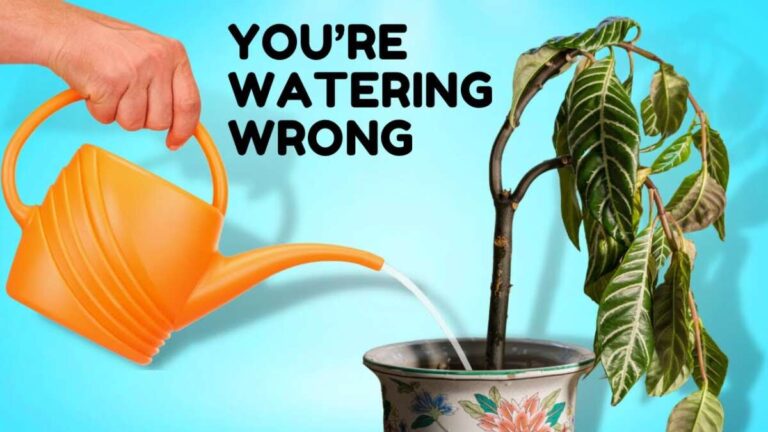
More plants die from overwatering than thirst. Feel the soil before you pour. If the top inch is dry, water. If it is damp, wait. Lift the pot. Light pot often means dry soil.
Water until it runs from the holes. Then empty the saucer. For thirsty herbs in summer, try bottom watering once a week. Set the pot in a tray of water for 15 minutes, then drain.
I use a simple rule for how to grow plants in pots for beginners: water deep, then let the top dry. Steady, not soggy.
:max_bytes(150000):strip_icc()/how-to-grow-strawberry-plants-in-pots-1401968-7f2e80c275e14af4a730acb9748c1a5e.png)
Feeding and fertilizer
Plants in pots have limited food. Add nutrients on a schedule. Use a balanced feed like 10‑10‑10 or 4‑4‑4. Slow‑release pellets are easy for beginners. Liquid feed works fast but needs care.
Feed light and often in spring and summer. Reduce in fall. Stop in winter for most houseplants. Too much fertilizer burns roots and causes salt build‑up. Flush the pot with plain water every month or two.
Clear feeding plans support how to grow plants in pots for beginners. Small doses keep plants strong and safe.

Best beginner plants for pots
Want quick wins? Start with easy growers. Mix herbs, greens, and hardy houseplants. This keeps the fun high and the risk low.
Easy picks:
- Herbs: Basil, mint, chives, parsley. Most like sun and regular water.
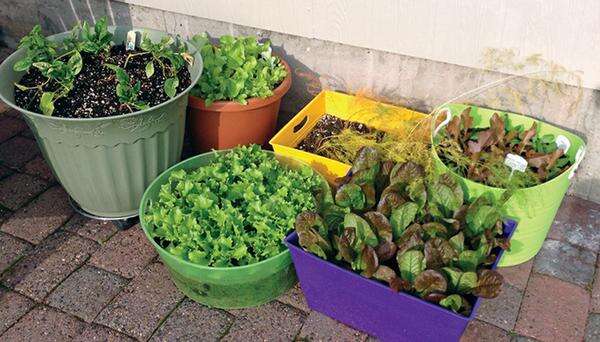
- Leafy greens: Lettuce, spinach, arugula. Grow fast in cool temps.
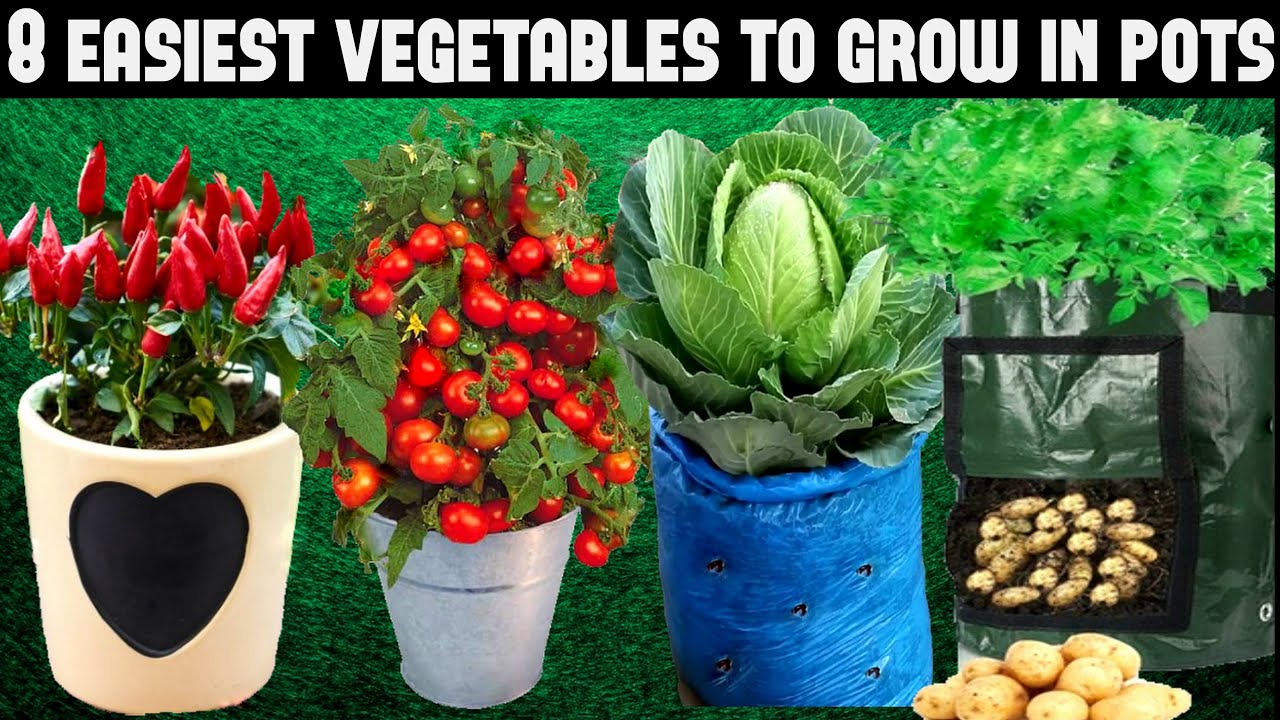
- Veggies: Cherry tomatoes, peppers, bush beans. Choose compact types.
- Flowers: Marigolds, petunias, nasturtiums. Bright color and pollinators.
- Houseplants: Pothos, snake plant, ZZ plant, peperomia. Forgiving and tough.
Choosing simple plants is a smart step in how to grow plants in pots for beginners. It builds skill and joy fast.
:max_bytes(150000):strip_icc()/vegetable-container-gardening-for-beginners-848161-06-da1ce952f22242e5bd036dcfd9b74124.jpg)
Step‑by‑step: planting a pot
Follow this flow when you plant. It is quick and clean. It helps roots settle fast.
- Choose a pot with holes and a saucer. Clean it well.
- Cover holes with a small mesh or coffee filter to keep mix in.
- Fill the pot two thirds with potting mix. Do not pack it tight.
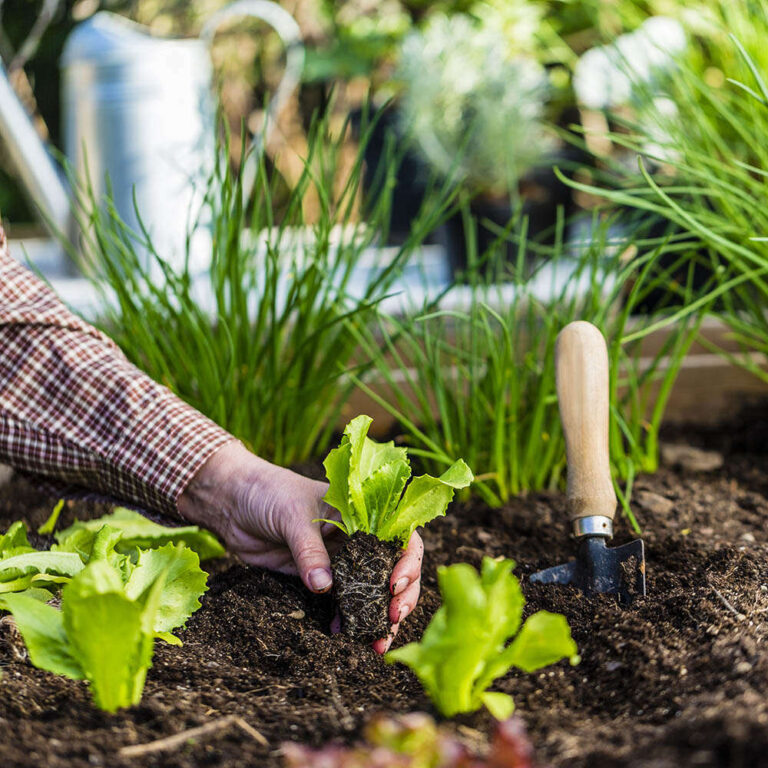
- Remove the plant. Gently loosen circling roots.
- Set the plant so the top of the root ball sits an inch below the rim.
- Backfill with mix. Tap the sides to settle. Do not press hard.
- Water until it drains. Add more mix if it sinks.
- Place the pot where light fits the plant’s needs.
- Label the plant and date. This helps track care.
Use this method each time. It is the backbone of how to grow plants in pots for beginners.
Common mistakes and quick fixes
We all make mistakes. Fix them early and plants bounce back. Keep notes. They help you see trends.
Frequent issues:
- Overwatering: Yellow leaves and wet soil. Fix by letting soil dry and adding perlite.
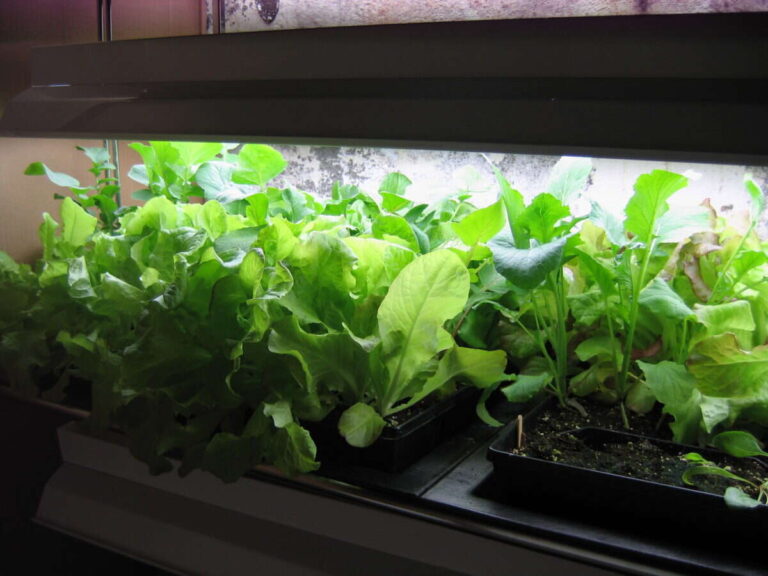
- Too little light: Long, leggy stems. Move closer to sun or add a grow light.
- Wrong soil: Heavy, compacted mix. Repot with airy potting mix.
- Pot bound roots: Roots circle and drain slow. Step up one pot size and trim roots lightly.
- Skipped feeding: Pale leaves, weak growth. Start a light, regular fertilizer plan.
Solving these fast is a big part of how to grow plants in pots for beginners. Small tweaks save plants.
Seasonal care and repotting
Seasons change plant needs. In summer, water more and watch for heat stress. In winter, water less and keep plants off cold windows. Rotate pots for even growth.
Repot when roots show through holes or water runs straight through. Move only one size up. Refresh old mix to restore air and nutrients. Most plants like a repot every 1 to 2 years.
This rhythm keeps momentum in how to grow plants in pots for beginners. It turns tasks into simple habits.
Simple care schedules
A short schedule keeps you on track. Use reminders on your phone. Keep it easy and repeatable.
Weekly:
- Check soil moisture on all pots.
- Remove dead leaves and spent blooms.
- Rotate pots a quarter turn for even light.
Monthly:
- Feed with a light dose.
- Flush pots with plain water to clear salts.
- Inspect for pests like aphids or spider mites.
Seasonal:
- Adjust light and watering with weather shifts.
- Repot plants that outgrow their pots.
- Refresh top inch of mix with compost.
This routine supports how to grow plants in pots for beginners. Small steps, steady wins.
Frequently Asked Questions of how to grow plants in pots for beginners
How often should I water plants in pots?
Water when the top inch of soil is dry. Check with your finger or a moisture meter, then water until it drains.
Do I need drainage holes in my pot?
Yes, always. Without holes, water builds up and roots can rot fast.
What is the best soil for containers?
Use a potting mix with peat or coco coir, bark, and perlite. Garden soil is too heavy and compacts in pots.
Can I grow vegetables in small pots?
Yes, choose compact or dwarf types. Cherry tomatoes, peppers, and bush beans do well in 2 to 5 gallon pots with full sun.
How do I know when to repot?
If roots circle the pot, soil dries very fast, or growth slows, it is time. Move up one size and refresh the mix.
Do indoor plants need fertilizer?
Yes, but less than outdoor plants. Feed lightly in spring and summer, and pause in winter.
How much sun do herbs need?
Most culinary herbs want 6 hours of direct sun. Parsley and mint can manage with a bit less.
Conclusion
You can master how to grow plants in pots for beginners with a few simple habits. Pick the right pot, use airy mix, match light to the plant, water with care, and feed on a schedule. Start with easy plants and learn by doing.
Set up one pot this week and follow the steps above. Share your progress, ask questions, and keep growing. Subscribe for more easy guides and leave a comment with your first plant pick.

Laura Bennett is a gardening writer at MyGardenLabs who creates beginner-friendly guides focused on solving common plant care and gardening problems.