How To Garden Successfully As A Beginner: Guide 2026
Start small, know your sun and soil, water well, and plant right.
You’re in the perfect place to learn how to garden successfully as a beginner. I’ve coached many first-time gardeners, and I’ve made every mistake so you don’t have to. This guide is clear, practical, and grounded in real results. Follow it step by step, and you’ll grow healthy plants without stress.

Pick the perfect spot and set clear goals
Before you buy seeds, set a simple goal. Do you want salads, flowers, or herbs on your porch? Your goal shapes what and where you plant, which is the core of how to garden successfully as a beginner.
Choose a sunny site close to water and your back door. Most vegetables need 6 to 8 hours of direct sun. If you only have shade, grow greens, mint, or hostas. Containers work well when ground space is poor.
Walk the area after rain. Note pools of water, wind, and pets. Good access means you will tend the space often. That habit is how to garden successfully as a beginner.

Soil made simple: test, amend, and feed life
Healthy soil grows healthy plants. Start with a basic test for pH and nutrients. Aim for pH 6.0 to 7.0 for most vegetables. If you want to know how to garden successfully as a beginner, start by finding out what your soil needs.
Do a jar test to check texture. Sandy soil drains fast. Clay soil holds water. Mix in compost to improve both. I turned a hard clay bed into a loose, rich bed in one season with steady compost and mulch.
Avoid over-fertilizing. Too much nitrogen gives big leaves but weak roots and fewer fruits. Slow and steady improves soil life, which is the real engine behind how to garden successfully as a beginner.

Pick beginner-friendly plants for your zone and season
Match plants to your climate zone and frost dates. This is a quiet secret of how to garden successfully as a beginner. Check your last spring frost and first fall frost. Time your sowing around those dates.
Start with easy wins. These plants forgive mistakes:
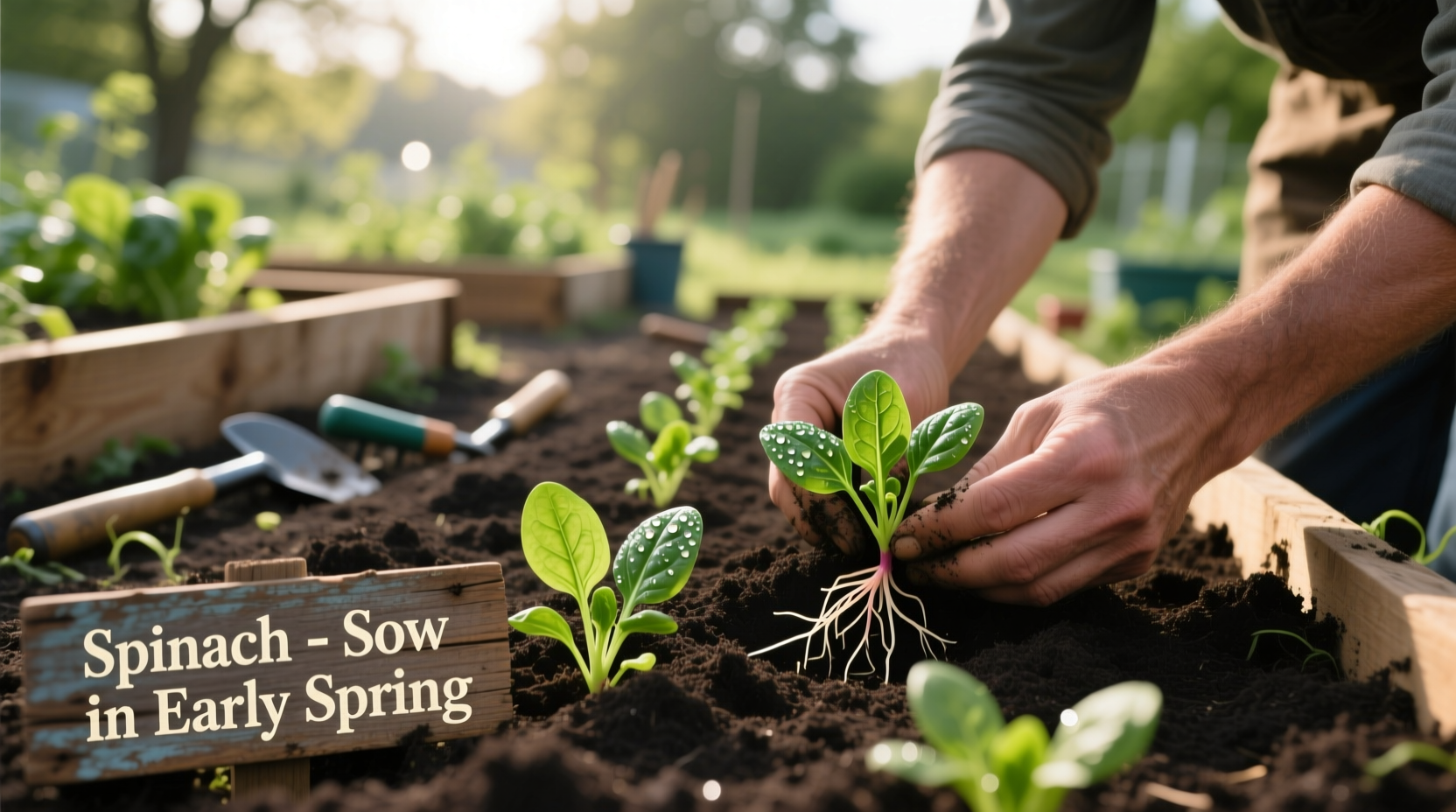
- Salad greens: lettuce, arugula, spinach
- Herbs: basil, chives, parsley, mint
- Roots: radish, carrots
- Fruit veg: cherry tomatoes, bush beans, zucchini
- Flowers: marigold, zinnia, sunflower
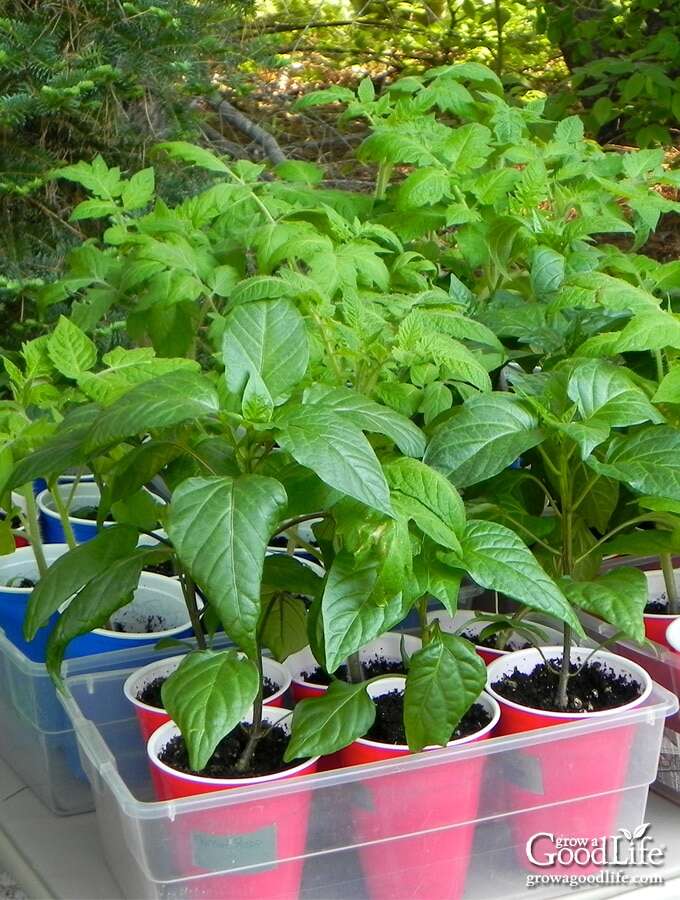
Use transplants for tomatoes, peppers, and herbs. Direct sow beans, peas, radish, and sunflowers. This mix speeds success and keeps work low, which is key in how to garden successfully as a beginner.
Sun, water, and mulch: your daily rhythm
Sun drives growth. Track light for a day to confirm your spot. If you only have partial sun, grow greens and herbs. This small check saves weeks of guesswork and supports how to garden successfully as a beginner.
Water deep, not often. Most gardens need about 1 inch per week. Use the finger test: if the top inch is dry, water. Morning watering reduces disease. A soaker hose or drip line makes this easy.
Mulch with shredded leaves, straw, or wood chips. Mulch keeps water in and weeds down. It also feeds soil life. These simple habits are the backbone of how to garden successfully as a beginner.

Planting step-by-step for fast wins
Try this simple process. It is a reliable path for how to garden successfully as a beginner.
- Loosen the top 6 to 8 inches of soil. Mix in compost.
- Plan spacing. Crowding causes weak plants and disease.
- Water the bed before you plant. Plant into moist soil.
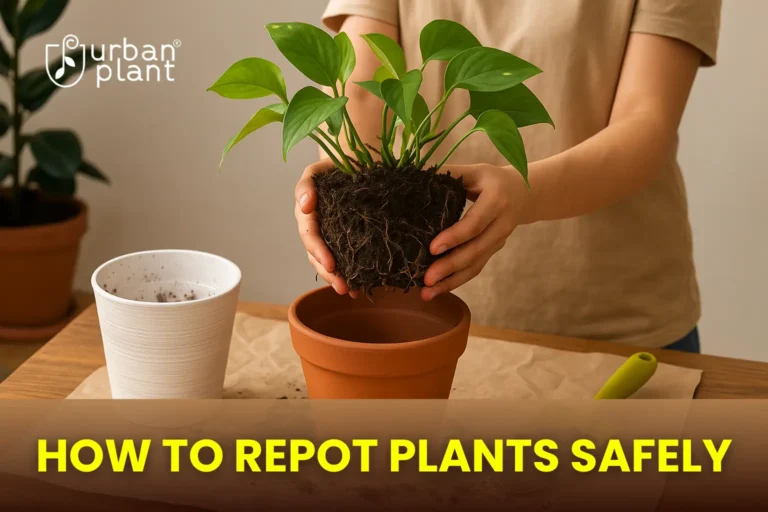
- Set transplants at the same depth they grew in pots.
- Firm the soil. Water again to settle roots.
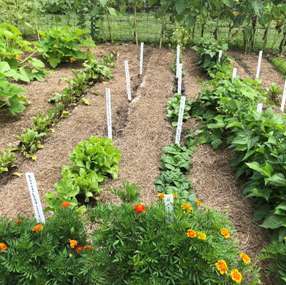
- Mulch around plants. Label rows so you remember what is where.
This routine cuts stress and saves time. It also makes results repeatable, which is the heart of how to garden successfully as a beginner.

Ongoing care: prune, stake, and weed without burnout
Check plants twice a week. Look for wilt, spots, or holes. Catching small issues early is a big part of how to garden successfully as a beginner.
Stake tall plants like tomatoes and sunflowers. Prune lower leaves to boost airflow. Weed for 10 minutes at a time. Mulch reduces weeding by half, in my experience.
Feed with compost once a month. Avoid constant liquid fertilizer unless a plant shows need. Slow, regular care beats big weekend battles and is core to how to garden successfully as a beginner.

Smart pest and disease control the safe way
Identify before you act. Many bugs are helpful. Lady beetles, lacewings, and parasitic wasps eat pests. Learning the good from the bad is part of how to garden successfully as a beginner.
Use the least strong method first:
- Hand-pick beetles and caterpillars.
- Spray leaves with water to knock off aphids.
- Use floating row covers on young plants.
- Remove sick leaves and clean tools.
If needed, use targeted products like Bt for caterpillars or horticultural soap for soft-bodied pests. Follow labels. Healthy soil and good spacing prevent most problems, which is the quiet power behind how to garden successfully as a beginner.

A simple seasonal calendar and quick wins
Plan by season. This time focus improves how to garden successfully as a beginner.
- Early spring: greens, peas, radish. Add compost. Set up beds.
- Late spring: plant tomatoes, peppers, basil after frost.
- Summer: mulch deeper. Start beans, zucchini, and sunflowers.
- Late summer: sow fall greens. Start garlic in fall for next year.
Use succession planting. Sow small batches every 2 weeks. You get steady harvests and less waste. It is a smart way to learn how to garden successfully as a beginner while keeping joy high.

Budget tools and supplies you actually need
You do not need a garage full of gear to learn how to garden successfully as a beginner. Start with a few tools:
- Hand trowel and a sturdy garden fork
- Bypass pruners and gloves
- Watering can or hose with a simple spray head
- Soaker hose or drip kit with a timer
- Rake for leaves and mulch
Nice-to-have items:
- Raised bed kit or untreated lumber
- Compost bin or tumbler
- Row cover and a few stakes
- Soil thermometer for early sowing
Buy once, take care of them, and avoid cheap tools. Good tools make good habits easy.
Common mistakes beginners make and how to avoid them
Avoid these traps if you want to know how to garden successfully as a beginner.
- Starting too big. Begin with one bed or five containers.
- Overwatering. Roots need air. Use the finger test.
- Crowding plants. Follow spacing on seed packets.
- Planting out of season. Follow frost dates and heat waves.
- Skipping mulch. You will battle weeds and dry soil.
- Ignoring soil. Compost fixes more than any spray.
I did all of these in my first year. Fixing them changed my garden fast.
Harvest, storage, and saving seeds
Pick in the cool morning for the best flavor. Tomatoes give a gentle pull when ripe. Zucchini tastes best when small. Handling harvest right is part of how to garden successfully as a beginner.
Cool leafy greens at once. Rinse, spin dry, and store in a bin with a towel. Cure onions and garlic in a dry, airy place for two weeks.
Save easy seeds from marigold, basil, and tomatoes. Dry them well and label. Seed saving builds skill and lowers cost, both key in how to garden successfully as a beginner.
A 30-day starter plan for quick results
This plan helps you act now and shows how to garden successfully as a beginner with clear steps.
Days 1–7
- Pick your spot, measure sun, and test soil.
- Add compost and set up a soaker hose.
- Buy 3 to 5 easy plants and 2 seed packs.
Days 8–14
- Plant transplants and sow seeds.
- Mulch beds and set labels.
- Water on a simple schedule.
Days 15–21
- Check for pests and weeds twice.
- Add a small top-up of compost.
- Start a second sowing of greens.
Days 22–30
- Prune and stake as needed.
- Note what grows best in your space.
- Plan a small expansion or a new pot.
Follow this plan and you will see growth in weeks, which builds confidence.
Frequently Asked Questions of how to garden successfully as a beginner
What is the easiest way to start a garden with no yard?
Use containers on a sunny balcony or porch. Choose large pots, good potting mix, and easy plants like herbs and cherry tomatoes.
How often should I water my first garden?
Water when the top inch of soil is dry. Deep morning watering two to three times a week is better than small daily sips.
What vegetables are the best for beginners?
Start with lettuce, radish, bush beans, zucchini, and cherry tomatoes. They grow fast, forgive errors, and give a quick win.
Do I need fertilizer in the first year?
Often compost is enough. If growth is pale or slow, use a balanced organic fertilizer at the label rate.
How do I stop bugs without chemicals?
Use row covers, hand-pick pests, and spray water to knock off aphids. Grow flowers to attract helpful insects.
How much sun do vegetables need?
Aim for 6 to 8 hours of direct sun. If you have less, grow greens and herbs that tolerate partial shade.
Conclusion
You now have a clear, simple path to grow strong plants with less stress. Start small, focus on soil, water well, and pick the right plants. That is the heart of how to garden successfully as a beginner.
Take one step this week. Pick a spot, add compost, and plant three easy crops. Share your wins and lessons. Subscribe for more bite-size guides, or leave a comment with your questions so we can grow together.

Laura Bennett is a gardening writer at MyGardenLabs who creates beginner-friendly guides focused on solving common plant care and gardening problems.