How To Keep Plants Alive During Heat Waves: Easy Guide 2026
How to keep plants alive during heat waves: water early, add shade, and mulch.
Heat can undo months of care in a weekend. I’ve coached home gardeners and managed hot-climate landscapes through record summers. In this guide, I’ll show you how to keep plants alive during heat waves with simple, proven steps, plus hard-won lessons from the field that save time, water, and stress.
Understand Plant Heat Stress
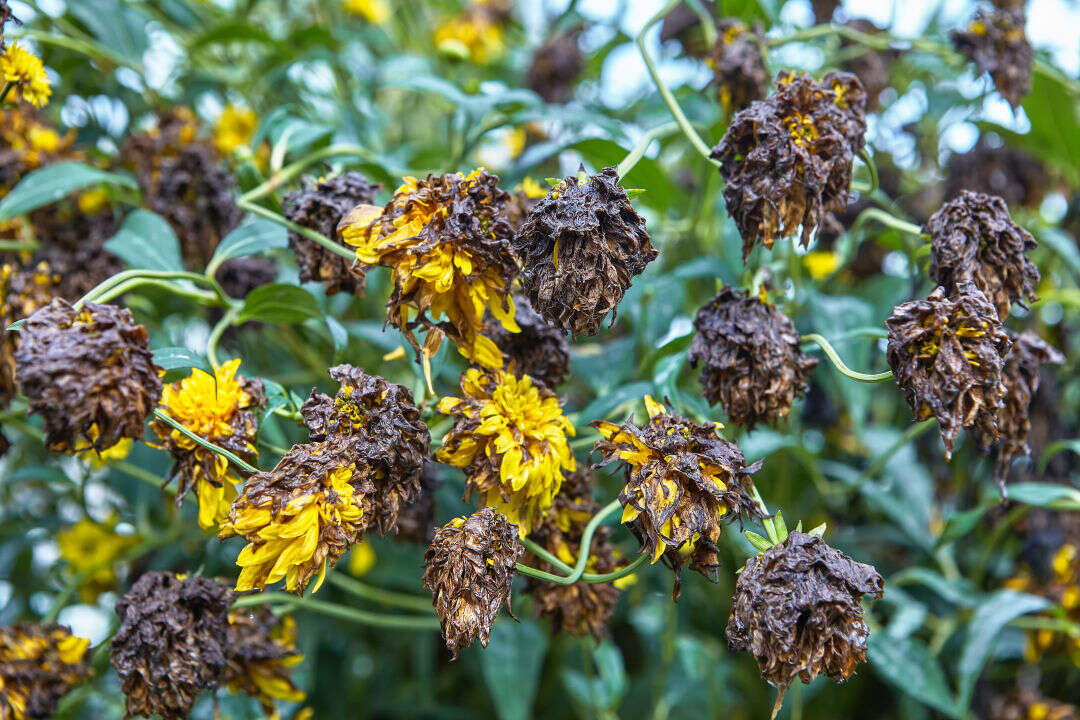
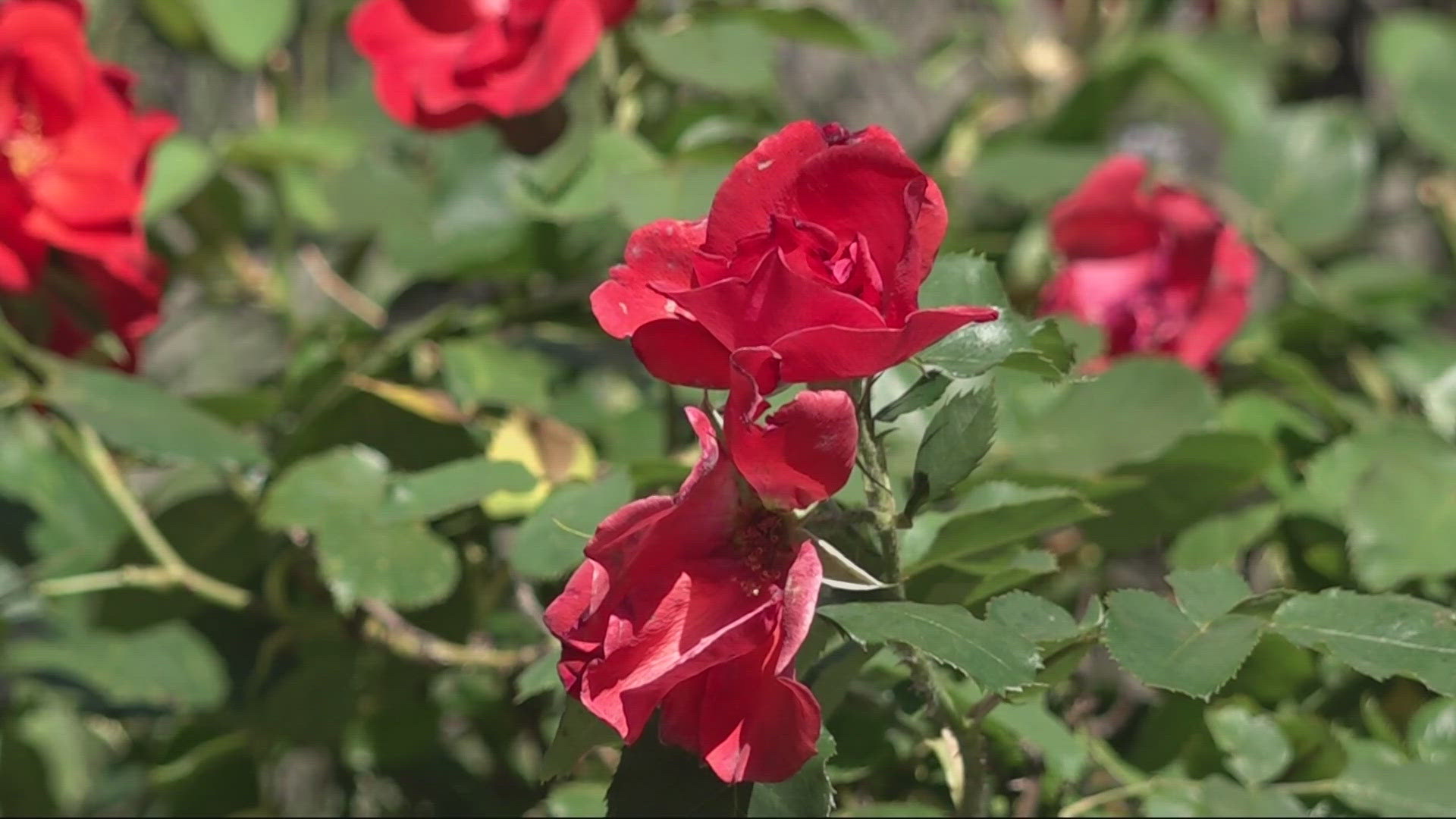
Heat waves push plants past their comfort zone. Leaves wilt, curl, or scorch. Flowers drop. Soil dries fast. Photosynthesis slows as stomata close to save water. If you want to know how to keep plants alive during heat waves, learn these signs early.
Key red flags to watch:
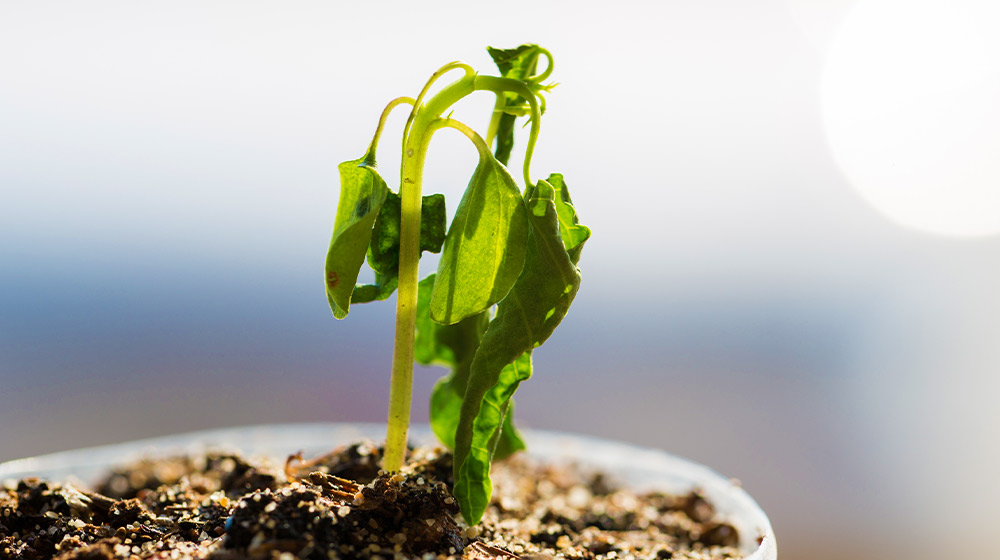
- Midday droop that recovers by evening means normal heat wilt. If not, the plant is thirsty or roots are stressed.
- Scorched edges point to heat plus dry wind. It looks like brown paper at the margins.
- Sunscald shows as white or bleached patches after sudden full sun.
- Dry soil two inches down means it is time to water. Wet topsoil can mislead you.
Helpful context:
- Research shows mulch can lower soil temperatures by several degrees and reduce water loss.
- Dark containers heat faster than in-ground beds.
- Young plants and shallow-rooted plants suffer first.
The better you read the signs, the faster you act. That is how to keep plants alive during heat waves before damage sticks.

Watering Strategies That Work in Extreme Heat
Water is your biggest lever. Use it well. Here is how to keep plants alive during heat waves with smart watering.
Do this first:
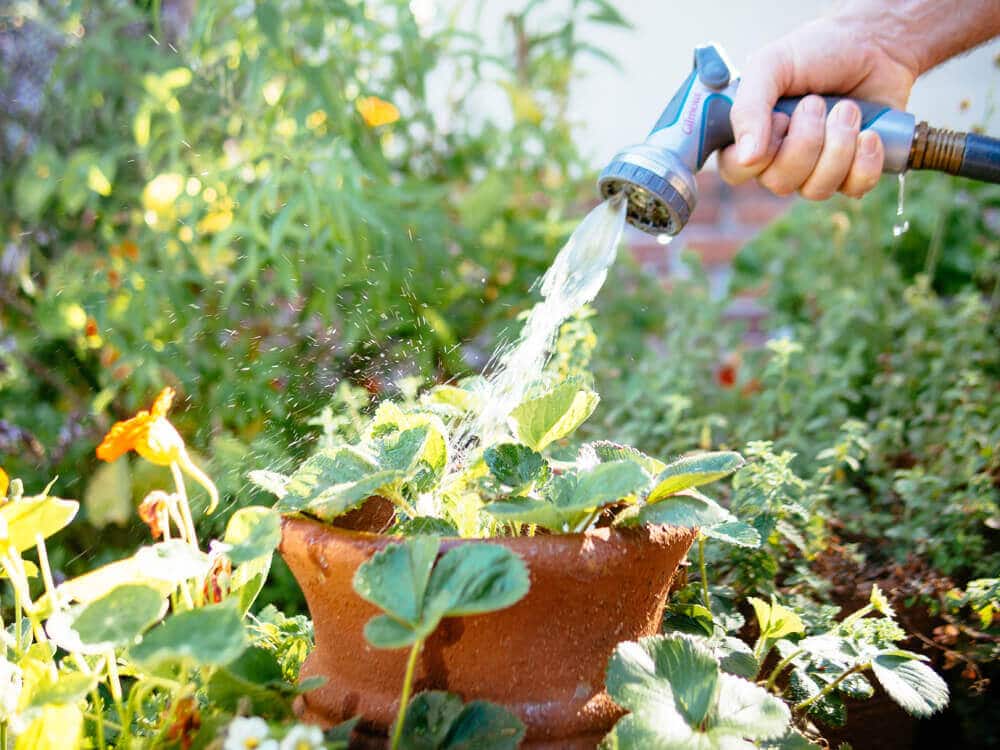
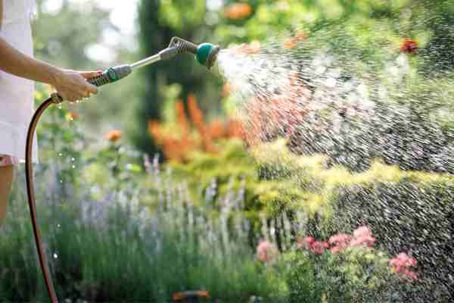
- Water at dawn. It cuts loss to evaporation and gives roots a full tank before heat.
- Water deeply, not daily sips. Aim to wet 6–12 inches down for most garden plants.
- Use drip or soaker hoses. Keep leaves dry in peak sun to reduce scorch and disease risk.
- Check soil by hand. Push a finger or a trowel in. If it’s dry below two inches, water.
Tailor by plant and soil:
- Sandy soil drains fast. Water more often but still deep.
- Clay holds water. Water less often, but watch for runoff. Go slow.
- New plants need smaller, more frequent drinks until roots spread.
Practical tricks I use:
- Create a 2–3 inch basin around plants to hold water where it matters.
- Water, wait 15 minutes, then water again. The second pass reaches deeper.
- Use a simple moisture meter to avoid guesswork.
Common mistakes:
- Overhead watering at noon. It wastes water and can stress leaves.
- Constant light sprinkling. It promotes shallow roots.
- Watering by schedule only. Let soil and plant signals guide you.
Master these steps and you’ll nail how to keep plants alive during heat waves without wasting a drop.
Soil, Mulch, and Moisture Management
Healthy soil is a water bank. Mulch is the roof that stops it from evaporating. This is the core of how to keep plants alive during heat waves.
Build the base:
- Add compost to improve structure and water holding.
- Mix in fine bark or coconut coir for better moisture balance.
- Avoid piling soil or mulch against stems. Leave a small gap.
Mulch right:
- Apply 2–4 inches of organic mulch like wood chips, straw, or shredded leaves.
- In containers, use 1–2 inches of fine bark or coco husk chips.
- Replenish mulch as it breaks down.
Real-world wins:
- In my zone 9 beds, 3 inches of wood chips kept soil cool to the touch at 105°F days.
- Straw mulch in veggie beds cut watering by almost half in peak heat.
Extra helps:
- A light-colored stone mulch around cacti reflects heat.
- Avoid plastic sheeting in heat unless it is drip-lined and well-vented.
A strong soil and mulch combo is a key move in how to keep plants alive during heat waves.

Shade, Light, and Microclimates
Sun is food, but too much fries the kitchen. Use shade like sunscreen. This is a high-impact way for how to keep plants alive during heat waves.
Quick setup ideas:
- Shade cloth: 30–40% for sun lovers like tomatoes; 50–70% for tender greens.
- Clip-on umbrellas, patio sails, or a laundry rack with a light sheet.
- Place cloth above plants, not on them, and allow airflow.
Microclimates help:
- Move pots to morning sun and afternoon shade.
- Tuck heat-sensitive plants near east-facing walls or under taller plants.
- Avoid reflective south-facing walls that bounce extra heat.
Pro tip:
- Staggered shade. Give a few hours of mid-afternoon cover when temps peak.
Use shade smart, and you master how to keep plants alive during heat waves without stalling growth.

Container Plants and Indoor Moves
Containers heat up fast. Roots cook before leaves complain. Here is how to keep plants alive during heat waves when they live in pots.
Keep roots cool:
- Use larger, light-colored pots. More soil buffers heat.
- Double pot. Slip the plant pot into a larger cachepot with an air gap.
- Group pots to create a cooler, humid pocket.
Smarter watering:
- Add a mulch layer on top of the potting mix.
- Use self-watering planters or a simple wick system from a water bottle.
- Lift the pot. If it is light, it is time to water.
Moving inside:
- Bring in only when indoor light matches needs.
- Place near bright windows, not against hot glass.
- Rotate back out as the heat eases to avoid shock.
Avoid common pitfalls:
- Don’t let pots sit in deep saucer water for days. Roots need oxygen.
- Do not repot during a heat wave unless it is an emergency root rescue.
Dial in these steps to master how to keep plants alive during heat waves on balconies and patios.

Plant Nutrition and Growth Control During Heat Waves
Heat stresses roots and shuts down growth. Less is more with feeding. This is a subtle part of how to keep plants alive during heat waves.
Feeding rules:
- Skip heavy fertilizer in extreme heat. Salt stress can burn roots.
- Use gentle options like dilute seaweed extract or compost tea if plants need a lift.
- Focus on soil health, not quick green bursts.
Growth control:
- Avoid hard pruning. It exposes tender tissues to sunburn.
- Pinch off some flowers or small fruit on stressed plants to reduce demand.
- Stake and tie. Wind plus heat breaks weak shoots.
What research and practice show:
- Heat reduces nutrient uptake, especially potassium and calcium. Balanced soil helps.
- Foliar feeding can help at dawn or dusk, but avoid wet leaves in blazing sun.
These quiet choices are key for how to keep plants alive during heat waves without causing side effects.
Emergency Actions During Sudden Heat Spikes
When the forecast jumps 10–20 degrees, act fast. The first 24 hours matter. Here is how to keep plants alive during heat waves when you get little warning.
Before the spike:
- Deep water early in the morning.
- Add temporary shade cloth or a sheet on a frame.
- Mist the air around plants at dawn to raise humidity, not the leaves at noon.
During peak heat:
- Do not fertilize.
- Lightly syringe the soil surface to cool it, not the leaves.
- Move small containers into bright shade.
Evening triage:
- Check soil again. Water if the root zone is dry.
- Remove any heat-trapped covers before night to prevent fungal issues.
- Note which plants suffered most for future planning.
Solid emergency habits define how to keep plants alive during heat waves when time is tight.

Long-Term Planning and Plant Selection
Plan now and future heat waves get easier. This is the strategic side of how to keep plants alive during heat waves.
Choose tougher plants:
- Pick heat-tolerant varieties of tomatoes, peppers, and herbs.
- Use natives and Mediterranean species that thrive in dry heat.
- Favor deep-rooted perennials and shrubs for lower care.
Design for resilience:
- Plant in fall or spring so roots mature before summer.
- Build windbreaks and plant taller species to cast dappled shade.
- Use raised beds with drip lines and thick mulch.
Water-smart systems:
- Install timers, pressure regulators, and filters for drip.
- Collect rainwater for shoulder seasons to stretch supply.
With these choices, you will rely less on crisis steps for how to keep plants alive during heat waves.
Monitoring, Tools, and Automation
Good data beats guesswork. Tools make the hard parts easy. It is a modern boost for how to keep plants alive during heat waves.
Useful tools:
- Soil moisture meters to read the root zone.
- Smart controllers that adjust watering to weather and evapotranspiration.
- Infrared thermometer to spot hot surfaces and sunburn risks.
- Weather apps with heat and wind alerts.
Simple routines:
- Set a daily five-minute check in extreme heat.
- Log which beds dry first. Adjust drip zones by need.
- Calibrate timers after a week of real-world results.
When you measure, you manage. That is the quiet secret of how to keep plants alive during heat waves, season after season.
Frequently Asked Questions of how to keep plants alive during heat waves
When is the best time to water during a heat wave?
Water at dawn. It reduces evaporation and loads the root zone before the day heats up.
Should I mist leaves in the middle of the day?
No. Midday mist can scorch leaves and wastes water. Mist the air at dawn or provide shade instead.
Can I fertilize during extreme heat?
Avoid heavy fertilizer. It can burn roots and push weak growth. Wait for cooler days or use very gentle, diluted feeds.
How do I revive a wilted plant fast?
Move it to shade and water the root zone deeply. If it perks up by evening, keep shade for a few days while it recovers.
How much mulch should I use?
Use 2–4 inches in beds and 1–2 inches in pots. Keep mulch a small distance from stems to prevent rot.
What shade cloth percentage should I use?
Use 30–40% for sun-loving crops and 50–70% for tender or shade-loving plants. Always allow airflow under the cloth.
Conclusion
Heat does not need to win. Water deep at dawn, mulch well, add smart shade, and read your plants every day. With these habits, you can keep color, fruit, and growth even when the thermometer climbs.
Start today. Pick one bed, install a soaker, add 3 inches of mulch, and set up a quick shade. Share your results, subscribe for more tips, and tell me what you want to grow through the next heat wave.

Laura Bennett is a gardening writer at MyGardenLabs who creates beginner-friendly guides focused on solving common plant care and gardening problems.